Spring is the perfect time to refresh your long-haired cat’s coat. You want your furry friend to feel comfortable and look their best as the weather warms up.
But grooming a long-haired cat can be tricky if you don’t know the right steps. In this guide, you’ll discover simple, effective ways to keep your cat’s fur smooth, tangle-free, and healthy. Stick with me, and you’ll learn how to make grooming a stress-free and even enjoyable routine for both you and your cat.
Ready to get started? Let’s dive in!
Seasonal Shedding In Long Haired Cats
Seasonal shedding is a natural process for long haired cats. It happens most often in spring. As the days get longer and warmer, cats shed their thick winter coats. This helps them stay cool during the hot months ahead. Grooming during this time is very important. It keeps your cat comfortable and your home cleaner.
Why Spring Triggers Shedding
Light changes in spring affect a cat’s fur. Longer daylight tells their body to shed old hair. This is a way to get rid of thick winter fur. Hormones also play a role in this process. They signal hair follicles to stop growing thick coats. The body prepares for warmer weather by shedding excess fur.
Signs Of Excessive Shedding
Shedding is normal, but too much can be a problem. Watch for these signs:
- Clumps of fur falling off easily
- Bald patches on the skin
- Skin redness or irritation
- Constant scratching or biting
- Hair stuck in your cat’s mouth or on furniture
Excessive shedding might mean stress, allergies, or health issues. Consult a vet if you notice these signs. Proper grooming helps reduce shedding and keeps your cat happy.
Essential Grooming Tools
Grooming a long haired cat in spring needs the right tools. Proper tools make grooming easier and more comfortable for your cat. They help remove loose fur and prevent mats from forming. Using suitable equipment keeps your cat’s coat healthy and shiny. Below are the essential grooming tools to have on hand.
Best Brushes For Long Fur
- Slicker Brush:Removes loose fur and dirt effectively. Great for detangling and preventing mats.
- Wide-Tooth Comb:Gently detangles knots without pulling the fur. Perfect for sensitive areas like behind ears.
- Pin Brush:Mimics a pet’s natural grooming. Helps smooth the coat and distribute oils evenly.
- Undercoat Rake:Removes dead undercoat fur during shedding season. Keeps the coat lighter and cooler.
Additional Grooming Supplies
- Dematting Tool:Cuts through tough mats safely. Use with care to avoid hurting your cat.
- Grooming Scissors:For trimming fur around the paws and sanitary areas. Choose scissors with rounded tips for safety.
- Cat Nail Clippers:Keep claws trimmed to avoid damage to fur and furniture.
- Lint Roller:Helps pick up loose fur from clothes and furniture after grooming.
- Pet Wipes:Clean paws and face gently without water. Useful for quick freshening up.
Step-by-step Grooming Routine
Grooming a long-haired cat in spring keeps their coat healthy and shiny. A good routine removes loose hair and prevents mats. It also helps your cat feel comfortable and clean. Follow these steps for easy and effective grooming.
Brushing Techniques
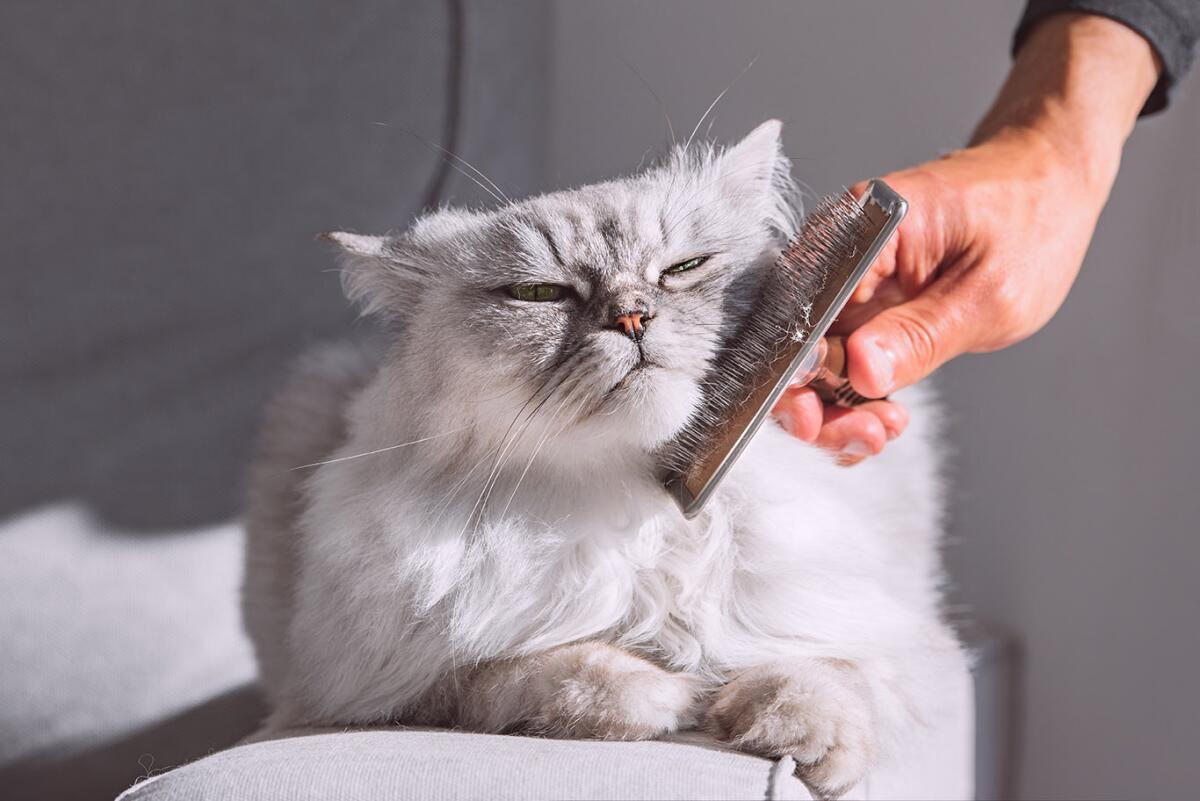
Use a wide-toothed comb to start. Gently comb through the fur from head to tail. Follow with a fine-toothed brush to smooth the coat. Brush in the direction of hair growth. Pay attention to areas behind ears and under legs. Brush for 10 to 15 minutes to remove loose hair. Keep the strokes gentle to avoid hurting your cat.
Detangling And Removing Mats
Check for mats after brushing. Mats feel like tight knots in the fur. Use your fingers to gently pull apart small tangles. For larger mats, use a mat splitter or scissors carefully. Hold the fur close to the skin to avoid pulling. Work slowly and calmly to keep your cat relaxed. If mats are too tight, ask a vet or groomer for help.
Bathing Tips For Long Haired Cats
Bathing is not always needed, but helps if your cat is very dirty. Use warm water and cat-friendly shampoo. Wet your cat slowly, avoiding the face and ears. Apply shampoo gently and rinse well to remove all soap. Dry your cat with a soft towel, then use a blow dryer on low heat. Keep the room warm and calm during the bath. Reward your cat with treats to make it positive.
Handling Grooming Challenges
Grooming a long-haired cat in spring can bring some challenges. Cats may have sensitive skin or feel anxious during grooming sessions. Handling these issues carefully helps make grooming easier and less stressful for both you and your cat.
Dealing With Sensitive Skin
Long-haired cats often have delicate skin. Harsh brushing can cause irritation or redness. Use a soft-bristled brush designed for sensitive skin. Brush gently to avoid pulling or scratching.
Check the skin regularly for signs of dryness or rashes. Use moisturizing sprays made for cats if the skin looks dry. Avoid human skincare products, as they can harm your cat.
Keep grooming sessions short but frequent. This reduces skin stress and keeps the coat clean. Stop immediately if your cat shows signs of pain.
Managing Anxious Or Uncooperative Cats
Some cats do not like grooming. They may hide, hiss, or try to escape. Stay calm and speak softly to soothe your cat. Use treats to reward calm behavior during grooming.
- Start grooming in a quiet, comfortable place.
- Use slow, gentle strokes to build trust.
- Take breaks if your cat becomes restless.
- Try grooming after playtime when your cat is tired.
Consider using calming sprays or collars if anxiety is severe. If grooming is very difficult, ask your vet for advice. Patience and kindness make a big difference in grooming success.
Preventing Hairballs And Skin Issues
Regular brushing helps remove loose fur, reducing hairballs and preventing skin problems. Keeping your cat’s coat clean supports healthy skin and comfort during spring.
Preventing hairballs and skin issues in long-haired cats is essential during spring. As temperatures rise, your feline friend may shed more. This can lead to hairballs and skin irritations if not managed properly. By focusing on diet, hydration, and grooming, you can keep your cat healthy and comfortable.Diet And Hydration Tips
A balanced diet can reduce hairballs. Feed your cat high-fiber food to aid digestion. Fiber helps move hair through the digestive tract. Wet food is another great choice. It provides moisture, keeping your cat hydrated. Hydration is vital for healthy skin and fur. Always ensure fresh water is available.Regular Grooming Benefits
Regular grooming can prevent hairballs and skin issues. Brush your cat daily to remove loose fur. This reduces the amount of hair ingested. Use a brush suited for long-haired cats. Gentle brushing can also improve skin health. It stimulates blood circulation, promoting a healthy coat. Grooming sessions can be a bonding time. Your cat will appreciate the attention and care.When To Seek Professional Help
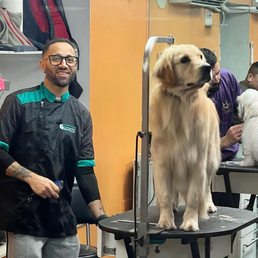
Grooming a long-haired cat in spring can be rewarding, but sometimes you’ll face challenges that require expert help. Knowing when to reach out to a professional groomer can save your cat from discomfort and keep their coat healthy. Let’s look at the signs that mean it’s time to call in a pro and how to find the right one for your furry friend.
Signs You Need A Groomer
Does your cat resist brushing or hide when you bring out the comb? Persistent matting that you can’t safely remove is a clear warning. Mats tug on the skin and cause pain, so if they’re thick or close to sensitive areas like the belly, professional grooming is safer.
Other signs include excessive shedding that seems unmanageable and skin irritation beneath the fur. If your cat has developed bald patches or sores, a groomer can help identify the cause and treat these problems gently. Sometimes, your cat’s temperament changes—excessive scratching, biting, or irritability during grooming might mean you need an expert’s touch.
Choosing The Right Professional
Not all groomers have experience with long-haired cats, so ask about their background and what techniques they use. Look for someone patient and calm, as cats can be sensitive to noise and handling. A good groomer will take time to build trust rather than rush through the process.
Check reviews and ask other cat owners for recommendations. Some groomers specialize in specific breeds or coat types, which can make a big difference. Don’t hesitate to visit the salon beforehand to see how they handle animals and what their facilities look like.
Have you ever had a grooming experience that changed your cat’s attitude towards brushing? Sharing your story can help others understand the value of professional care. Remember, choosing the right groomer is an investment in your cat’s comfort and happiness this spring.
Frequently Asked Questions
How Often Should I Groom My Long-haired Cat In Spring?
Groom your long-haired cat at least 3-4 times a week in spring. This helps remove loose fur and prevent mats. Regular grooming also reduces shedding and keeps your cat comfortable during seasonal changes.
What Tools Are Best For Grooming Long-haired Cats?
Use a slicker brush, wide-tooth comb, and grooming scissors. These tools effectively detangle fur and trim problem areas. Choosing the right tools prevents discomfort and makes grooming easier for both you and your cat.
How Can I Prevent Matting In My Cat’s Fur?
Regular brushing and gentle detangling prevent matting. Pay extra attention to areas like behind ears and under legs. Keeping the fur clean and moisturized also reduces the risk of mats forming during spring.
Should I Bathe My Long-haired Cat During Spring?
Bathing is optional but can help remove dirt and loose fur. Use a cat-specific shampoo and ensure the water is warm. Avoid over-bathing to prevent skin dryness; once every few weeks is sufficient during spring.
Conclusion
Grooming your long-haired cat in spring keeps them healthy and happy. Regular brushing stops mats and removes loose fur. It also helps reduce shedding around your home. Use gentle tools and stay calm to make grooming pleasant. Watch your cat’s skin for any changes or irritation.
A clean, brushed coat means a comfortable cat ready for warmer days. Keep grooming as part of your routine. Small steps lead to big benefits for your furry friend.

Leave a Reply