If you want your cat to stay clean and healthy without constant help, teaching them to self-groom is key. You might wonder how to encourage your furry friend to take better care of their own coat.
The good news is, with a few simple steps, you can help your cat develop good grooming habits that save you time and keep them happy. Keep reading to discover easy tips that will make grooming a natural part of your cat’s routine.
Benefits Of Self Grooming
Encouraging your cat to groom itself offers many benefits. Self grooming keeps your cat clean and healthy. It also helps reduce stress and improves skin condition. Understanding these benefits can motivate you to help your cat develop good grooming habits.
Improved Hygiene
Self grooming removes dirt, dust, and loose fur from your cat’s coat. It helps keep their fur clean and free from parasites. Cats can reach spots that are hard for owners to clean. This natural cleaning process keeps your cat fresh and tidy.
Reduced Stress
Grooming calms your cat and lowers anxiety. It acts like a soothing routine your cat enjoys. Cats groom more when they feel safe and relaxed. This behavior helps them feel comfortable in their environment.
Healthier Coat And Skin
Regular grooming spreads natural oils across the fur. These oils keep the coat shiny and soft. Grooming also prevents dry, flaky skin and hair mats. A healthy coat reflects good overall health and well-being.
Common Grooming Challenges
Getting a cat to groom itself can be tricky. Many cats face challenges that stop them from cleaning properly. Understanding these challenges helps owners support their pets better. Some problems come from habits, health, or behavior. Each one needs a different approach to help cats groom on their own.
Overdependence On Owners
Some cats rely too much on their owners for grooming. They wait for humans to brush or clean them. This habit can reduce their own grooming efforts. Cats may feel less need to lick or clean their fur. Over time, they lose the skill and interest to groom themselves. This can lead to dirty or matted fur.
Owners should encourage cats to groom independently. Using gentle encouragement and tools like grooming toys can help. Let cats explore self-grooming without full human help.
Health Issues Affecting Grooming
Health problems often stop cats from grooming properly. Pain or discomfort can make grooming difficult. Arthritis, dental pain, or skin problems are common causes. Cats with obesity may also struggle to reach parts of their body. These issues lead to poor fur condition and hygiene.
Regular vet check-ups are key. Treating underlying health problems improves grooming habits. Watch for signs like hair loss, odor, or skin irritation.
Behavioral Barriers
Fear and stress can block grooming behavior. Cats scared of their environment or new changes may stop cleaning. Anxiety from loud noises or other pets can also affect grooming. Some cats may have learned bad habits or lack grooming skills.
Creating a calm, safe space helps cats relax. Positive reinforcement encourages grooming. Patience and gentle handling make a big difference.
Creating A Grooming-friendly Environment
Helping your cat learn to self-groom starts with the environment you create around them. Cats are sensitive creatures who respond well to calm, familiar settings. Setting up a grooming-friendly space encourages your cat to take care of their own coat comfortably and confidently.
Safe And Quiet Spaces
Choose a spot in your home where your cat feels secure and undisturbed. Loud noises or busy areas can stress them out and discourage grooming. A cozy corner with soft bedding or a quiet window perch often works well.
Have you noticed how your cat behaves differently in noisy rooms versus calm ones? That’s a sign to pick the quietest place available.
Accessible Grooming Tools
Keep grooming tools like brushes and combs within easy reach but out of your cat’s way to avoid overwhelming them. Some cats may enjoy the texture of a soft brush left nearby, encouraging them to rub against it on their own.
Try leaving a gentle grooming mitt on their favorite resting spot to see if they start to use it themselves. This subtle encouragement can make a big difference.
Consistent Routine
Establish a daily or weekly grooming routine that your cat can anticipate. Cats thrive on predictability, and a set schedule helps them understand when it’s time to focus on grooming.
Try to keep the same time and place for grooming-related activities. This consistency signals safety and helps your cat relax into self-care habits.
Encouraging Independent Grooming
Encouraging a cat to groom itself helps maintain its health and cleanliness. Cats naturally groom, but some need a little push to start or keep up the habit. Creating the right environment and habits encourages independent grooming. This section explores simple ways to support your cat’s self-grooming behavior.
Using Grooming Toys
Grooming toys help cats reach spots hard to clean. These toys often have bristles or soft surfaces that gently remove loose fur. Cats enjoy rubbing against them, which feels good and encourages grooming. Place grooming toys in favorite resting areas. This invites your cat to use them regularly.
Positive Reinforcement
Reward your cat when it grooms itself. Use treats or gentle praise to show approval. Positive reinforcement makes cats want to repeat good behavior. Keep rewards small and timely. This helps your cat link grooming with positive outcomes. Be patient and consistent to build a strong habit.
Modeling Grooming Behavior
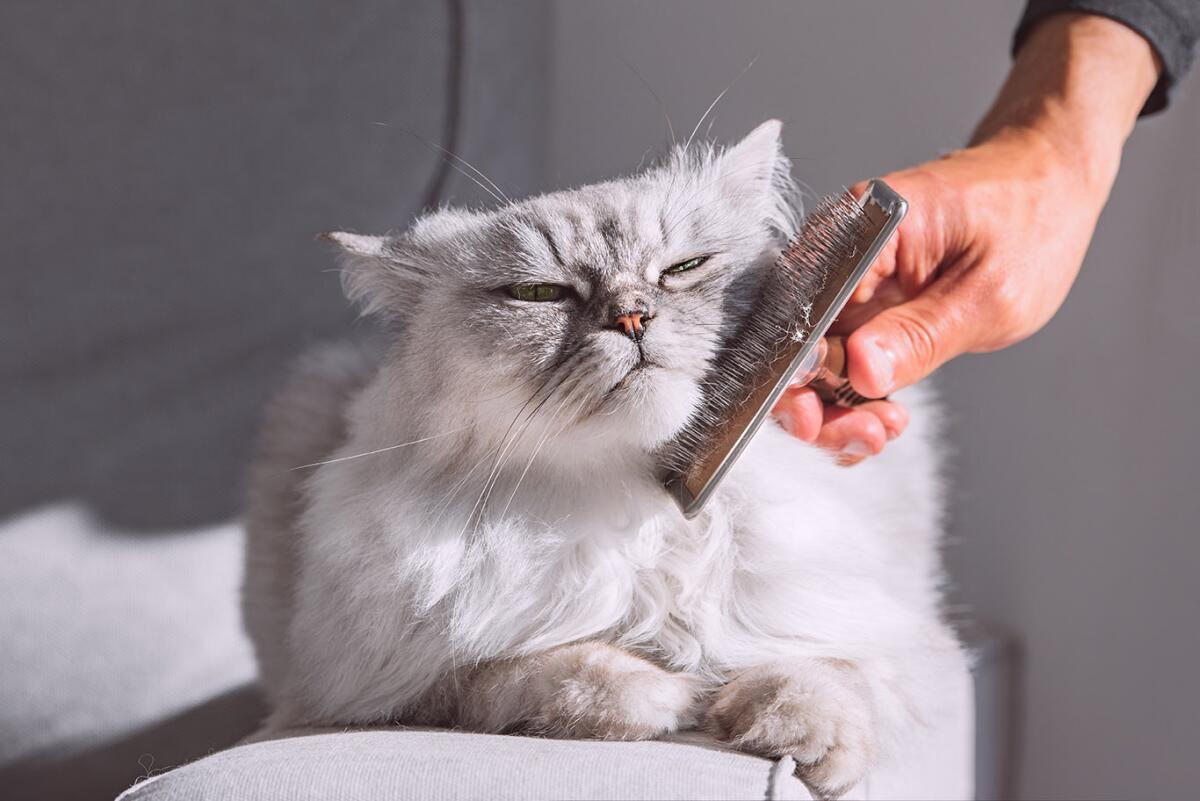
Cats learn by watching others. Groom yourself or a friendly cat nearby to show grooming actions. Use a soft brush to mimic grooming motions. This can trigger your cat’s natural grooming instincts. Spend quiet time grooming your cat gently. It teaches the cat the importance of keeping clean.
Diet And Hydration Impact
A balanced diet supports your cat’s skin and coat health, encouraging natural grooming. Proper hydration keeps fur soft and reduces discomfort, helping cats groom themselves more easily.
Ensuring your cat maintains good grooming habits can be significantly influenced by their diet and hydration. A well-balanced diet not only keeps your feline friend healthy but also enhances their ability to self-groom effectively. Similarly, proper hydration plays a crucial role in maintaining their skin and coat health, which are vital for self-grooming.Nutritional Support For Skin And Coat
Cats require a diet rich in essential fatty acids, like Omega-3 and Omega-6, to support their skin and coat health. Including foods high in these nutrients can lead to a shinier coat and healthier skin, making grooming a more rewarding task for your cat. Consider adding foods such as salmon or fish oil supplements to their meals. Vitamins and minerals also play a role in your cat’s grooming habits. Vitamin E and zinc are known to enhance skin health and promote a glossy coat. Keep an eye out for cat food brands that highlight these nutrients on their labels, ensuring you provide the best support for your cat’s grooming efforts.Importance Of Adequate Water Intake
Hydration is often overlooked but is essential for your cat’s grooming routine. Cats with adequate water intake tend to have healthier skin, reducing the risk of dryness and flakiness that can deter self-grooming. Encourage your cat to drink more by providing fresh water daily and considering a water fountain to pique their interest. Have you noticed your cat’s reluctance to drink water? Some cats prefer wet food, which naturally increases their water intake and keeps their skin supple. This simple adjustment can make a significant difference in their grooming habits, ensuring they stay clean and comfortable.Monitoring And Supporting Grooming Habits
Monitoring and supporting your cat’s grooming habits is key to keeping them healthy and happy. Cats usually groom themselves well, but sometimes they need a little help. Watching their grooming behavior helps catch problems early. It also shows when extra care is needed. Being attentive to your cat’s grooming ensures they stay clean and comfortable.
Regular Health Checks
Check your cat’s coat and skin often. Look for changes in fur texture or color. Healthy fur is smooth and shiny. Pay attention to any bald spots or redness. Inspect their ears and paws too. Regular checks help spot issues before they worsen. Make grooming a part of your daily routine.
Spotting Grooming Problems Early
Notice signs like excessive licking or biting. These may mean discomfort or skin problems. Matted fur or dirt buildup shows poor grooming. Also watch for bad odor from the coat. Changes in grooming habits can signal stress or illness. Early detection lets you act fast to help your cat.
Consulting Veterinarians When Needed
Seek professional advice if grooming issues persist. Vets can diagnose underlying health problems. They may treat skin infections or allergies. Sometimes dental pain affects grooming too. Follow vet recommendations for treatment and care. Regular vet visits support your cat’s overall well-being.
Frequently Asked Questions
How Can I Encourage My Cat To Groom Itself?
Provide a calm environment and regular brushing sessions. Cats groom more when relaxed and feel cared for. Use positive reinforcement like treats to encourage self-grooming habits.
What Are Signs My Cat Needs Help Grooming?
Look for matted fur, bad odor, or excessive scratching. These signs suggest grooming difficulties or health problems needing attention.
Can Diet Affect My Cat’s Grooming Habits?
Yes, a balanced diet improves fur health and grooming motivation. Proper nutrition supports skin hydration and reduces grooming-related issues.
How Often Should I Assist My Cat With Grooming?
Assist grooming weekly or as needed, especially for long-haired cats. Regular help prevents mats and encourages independent grooming.
Conclusion
Helping your cat learn to groom itself takes patience and care. Start by gently encouraging grooming habits daily. Use soft brushes to make grooming enjoyable for your cat. Praise your cat often to build good habits. Keep the environment calm and stress-free.
Over time, your cat will feel more comfortable grooming alone. This improves their health and happiness. Stay consistent and watch your cat grow more independent. Small steps lead to big progress. Your efforts will help your furry friend stay clean and healthy.

Leave a Reply