If you have a black and white cat, you know how special their striking coat is. But keeping that beautiful fur clean and shiny takes the right grooming.
You might wonder how to make grooming easy and enjoyable for both you and your cat. This guide will show you simple, effective tips to keep your black and white cat looking their best. By the end, you’ll feel confident handling grooming like a pro—and your cat will thank you with purrs and cuddles.
Let’s dive in and discover how to make grooming a breeze!
Choosing The Right Grooming Tools
Choosing the right grooming tools for your black and white cat is essential to keep their coat healthy and shiny. The contrast in their fur colors means you need tools that work well on both dark and light patches without causing damage. Selecting the right brushes, combs, and shampoos can make grooming easier and more enjoyable for both you and your pet.
Brushes For Black And White Coats
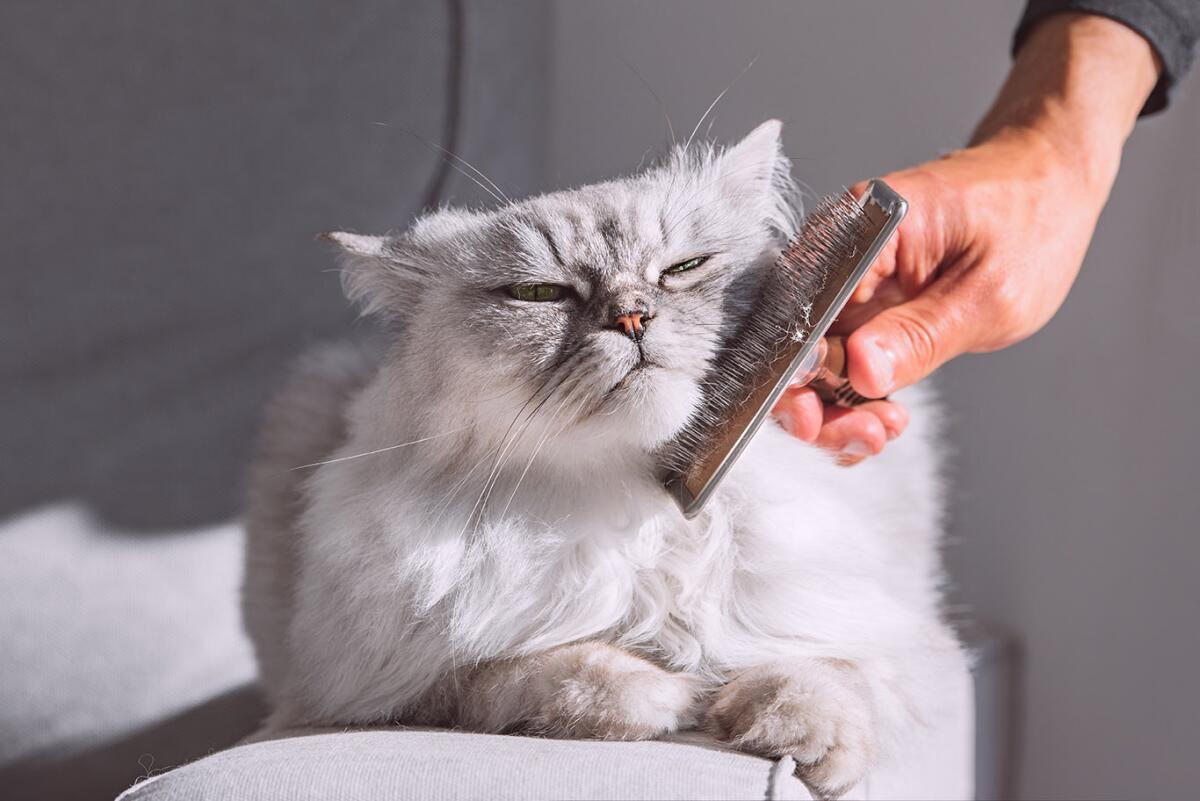
For black and white cats, a slicker brush is a great choice. It effectively removes loose hair and prevents matting without irritating their sensitive skin. A soft-bristle brush can also help smooth the coat and enhance the natural shine of both the black and white fur.
Have you noticed that some brushes leave behind more hair than others? Trying different types will help you find the one that works best for your cat’s specific coat texture.
Combs And Nail Clippers
A fine-toothed comb is excellent for detangling and reaching areas that brushes might miss, especially around the neck and behind the ears. Regular combing helps reduce shedding and keeps your cat comfortable.
When it comes to nail clippers, choose a sharp pair designed specifically for cats to avoid splitting their nails. Clipping nails regularly prevents scratching accidents and keeps your cat’s paws healthy.
Shampoos And Conditioners
Select shampoos that are gentle and formulated for cats, preferably ones that enhance the brightness of black and white fur. Avoid harsh chemicals that can dry out your cat’s skin or dull their coat.
Adding a conditioner can help maintain softness and reduce tangles. Have you tried a conditioner that also helps with shedding? It might make a noticeable difference in your grooming routine.
Brushing Techniques For A Healthy Coat
Keeping your black and white cat’s coat healthy and shiny starts with the right brushing techniques. Regular brushing removes loose hairs, dirt, and prevents matting, which is essential for both their comfort and appearance. Understanding how often to brush and how to handle sensitive spots can make grooming a more enjoyable experience for both of you.
Frequency And Timing
How often you brush depends on your cat’s coat length and activity level. Short-haired cats usually need brushing once or twice a week, while long-haired cats benefit from daily sessions.
Try brushing during quiet times, like after a meal or when your cat is relaxed. This helps them associate brushing with calm and comfort, reducing resistance.
Dealing With Tangles And Mats
Tangles can quickly turn into painful mats if ignored. Use a wide-toothed comb to gently work through knots without pulling harshly on the fur.
If you find a stubborn mat, apply a bit of detangling spray made for cats or use your fingers to loosen the fur slowly. Never cut mats out unless you’re confident, as accidental cuts can hurt your cat.
Brushing Sensitive Areas
Areas like behind the ears, under the legs, and around the belly are often sensitive spots. Approach these areas gently and watch your cat’s body language closely.
Use a soft-bristle brush or your fingers to start, and gradually increase pressure as your cat gets comfortable. Praise and treats go a long way in making these sessions positive.
Bathing Your Black And White Cat
Bathing your black and white cat keeps its coat clean and shiny. Cats groom themselves, but baths help with dirt and odors. Bathing also reduces shedding and prevents hairballs. Use gentle products made for cats to protect their skin. Prepare everything before you start to keep your cat calm.
When To Bathe
Bathe your cat only when needed. Cats do not need frequent baths. Bathe if your cat is very dirty or smells bad. Also bathe if your cat has fleas or skin problems. Avoid bathing if your cat is stressed or sick. Consult a vet for advice on bathing times.
Step-by-step Bathing Process
- Brush your cat to remove loose fur and tangles.
- Fill the tub or sink with a few inches of warm water.
- Gently place your cat in the water and keep calm.
- Use cat shampoo and lather carefully, avoiding eyes and ears.
- Rinse thoroughly with warm water to remove all soap.
- Repeat shampooing only if necessary to avoid skin dryness.
Drying And Aftercare
Wrap your cat in a soft towel and pat dry. Avoid rubbing, which can tangle fur. Use a hairdryer on low and warm settings if your cat allows. Keep the room warm and quiet during drying. Brush the fur gently to prevent mats. Reward your cat with treats to create a positive experience.
Maintaining Skin Health
Maintaining skin health is essential for a black and white cat’s overall well-being. Healthy skin supports a shiny coat and prevents discomfort from irritations or infections. Regular care helps catch issues early and keeps the skin balanced and hydrated.
Checking For Irritations And Parasites
Examine your cat’s skin often. Look for redness, bumps, or dry patches. These signs may show irritation or allergies. Check for parasites like fleas or ticks. Use a fine-toothed comb to spot tiny bugs or eggs. Early detection avoids severe skin problems.
Diet And Hydration Impact
A balanced diet directly affects your cat’s skin condition. Provide food rich in proteins and omega fatty acids. These nutrients nourish the skin from inside. Fresh water is critical for hydration. Well-hydrated skin reduces dryness and itching. Monitor your cat’s eating and drinking habits daily.
Using Supplements For Coat Shine
Supplements can boost your cat’s coat shine and skin health. Omega-3 and omega-6 fatty acids improve softness and reduce inflammation. Consult a vet before adding supplements. Proper doses ensure safety and effectiveness. Natural oils like fish oil work well. They give the coat a healthy glow.
Handling Shedding And Hairballs
Grooming a black and white cat helps manage shedding and reduce hairballs. Regular brushing removes loose fur effectively. This practice keeps your cat’s coat sleek and minimizes the chance of hairballs forming.
Handling shedding and hairballs can be challenging for cat owners. Black and white cats have unique grooming needs. They shed fur and sometimes develop hairballs. Understanding their grooming needs helps keep them healthy.Reducing Shedding
Brush your black and white cat regularly. Use a brush designed for cats. This helps remove loose fur. It reduces shedding around your home. Bathing your cat can also help. Use a gentle cat shampoo. It removes excess oils and loose fur. Feed your cat a balanced diet. A diet rich in omega-3 fatty acids promotes healthy skin and fur.Preventing Hairballs
Hairballs form when cats groom themselves. To prevent them, brush your cat often. It removes loose fur before they swallow it. Offer hairball control treats. They help in moving hair through the digestive system. Ensure your cat drinks enough water. Proper hydration aids digestion and reduces hairball risk.Regular Grooming Schedule
Create a grooming schedule for your cat. Brush your cat at least twice a week. During shedding season, increase frequency. Keep grooming sessions short and calm. Reward your cat with treats. This makes grooming a positive experience. Regular grooming keeps your cat happy and healthy.Special Care For Black And White Fur
Black and white cats have striking coats that need special care. Their fur shows dirt and stains easily. Proper grooming keeps their coat healthy and beautiful. Focus on both colors for the best results.
Keeping White Fur Bright
White fur can look dull or yellow without care. Use a gentle shampoo made for white coats. Brush the fur daily to remove dirt and loose hair. Bathe your cat occasionally to keep the white fur clean. Wipe the face and paws regularly with a damp cloth. This prevents buildup around the eyes and mouth.
Enhancing Black Fur Shine
Black fur looks rich when clean and shiny. Use a soft brush to smooth the fur and spread natural oils. Avoid over-bathing, which can dry out black fur. Feed your cat a balanced diet for a healthy coat. A shiny coat reflects good health and grooming.
Avoiding Stains And Discoloration
White fur stains easily from food, dirt, or tears. Clean stains quickly using pet-safe wipes. Prevent stains by keeping food bowls clean and away from white fur. Black fur can also fade if exposed to too much sun. Provide shaded resting areas to protect the coat. Regular grooming reduces the risk of discoloration and keeps the fur fresh.
Tips For Stress-free Grooming Sessions
Grooming your black and white cat can be a pleasant experience. Keeping grooming sessions stress-free helps build trust. Cats react better in calm surroundings. Gentle handling makes the process easier for both of you. These tips help create a positive grooming routine.
Creating A Calm Environment
Choose a quiet spot for grooming. Soft lighting reduces your cat’s anxiety. Use a comfortable surface like a towel or mat. Keep grooming tools nearby to avoid interruptions. Speak softly to soothe your cat. Short sessions work best to keep calm.
Positive Reinforcement Techniques
Offer treats during and after grooming. Praise your cat with gentle words and pets. Use a calm tone to encourage cooperation. Reward calm behavior to make grooming enjoyable. Break the session into small steps. Always stop before your cat feels stressed.
Recognizing When To Seek Professional Help
Watch for signs of stress like growling or hiding. If grooming causes aggression, consider a groomer. Some cats need professional trimming or nail care. Health issues may require a vet’s attention. Professionals have tools and skills for safe grooming. Don’t hesitate to ask for expert support.
Frequently Asked Questions
How Often Should I Groom A Black And White Cat?
Groom your black and white cat at least once a week. Regular grooming removes loose fur and reduces shedding. It also helps monitor skin health and prevents matting, keeping your cat comfortable and clean.
What Tools Are Best For Grooming Black And White Cats?
Use a soft-bristle brush and a fine-toothed comb for grooming. These tools gently remove loose fur and dirt without hurting sensitive skin. Avoid harsh brushes to keep your cat’s coat shiny and healthy.
Can Grooming Improve My Cat’s Coat Color And Shine?
Yes, grooming boosts your cat’s coat shine and color vibrancy. Regular brushing spreads natural oils, which enhance fur texture and brightness. This keeps your black and white cat looking sleek and well-maintained.
How Do I Handle Grooming A Shy Black And White Cat?
Approach shy cats calmly and patiently during grooming. Use gentle strokes and short sessions to build trust. Reward your cat with treats and praise to create a positive grooming experience.
Conclusion
Grooming a black and white cat keeps them healthy and happy. Regular brushing reduces shedding and prevents mats. Check their eyes, ears, and nails often. Use gentle tools made for cats. Make grooming a calm, fun time together. Your cat will feel loved and cared for.
Small daily habits make a big difference in their coat. Enjoy the bond you build while grooming your cat. Keep these simple steps in mind for lasting results.


Leave a Reply