If you have a Ragdoll cat, you know how special they are. Their soft fur and calm nature make them wonderful companions.
But keeping your Ragdoll looking and feeling its best takes the right grooming. You might wonder how often to brush them or what tools to use. This guide will show you simple, effective ways to care for your cat’s coat.
By following these easy steps, you’ll keep your Ragdoll healthy, happy, and looking beautiful. Ready to learn how to groom your Ragdoll like a pro? Let’s dive in!
Ragdoll Cat Coat Basics
The Ragdoll cat’s coat is one of its most charming features. It feels soft and plush to touch. Understanding the coat basics helps with proper grooming. Ragdolls have a unique fur type that needs gentle care. Knowing their coat traits makes grooming easier and enjoyable for both cat and owner.
Coat Characteristics
Ragdoll cats have semi-long fur that is silky and smooth. Their coat lies flat against the body, giving a sleek look. They do not have an undercoat like many other long-haired cats. This means their fur is less dense but still soft. Their coat colors include seal, blue, chocolate, and lilac points. The fur around their neck forms a soft ruff, adding to their fluffy appearance.
Shedding Patterns
Ragdolls shed moderately throughout the year. Shedding increases slightly during spring and fall. Their lack of a thick undercoat reduces heavy shedding episodes. Regular brushing helps remove loose hairs and reduces fur around the house. Watch for clumps of fur during shedding seasons. Consistent grooming keeps their coat healthy and shiny.
Essential Grooming Tools
Grooming your Ragdoll cat requires the right set of tools to keep their beautiful coat healthy and shiny. Having essential grooming tools on hand makes the process smoother for both you and your furry friend. Let’s look at the key tools that will help you maintain your Ragdoll’s soft fur and overall cleanliness.
Brush Types
Choosing the right brush can make a big difference in grooming your Ragdoll. A slicker brush is great for removing loose hair and preventing mats, especially in thick fur. You might also want a bristle brush to smooth the coat and add shine after detangling.
Have you noticed your cat prefers one type of brush over another? Pay attention to their reactions; it can help you pick the best option for regular use.
Combs And Scissors
A wide-toothed comb helps gently untangle knots without hurting your cat’s sensitive skin. Use it after brushing to catch smaller tangles. For stubborn mats, a pair of rounded-tip scissors can safely trim them away, but always be cautious and avoid cutting too close to the skin.
Keep these tools handy during grooming sessions to quickly handle any tangles or loose fur that brushing alone can’t manage.
Bathing Supplies
Even though Ragdolls don’t need frequent baths, having bathing supplies ready is essential when they do get dirty. Use a gentle, cat-specific shampoo that won’t irritate their skin or strip natural oils. A non-slip mat in the sink or tub helps your cat feel secure during the bath.
Do you have a favorite shampoo or bathing routine that calms your cat? Sharing tips like these can make bath time less stressful for everyone involved.
Daily Grooming Routine
Keeping your Ragdoll cat looking its best requires a daily grooming routine that fits easily into your schedule. Regular grooming not only maintains their beautiful coat but also helps you spot any health issues early. Let’s look at some straightforward steps to make daily grooming a positive experience for both you and your cat.
Brushing Techniques
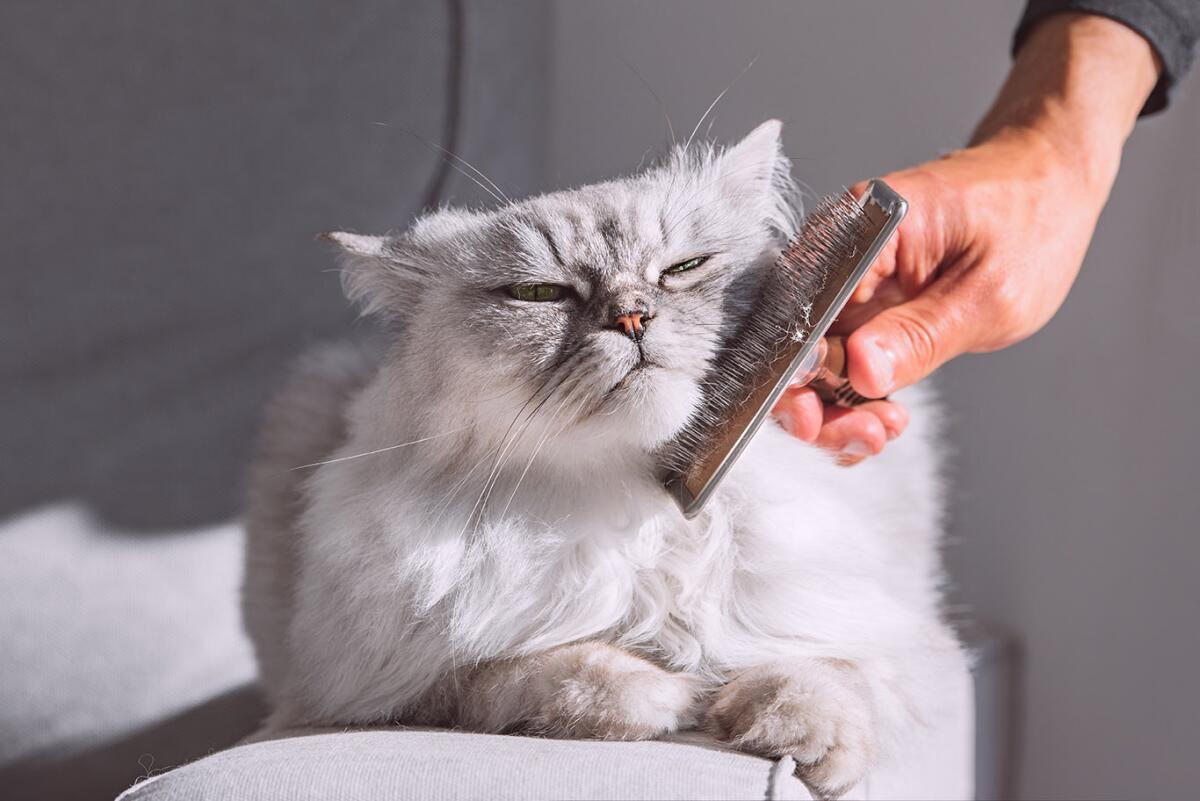
Use a soft-bristle brush or a wide-tooth comb to gently brush your Ragdoll’s coat. Focus on slow, gentle strokes to avoid pulling on their fur. Pay special attention to areas like behind the ears and under the legs, where fur tends to tangle more easily.
Try brushing in the direction of hair growth to keep their coat smooth and shiny. Notice how your cat reacts—if they seem uncomfortable, adjust your pressure or technique. Have you observed which brushing spots your cat enjoys most? That feedback can make grooming a bonding moment.
Checking For Mats
Mats can form quickly in a Ragdoll’s silky fur, especially around the neck, belly, and behind the ears. Run your fingers gently through their fur daily to feel for any tight knots or lumps. If you find mats, work them out carefully with your fingers before using a comb.
For stubborn mats, use a mat splitter or a dematting comb, but be very cautious not to hurt your cat. Do you know where mats tend to form on your cat? Targeting those spots can prevent discomfort and skin problems before they start.
Cleaning Eyes And Ears
Ragdolls can sometimes have mild tear stains or earwax buildup. Check their eyes daily for any discharge or redness. Use a soft, damp cloth to gently wipe away any dirt or tears from the corners of their eyes.
For the ears, look inside for dirt or wax. Use a vet-recommended ear cleaner and a cotton ball to wipe the outer ear gently—never insert anything deep into the ear canal. How often do you check your cat’s eyes and ears? Regular attention here can keep infections at bay and keep your cat comfortable.
Handling Mats And Tangles
Gently comb Ragdoll cats to remove mats and tangles without hurting their skin. Use a wide-tooth comb for stubborn knots and work slowly to keep the cat calm. Regular brushing prevents mats and keeps their fur soft and smooth.
Handling mats and tangles in Ragdoll cats is crucial for their coat health. These fluffy felines have long, silky fur, which can easily form knots. Regular grooming helps keep their fur smooth and mat-free. Understanding how to prevent and safely remove mats ensures your cat’s comfort.Preventing Mats
Brushing your Ragdoll regularly can prevent mats from forming. Use a high-quality slicker brush or a wide-toothed comb. Focus on areas prone to tangles, like under the legs and behind the ears. Daily grooming sessions reduce shedding and hair accumulation. Keep your cat’s coat clean and dry to avoid matting. Bathing helps in maintaining the fur’s softness, but ensure thorough drying.Safe Removal Methods
If mats occur, handle them gently to avoid hurting your cat. Use a detangling spray or conditioner to soften the fur. Start by gently working on the edges of the mat with your fingers. Use a mat splitter or a comb to carefully break the mat into smaller sections. Never cut mats with scissors, as this can injure the skin. For severe mats, consider professional grooming assistance.Bathing Your Ragdoll
Bathing your Ragdoll cat may feel like a big task, but it’s important for keeping their fur soft and clean. Unlike some cats, Ragdolls often tolerate water better, especially if introduced gently. Knowing the right moments to bathe and how to do it carefully can make the experience easier for both you and your furry friend.
When To Bathe
Ragdolls don’t need frequent baths because they groom themselves well. Bathing should be reserved for times when their fur is noticeably dirty, sticky, or has a strong odor.
If your cat has gotten into something oily or dusty, a bath is necessary. Also, consider a bath if your Ragdoll has skin conditions or allergies that require medicated shampoo.
Does your cat avoid the litter box sometimes? That’s another signal for a bath to keep them fresh and comfortable.
Step-by-step Bathing Guide
- Prepare the area:Use a sink or tub with warm water, around 100°F (38°C). Gather gentle cat shampoo, a cup for rinsing, and a towel.
- Brush first:Remove any mats or loose fur before wetting. This reduces tangles and helps shampoo spread evenly.
- Wet your cat:Slowly pour warm water over their body, avoiding eyes and ears. Talk softly to keep them calm.
- Apply shampoo:Use a small amount of cat-specific shampoo. Gently massage it into the fur, focusing on dirty areas.
- Rinse thoroughly:Use the cup to rinse away all shampoo. Leftover shampoo can irritate the skin.
- Check ears and face:Clean these carefully with a damp cloth but don’t submerge the head.
Drying Tips
Wrap your Ragdoll in a thick towel immediately after the bath. Gently pat them dry rather than rubbing, which can tangle their fur.
If your cat allows, use a hairdryer on the lowest heat and speed settings. Keep it moving to avoid overheating any spot.
Make sure your cat stays warm until fully dry, especially in colder weather. Have you noticed your Ragdoll’s mood changes when they are damp or wet? Drying quickly can help keep them comfortable and happy.
Nail And Paw Care
Ragdoll cats are known for their soft, plush fur and loving nature. Proper grooming is essential to keep them healthy and happy. Nail and paw care play a crucial role in their overall well-being. Regular attention to their nails and paws helps prevent discomfort and potential health issues. In this section, we will explore how to trim your Ragdoll’s nails and maintain their paw pads effectively.
Trimming Nails
Keeping a Ragdoll’s nails trimmed is important for their comfort. Long nails can cause pain and damage furniture. Use a pet nail clipper for precise trimming. Gently press the paw to extend the nail. Trim just the tip, avoiding the quick. The quick is the pink area inside the nail. Cutting it causes pain and bleeding. Trim nails every few weeks to maintain a healthy length.
Paw Pad Maintenance
Ragdoll paw pads need regular checks for cleanliness and health. Dirt and debris can collect between the pads. Gently clean the pads with a damp cloth. Check for any cuts or injuries. Apply a pet-safe moisturizer if pads seem dry or cracked. Ensure your cat’s paws stay soft and healthy.
Diet And Coat Health
Your Ragdoll’s beautiful coat needs more than just brushing to stay healthy. What you feed your cat plays a huge role in the shine and softness of their fur. Paying attention to diet and coat health can prevent matting and dullness.
Nutrition Impact
High-quality protein is essential for your Ragdoll’s coat. Proteins provide the building blocks for hair growth and repair. Choose cat food with real meat listed as the first ingredient to support strong, healthy fur.
Omega-3 and omega-6 fatty acids also matter. They help reduce inflammation and promote a glossy, smooth coat. Check your cat’s food label for sources like fish oil or flaxseed.
Have you noticed dull fur or excessive shedding in your cat? This might be a sign of a nutritional gap. Adjusting their diet with nutrient-rich options can make a visible difference in just a few weeks.
Supplements For Shine
If your Ragdoll’s coat still looks lackluster, supplements might help. Adding fish oil capsules or liquid omega fatty acids can boost their skin and coat health.
Biotin and vitamin E are other supplements worth considering. They support skin repair and reduce dryness. But always consult your vet before starting any new supplement to avoid overdosing.
Here’s a quick checklist you can follow:
- Choose a balanced diet with quality proteins.
- Include omega fatty acids for natural shine.
- Consider supplements like fish oil, biotin, and vitamin E after vet advice.
Have you tried adding supplements to your Ragdoll’s diet? Share what worked or didn’t work for you—it might help someone else keep their cat’s coat in top shape.
Professional Grooming Services
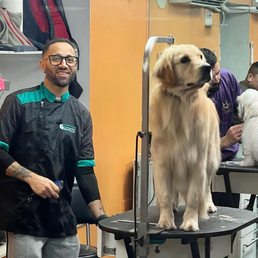
Professional grooming services offer expert care for Ragdoll cats. These cats have thick, silky coats that need special attention. Groomers use the right tools and techniques to keep the fur smooth and healthy. Regular professional grooming can prevent mats and reduce shedding.
Groomers also check for skin issues or parasites during the session. They trim nails safely and clean ears properly. This care helps your Ragdoll stay comfortable and look great.
When To Seek Help
Look for professional help if your Ragdoll’s coat is tangled or matted. Mats can hurt your cat and cause skin problems. If your cat resists brushing or shows stress, a groomer can help. Some owners find it hard to trim nails or clean ears. Groomers handle these tasks calmly and safely. Older or overweight Ragdolls may need extra care from a professional.
Choosing A Groomer
Pick a groomer who knows about Ragdoll cats. Ask about their experience and training. Check if they use gentle products and tools. A good groomer creates a calm and safe environment. Read reviews or get recommendations from other cat owners. Visit the salon before booking to see how they treat animals. Clear communication about your cat’s needs is important. Choose someone who listens and answers your questions well.
Common Grooming Challenges
Grooming Ragdoll cats brings some unique challenges. Their long, silky fur can cause tangles and mats. Regular care helps maintain their soft coat and keeps them comfortable. Knowing common grooming issues helps you handle them better.
Dealing With Shedding
Ragdolls shed a moderate amount year-round. Shedding increases during seasonal changes. Loose hairs can stick to furniture and clothes. Use a wide-tooth comb or a slicker brush to remove dead hair. Groom your cat at least twice a week. This reduces hairballs and keeps your home cleaner.
Brush gently to avoid hurting the skin. Regular grooming helps spot any skin problems early. Bathing can help but only if your cat allows it.
Managing Sensitive Skin
Ragdolls have delicate skin that may react to harsh grooming tools. Use soft brushes made for sensitive skin. Avoid brushing too hard to prevent irritation. Check your cat’s skin during grooming for redness or bumps.
Choose shampoos made for cats with sensitive skin. Avoid products with strong fragrances or chemicals. Keep nails trimmed to reduce scratches that can cause skin problems. If skin issues persist, consult a vet for advice.
Frequently Asked Questions
How Often Should I Groom A Ragdoll Cat?
Ragdoll cats need grooming at least twice a week. Regular brushing removes loose fur and prevents mats. It also reduces shedding and hairballs. Frequent grooming keeps their coat soft and healthy. During shedding seasons, daily brushing is beneficial.
What Tools Are Best For Grooming Ragdoll Cats?
Use a wide-toothed comb, slicker brush, and grooming gloves. These tools help remove loose hair and detangle knots gently. Avoid harsh brushes that can irritate their skin. Proper tools make grooming easier and comfortable for your Ragdoll.
How Do I Prevent Mats In Ragdoll Cats’ Fur?
Regular brushing and combing prevent mats effectively. Focus on areas prone to tangles, like the neck and behind ears. Use detangling spray for stubborn mats. Never cut mats yourself; seek professional grooming if needed.
Can Grooming Reduce Shedding In Ragdoll Cats?
Yes, consistent grooming significantly reduces shedding. It removes loose hair before it falls off naturally. This keeps your home cleaner and your cat more comfortable. Grooming also improves coat health, minimizing excessive shedding.
Conclusion
Grooming your Ragdoll cat keeps their coat soft and healthy. Regular brushing prevents mats and reduces shedding. It also helps you spot any skin issues early. Make grooming a calm and fun time for your cat. Use gentle strokes and praise them often.
Clean their eyes and ears carefully to avoid infections. With consistent care, your Ragdoll will stay happy and beautiful. Simple steps lead to a strong bond between you and your cat. Keep grooming easy and part of your daily routine.
Your cat will thank you with purrs and love.

Leave a Reply