Are you wondering how much grooming your cat really needs? You might be surprised to learn that the right amount of grooming can keep your furry friend healthy and happy.
Too little grooming can lead to mats and discomfort, while too much might stress your cat out. You’ll discover what a normal amount of cat grooming looks like and how to find the perfect balance for your pet. Keep reading to learn easy tips that will make grooming a simple, stress-free part of your routine.
Cat Grooming Basics
Cat grooming is essential for your pet’s health and happiness. It helps keep their coat clean and reduces shedding. Grooming also prevents mats and skin problems. Understanding the basics makes grooming easier and more enjoyable for both of you. Knowing the right tools and how often to groom can keep your cat comfortable.
Essential Grooming Tools
- A slicker brush removes loose fur and dirt.
- A comb helps detangle and smooth the coat.
- Nail clippers keep claws trimmed and safe.
- Cat-safe wipes clean paws and face.
- Dental brushes support oral health.
Types Of Cat Coats
Cats have different coat types that need special care. Short-haired cats usually require less grooming but still benefit from brushing.
Long-haired cats need daily brushing to avoid mats and tangles. Medium-haired cats fall in between, needing grooming a few times a week.
Grooming Frequency By Breed
| Breed | Coat Type | Grooming Frequency |
|---|---|---|
| Siamese | Short | Once a week |
| Maine Coon | Long | Daily |
| British Shorthair | Short | Once a week |
| Persian | Long | Daily |
| Bengal | Short | Once a week |
Daily Grooming Habits
Daily grooming is an important part of caring for your cat. It helps keep their coat clean and healthy. It also allows you to check their skin and overall health. Spending a few minutes each day on grooming builds trust and strengthens your bond with your pet.
Brushing Techniques
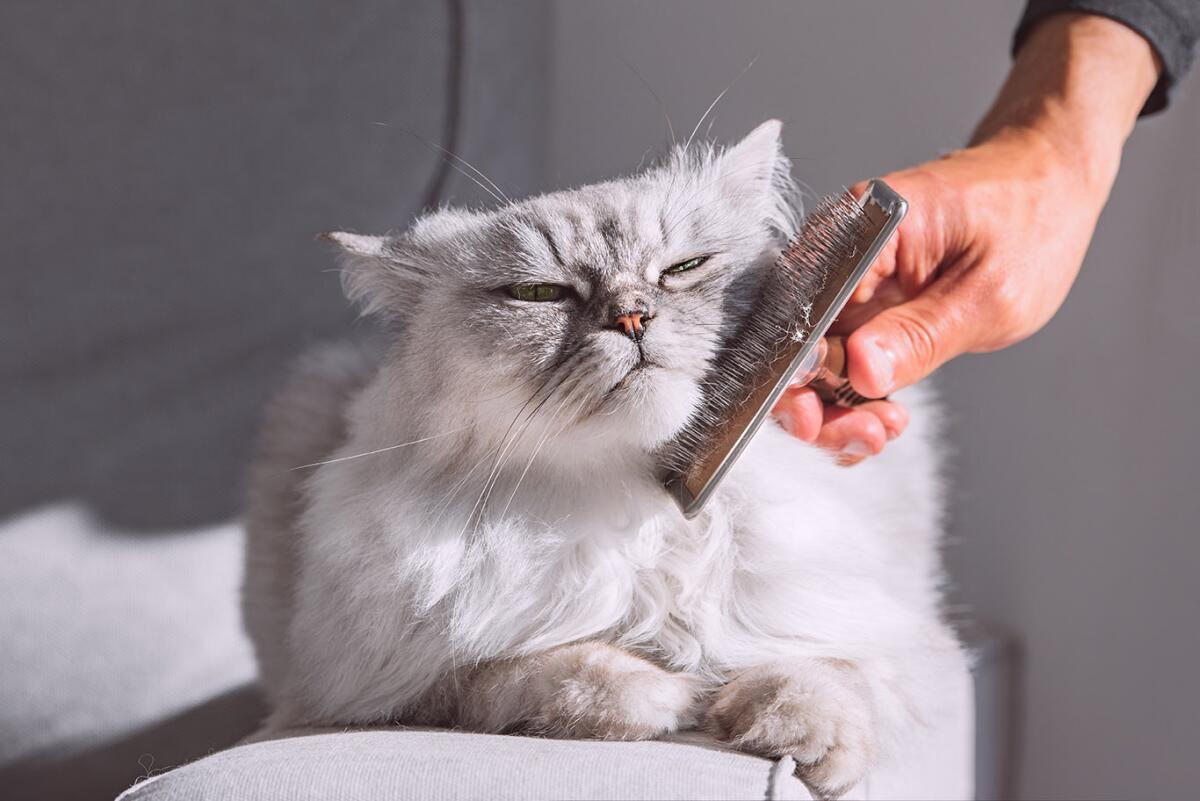
Use a soft brush made for cats. Brush gently in the direction of hair growth. Focus on areas where hair mats easily, like behind the ears and under the legs. Short-haired cats need less brushing, but long-haired cats may need daily care. Regular brushing removes loose hair and prevents hairballs.
Checking For Skin Issues
Look for redness, bumps, or bald spots during grooming. Check for fleas, ticks, or other parasites. Feel for lumps or unusual bumps under the skin. Early detection of skin problems helps your cat stay healthy. Report any concerns to your vet quickly.
Cleaning Ears And Eyes
Use a damp cotton ball to wipe around the eyes. Remove any discharge or dirt gently. Check ears for wax build-up or bad smell. Clean ears with a vet-approved solution if needed. Avoid using cotton swabs inside the ear canal to prevent injury.
Weekly Grooming Tasks
Weekly grooming tasks keep your cat healthy and comfortable. Regular care prevents skin problems and reduces shedding. It also helps spot any changes in your cat’s health early. Make grooming a calm, positive time for your cat.
Bathing Your Cat
Bathing is not always needed every week, but some cats benefit from it. Use warm water and a cat-safe shampoo. Keep the bath short and gentle. Rinse thoroughly to avoid skin irritation. Dry your cat well with a towel or a low-heat dryer. Bathing helps remove dirt and loose hair.
Nail Trimming Tips
Trim your cat’s nails weekly to avoid overgrowth. Use a proper cat nail clipper. Hold the paw gently but firmly. Cut only the sharp tip, avoiding the pink quick inside. If unsure, trim a little at a time. Reward your cat with treats and praise to ease stress.
Dental Care Routine
Brush your cat’s teeth weekly to prevent plaque and bad breath. Use a soft toothbrush made for cats. Apply cat-friendly toothpaste. Brush gently in small circles. Focus on the outer teeth where plaque builds. Dental care reduces the risk of gum disease and tooth loss.
Signs Of Over Or Under Grooming
Signs of over or under grooming in cats can reveal important health or emotional issues. Cats usually groom themselves regularly, but changes in grooming habits may signal a problem. Observing your cat’s behavior and physical condition helps identify if grooming is excessive or lacking.
Behavioral Changes
Over grooming often causes restlessness or irritability. Cats may lick or bite the same spot repeatedly. Under grooming may lead to lethargy or hiding. Notice if your cat stops cleaning itself or acts withdrawn.
Physical Symptoms
- Over grooming causes red, raw, or bald patches on the skin.
- Hair loss and skin sores can appear in specific areas.
- Under grooming results in matted fur and greasy coat.
- Dull, flaky skin and unpleasant odor may develop.
When To Consult A Vet
Seek veterinary advice if grooming changes last more than a few days. Persistent hair loss, skin damage, or swelling need professional care. Behavioral shifts like anxiety or aggression also require expert attention. Early diagnosis helps prevent serious health problems.
Grooming Adjustments For Special Cats
Cats usually groom themselves several times a day to stay clean and healthy. Special cats, like those with long fur or health issues, may need extra help from owners. Adjusting grooming routines ensures their comfort and well-being without overdoing it.
Cats are known for their self-sufficient grooming habits, but special cats might need a little extra help. Understanding how to adjust grooming routines for these unique felines ensures they stay healthy and comfortable. Whether it’s an elderly cat, a long-haired breed, or one with medical conditions, knowing their specific needs can make a huge difference.Senior Cats
As cats age, their grooming needs change. A senior cat might struggle with arthritis, making it difficult to reach certain spots. You can help by gently brushing them, especially in areas they can’t reach. Older cats often benefit from a soft-bristled brush that feels comfortable on their sensitive skin. Regular grooming can also help you monitor their health, catching any lumps or skin changes early. Have you noticed any changes in your senior cat’s grooming habits?Long-haired Breeds
Long-haired breeds like Persians or Maine Coons require more frequent grooming. Their luxurious coats can easily become tangled or matted if not brushed regularly. Using a metal comb can help prevent mats and tangles, keeping their fur silky and smooth. These breeds often enjoy the attention during grooming sessions, which can strengthen your bond. How often do you brush your long-haired cat to keep their coat in top condition?Cats With Medical Conditions
Cats with medical conditions may have specific grooming needs. For example, a cat with allergies might benefit from hypoallergenic grooming products. If your cat suffers from obesity, they might struggle to groom their back or tail area. Assisting with grooming helps them maintain hygiene and prevents skin issues. Always consult your vet for specific advice tailored to your cat’s condition. What special grooming techniques have you found helpful for your cat’s unique needs? Understanding and adjusting to the grooming needs of special cats can improve their quality of life and strengthen the bond between you and your furry friend.Expert Grooming Tips
Keeping your cat groomed is more than just a routine task; it’s a way to build trust and ensure their health. Expert grooming tips can transform this often dreaded chore into a calm and enjoyable experience for both you and your feline friend. Let’s look at how to make grooming stress-free, encourage your cat’s cooperation, and decide when a professional groomer might be the best choice.
Making Grooming Stress-free
Stress can turn grooming into a battle. Start by choosing a quiet, comfortable spot where your cat feels safe. Use soft brushes and gentle strokes to avoid causing discomfort.
Short, frequent sessions work better than long, forced ones. If your cat shows signs of stress, pause and try again later. Have treats ready to reward calm behavior—positive reinforcement really helps.
Encouraging Cooperative Behavior
Patience is key when encouraging your cat to cooperate. Begin grooming when your cat is relaxed, such as after a nap or meal. Let your cat sniff and explore grooming tools before you use them.
Speak softly and praise them during the process. If your cat resists, break grooming into small, manageable steps over several days. You might be surprised how quickly they learn to enjoy the attention.
Choosing Professional Groomers
Sometimes, grooming needs go beyond what you can handle at home. Professional groomers have the skills and equipment to manage mats, nail trims, and baths safely. Look for groomers with good reviews and experience with cats.
Ask about their approach to handling anxious or aggressive cats. A great groomer will make your cat feel secure and cared for, turning grooming appointments into positive experiences.
Frequently Asked Questions
How Often Should I Groom My Cat Normally?
Most cats need grooming once or twice a week. Long-haired cats may require daily brushing. Regular grooming prevents mats and reduces shedding.
What Is A Normal Grooming Routine For Cats?
A typical routine includes brushing fur, cleaning ears, and trimming nails weekly. Bathing is rarely needed unless the cat is very dirty.
Can Over-grooming Be Harmful To Cats?
Yes, over-grooming can cause skin irritation and hair loss. It may signal stress or health issues needing veterinary advice.
Why Do Cats Groom Themselves So Much?
Cats groom to clean fur, regulate body temperature, and reduce stress. It also helps them bond with their owners and other cats.
Conclusion
Cats need regular grooming to stay healthy and clean. Brushing a few times a week helps remove loose fur and dirt. Long-haired cats may need daily care to prevent mats. Pay attention to your cat’s comfort during grooming sessions. Clean their ears and trim nails when needed.
A little grooming keeps your cat happy and reduces hair around the house. Remember, each cat is different. Observe your pet to find the right grooming routine. Consistency matters for a shiny coat and good health. Simple care goes a long way in your cat’s well-being.

Leave a Reply