Grooming your cat can sometimes feel like a challenge—for both you and your furry friend. If your cat gets stressed or restless during grooming, you’re not alone.
But what if you could make this routine easier and calmer for your pet? You’ll discover simple, effective tips to reduce your cat’s stress during grooming. By the end, you’ll feel more confident, and your cat will even start to enjoy the process.
Ready to turn grooming time into a peaceful bonding moment? Keep reading to learn how.
Why Cats Stress During Grooming
Cats often feel uneasy during grooming sessions. Grooming is essential for their health but can cause stress. Understanding why cats stress during grooming helps improve their experience. Stress can affect their behavior and trust. Recognizing triggers and signs is key to reducing anxiety.
Common Stress Triggers
- Unfamiliar tools like clippers or brushes
- Loud noises during grooming
- Being held tightly or restrained
- Cold water or uncomfortable temperatures
- Long grooming sessions without breaks
- Previous bad experiences with grooming
- Strange smells or surroundings
Signs Of Grooming Anxiety
- Growling or hissing
- Trying to escape or hide
- Excessive meowing or yowling
- Tense body and stiff movements
- Swatting or scratching
- Rapid breathing or panting
- Excessive licking after grooming
Preparing Your Cat For Grooming
Preparing your cat for grooming helps reduce stress and makes the process smooth. Cats feel safe when their space is calm. Familiar surroundings and gentle handling build trust quickly. Proper preparation sets a positive tone for grooming sessions. This section explains how to create a calm space and gather needed tools.
Creating A Calm Environment
Choose a quiet room with soft lighting. Avoid loud noises and sudden movements. Close doors and windows to limit distractions. Use a soft blanket or towel for your cat to sit on. Speak in a soft, soothing voice throughout the grooming. Allow your cat to explore the area before starting.
Gathering The Right Tools
Collect all grooming tools before beginning. Include a gentle brush, nail clippers, and grooming wipes. Use tools designed specifically for cats. Keep treats nearby to reward good behavior. Have a damp cloth ready for cleaning fur. Organize tools within easy reach to avoid interruptions.
Techniques To Reduce Grooming Stress
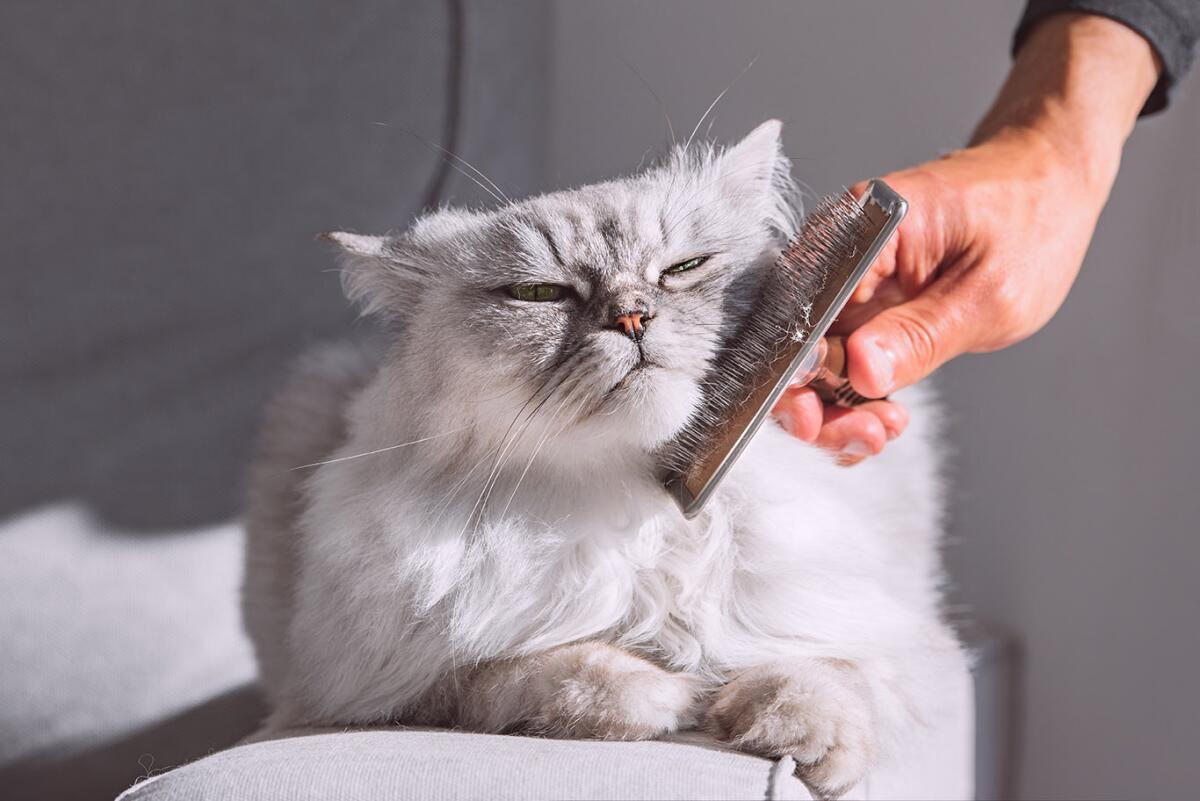
Calm voices and gentle touches help cats feel safe during grooming. Short sessions with breaks reduce anxiety and build trust. Using soft brushes and rewarding pets keeps grooming stress low.
Grooming your cat can sometimes feel like a daunting task, especially if your furry friend is not a fan of the process. But it doesn’t have to be stressful for either of you. By incorporating a few simple techniques, you can turn grooming into a more pleasant experience for your cat. The key is to focus on reducing stress, ensuring the process is as smooth and enjoyable as possible.Gentle Handling Methods
Start with a gentle touch. Approach your cat calmly and speak softly to create a soothing environment. Use slow movements to avoid startling your cat. Place your cat in a comfortable position, perhaps on your lap or a soft towel. This ensures they feel secure and reduces anxiety. If your cat shows signs of distress, pause and try again later.Using Positive Reinforcement
Reward your cat with treats or affection during grooming sessions. This can create a positive association with the activity. Consider using their favorite treats as a reward for good behavior. This encourages them to cooperate during grooming. Praise them verbally or give gentle strokes after each successful session. This reinforces the positive experience for both you and your cat.Short And Frequent Sessions
Avoid long grooming marathons. Instead, keep sessions brief and regular to maintain your cat’s comfort level. Aim for multiple short sessions each week rather than a single lengthy one. This helps your cat become accustomed to the routine without feeling overwhelmed. Short sessions also allow you to focus on specific areas one at a time, ensuring thorough grooming over a period of days. This technique prevents both you and your cat from feeling stressed or rushed.Dealing With Difficult Grooming Situations
Dealing with difficult grooming situations can test your patience and skills. Cats may show aggression or fear that makes grooming challenging. Understanding how to handle these reactions can make the process smoother and less stressful for both you and your feline friend.
Managing Aggression And Fear
When your cat becomes aggressive or fearful during grooming, pause and give them space. Trying to force the process often worsens their stress and resistance.
Use calming techniques like soft talking, gentle petting, or offering treats to create a positive association. Sometimes, wrapping your cat in a towel can protect you while keeping them secure.
- Keep grooming sessions short but frequent to build trust.
- Choose a quiet room with minimal distractions.
- Observe body language carefully—ears back or hissing signals it’s time to stop.
Have you noticed how your cat reacts to certain grooming tools? Switching to quieter clippers or softer brushes might reduce anxiety.
When To Seek Professional Help
Some cats are too stressed or aggressive for safe grooming at home. If your attempts cause injury or extreme distress, it’s wise to consult a professional groomer or veterinarian.
Professionals have experience and tools to handle difficult cats safely. They can also identify underlying health issues causing grooming problems, like skin infections or pain.
Consider professional help if you notice:
- Excessive biting or scratching during grooming
- Unusual withdrawal or aggression outside grooming times
- Physical signs like mats too tight to cut or skin irritation
Have you ever felt overwhelmed while grooming your cat? Getting expert help might be the best step for your pet’s well-being and your peace of mind.
Maintaining Long-term Grooming Habits
Maintaining long-term grooming habits is key to keeping your cat comfortable and healthy. Regular grooming not only prevents mats and tangles but also builds trust between you and your feline friend. It takes patience and consistency, but the benefits for both you and your cat are worth the effort.
Establishing A Routine
Set a specific time each day or week for grooming sessions. Cats thrive on routine, and having a predictable schedule reduces their anxiety. Start with short sessions and gradually increase the time as your cat becomes more comfortable.
Use positive reinforcement like treats or gentle praise to make grooming a pleasant experience. Pay attention to your cat’s mood and stop if they show signs of stress. How can you adjust your routine to fit your cat’s unique personality and preferences?
Monitoring Your Cat’s Health
Grooming offers a great chance to check your cat’s skin, coat, ears, and nails for any issues. Look for signs like redness, swelling, lumps, or unusual odors. Early detection of health problems can save you from costly vet visits later on.
Keep a simple log of any changes you notice during grooming sessions. This helps you track patterns and decide when to consult a veterinarian. Have you ever found a health issue during grooming that you might have missed otherwise?
Frequently Asked Questions
How Can I Reduce Stress During Cat Grooming?
Create a calm environment by using gentle tones and slow movements. Offer treats and take breaks often. Use familiar tools and avoid sudden actions to keep your cat comfortable and relaxed.
What Tools Help Minimize Cat Grooming Stress?
Use soft brushes and combs designed for cats. Avoid noisy clippers and harsh tools. Choose grooming items your cat is familiar with to reduce anxiety and create a positive grooming experience.
When Is The Best Time To Groom A Stressed Cat?
Groom your cat when it’s calm, such as after a nap or playtime. Avoid grooming when your cat is hungry, tired, or agitated to lessen stress and resistance.
How Do I Handle A Cat That Resists Grooming?
Stay patient and calm. Use treats and gentle praise to encourage cooperation. If your cat resists strongly, try shorter sessions or consult a professional groomer for advice.
Conclusion
Stress-free cat grooming helps keep your pet calm and healthy. Start grooming slowly and gently to build trust. Use soft brushes and quiet spaces to avoid scaring your cat. Short sessions work better than long ones. Always reward your cat with treats or praise.
Regular grooming prevents mats and skin problems. Remember, patience and care make grooming easier for both of you. A happy cat means a happy home. Keep practicing, and grooming will become a smooth routine. Your cat will thank you with purrs and cuddles.

Leave a Reply