Have you ever watched your cat carefully licking its fur and wondered what it really means? When your furry friend spends time grooming, is it just a habit, or a clear sign they feel happy and healthy?
Understanding your cat’s self-grooming habits can tell you a lot about their mood and well-being. Keep reading to discover why your cat’s grooming might be the secret signal that they feel great—and how you can spot the difference between contentment and concern.
This simple behavior could change the way you see your pet every day.
Cat Grooming Habits
Understanding your cat’s grooming habits can reveal a lot about their well-being. Grooming isn’t just about cleanliness; it’s a key part of how cats feel comfortable and secure. Watching your cat groom themselves might make you wonder if they’re feeling good or if something else is going on.
How Cats Groom Themselves
Cats use their tongues to clean their fur, which helps remove dirt, loose hair, and parasites. Their tongues have tiny, hook-like structures that act like a brush, smoothing their coat and spreading natural oils.
Besides licking, cats also use their paws to reach places their tongues can’t. They wet their paws and then rub them over their face and head. This method helps keep sensitive areas clean without causing irritation.
Have you noticed how your cat pauses during grooming? These breaks let them rest and adjust their position to reach every spot. It’s a careful and deliberate process, not a rushed one.
Frequency Of Self-grooming
Most cats groom themselves multiple times a day, often spending up to 50% of their waking hours on this activity. The exact frequency depends on factors like age, health, and environment.
Older cats or those feeling unwell might groom less, which could signal discomfort or illness. Conversely, excessive grooming might indicate stress or skin problems.
Pay attention to changes in your cat’s grooming routine. If your cat suddenly grooms more or less than usual, ask yourself what might have changed in their life or health. Are they stressed, bored, or experiencing pain?
Reasons Behind Self-grooming
Understanding why your cat spends so much time grooming can reveal a lot about their well-being. Self-grooming is more than just a habit; it serves several important purposes that keep your feline friend healthy and happy. Let’s look at the key reasons behind this behavior and what it might tell you about how your cat feels.
Hygiene And Cleanliness
Self-grooming helps cats stay clean by removing dirt, loose fur, and parasites from their coats. You might notice your cat licking their paws and then rubbing their face—that’s a precise way they clean areas that are hard to reach. Keeping their fur tidy also prevents matting and skin issues, which is essential for their overall health.
Have you ever seen your cat pause grooming to eat the furball they just cleaned? That’s a sign their body is managing excess hair effectively. When your cat grooms regularly, it often means they feel physically well enough to take care of themselves.
Stress Relief And Comfort
Grooming isn’t just about staying clean—it’s a calming activity for cats. When your cat feels anxious or uneasy, they might groom more to soothe themselves. This repetitive motion releases endorphins, which help reduce stress and create a sense of comfort.
If you notice your cat grooming excessively after a loud noise or a visit to the vet, it’s likely their way of coping. Next time your cat grooms in these situations, ask yourself how you can help them feel safer and more relaxed.
Temperature Regulation
Grooming also helps cats manage their body temperature. By licking their fur, they spread saliva that cools them down as it evaporates, much like sweat in humans. This natural cooling system is especially important on hot days or after physical activity.
Have you observed your cat grooming more during warm weather or after playtime? It’s their way of staying comfortable and preventing overheating. Understanding this can help you provide better care, like offering cool water or a shady spot for them to rest.
Positive Signs Of Self-grooming
Self-grooming is more than a routine for cats. It shows how they feel inside. When cats groom themselves, they express comfort and calmness. Watching this behavior helps understand their mood and health. Positive signs of self-grooming tell much about a cat’s well-being.
Indicators Of Contentment
A cat that grooms often is usually relaxed. Grooming helps cats stay calm and reduces stress. Cats purr softly while cleaning themselves, showing happiness. They take their time, licking gently and evenly. This care means the cat feels safe and satisfied.
- Regular grooming shows the cat is comfortable.
- Calm grooming signals a peaceful environment.
- Bright eyes and smooth fur often appear during grooming.
- Grooming with closed eyes suggests trust and ease.
Link Between Grooming And Health
Grooming keeps a cat’s coat clean and free of dirt. It removes loose fur and helps control parasites. Healthy cats groom to maintain skin health and shine. When a cat grooms less, it may mean illness or pain. Observing grooming habits helps spot health issues early.
| Grooming Behavior | Health Implication |
|---|---|
| Consistent grooming | Good skin and coat health |
| Excessive grooming | Stress or skin irritation |
| Reduced grooming | Possible illness or discomfort |
When Grooming Signals Problems
Grooming is a natural habit for cats. It usually shows they feel calm and healthy. Yet, sometimes grooming can mean trouble. Notice how often and how your cat grooms. Changes in grooming habits can signal health or emotional problems. Understanding these signs helps you care better for your pet.
Excessive Grooming And Anxiety
Too much grooming may show stress or anxiety. Cats might lick or bite their fur more than usual. This behavior can lead to bald spots or skin damage. Stress triggers include loud noises, new pets, or changes at home. Watch for repeated grooming in one area. It might mean your cat feels nervous or scared.
Signs Of Skin Issues Or Parasites
Grooming can increase when cats face skin problems. Parasites like fleas cause itching and discomfort. Cats scratch or bite to relieve this feeling. Look for redness, sores, or scabs on the skin. Hair loss in patches often points to skin trouble. Regular grooming can hide these signs, so check carefully.
How To Support Healthy Grooming
Cat self-grooming often shows they feel comfortable and healthy. Regular grooming helps keep their fur clean and skin healthy. Supporting this habit ensures your cat stays happy and well cared for.
Cats are known for their meticulous grooming habits. Self-grooming can indicate a cat feels content and healthy. To ensure your cat continues to groom effectively, provide the right support. Here’s how to create the ideal conditions for healthy grooming.Creating A Comfortable Environment
Cats need a stress-free space to thrive. Ensure their environment is calm and quiet. Provide cozy spots for them to relax and groom. A soft bed or blanket can encourage grooming. Keep their living area clean and free of disturbances.Regular Vet Checkups
Routine vet visits are essential for your cat’s health. Vets can spot issues affecting grooming habits. Dental problems or skin conditions may hinder grooming. Regular checkups help catch these problems early. Discuss any changes in grooming with your vet.Grooming Assistance Tips
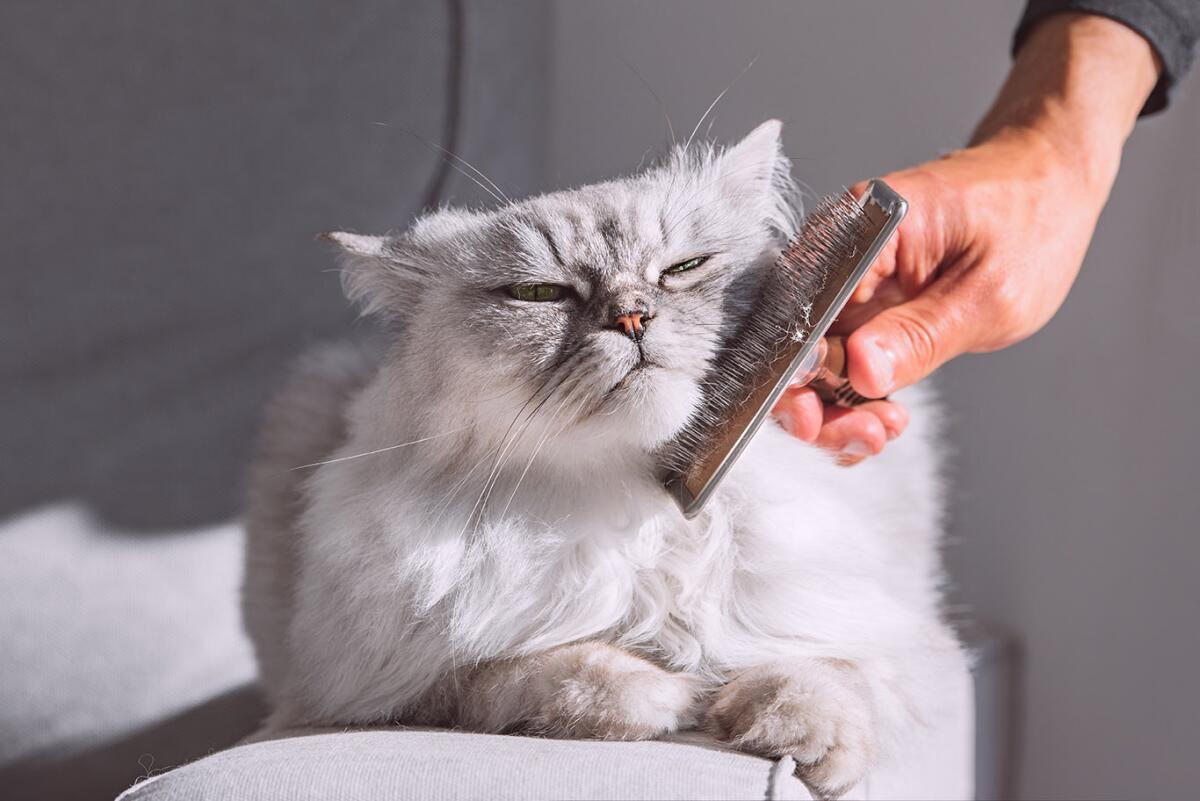
Sometimes cats need a little help. Brush your cat regularly to remove loose fur. This prevents hairballs and promotes healthy skin. Use cat-friendly grooming tools for best results. Be gentle to avoid stress or discomfort. Grooming sessions can strengthen your bond with your cat.Frequently Asked Questions
Does Self-grooming Show A Cat’s Happiness?
Yes, self-grooming often indicates a cat feels relaxed and content. Cats groom to maintain cleanliness and comfort, reflecting good health and emotional well-being.
Can Excessive Grooming Mean A Cat Is Stressed?
Yes, excessive grooming can signal stress or anxiety. It may lead to hair loss or skin irritation, so monitoring behavior is important.
How Does Grooming Affect A Cat’s Health?
Grooming helps remove dirt, loose fur, and parasites. It promotes healthy skin and fur, preventing infections and maintaining overall hygiene.
Do Cats Groom More When They Feel Safe?
Yes, cats groom more in safe and comfortable environments. Feeling secure encourages relaxation and regular grooming habits.
Conclusion
Cat self-grooming often shows they feel calm and happy. It helps them stay clean and relaxed. Cats that groom themselves usually have good health. Watching your cat groom can tell you a lot about their mood. When your cat grooms often, it means they feel safe around you.
Keep an eye on changes in grooming habits. This can signal if your cat feels stressed or unwell. Overall, self-grooming is a good sign your cat feels great.

Leave a Reply