Have you ever noticed your resident cat grooming a tiny kitten and wondered what it really means? It’s more than just a cute moment—it reveals important things about your cat’s behavior and emotions.
Understanding why your cat grooms a kitten can help you connect better with your furry friend and create a happier home for both of them. Keep reading to discover the surprising reasons behind this behavior and what it tells you about your cat’s world.
Resident Cat Grooming Behavior
Resident cat grooming behavior is a common and natural action seen among cats living together. It is more than just cleaning. Grooming helps cats connect and show care. It plays an important role in their daily life and relationships.
Why Cats Groom Each Other
Cats groom each other to keep clean and comfortable. They reach places hard to clean alone, like the head and neck. Grooming also helps reduce stress and calm them down.
This behavior keeps their fur smooth and healthy. It can stop fleas or dirt from spreading. Grooming is part of their natural routine.
Social Bonds And Grooming
Grooming builds strong social bonds between cats. It shows trust and friendship. Cats that groom each other usually get along well.
This action helps cats feel safe in their group. It creates a sense of belonging and peace. Grooming can stop fights and keep harmony.
Signs Of Affection In Grooming
When a cat grooms another, it shows affection and care. It is a gentle, loving act. Cats purr or knead while grooming to express happiness.
Grooming is a way to say “you are family.” It helps cats stay close and connected. It is a simple but powerful sign of love.
Kitten Grooming Explained
Kitten grooming is more than just keeping fur clean. It is a key part of how kittens bond and learn. Grooming helps kittens feel safe and loved. It also teaches them social skills they need as they grow. Understanding kitten grooming gives insight into their behavior and needs.
How Kittens Communicate Through Grooming
Kittens use grooming to send messages. They lick each other to show trust. This act calms and comforts them. Grooming can say, “You are part of my family.” It helps kittens build strong friendships. It also reduces stress and fear in new environments.
Grooming As A Learning Tool
Grooming teaches kittens about their bodies. They learn what feels good and what does not. It helps them practice gentle touch with others. Grooming also shows them how to care for themselves. This skill is important for their health and hygiene. Kittens watch adults and copy their grooming habits.
When Kittens Groom Adults
Kittens groom adult cats to show respect and love. This action helps them feel safe with older cats. Adults often accept this as a sign of friendship. Grooming adults also helps kittens feel included in the group. It is a way to build trust between kittens and adult cats.
Surprising Reasons Behind Grooming
Grooming is more than just cleaning for resident cats. It plays many roles in their daily life. Often, it helps cats feel calm and safe. It also serves as a way to communicate with other cats. Grooming impacts their health in many positive ways.
Stress Relief Through Grooming
Grooming helps cats reduce stress. When a cat feels nervous, licking fur soothes its nerves. This action releases calming chemicals in the brain. Cats often groom themselves after loud noises or changes in their environment. This habit helps them regain balance and feel relaxed.
Territorial Marking
Grooming leaves a cat’s scent on its body. This scent acts like a marker to other cats. It shows ownership of a space or object. When cats groom each other, it strengthens their bond. It also signals that they belong to the same group. This behavior helps avoid fights and confusion.
Health And Hygiene Benefits
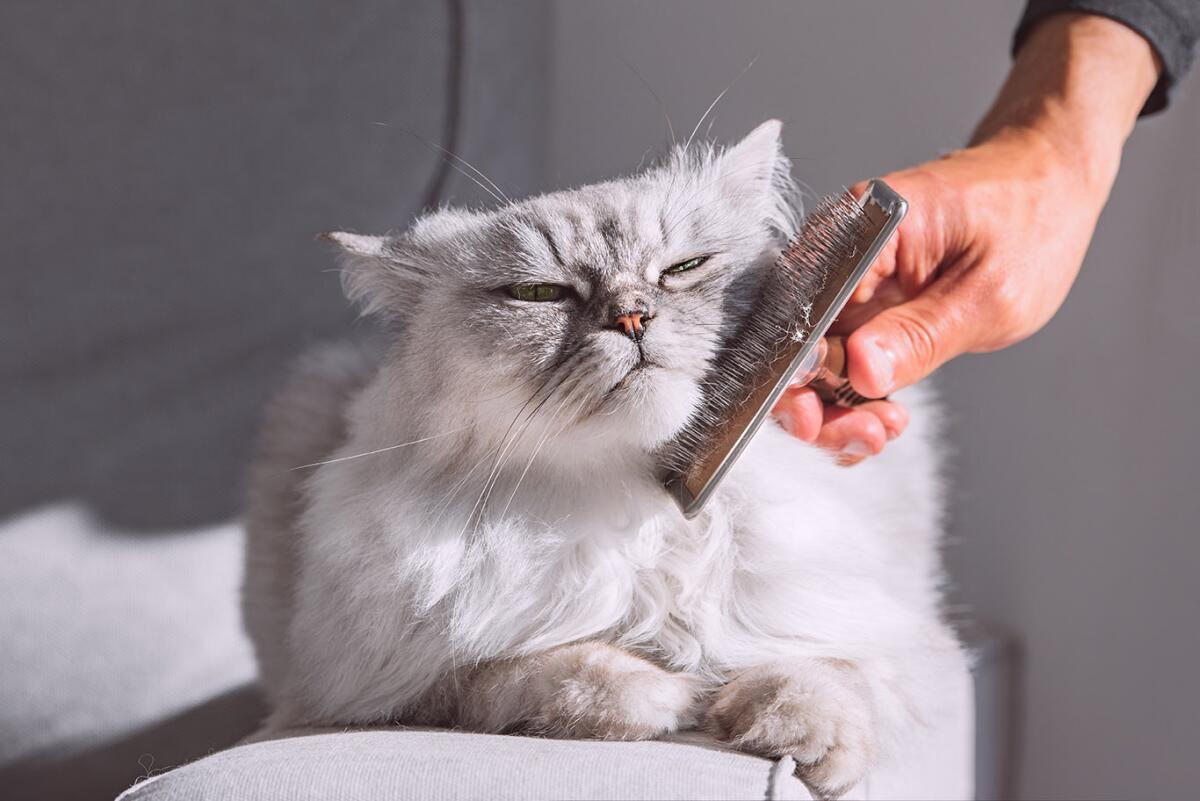
Grooming keeps a cat’s fur clean and free of dirt. It removes loose hair and reduces shedding. Regular grooming helps prevent skin problems and parasites. It also improves blood flow and skin health. Cats stay healthier and more comfortable by grooming often.
What Grooming Reveals About Relationships
Grooming between resident cats reveals much more than cleanliness; it uncovers the hidden layers of their social lives. Each lick and nibble serves as a silent conversation about their bond and standing within the group. Observing these interactions closely can teach you a lot about how cats communicate their feelings and manage relationships.
Hierarchy And Dominance
Grooming often reflects the social ranking among cats. Typically, higher-ranking cats groom those lower in the pecking order, asserting control without aggression. If you notice one cat grooming another consistently, it might be signaling dominance rather than just affection.
Have you seen a cat refuse grooming or try to break away? That resistance can indicate discomfort with the hierarchy or a challenge to the established order. Watching these subtle signs helps you understand the power dynamics at play.
Building Trust And Security
Mutual grooming is a strong indicator of trust and friendship. When cats groom each other voluntarily, it shows they feel safe and secure together. This behavior can help new cats settle into a household by creating bonds through gentle care.
You might notice your cats groom each other after stressful events. This acts like a calming ritual that reduces anxiety and strengthens their connection. Do your cats ever seek out grooming after you’ve introduced a new pet or changed their environment?
Resolving Conflicts
Grooming can also serve as a peace offering after disagreements. Cats may lick each other to smooth over tension and avoid escalation. This shows a willingness to restore harmony and prevent fights.
Pay attention if grooming increases after rough play or disputes. It’s their way of saying, “Let’s move past this.” Encouraging positive interactions like grooming can help you manage your cats’ relationships and reduce stress in your home.
When Grooming Signals A Problem
A resident cat grooming a kitten can show care or stress. Sometimes, it signals health or social problems. Watching their behavior helps understand if they need help.
When grooming signals a problem, it’s crucial to pay attention to your cat’s behavior. While grooming is a natural and often soothing activity for cats, changes in grooming habits can indicate underlying issues. Understanding these signals can help you address potential problems before they escalate.Over-grooming And Anxiety
Cats may over-groom themselves due to anxiety, creating bald patches or irritated skin. This behavior can be a response to changes in their environment, such as a new pet or moving to a new home. If you notice your cat grooming excessively, consider what might be causing stress and find ways to create a calm environment.Ignoring Grooming Needs
On the flip side, a cat that stops grooming altogether might be experiencing discomfort or illness. If your usually tidy cat suddenly appears unkempt, it could be due to pain or mobility issues preventing them from reaching certain areas. Observing these changes and consulting a vet can help address the root cause.Signs Of Illness
A change in grooming habits can also indicate illness. Cats often hide their pain, so altered grooming patterns might be one of the first visible signs that something is wrong. If your cat’s grooming behavior shifts, keep an eye on other symptoms such as changes in appetite or energy levels, and seek veterinary advice if needed. By staying attentive to your cat’s grooming habits, you can ensure their well-being and address potential issues early. Have you noticed any unusual grooming behaviors in your feline friend lately?Encouraging Positive Grooming
Encouraging positive grooming helps cats feel safe and calm. Grooming is a natural behavior that builds trust between cats. It can reduce stress and promote healthy skin. Creating the right environment and paying attention to their habits supports this behavior.
Creating A Comfortable Environment
Provide cozy spaces where cats can relax without noise or disturbance. Soft bedding and quiet corners invite cats to groom peacefully. Keep the area clean and free of strong smells that might bother them. Use gentle lighting to make the space inviting. A calm environment encourages cats to groom calmly and happily.
Introducing New Cats
Introduce new cats slowly and carefully to avoid stress. Allow them to meet through a barrier at first, like a screen or door. Watch their reactions and separate them if they seem upset. Gradually increase their time together as they grow comfortable. Slow introductions help cats form positive grooming bonds.
Monitoring Grooming Patterns
Watch how often and where cats groom each other. Healthy grooming is gentle and consistent over time. Excessive licking or biting may signal stress or skin problems. Note any changes in grooming habits and consult a vet if needed. Tracking grooming patterns ensures cats stay happy and healthy.
Frequently Asked Questions
What Does It Mean When A Resident Cat Grooms A Kitten?
When a resident cat grooms a kitten, it shows acceptance and bonding. Grooming helps build trust and comfort between cats. It also teaches the kitten proper hygiene and social skills.
Why Do Cats Groom Other Kittens In The House?
Cats groom other kittens to express care and establish social hierarchy. It reduces stress and strengthens their relationship. Grooming is a natural behavior that promotes group harmony.
Can Grooming Indicate A Cat’s Affection For A Kitten?
Yes, grooming is a strong sign of affection. Cats use grooming to nurture and reassure kittens. It reflects a positive and protective attitude toward the young cat.
How Does Grooming Affect Kitten’s Development?
Grooming helps kittens stay clean and healthy. It also teaches them social cues and behavior. This interaction promotes emotional growth and bonding with older cats.
Conclusion
Resident cats grooming kittens shows care and bonding. It helps kittens stay clean and feel safe. This behavior teaches kittens important social skills. Watching this can make you understand cat feelings better. It also means the resident cat accepts the kitten.
Remember, patience is key when cats meet and bond. Enjoy seeing these small moments of love and trust. They reveal how cats communicate without words. Caring for both cats helps strengthen their connection. This natural act is a beautiful sign of friendship.

Leave a Reply