Is your cat spending too much time licking or biting its fur? Excessive grooming can be a sign that something is wrong, and it’s natural to worry about your furry friend.
You might be wondering what’s causing this behavior and, more importantly, what you can do to help. You’ll discover simple, effective steps to calm your cat and keep it healthy and happy. Keep reading to find out how to stop excessive grooming before it leads to bigger problems.
Causes Of Excessive Grooming
Excessive grooming in cats can be puzzling and concerning. Understanding the root causes helps you provide the right care and comfort. Let’s look at the common reasons behind this behavior so you can identify what might be affecting your feline friend.
Medical Issues
Sometimes, excessive grooming signals a health problem. Skin infections, wounds, or pain can make your cat lick or scratch more than usual. If you notice bald patches or sores, a vet visit is essential to rule out issues like dermatitis or arthritis.
I once noticed my cat obsessively licking one paw. It turned out to be a small hidden cut. Treating that healed the behavior quickly.
Stress And Anxiety
Your cat may groom excessively to cope with stress or anxiety. Changes in routine, new pets, or loud noises can trigger this behavior. Watch for other signs like hiding or loss of appetite, which often accompany anxiety.
Ask yourself: Has anything changed recently at home? Identifying stressors can help you create a calmer environment for your cat.
Allergies And Parasites
Allergies to food, pollen, or household chemicals can irritate your cat’s skin, leading to over-grooming. Parasites such as fleas are another common cause. Even if you don’t see fleas, your cat might be reacting to their bites.
Regular flea prevention and a vet-approved diet can reduce the chances of these problems. Have you checked your cat’s living area for potential allergens or pests?
Boredom And Environmental Factors
A bored or under-stimulated cat might groom excessively just to pass the time. Cats need mental and physical activity to stay balanced. Lack of toys, interaction, or outdoor views can make your cat fixate on grooming.
Try adding puzzle feeders, new toys, or dedicated playtime to your cat’s day. Could your cat’s environment be missing the stimulation it needs?
Identifying Symptoms
Recognizing the signs of excessive grooming in your cat is crucial before taking any action. It helps you understand the underlying issue and decide whether a visit to the vet is necessary. Watching closely for specific symptoms can save your cat from discomfort and further health problems.
Skin Irritation And Hair Loss
Check your cat’s skin for redness, swelling, or small bumps. These signs often mean your cat is over-grooming due to irritation or allergies.
Notice if your cat has bald patches or thinning fur. Hair loss usually points to persistent licking or biting in a particular area.
Have you seen scabs or open sores? These may be a result of your cat’s constant grooming, which can break the skin and cause infection.
Behavioral Changes
Pay attention if your cat seems restless or anxious more than usual. Stress and anxiety often trigger excessive grooming as a coping mechanism.
Is your cat hiding or avoiding interaction? These changes could indicate discomfort or emotional distress linked to grooming habits.
Try to observe if your cat grooms immediately after stressful events, like loud noises or new people at home. This connection can help you address the root cause.
Frequency And Duration Of Grooming
Notice how often your cat grooms throughout the day. Grooming more than usual or spending long periods licking one spot can signal a problem.
Compare with normal grooming behavior; cats usually groom for short, regular intervals.
Ask yourself: Has your cat’s grooming increased recently? Sudden changes often reveal a new health or emotional issue needing your attention.
Veterinary Diagnosis
Excessive grooming in cats can be more than just a quirky habit—it often signals underlying health or behavioral issues. To address this effectively, a thorough veterinary diagnosis is essential. Understanding the root cause helps you provide the right care and prevents further harm to your feline friend.
Physical Examination
The vet starts by closely examining your cat’s skin and fur. They look for signs like redness, swelling, wounds, or hair loss that might explain the grooming. Checking for parasites such as fleas or mites is also crucial since these can cause intense itching and discomfort.
Your vet may also assess your cat’s overall health, including weight and hydration. Sometimes, excessive grooming links to pain or an internal problem you wouldn’t expect. Have you noticed your cat limping or acting differently? Mentioning these details can guide the vet’s assessment.
Allergy Testing
Allergies often trigger a cat’s urge to groom excessively. The vet might suggest allergy testing to pinpoint specific irritants. These could be food ingredients, environmental factors like pollen, or even household chemicals.
Testing methods include skin tests or blood tests, which help identify allergens causing your cat’s discomfort. Knowing the exact triggers means you can adjust your cat’s diet or living space to reduce exposure. Have you changed any products or foods recently that might have upset your cat?
Behavioral Assessment
If physical causes are ruled out, a behavioral evaluation becomes important. Stress, anxiety, or boredom can lead cats to overgroom as a coping mechanism. The vet or a behaviorist will look at your cat’s environment and daily routine to spot stressors.
They may ask about changes in your household, like new pets, moving, or altered schedules. Simple adjustments, such as more playtime or safe hiding spots, can significantly reduce stress-driven grooming. Have you observed your cat’s behavior during different times of the day or after specific events?
Medical Treatments
Excessive grooming in cats can signal underlying health problems. Medical treatments help address these issues directly. Vets often recommend specific medications and therapies to reduce over-grooming and its causes. Prompt treatment improves your cat’s comfort and skin health.
Medications For Skin Conditions
Skin infections or allergies cause itching and discomfort. Vets prescribe antibiotics or antifungal creams to heal infections. Steroid creams reduce inflammation and soothe irritated skin. These medicines stop itching and prevent further damage from licking or scratching.
Parasite Control
Parasites like fleas and mites cause intense itching. Flea treatments include topical drops, sprays, or oral tablets. Regular parasite control keeps your cat free from pests. Removing parasites stops the cycle of itching and over-grooming quickly.
Anti-anxiety Drugs
Stress and anxiety can trigger excessive grooming. Vets may suggest anti-anxiety medications or calming supplements. These drugs help reduce nervous behaviors and restlessness. Combined with behavior changes, medicine can calm your cat’s mind and body.
Behavioral Solutions
Cats sometimes groom excessively due to stress or boredom. Behavioral solutions can help reduce this habit. By understanding your cat’s needs, you can improve their well-being. Focus on providing a stimulating and stress-free environment for your feline friend.
Environmental Enrichment
Cats need mental and physical stimulation. Provide toys and puzzles to keep them engaged. Offer scratching posts and cat trees for climbing. Place them near windows for natural entertainment. Rotate toys to maintain interest. A variety of activities can prevent boredom-related grooming.
Stress Reduction Techniques
Identify stress triggers in your cat’s environment. Create safe spaces where they can retreat. Use pheromone diffusers to promote relaxation. Maintain a consistent daily routine. This helps reduce anxiety and excessive grooming.
Interactive Playtime
Engage your cat with regular play sessions. Use wand toys and laser pointers for active play. Spend at least 15 minutes a day playing. This strengthens your bond and reduces stress. Interactive play helps satisfy their hunting instincts. It can significantly reduce excessive grooming.
Home Care Tips
Excessive grooming in cats can signal stress or health issues. Home care helps ease their discomfort and stops over-grooming. Simple steps at home can make a big difference in your cat’s well-being. Focus on calm, gentle care that supports your cat’s natural habits.
Proper Grooming Routine
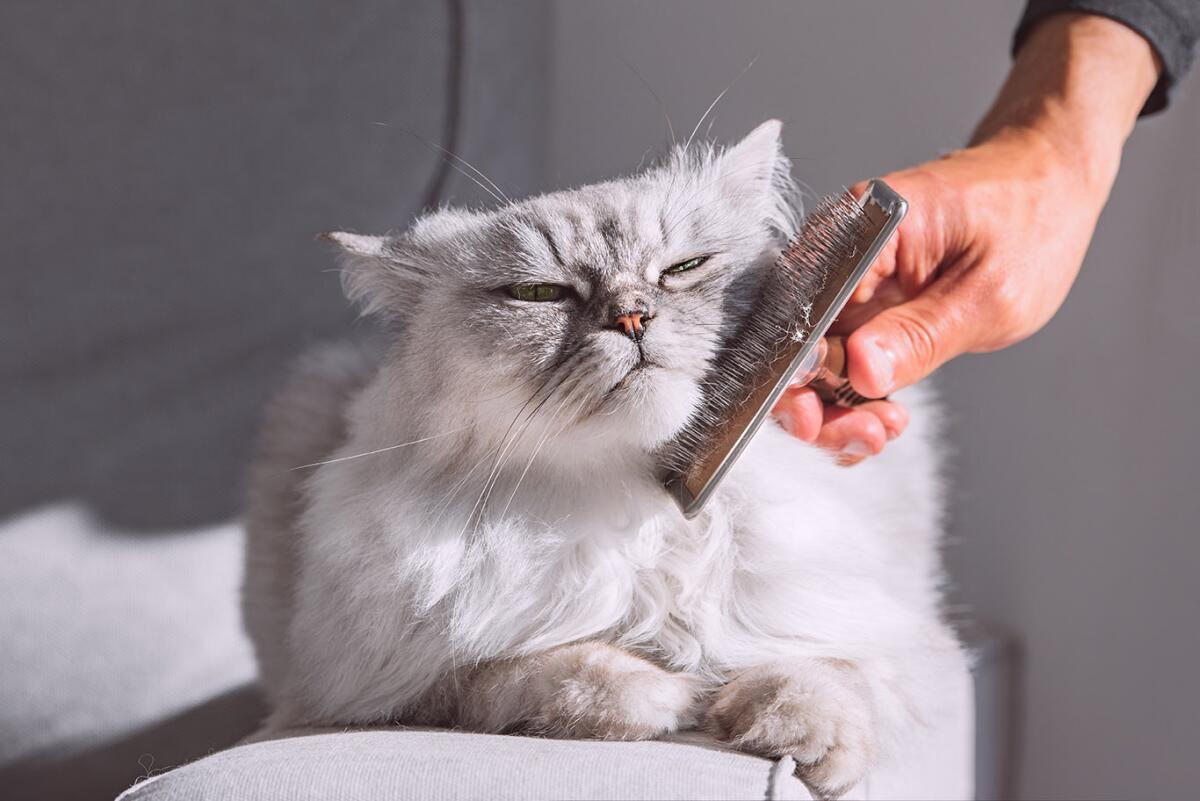
Brush your cat regularly to remove loose fur and dirt. Use a soft brush suited for your cat’s coat type. Grooming sessions should be short and calm to avoid stress. Pay attention to sensitive spots and avoid pulling on mats. Regular grooming reduces the need for your cat to over-groom itself.
Dietary Adjustments
Feed a balanced diet rich in omega-3 and omega-6 fatty acids. These nutrients support healthy skin and coat. Avoid foods that cause allergies or digestive upset. Introduce new foods slowly to watch for reactions. Consult your vet for diet plans tailored to your cat’s needs.
Safe Space Creation
Create a quiet, cozy spot where your cat feels safe and relaxed. Use soft bedding and keep the area free from loud noises. Provide hiding places like boxes or cat tents. A calm environment reduces stress, which helps prevent excessive grooming. Spend quiet time with your cat in this space to build trust and comfort.
When To Seek Professional Help
Excessive grooming in cats can indicate more than just a quirky habit. Sometimes, it signals deeper health or emotional issues. Knowing when to seek professional help is crucial for your cat’s well-being. Early intervention can prevent serious harm and improve your cat’s quality of life.
Signs Of Worsening Condition
- Open sores or bleeding on the skin
- Hair loss in large patches
- Redness or swelling on the body
- Cat seems restless or anxious constantly
- Grooming behavior increases despite home care
- Changes in appetite or sleep patterns
- Signs of pain when touched
These signs suggest the condition is worsening. Professional care is needed to avoid infection or lasting damage.
Finding A Veterinary Behaviorist
A veterinary behaviorist specializes in animal behavior problems. They can identify causes behind excessive grooming.
Find a board-certified veterinary behaviorist through:
- American College of Veterinary Behaviorists website
- Local veterinary clinics and hospitals
- Recommendations from your primary vet
They offer tailored treatment plans including medication and behavior modification. Their help is vital when stress or anxiety drives grooming.
Frequently Asked Questions
What Causes Excessive Grooming In Cats?
Excessive grooming in cats can be caused by stress, allergies, parasites, or skin infections. Identifying the cause helps in providing effective treatment. Sometimes, boredom or anxiety triggers this behavior, leading to hair loss and skin damage.
How Can I Stop My Cat From Over-grooming?
To stop over-grooming, reduce stress and provide mental stimulation. Use calming sprays or pheromone diffusers. Consult a vet to rule out medical issues like allergies or parasites. Regular grooming and playtime also help distract your cat.
When Should I See A Vet For My Cat’s Grooming?
See a vet if your cat has bald spots, sores, or red skin from grooming. Persistent licking or biting can indicate underlying health problems. Early diagnosis ensures timely treatment and prevents further skin damage.
Can Diet Affect A Cat’s Grooming Habits?
Yes, poor diet can cause skin issues leading to excessive grooming. A balanced diet with essential fatty acids supports healthy skin and coat. Consult your vet for appropriate food recommendations to improve your cat’s condition.
Conclusion
Excessive grooming can stress your cat and cause skin problems. Watch your cat’s behavior closely and note any changes. Provide a calm, safe space to help reduce stress. Regular vet visits can find health issues early. Use gentle grooming tools and keep your cat’s coat clean.
Small changes in your cat’s routine may make a big difference. Stay patient and kind while helping your furry friend feel better. Your care can improve your cat’s happiness and health.

Leave a Reply