Is your cat’s thick, fluffy coat turning into a daily challenge? Grooming a hairy cat might seem overwhelming, but with the right tips, you can make it easier for both you and your furry friend.
Imagine a smooth, tangle-free coat that shines and feels soft to the touch. Wouldn’t that make cuddles even better? In this guide, you’ll discover simple, effective ways to keep your cat’s fur healthy and beautiful. Ready to transform your grooming routine and keep your cat comfortable and happy?
Let’s dive in.
Choosing The Right Tools
Choosing the right tools is the first step to making grooming a hairy cat manageable and even enjoyable. The right equipment can protect your cat’s skin, reduce shedding, and prevent painful mats. Without good tools, grooming sessions can become frustrating for both you and your feline friend.
Brush Types For Long Fur
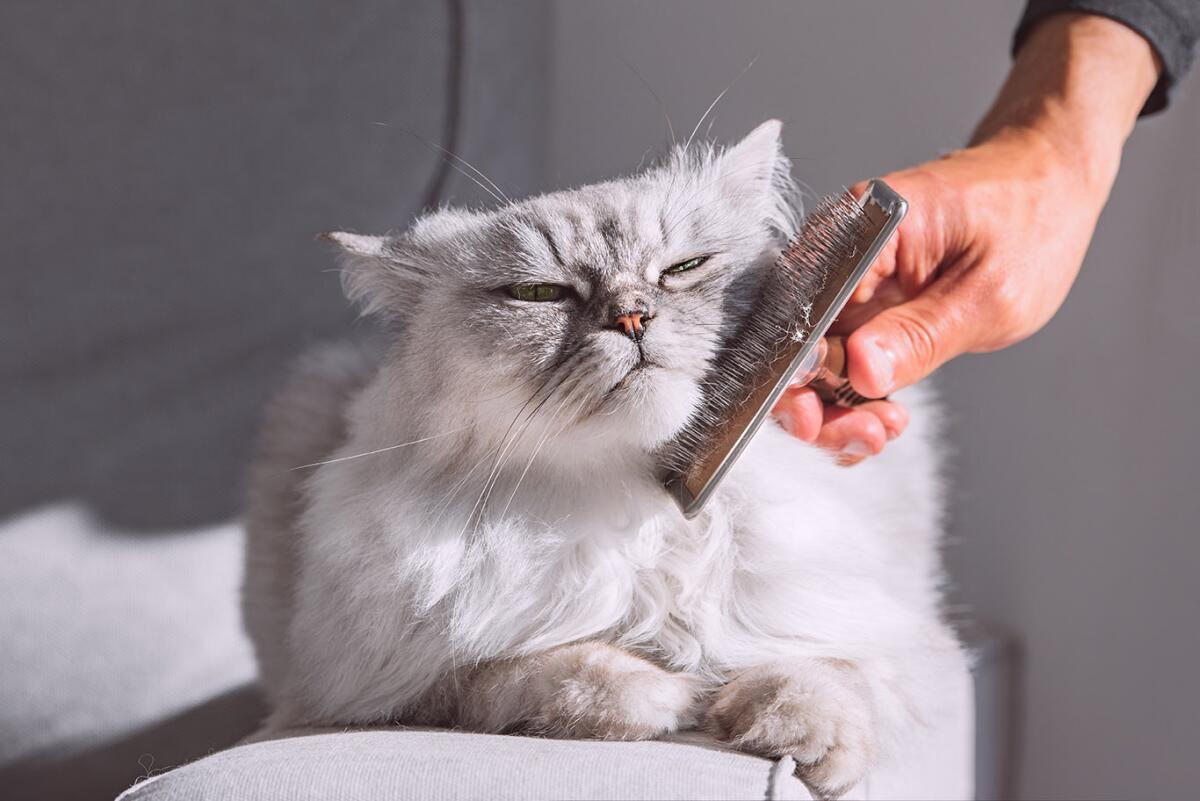
Long-haired cats need brushes designed to reach through thick layers. Slicker brushes are popular because their fine wires remove loose hair and dirt without hurting your cat. Pin brushes work well for fluffier coats and help smooth the fur gently.
Try both types to see which your cat prefers. Some cats hate the feeling of metal wires, so a softer brush might calm them. Have you noticed how your cat reacts to different brushes? That can tell you a lot about what works best.
Combs And Dematting Tools
A sturdy comb is essential to catch tangles before they turn into mats. Look for wide-toothed combs to start, then move to finer teeth for delicate areas like around the face. Dematting tools are lifesavers for stubborn clumps but use them carefully to avoid hurting your cat.
If you’ve ever struggled with painful mats, you know how important it is to have the right tool ready. Investing in a quality dematting rake can save your cat’s skin and your patience. What’s your biggest challenge with mats? That will guide your tool choice.
Bathing Supplies
Bathing a hairy cat needs gentle but effective products. Use a mild cat-specific shampoo that won’t dry out the skin or strip natural oils. A non-slip mat in the sink or tub helps keep your cat steady and reduces stress during bath time.
Don’t forget a soft towel and a pet-safe conditioner to keep the fur soft and manageable after washing. Bathing supplies may seem basic, but the right shampoo and conditioner can make a huge difference in how your cat’s fur feels and looks. Do you have a favorite shampoo that your cat tolerates well?
Preparing Your Cat
Preparing your hairy cat for grooming is important to ensure a smooth experience. Cats can feel stressed during grooming, so preparation helps them stay calm. A relaxed cat is easier to groom and less likely to resist.
Creating A Calm Environment
Choose a quiet room with few distractions. Soft lighting helps your cat feel safe. Avoid loud noises and sudden movements around the cat. Play gentle music if your cat enjoys it. Keep the room warm to make your cat comfortable.
Getting Your Cat Comfortable
Spend a few minutes petting your cat before grooming. Use slow, gentle strokes to relax them. Let your cat sniff and explore the grooming tools first. Talk softly to reassure your cat during the process. If your cat shows signs of stress, pause and try again later.
Gathering Necessary Supplies
Have all grooming tools ready before you start. Common supplies include:
- A wide-toothed comb
- A slicker brush
- Cat-safe detangler spray
- Scissors for trimming mats
- A soft towel for clean-up
Keep treats nearby to reward your cat for good behavior. This makes grooming a positive experience.
Brushing Techniques
Brushing a hairy cat is more than just a routine; it’s a way to keep their coat healthy and comfortable. Using the right brushing techniques can make a significant difference in managing their thick fur. Let’s look at how you can brush your cat effectively while caring for their skin and coat.
Detangling Knots And Mats
Start by gently separating any knots with your fingers before using a brush. Mats can be painful if pulled too hard, so patience is key. Use a wide-toothed comb to loosen tough mats slowly, working from the edges inward.
If you find a mat that won’t budge, try applying a bit of detangling spray made for pets. This softens the fur and makes brushing easier. Have you noticed your cat’s favorite spots for mats? Focus extra attention there to prevent future tangles.
Avoiding Skin Irritation
Brush with gentle strokes to avoid scratching or irritating your cat’s skin. Pay close attention to sensitive areas like the belly and behind the ears. If your cat flinches or pulls away, slow down and check for redness or bumps.
Using a brush with soft bristles can help reduce discomfort. Regularly clean your brush to prevent dirt and oils from causing irritation. How does your cat react to brushing—do they seem relaxed or uneasy? Adjust your technique based on their comfort level.
Brushing Frequency
For hairy cats, daily brushing is ideal to keep their fur free from tangles and reduce shedding. If daily sessions aren’t possible, aim for at least three to four times a week. Consistency helps your cat get used to grooming and keeps their coat in top shape.
Short, frequent sessions work better than long, infrequent ones. This prevents your cat from getting overwhelmed or stressed. What’s your current brushing routine, and how does your cat respond to it?
Bathing Your Hairy Cat
Bathing your hairy cat is essential for keeping its coat clean and healthy. Regular baths remove dirt, loose fur, and oils that brushing alone cannot handle. Bath time can be a calm and positive experience with the right approach. Prepare everything you need before starting to make the process smooth for both you and your cat.
Choosing The Right Shampoo
Select a shampoo made specifically for cats. Avoid human shampoos as they can irritate your cat’s skin. Look for gentle formulas that moisturize and reduce tangles. Shampoos with natural ingredients like aloe or oatmeal work well. Avoid strong scents or harsh chemicals that can upset your cat.
Step-by-step Bathing Process
- Brush your cat to remove loose fur and mats.
- Fill the tub with warm water, about 3-4 inches deep.
- Gently place your cat in the water, speaking softly to calm it.
- Wet your cat’s fur using a cup or sprayer, avoiding the face.
- Apply a small amount of shampoo and lather gently.
- Rinse thoroughly to remove all shampoo.
- Use a washcloth to clean the face carefully.
- Keep water away from ears and eyes.
Drying Tips
Wrap your cat in a soft towel immediately after the bath. Pat dry to remove excess water without rubbing. Use multiple towels if needed to absorb more moisture. If your cat allows, use a low-heat hairdryer on the lowest setting. Keep the dryer moving and avoid staying too close to the skin. Make sure your cat stays warm until fully dry.
Trimming And Clipping
Trimming and clipping help keep a hairy cat’s coat neat and healthy. Use sharp, clean scissors or clippers gently to avoid hurting the cat. Regular grooming stops mats and reduces shedding.
Trimming and clipping a hairy cat can be a daunting task. These fluffy companions require regular grooming to maintain their health and comfort. Properly managing your cat’s fur and nails not only keeps them looking neat but also prevents health issues. Let’s explore how to safely groom your hairy cat with these key techniques.Safely Trimming Fur
Trimming a cat’s fur requires patience and care. Use sharp scissors designed for pets. Always ensure your cat is calm before starting. Gently hold your cat to avoid sudden movements. Trim small sections of fur at a time. Avoid cutting too close to the skin. Look for mats or tangles in the fur. Use a comb to detangle before trimming. If the fur is very matted, consult a professional groomer.Nail Clipping Basics
Nail clipping is essential for a cat’s health. Use a cat nail clipper for best results. Hold your cat’s paw gently but firmly. Press the pad to extend the nail. Only clip the sharp tip, avoiding the pink area. The pink area, or quick, is sensitive and can bleed. If unsure, trim small amounts gradually. Offer treats to keep your cat calm during the process. Regular clipping prevents overgrown nails and discomfort.When To Seek Professional Help
Sometimes professional help is necessary. If your cat becomes stressed during grooming, consult a vet or groomer. Seek help for severe matting or skin issues. Professional groomers have tools and experience to handle tough situations. They can also give advice on home grooming techniques. Regular professional grooming ensures your cat’s fur and nails are in top condition.Managing Shedding
Managing shedding in hairy cats is crucial for keeping both your feline friend and your home comfortable. Shedding varies throughout the year and understanding these patterns helps you plan your grooming sessions better. Plus, controlling loose fur can reduce allergies and keep your furniture fur-free.
Seasonal Shedding Patterns
Hairy cats shed more during spring and fall as they adjust their coats for changing temperatures. This natural process means you’ll notice more loose fur during these seasons. Paying extra attention to grooming during these times can prevent mats and tangles from forming.
Not all cats shed the same way—some may have brief, intense shedding periods, while others lose fur gradually. Observing your cat’s behavior and coat can help you predict when heavy shedding will start. Have you noticed your cat leaving fur trails after petting them in spring?
Reducing Loose Fur Around The Home
Regular brushing is your best tool to catch loose fur before it spreads around your house. Using a slicker brush or a de-shedding tool can remove undercoat fur effectively. Aim for short, daily sessions especially during heavy shedding seasons.
Vacuuming frequently and using lint rollers on furniture also reduce fur buildup. Consider washable furniture covers to protect your sofas and beds. Another trick: keep your cat’s sleeping areas clean to minimize fur dispersion throughout rooms.
- Brush your cat in a well-lit area to see loose fur clearly
- Wear old clothes or a grooming apron to avoid fur sticking to your outfit
- Reward your cat with treats after grooming to make it a positive experience
What other small changes can you make in your daily routine to keep shedding under control? Sometimes, a few minutes of focused effort can make a big difference in managing your cat’s fur around the home.
Common Grooming Challenges
Grooming a hairy cat comes with its own set of challenges that can test your patience and skills. Understanding these common issues helps you prepare better and keep your feline friend comfortable. Let’s look at some hurdles you might face and how to tackle them effectively.
Dealing With Aggressive Behavior
Some cats resist grooming with sudden scratches or bites. This often happens because they feel trapped or uncomfortable. You can try calming your cat by speaking softly and using slow, gentle movements.
If your cat becomes aggressive, take breaks during grooming sessions. Short, frequent sessions work better than long ones. You might also use treats to create positive associations with grooming.
Handling Sensitive Skin
Hairy cats often have delicate skin that can get irritated easily. Avoid harsh brushes or combs that pull too hard on the fur. Instead, choose grooming tools with soft bristles designed for sensitive skin.
Watch for redness or flaking during grooming. If you notice any signs of irritation, stop and consult your vet. Regularly moisturizing your cat’s skin with vet-approved products can also help reduce dryness.
Preventing Hairballs
Hairballs are a common problem for long-haired cats, and grooming plays a key role in prevention. Brushing your cat daily removes loose fur before it can be swallowed. This simple habit reduces the amount of hair your cat ingests.
Adding fiber to your cat’s diet can also aid digestion and help pass hairballs naturally. Have you noticed your cat coughing or hacking more often? These could be signs hairballs are building up.
Maintaining A Healthy Coat
Regular brushing removes loose fur and prevents mats in hairy cats. Using the right comb keeps their coat soft and healthy. Gentle grooming also helps spot skin issues early.
Maintaining a healthy coat is crucial for your hairy cat’s overall well-being. A glossy, tangle-free coat not only looks beautiful but also indicates good health. Proper grooming is more than just brushing; it requires a holistic approach that begins with what goes into your cat’s body.Nutrition And Hydration
A balanced diet is the foundation of a healthy coat. Ensure your cat’s meals are rich in essential fatty acids and proteins, which are vital for maintaining shiny fur. Additionally, keep your cat hydrated. Fresh water should always be available, as dehydration can lead to dry skin and a dull coat.Regular Vet Checkups
Frequent vet visits are essential for catching any underlying health issues early. These checkups can identify problems that could affect your cat’s skin and fur, such as allergies or parasites. Your vet can also provide tailored advice on the best grooming products and techniques for your feline friend.Supplements For Skin And Fur
Sometimes, diet alone isn’t enough to maintain a luscious coat. Supplements like fish oil can provide additional nutrients that support skin health. Before adding any supplements, consult with your vet to ensure they’re safe and beneficial for your cat’s specific needs. By focusing on these key areas, you can help your hairy cat flaunt a healthy, vibrant coat. Have you noticed any changes in your cat’s fur when you adjust their diet or grooming routine? Your observations could be the key to unlocking a healthier coat.Frequently Asked Questions
How Often Should I Groom A Hairy Cat?
Groom your hairy cat daily to prevent matting and tangles. Regular brushing removes loose hair and reduces shedding. Consistent grooming promotes healthy skin and coat.
What Tools Are Best For Grooming A Hairy Cat?
Use a wide-tooth comb, slicker brush, and grooming scissors. These tools help detangle, remove loose fur, and trim mats safely. Choose pet-specific, gentle grooming tools.
How Do I Prevent Hairballs In Hairy Cats?
Regular grooming reduces loose fur your cat swallows. Provide hairball control food and plenty of water. Consult your vet for hairball remedies if needed.
Can Grooming Reduce Shedding In Long-haired Cats?
Yes, grooming removes loose hair and reduces shedding. Frequent brushing helps control hair spread around your home. It also keeps your cat’s coat healthy.
Conclusion
Grooming a hairy cat keeps them healthy and happy. Regular brushing stops mats and hairballs. Use gentle tools and be patient. Watch your cat’s behavior for signs of stress. Clean their ears and trim nails carefully. A calm routine makes grooming easier for both.
Enjoy the bond that grooming creates. Small daily efforts bring big benefits to your cat. Keep your furry friend comfortable and clean every day. Simple care helps your hairy cat live better.

Leave a Reply