Have you ever watched one cat gently licking another and wondered what it really means? When one cat grooms the other, it’s more than just a simple act of cleaning.
This behavior tells a story about their bond, trust, and feelings toward each other. If you want to understand your feline friends better and unlock the secrets behind their grooming habits, keep reading. You’ll discover surprising reasons why your cats do this and what it says about their relationship—and yours.
Cat Grooming Behavior
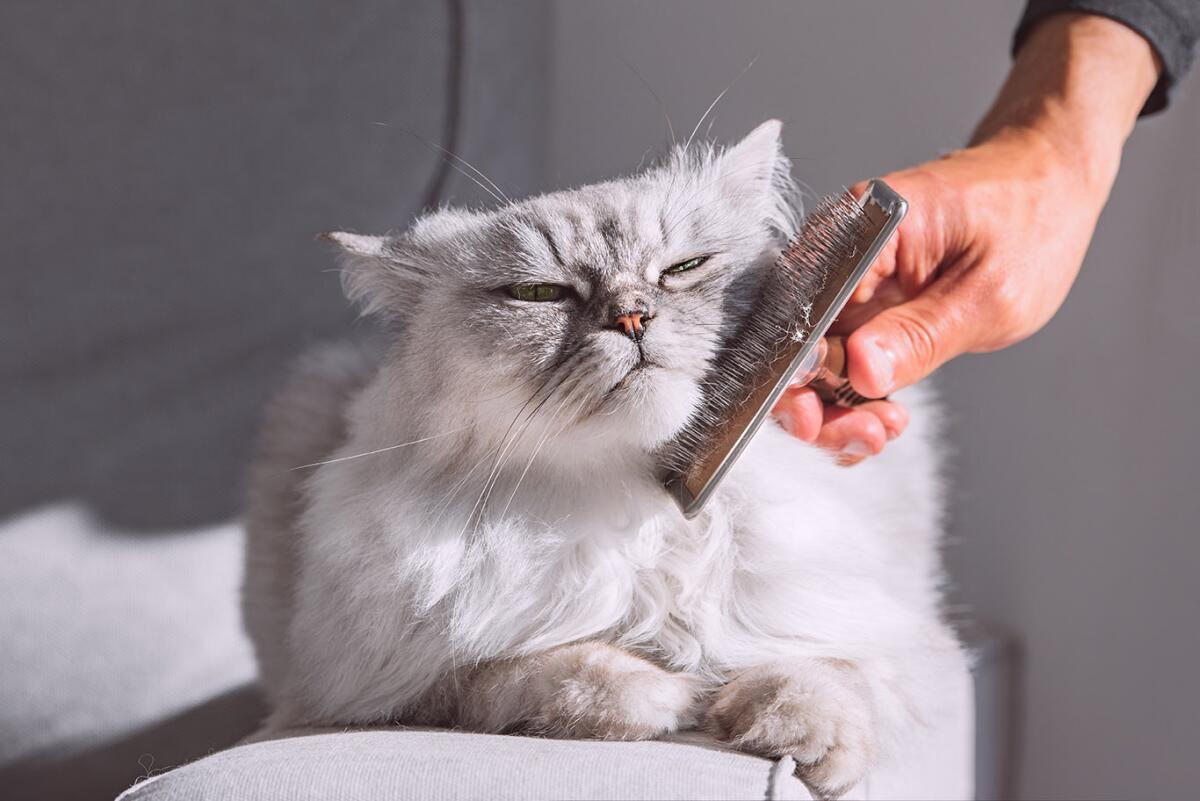
Cats groom themselves to stay clean and healthy. Grooming also helps cats feel calm and safe. When one cat grooms another, it shows trust and friendship. This behavior is a way cats connect and build strong bonds. Understanding cat grooming can help you read their feelings better.
Types Of Grooming
- Self-grooming:Cats lick their fur to remove dirt and loose hair.
- Allogrooming:One cat grooms another, often around the head and neck.
- Mutual grooming:Two cats groom each other at the same time.
- Social grooming:Grooming that strengthens bonds between cats in a group.
Frequency And Context
Cats groom each other mostly during rest or calm moments. It often happens after playing or eating. Grooming can happen several times a day or less often. The frequency depends on how close the cats are. Grooming also helps reduce stress and keeps group peace. Cats rarely groom strangers or cats they dislike.
Social Bonds And Grooming
Cats grooming each other is more than just cleaning. It is a powerful way they build social bonds. This behavior shows trust, care, and friendship. Grooming helps cats feel safe and connected within their group.
Building Trust
When one cat grooms another, it shows deep trust. Cats only allow grooming from friends or family. This act means they feel safe together. Grooming lowers stress and creates comfort between cats. It helps them form a peaceful bond.
Strengthening Relationships
Grooming also strengthens the bond between cats. It is a shared activity that keeps their connection strong. Cats often groom each other after playing or resting together. This reinforces their friendship and loyalty. It helps them stay close and friendly over time.
Hierarchy And Grooming
In the world of cats, grooming is more than just keeping clean. It is a social act that helps build and show their social ranks. Cats use grooming to express their place in the group. This behavior reveals the balance of power and trust between cats. Understanding these signals can help you read their interactions better.
Dominance Signals
When one cat grooms another, it can be a way to show control. The cat doing the grooming often holds a higher rank. This cat may lick the other’s head or neck, places that are hard to reach. Such grooming shows authority without fighting. The dominant cat uses this act to reinforce its position calmly.
Dominant cats may also groom more often and for longer times. Their grooming is gentle but firm. This behavior helps keep peace in the group by reminding others who leads. It is a quiet way to avoid conflicts.
Submission And Acceptance
The cat being groomed often accepts this behavior as a sign of respect. By staying still and allowing the grooming, it shows submission. This acceptance means the lower-ranked cat trusts the dominant one. It also means the groomed cat feels safe in the relationship.
Sometimes, the groomed cat will return the favor with its own grooming. This mutual grooming helps strengthen bonds and shows acceptance of roles. It creates harmony and reduces tension among the cats. Grooming is a peaceful language of hierarchy and friendship combined.
Health Benefits Of Grooming
When one cat grooms another, it’s not just about keeping clean—it’s a powerful way they support each other’s health. This behavior brings more than comfort; it actively improves their well-being in several important ways.
Stress Reduction
Grooming helps cats relax. The gentle licking releases calming chemicals in their brains, lowering anxiety. Have you noticed how your cat seems calmer after being groomed by a companion? That’s because this act reduces stress hormones and promotes a sense of safety.
When cats groom each other, they strengthen their bond, which also helps reduce tension. This mutual care creates a peaceful environment, especially in multi-cat households where stress can build up quickly.
Hygiene And Parasite Control
Grooming is vital for keeping cats clean and healthy. Cats can reach spots on each other that are hard to lick themselves, like the back of the head and neck. This thorough cleaning helps remove dirt, loose fur, and even pesky parasites.
Regular grooming between cats can reduce the risk of skin infections and flea infestations. It’s like having a natural health check-up. If you notice your cats grooming each other often, it’s a good sign they’re looking out for each other’s health.
Grooming And Communication
When you observe one cat grooming another, it’s more than just a cute moment. This behavior is a fascinating form of communication. Cats use grooming to convey messages and emotions, strengthening their bonds in the process. Understanding these subtle interactions can deepen your appreciation for your furry friends.
Nonverbal Messages
Cats often use grooming to send nonverbal signals to each other. This act can indicate trust and comfort between the two. If one cat initiates grooming, it might be a way to show affection or even submission. It’s their way of saying, “I trust you, and I care about you.” Does your cat groom you too? It’s a similar message of friendship and trust.
Grooming can also be a way to establish social hierarchies. The dominant cat might groom the submissive one to reinforce its status. This nonverbal communication maintains harmony within the group without the need for aggression. It’s a peaceful way to communicate roles and relationships.
Emotional Expression
Grooming goes beyond just physical care; it’s a profound emotional expression. Cats often groom each other to soothe and comfort, especially during stressful times. This behavior is akin to a human hug, offering reassurance and calming the nerves.
Consider a time when you were stressed, and your pet came to sit beside you, offering comfort in silence. Cats do the same for each other through grooming. It’s their way of saying, “I’m here for you.” This emotional support is vital for their social and emotional well-being.
Have you noticed a change in grooming behavior among your cats? It might be a clue to their emotional state or the dynamics of their relationship. Paying attention to these subtle cues can help you understand their needs better and foster a harmonious environment at home.
When Grooming Goes Wrong
Grooming between cats usually shows care and friendship. It helps build strong bonds and keeps their fur clean. But sometimes, grooming can go wrong. It may lead to stress or fights instead of comfort. Understanding these signs helps keep cats happy and safe.
Overgrooming Issues
Overgrooming happens when one cat licks another too much. This can cause skin problems and bald spots. The cat being groomed might feel annoyed or stressed. Overgrooming may also signal anxiety or health issues in one of the cats. Watch for red or sore skin and sudden fur loss.
Avoiding Conflicts
Sometimes grooming can cause tension between cats. One cat may not want to be groomed and might scratch or bite. To avoid fights, give cats their own space. Provide separate resting areas and toys. Watch their body language closely for signs of discomfort. Stopping grooming early can prevent bad feelings.
Encouraging Positive Grooming
Encouraging positive grooming between cats is a powerful way to strengthen their bond and create a harmonious home. Grooming is more than just cleaning; it’s a social behavior that shows trust and affection. Helping your cats feel safe and relaxed can naturally lead to more grooming moments that deepen their connection.
Creating A Comfortable Environment
Your cats need a calm space to feel secure enough to groom each other. Make sure they have quiet spots where they can relax without interruptions. Soft bedding, cozy hiding places, and gentle lighting all help reduce stress.
Think about their daily routine too—feeding at regular times and keeping noise levels low can prevent anxiety. When cats feel safe, they are more likely to engage in grooming behaviors.
Introducing New Cats
Introducing a new cat slowly gives both cats time to adjust and build trust. Start by letting them sniff each other through a door or a baby gate before face-to-face meetings. This helps reduce tension and prevents negative associations.
During early interactions, watch for signs of stress and step back if needed. Offering treats and praise when they show calm behavior encourages positive experiences. Over time, these small steps can lead to mutual grooming and a strong friendship.
Frequently Asked Questions
Why Do Cats Groom Each Other Frequently?
Cats groom each other to strengthen social bonds. This behavior, called allogrooming, shows trust and affection. It helps maintain group harmony and reduces stress. Grooming also aids in cleaning hard-to-reach areas on each other’s bodies, promoting overall hygiene and health within the feline group.
Is Grooming A Sign Of Cat Friendship?
Yes, grooming is a clear sign of friendship among cats. It indicates mutual trust and comfort. When cats groom each other, they are reinforcing their social connection and showing care. This behavior helps build a peaceful and cooperative relationship between feline companions.
Can One Cat Grooming Another Reduce Stress?
Absolutely, mutual grooming reduces stress in cats. It releases calming pheromones and lowers anxiety levels. Grooming each other promotes relaxation and a sense of security. This behavior helps cats feel safe and supported within their social group.
Does Grooming Indicate Dominance Between Cats?
Grooming can sometimes reflect dominance but usually shows affection. Dominant cats may groom subordinates to assert control gently. However, most grooming is about bonding rather than power. Observing body language alongside grooming helps understand the true social dynamics.
Conclusion
Cats grooming each other shows trust and friendship. It helps them feel safe and loved. Grooming also keeps their fur clean and healthy. When one cat grooms another, it builds a strong bond between them. This simple act means they care and accept each other.
Watching cats groom can teach us about their feelings. It’s a sign of peace and comfort in their world. Understanding this behavior helps you connect with your pets better. Cats use grooming to express kindness without words. It’s a small, gentle way they say, “You belong with me.
”

Leave a Reply