Have you ever noticed your cat licking its fur right after a meal? It might seem like a simple habit, but there’s more to it than meets the eye.
You might wonder, do cats always groom themselves after they eat? Understanding this behavior can help you connect better with your furry friend and keep them healthy. Keep reading to discover why your cat grooms after meals and what it means for their well-being.
Cat Grooming Habits
Cats are known for their meticulous grooming habits, which play a crucial role in their daily routine. Understanding these habits can help you better care for your feline friend and recognize what’s normal behavior. Have you noticed your cat spending a lot of time cleaning itself? Let’s explore how often they groom and why they often do so right after eating.
Frequency Of Grooming
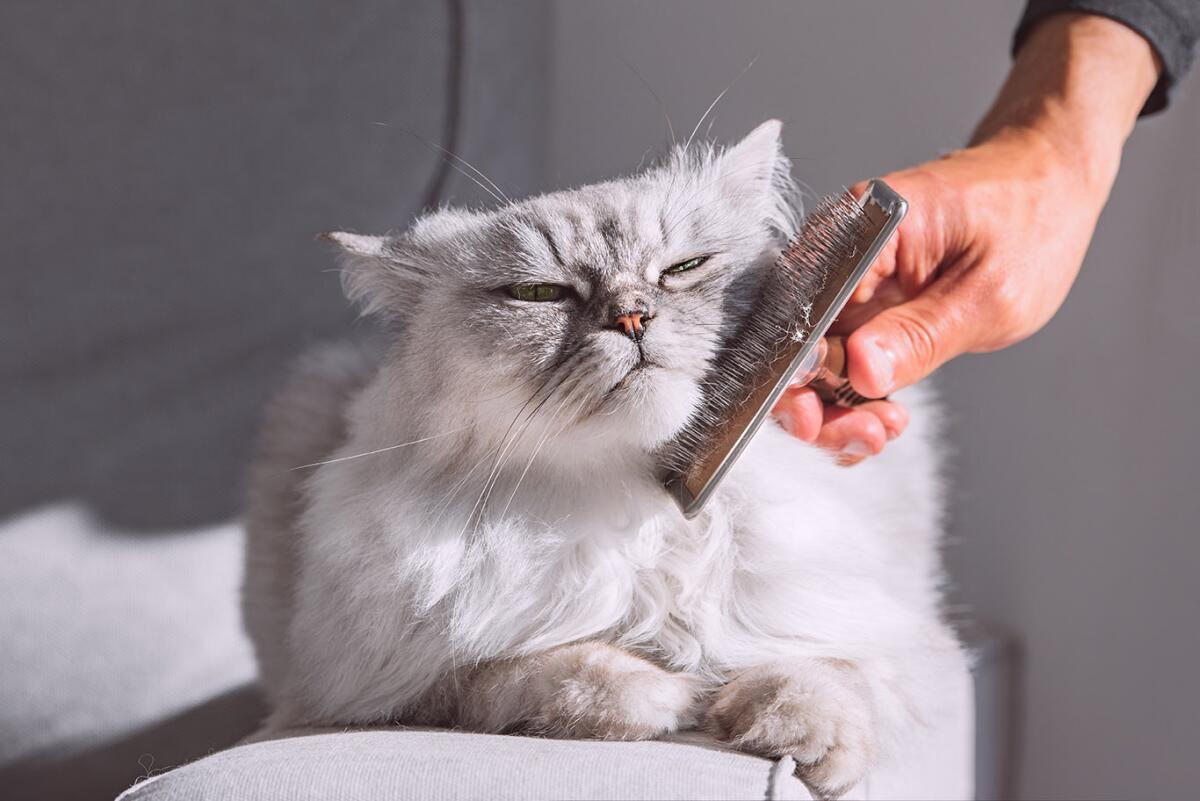
Cats groom themselves multiple times throughout the day. It’s not unusual to see your cat licking its fur several times an hour, especially after waking up or before resting. This frequent grooming helps them stay clean, regulate body temperature, and reduce stress.
Some cats may groom more than others based on their personality, health, and environment. If your cat suddenly stops grooming or over-grooms, it could signal a health issue worth discussing with your vet.
Why Cats Groom After Eating
Have you ever watched your cat eat and then immediately start licking its fur? This is a natural habit rooted in instinct. Grooming after a meal helps cats remove any food smells or residues from their fur, which could attract predators in the wild.
Besides cleanliness, grooming after eating also helps your cat calm down and aids digestion. The licking motion stimulates saliva production, which can assist with swallowing and digestion.
Next time your cat cleans up after a meal, consider it their way of settling in and taking care of themselves—an instinctive behavior that goes beyond just looking neat.
Factors Affecting Post-meal Grooming
Not every cat will jump into grooming right after finishing their meal. Several factors influence whether your feline friend cleans up immediately or waits a bit. Understanding these can help you better read your cat’s behavior and even improve their comfort after eating.
Cat’s Mood And Health
Your cat’s mood plays a big role in grooming habits. A relaxed and happy cat often grooms promptly after eating, while a stressed or anxious one might skip it. Health issues like dental pain or digestive discomfort can also make grooming uncomfortable.
If your cat suddenly stops grooming after meals, consider if they seem down or show signs of illness. Have you noticed changes in their appetite or energy levels? These clues can point to underlying problems that need attention.
Type Of Food Consumed
The kind of food your cat eats affects their desire to groom afterward. Wet food with strong smells or sticky textures often prompts more grooming to clean their face and fur. Dry kibble, on the other hand, might leave less residue, reducing the need for immediate grooming.
Think about the last time you fed your cat a new treat or meal. Did they spend more time licking themselves afterward? Paying attention to how different foods influence grooming can help you choose meals that keep your cat comfortable.
Environment And Surroundings
Where your cat eats can impact their grooming routine. A noisy or busy area might distract them from self-cleaning right away. Cats prefer calm, safe spaces to groom, so a chaotic environment might delay their post-meal ritual.
Have you tried feeding your cat in a quiet corner or a dedicated spot? Creating a peaceful environment can encourage your cat to take their time cleaning up. Observing how your cat reacts to different settings can give you insight into their grooming habits.
Benefits Of Grooming After Meals
Grooming after meals offers many benefits for cats. It helps keep them clean and comfortable. Grooming also plays a role in their behavior and social life. Understanding these benefits shows why cats often clean themselves after eating.
Hygiene And Cleanliness
Eating can leave food bits on a cat’s fur. Grooming removes these particles quickly. It stops dirt and bacteria from building up. This keeps the cat’s coat clean and healthy. Regular grooming lowers the risk of infections.
Comfort And Relaxation
Grooming soothes a cat’s skin and muscles. It helps them cool down after a meal. The licking action spreads natural oils on their fur. This makes their coat soft and shiny. Grooming also calms the cat, reducing stress.
Social And Behavioral Aspects
Cats use grooming to show they feel safe. It signals contentment after eating. Sometimes, grooming is a way to bond with other cats. It also marks their territory with scent. This behavior helps maintain social order among cats.
When Cats Skip Grooming
Cats usually groom themselves after eating. This helps them clean their fur and relax. Sometimes, cats skip this habit. It can mean different things depending on the cat’s health and mood. Understanding why a cat might skip grooming helps owners care for their pets better.
Signs Of Stress Or Illness
Stress or illness can stop a cat from grooming. Cats may feel too tired or uncomfortable. Look for these signs:
- Hiding more than usual
- Loss of appetite
- Changes in behavior or mood
- Excessive meowing or silence
If these signs appear, a vet visit is important. Early care can prevent bigger health problems.
Age And Mobility Issues
Older cats may find grooming hard. Joint pain or arthritis can limit their movement. This makes it tough to reach all parts of the body. Younger cats usually groom quickly and often. Older or sick cats might need help staying clean.
Changes In Routine
Cats like routine. New places, people, or sounds can make them uneasy. These changes might cause cats to skip grooming. Moving homes or adding pets disrupts their comfort. Giving cats time to adjust helps them return to normal habits.
Encouraging Healthy Grooming
Cats often clean themselves after eating to remove food smells and stay fresh. This natural habit helps keep their fur healthy and free from dirt. Encouraging regular grooming supports their well-being and comfort.
Encouraging Healthy Grooming Cats are known for their meticulous grooming habits, often spending hours licking their fur to keep it clean. However, not all cats groom themselves immediately after eating. Encouraging healthy grooming can ensure your feline friend stays clean and comfortable. Let’s explore how you can support your cat’s grooming routine.Creating A Calm Feeding Area
A peaceful feeding environment can significantly impact your cat’s grooming habits. Cats prefer to feel safe and undisturbed while eating. Consider placing their food bowls in a quiet corner away from foot traffic and noise. Make sure the area is free from clutter, as a tidy space can help your cat feel more relaxed. If your cat seems anxious, you might observe them grooming less often. By creating a calming space, you encourage them to continue their grooming routine.Regular Vet Check-ups
Regular vet visits are crucial in ensuring your cat’s grooming habits are healthy. Sometimes, a cat may stop grooming due to underlying health issues such as dental problems or skin conditions. Regular check-ups can help catch these problems early. Your vet can provide insights into your cat’s grooming behavior and offer solutions if there are any concerns. Staying proactive with vet visits not only aids grooming but also promotes overall well-being.Proper Nutrition
Nutrition plays a pivotal role in maintaining your cat’s coat health. A balanced diet with the right nutrients supports a shiny, smooth fur coat, encouraging your cat to groom more frequently. Ensure your cat’s diet includes adequate proteins and omega fatty acids. These nutrients are essential for skin and fur health. A well-nourished cat is more likely to engage in regular grooming, keeping themselves clean after meals. By understanding your cat’s grooming behavior, you can take steps to support their natural instincts. Have you noticed any changes in your cat’s grooming habits? Share your experiences and let’s learn from each other!Frequently Asked Questions
Do Cats Always Groom After Eating?
Cats often groom themselves after eating, but not always. Grooming helps remove food residue and calms them. Some cats may skip this if they feel safe or relaxed.
Why Do Cats Groom After Meals?
Cats groom after meals to clean their fur and remove food smells. This behavior also helps them relax and aids digestion by stimulating saliva production.
Can Grooming After Eating Indicate Cat Health?
Yes, regular grooming after eating shows good hygiene and comfort. Lack of grooming may indicate stress, illness, or dental problems. Monitor changes and consult a vet if needed.
How Long Do Cats Groom After Eating?
Cats typically groom for 5 to 15 minutes after eating. The time varies by cat and situation. Grooming duration reflects their comfort and cleanliness habits.
Conclusion
Cats often clean themselves after eating, but not always. Some cats skip grooming if they feel relaxed or full. Grooming helps them stay clean and calm. It also removes food smells from their fur. Each cat has its own habits and personality.
Watching your cat’s behavior can tell you a lot. Remember, grooming is a natural part of their routine. It shows they feel safe and comfortable. Understanding this helps you care for your cat better. Keep an eye on their habits to ensure they stay healthy.

Leave a Reply