Have you ever watched your cat carefully cleaning every inch of its fur and wondered, “Can cats groom their backs?” It’s a curious question because you know how important grooming is to your feline friend. You might even worry if they’re missing spots or not keeping themselves as clean as they should.
Understanding how cats manage to reach those tricky areas can give you peace of mind and help you care for your pet better. Keep reading to discover the surprising ways cats groom their backs and what you can do to support their hygiene.
Cats’ Grooming Habits
Cats are known for their impeccable grooming habits, often leaving their fur looking spotless and smooth. But have you ever wondered how they manage to keep even the hard-to-reach areas like their backs clean? Understanding your cat’s grooming routine can help you notice when something might be off with their health or comfort.
How Cats Groom Themselves
Cats use their tongues, which are covered in tiny, hook-like structures, to clean their fur thoroughly. This rough texture helps remove dirt, loose hair, and even parasites. You might see your cat twisting and turning their body in odd ways to reach different spots, but some areas, especially the middle of their back, can be tough to reach.
Have you noticed your cat stretching or arching their back while grooming? This movement helps them access spots that are otherwise difficult to clean. When they can’t reach certain areas, they often rely on stretching or even ask for your help—so don’t be surprised if your cat nudges you for a little back scratch!
Purpose Of Grooming
Grooming does much more than keep your cat looking good. It helps regulate their body temperature by spreading natural oils across their fur. This oil layer adds waterproofing and keeps the coat shiny and healthy.
Grooming also reduces stress and promotes relaxation for your cat. It’s a calming activity that can improve their mood and strengthen the bond between you and your pet when you help out. Next time you see your cat licking their fur, remember it’s not just about cleanliness—it’s about comfort and well-being too.
Can Cats Reach Their Backs?
Cats are known for their fastidious grooming habits. They use their tongues to clean fur and skin. But can they reach all parts of their bodies, especially their backs? This question often comes up among cat owners. Understanding a cat’s flexibility and grooming limits helps answer it.
Flexibility And Reach
Cats have very flexible spines. Their bones and joints allow them to twist and bend easily. This flexibility helps cats reach many areas on their bodies.
They can turn their heads and bodies to clean their sides and necks. Cats use their strong tongues to lick fur clean. Their claws help scratch hard-to-reach spots.
Still, some parts of the back are tricky to reach. The middle of the back is often a challenge. Cats try to reach it by stretching or bending sideways.
Common Grooming Limitations
Despite their flexibility, cats have limits. They cannot reach the center of their backs easily. This area may remain less groomed than others.
Older or overweight cats may struggle more. Stiff joints or extra weight reduce their flexibility. They might need help from owners to stay clean.
Some cats use their paws and teeth to groom, but certain back spots remain out of reach. Owners can assist by brushing or petting these areas.
Techniques Cats Use For Back Grooming
Cats use clever ways to groom their backs, which are hard to reach. Their flexible bodies and sharp claws help them stay clean and comfortable. These techniques keep their fur smooth and free from dirt or pests. Understanding these methods shows how cats care for themselves with ease.
Twisting And Turning
Cats twist their bodies to reach different parts of their backs. Their spine is very flexible, allowing sharp bends and turns. This ability helps them access spots that seem impossible to reach. They often arch their backs or curl sideways during grooming. These movements let cats cover a wide area with ease.
Using Their Tongue And Paws
The tongue plays a key role in back grooming. It feels rough and acts like a tiny brush to clean fur. Cats lick their backs carefully, removing dirt and loose hair. Sometimes, they use their paws to help reach spots. They lick their paws then rub the back area softly. This combination works well to keep their backs tidy.
When Cats Need Help Grooming Their Backs
Cats usually groom themselves well, but some struggle with their backs. Older cats or those with arthritis can find it hard to reach their backs. Overweight cats also face challenges in cleaning these areas properly. When cats cannot groom their backs, dirt and oils build up. This can cause skin problems or discomfort. Owners must watch for signs that a cat needs grooming help.
Signs Of Grooming Difficulties
- Mattes or tangles in the fur on the back
- Visible dirt or grease patches on the back
- Excessive scratching or biting at the back area
- Red or irritated skin spots on the back
- Fur loss or bald patches along the spine
- Less frequent or incomplete self-grooming habits
How Owners Can Assist
Use a soft brush to gently groom the cat’s back. This removes loose fur and dirt. Help them by reaching areas they cannot. Bathing may be needed sometimes, but keep it gentle and rare. Regular brushing prevents matting and skin issues.
Keep grooming sessions short and calm. Use treats and praise to make the cat comfortable. If the cat shows pain or stress, stop and try again later. Consult a vet if skin problems or grooming issues persist. Some cats may need medication or special care.
Health Benefits Of Grooming The Back
Cats instinctively groom their backs for cleanliness and health. This habit helps remove loose fur and dirt, reducing the risk of skin issues. Regular grooming also stimulates circulation and distributes natural oils, keeping their coat shiny and healthy.
Cats are fascinating creatures, and their grooming habits are no exception. Grooming is more than just a way for cats to maintain their sleek appearance. It’s a crucial part of their overall health and well-being. Grooming their backs, in particular, offers a host of health benefits that might surprise you.Skin And Coat Care
When your cat grooms its back, it does more than just smooth out its fur. This action helps distribute natural oils across the skin and coat. These oils are essential for keeping the fur shiny and the skin healthy. Removing loose fur is another important aspect. This prevents matting and reduces the chance of hairballs. If you’ve ever had to clean up after a hairball incident, you’ll appreciate this benefit.Stress Relief And Comfort
Grooming serves as a self-soothing mechanism for cats. It helps them reduce stress and anxiety. This is especially important when they’re faced with changes in their environment. Have you noticed how your cat tends to groom itself after a stressful event? It’s a way for them to regain a sense of control and calm. Imagine having a built-in stress reliever at your fingertips. Wouldn’t you use it too? By understanding these benefits, you can better appreciate the grooming rituals of your feline friend. You might even find yourself looking for ways to support their grooming habits. After all, a happy cat makes for a happy home.Myths About Cats Grooming Their Backs
Cats are known for their grooming habits. Many people wonder if cats can groom their backs properly. Several myths exist about how cats clean themselves, especially their backs. These myths can confuse cat owners and lead to misunderstandings about cat behavior.
Common Misconceptions
- Cats can reach every spot on their backs with their tongues.
- If a cat can’t groom its back, it means the cat is unhealthy.
- Cats do not need any help grooming their backs.
- Cats’ grooming is only about cleanliness, not health.
- All cats groom themselves the same way and with the same skill.
What Science Says
Studies show cats struggle to reach some parts of their backs. Their flexible bodies help a lot but have limits.
Grooming keeps cats clean and controls parasites. It also helps with temperature and skin health.
Cats often rely on stretching and twisting to reach their backs. They may also use their teeth or paws.
Sometimes cats cannot groom certain spots well. This can be due to age, injury, or illness.
Owners can help by gently brushing or wiping hard-to-reach areas.
Tools To Help Cats Groom Their Backs
Cats are naturally skilled groomers, but their flexible bodies don’t always allow them to reach every spot, especially their backs. That’s where grooming tools come in handy. These tools support your cat’s natural grooming habits and help keep their coat healthy and clean.
Grooming Brushes And Combs
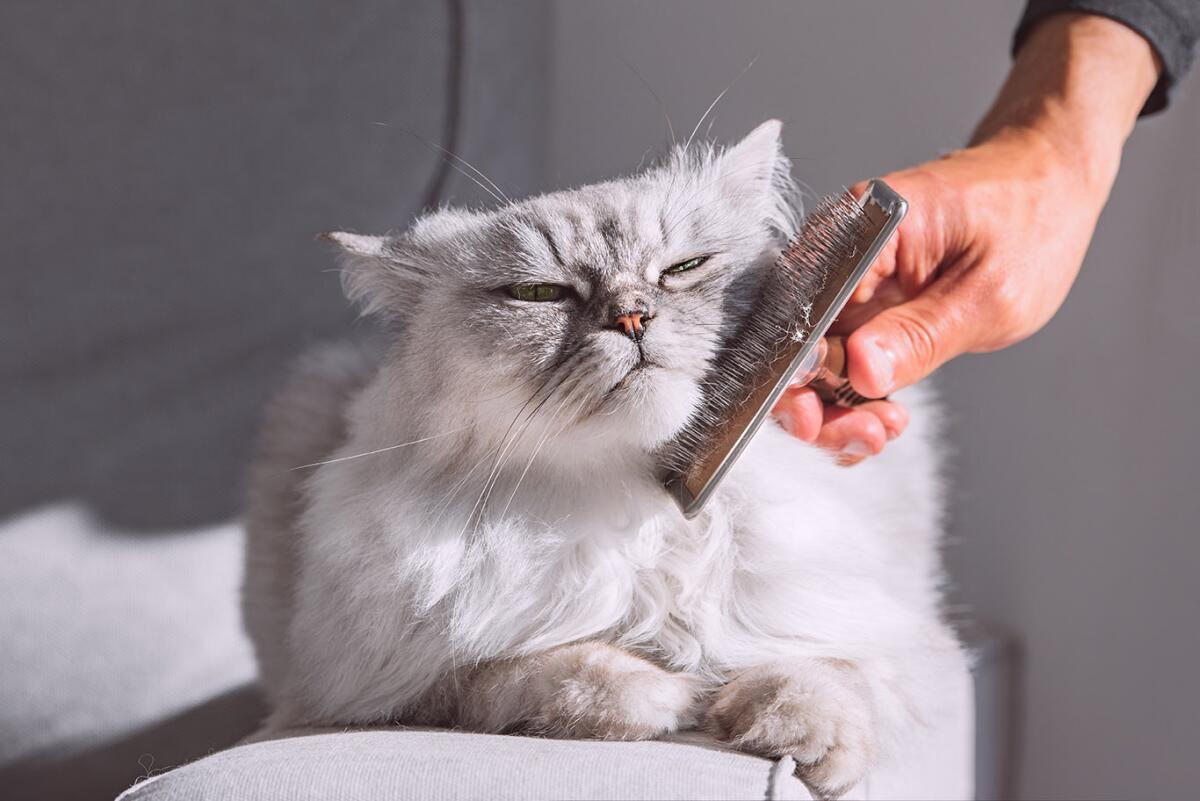
Grooming brushes and combs are essential tools for helping your cat reach tricky spots. You can find brushes designed with long handles and angled heads to make it easier to groom your cat’s back without straining yourself or your pet.
Many cat owners notice that their cats enjoy a gentle brushing session on their backs. It not only removes loose fur but also stimulates blood circulation. What brush type works best can vary—some cats prefer soft bristles, while others like firmer pins.
- Slicker brushes:Great for detangling and removing loose fur.
- Bristle brushes:Ideal for sensitive skin and short-haired cats.
- Comb attachments:Perfect for getting through thick or matted fur.
Self-grooming Aids
Self-grooming aids are innovative tools that allow cats to groom their backs without help. These devices often attach to walls or corners, giving your cat a chance to scratch and clean hard-to-reach areas on their own.
One popular option is the wall-mounted grooming brush. It lets your cat rub against it and removes loose fur while they scratch. Have you seen your cat use one? Many cat owners report their pets return to these aids repeatedly, almost like a favorite toy.
- Wall-mounted grooming brushes
- Corner scratchers with built-in brushes
- Self-grooming mats that capture loose fur
Frequently Asked Questions
Can Cats Groom Their Backs By Themselves?
Cats cannot fully groom their backs by themselves due to limited flexibility. They use their tongues and teeth to clean accessible areas but often rely on stretching and twisting. For hard-to-reach spots, cats may seek help from other cats or humans for grooming.
Why Do Cats Struggle To Clean Their Backs?
Cats struggle to clean their backs because their spines are less flexible in that area. Their tongues can’t reach all parts of the back easily. This makes it difficult for cats to groom thoroughly without external assistance or behavioral adaptations.
How Do Cats Groom The Hard-to-reach Back Areas?
Cats groom hard-to-reach back areas by twisting their bodies and using their hind legs to scratch. They also rely on social grooming from other cats. Sometimes, cats ask their owners for help to keep their backs clean.
Is It Normal For Cats To Have Dirty Backs?
Yes, it’s normal for cats to have slightly dirty backs. Since they can’t groom these areas fully, dirt can accumulate. Regular petting or brushing by owners can help maintain cleanliness and prevent skin issues in these spots.
Conclusion
Cats can groom most parts of their bodies, but their backs are tricky. They use their tongue and teeth to clean many areas, yet the middle of the back often stays untouched. This is why cats rely on stretching and rubbing against objects to help clean those spots.
Sometimes, cat owners also help by brushing or petting their cats’ backs. Understanding this helps keep cats clean and healthy. Watching a cat’s grooming habits shows how smart and careful they are. Caring for your cat’s grooming needs strengthens your bond.

Leave a Reply