Grooming your cat isn’t just about keeping them clean—it’s a way to show love and care while boosting their health and happiness. If you want your furry friend to look and feel their best, knowing the right grooming steps is key.
You might think it’s hard or that cats won’t like it, but with the right approach, grooming can become a calm and even enjoyable routine for both of you. Keep reading, and you’ll discover simple tips and tricks that make grooming easy, stress-free, and rewarding.
Your cat will thank you with purrs and cuddles!
Choosing The Right Grooming Tools
Choosing the right grooming tools for your cat can make a big difference in how smooth and stress-free the grooming process feels. Cats have different coat types and temperaments, so picking tools that match your cat’s specific needs helps keep them comfortable and cooperative. Have you noticed how your cat reacts to certain brushes or shampoos? That reaction can guide your choices more than any product label.
Brushes And Combs
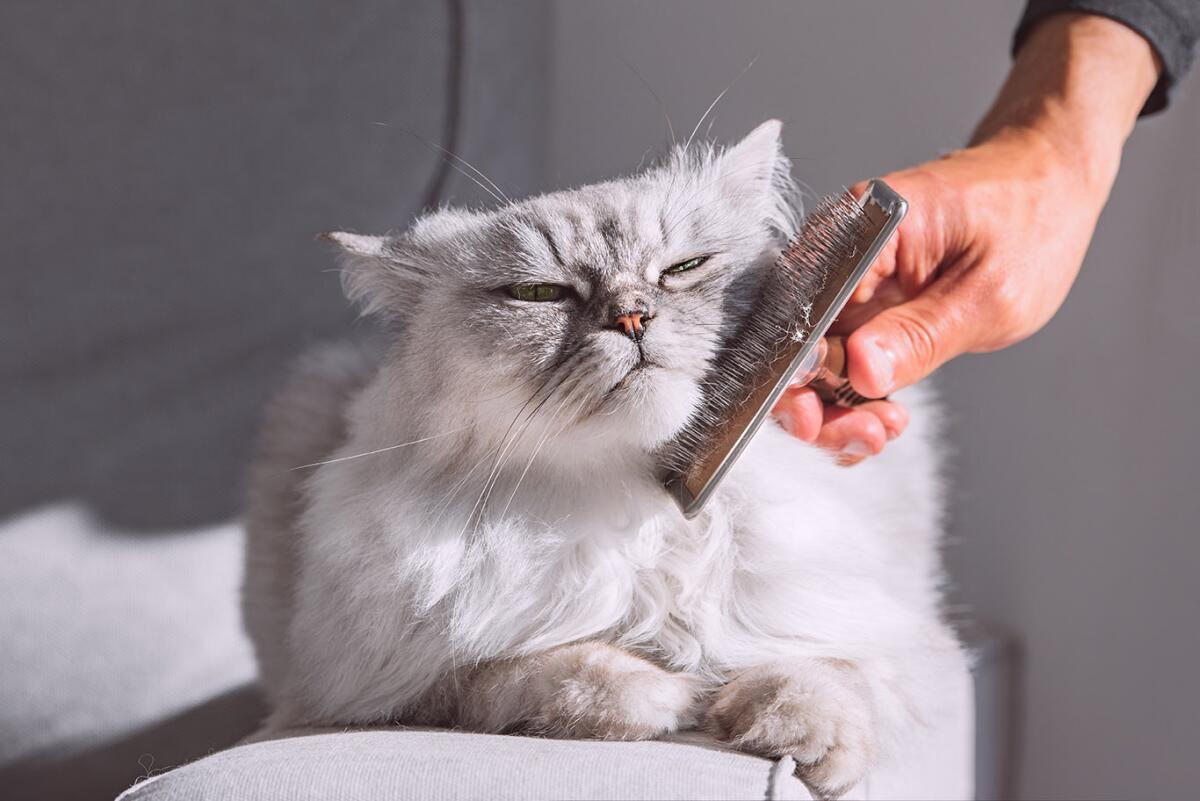
Brushes and combs are essential for detangling fur and removing loose hair. If your cat has short fur, a rubber brush or a fine-toothed comb works well to reduce shedding. Long-haired cats benefit from a slicker brush or a wide-toothed comb that can gently untangle knots without hurting their skin.
Watch your cat’s response when you use different brushes. Some cats prefer softer bristles, while others tolerate firmer ones. You want to avoid tools that cause discomfort, as this can make grooming a battle.
Nail Clippers And Trimmers
Keeping your cat’s nails trimmed prevents scratching injuries and damage to your furniture. Choose nail clippers designed specifically for cats; these are smaller and easier to handle than human or dog clippers. Guillotine-style clippers are popular for their control, but scissors-style trimmers offer precision if you’re confident in your skills.
It’s important to trim just the sharp tip and avoid the quick, the pink part inside the nail. If you’re unsure, ask your vet to show you how. Nail trimming can be tricky, but the right tool makes it much easier.
Shampoos And Wipes
Not all cats enjoy baths, so shampoo choice is critical. Use shampoos formulated specifically for cats—they have the right pH balance and are gentle on their skin. Avoid human or dog shampoos, as these can cause irritation.
If your cat hates water, grooming wipes can be a lifesaver. They freshen up your cat’s coat between baths and remove dirt and loose hair. Do you keep grooming wipes handy for quick cleanups? They might become your new best friend.
Preparing Your Cat For Grooming
Preparing your cat for grooming is key to a smooth and stress-free experience. Cats are sensitive creatures, and the right preparation helps them feel safe and relaxed. Taking time to set the stage properly can make a big difference in how your cat reacts to grooming sessions.
Creating A Calm Environment
Your cat picks up on the mood around them, so a quiet, peaceful space is essential. Choose a room with minimal noise and distractions to keep your cat focused and calm. Soft lighting and a comfortable surface can also help your cat feel more secure.
Think about the time of day when your cat is naturally more relaxed. Maybe after a nap or a meal is best. Avoid loud music or sudden noises that could startle your cat during grooming.
Getting Your Cat Comfortable
Start by gently petting your cat in the grooming area to build positive associations. Use treats or soft praise to encourage calm behavior. Let your cat sniff and explore the grooming tools before you begin; this helps reduce fear of the unknown.
Patience is important—if your cat resists, pause and try again later. Gradual exposure often works better than jumping straight into a full grooming session. Have you noticed how some cats respond better to gentle strokes on the head before moving to the body?
Setting A Grooming Schedule
Regular grooming helps your cat get used to the routine and reduces stress over time. Decide on a schedule that fits your cat’s coat type and activity level, such as once or twice a week. Consistency helps your cat know what to expect and when.
Keep sessions short at first, and increase the length as your cat becomes more comfortable. You might find that morning grooming fits better into your daily routine, or evenings work best—choose what feels natural for both of you.
Brushing Techniques For Different Fur Types
Brushing your cat’s fur properly depends a lot on their fur type. Different coats need different care to stay clean, healthy, and comfortable. Knowing the right brushing techniques can save you time and make grooming a pleasant experience for both you and your cat.
Short-haired Cats
Short-haired cats usually require less brushing, but that doesn’t mean they don’t benefit from regular grooming. Use a soft-bristled brush or a rubber grooming mitt to remove loose hairs and stimulate the skin.
Brush in the direction of hair growth with gentle strokes to avoid irritating your cat. Aim for a quick session of about 5 minutes a few times a week to keep shedding under control and shine in their coat.
Long-haired Cats
Long-haired cats need more attention to prevent tangles and mats. Use a wide-toothed comb first to gently detangle, followed by a fine-toothed comb or slicker brush to smooth the coat.
Work in small sections and be patient—long fur can hide dirt and knots easily. Regular daily brushing helps prevent mats and keeps your cat’s coat looking its best.
Dealing With Mats And Tangles
Mats can cause discomfort and skin problems if left untreated. Use a detangling spray or conditioner made for cats to soften the fur before brushing.
- Hold the mat at the base to avoid pulling your cat’s skin.
- Gently tease apart the mat with your fingers or a mat splitter.
- Use a comb to work through stubborn knots carefully.
Have patience and take breaks if your cat becomes stressed. What’s the toughest mat you’ve had to deal with, and how did you manage it?
Bathing Your Cat Safely
Bathing your cat can seem like a daunting task, but it’s sometimes necessary for their health and hygiene. Doing it safely helps reduce stress for both you and your furry friend. Understanding the right timing, process, and aftercare will make the experience smoother and more effective.
When To Bathe Your Cat
Cats are excellent self-groomers, so frequent baths aren’t usually needed. Consider bathing your cat if they get into something sticky, dirty, or smelly that they can’t clean off themselves.
Cats with certain skin conditions or allergies may also require regular baths as recommended by a vet. If your cat is elderly or overweight, they might have trouble grooming, making occasional baths helpful.
Ask yourself: does your cat really need a bath, or would a gentle wipe with a damp cloth work better? This can avoid unnecessary stress for your pet.
Step-by-step Bathing Process
- Prepare everything before starting:Use a shallow basin or sink with lukewarm water. Have cat shampoo, towels, and a cup for rinsing ready.
- Brush your cat:Remove loose fur and tangles to make bathing easier and prevent matting.
- Place your cat gently into the water:Keep calm and speak softly to reassure them. Avoid sudden movements.
- Wet your cat slowly:Use a cup or handheld sprayer, avoiding the face and ears. Wet the body thoroughly but gently.
- Apply cat-specific shampoo:Work it into a lather, focusing on dirty areas. Never use human shampoo as it can irritate their skin.
- Rinse well:Make sure no shampoo remains, as it can cause itching or dryness.
Drying And Aftercare
Wrap your cat in a warm towel immediately after the bath to absorb excess water. Pat dry rather than rubbing, which can tangle fur and upset your cat.
If your cat tolerates it, use a hairdryer on the lowest heat and speed setting. Keep the dryer moving and maintain a safe distance to avoid burns.
After drying, offer treats and praise to create a positive association with bath time. Monitor your cat for any signs of stress or skin irritation in the following days.
Trimming Nails Without Stress
Trimming a cat’s nails can be calm and safe with gentle handling. Use a quiet space and soft words to keep your cat relaxed. Regular short sessions help your cat get used to nail care without stress.
Trimming your cat’s nails can be a daunting task. With the right approach, it becomes stress-free. Cats need regular nail trims to prevent overgrowth. Overgrown nails can cause pain and discomfort. Proper grooming keeps them healthy and comfortable. Start by creating a calm environment. Your cat should feel relaxed and safe. This makes the process smoother for both of you.Tools And Safety Tips
Choose the right tools for nail trimming. Use cat nail clippers or human nail clippers. Ensure they’re sharp and clean. Dull clippers can harm your cat’s nails. Keep styptic powder nearby. It helps stop bleeding if you cut too short. Always work in a well-lit area. This helps you see the quick in the nail. The quick is the pink part to avoid cutting.How To Trim Nails Properly
Gently hold your cat’s paw. Press the pad to extend the nail. Look for the clear part of the nail. Avoid the pink quick. Trim only the sharp tip. Use a smooth and confident motion. Reward your cat with a treat after each paw. This positive reinforcement encourages good behavior.Handling Difficult Cats
Some cats resist nail trimming. If your cat struggles, take breaks. Wrap your cat in a towel to calm them. Leave one paw exposed at a time. Speak softly to reassure them. You can also seek help from another person. They can hold the cat while you trim. If trimming is too challenging, consult a professional groomer. They have experience with difficult cats.Cleaning Ears And Eyes
Cleaning your cat’s ears and eyes is a key part of grooming that often gets overlooked. These areas can collect dirt, wax, and discharge, leading to discomfort or even infections if not cared for properly. Knowing how to gently clean these sensitive spots helps keep your cat healthy and happy.
Identifying Signs Of Issues
Before you start cleaning, check your cat’s ears and eyes for any signs of trouble. Look for redness, swelling, or unusual discharge that’s yellow, green, or foul-smelling. If your cat is scratching their ears a lot or shaking their head, it could mean irritation or infection.
For the eyes, watch out for excessive tearing, cloudiness, or crust around the corners. These symptoms might indicate allergies, infections, or blocked tear ducts. Catching these early helps you act quickly and avoid bigger problems.
Safe Cleaning Methods
Use a soft, damp cloth or cotton ball to gently wipe away dirt from around the eyes. Avoid using cotton swabs inside the ear canal—they can cause damage or push debris deeper. Instead, clean just the outer ear with a vet-approved ear cleaner.
Make sure your cat is calm before you start. Hold them gently and speak in a soothing voice. If your cat resists, take breaks and try again later—forcing it can make them scared of grooming.
- Use a clean, damp cloth for eyes and outer ears
- Never insert anything deep into the ear canal
- Choose products made specifically for cats
- Be patient and gentle to keep your cat relaxed
When To See A Vet
If you notice persistent redness, swelling, bad smell, or your cat keeps pawing at their eyes or ears, it’s time to consult a vet. These could be signs of infections or other serious conditions needing professional treatment.
Don’t wait if your cat shows signs of pain or if discharge increases. Early intervention can prevent complications and save you from more stressful vet visits later. Your vet can also recommend the best cleaning products and techniques tailored to your cat’s needs.
Managing Shedding And Hairballs
Managing shedding and hairballs is key for a happy, healthy cat. Excess fur can cause discomfort and make your home messy. Hairballs form when cats swallow loose hair during grooming. These can cause digestive problems if not controlled.
Regular care helps reduce shedding and keeps hairballs at bay. Small daily habits create big results. Understanding your cat’s needs leads to a smoother, cleaner coat.
Regular Grooming Routines
Brush your cat daily or several times a week. This removes loose fur before it falls off. Use a brush suited to your cat’s coat type. Short-haired cats need different tools than long-haired cats.
- Start with gentle strokes to avoid hurting your cat.
- Focus on areas with heavy shedding like the back and sides.
- Check for mats or tangles, especially in long-haired cats.
Bathing occasionally helps, but not too often. Use cat-friendly shampoos only. Grooming sessions build trust and reduce hair swallowed by your cat.
Diet And Hydration Tips
A healthy diet improves coat quality and reduces shedding. High protein and omega-3 fatty acids support skin and fur health. Avoid low-quality food with fillers and artificial ingredients.
Water keeps skin hydrated and fur soft. Ensure fresh water is always available. Wet food can boost water intake for cats that don’t drink much.
- Choose balanced cat food with essential nutrients.
- Offer fresh water in clean bowls daily.
- Consider supplements after consulting your vet.
Products To Reduce Shedding
Special products can help manage shedding and hairballs. Use de-shedding tools designed for cats. These reach undercoat fur and remove loose hair efficiently.
Hairball remedies include gels, treats, and supplements. These help hair pass through the digestive system easily. Always follow product instructions and vet advice.
- Use silicone or rubber grooming gloves for gentle fur removal.
- Try hairball control treats to aid digestion.
- Apply moisturizing sprays for dry skin and fur.
Recognizing Grooming-related Health Problems
Cats often hide health issues related to grooming, like skin infections or mats. Regular brushing helps spot problems early and keeps their coat healthy. Watch for redness, bald spots, or unusual lumps during grooming sessions.
Recognizing Grooming-Related Health Problems Grooming is more than keeping your cat looking its best; it’s about maintaining their overall health. Regular grooming sessions can reveal potential health issues before they become serious. As you groom your cat, pay attention to signs of skin irritations, allergies, or even infections.Skin Irritations And Parasites
Cats are prone to skin irritations, which can be caused by a variety of factors, including parasites. As you brush your cat, keep an eye out for redness, bumps, or excessive scratching. Fleas and ticks are common culprits, and their presence can lead to severe discomfort for your pet. Check your cat’s fur for small, moving black dots or tiny white eggs. These are signs of flea infestations that need immediate attention. If left untreated, these parasites can lead to more severe health problems.Allergies And Infections
Cats can suffer from allergies just like humans. During grooming, observe for symptoms like watery eyes, sneezing, or swollen skin. These could indicate allergic reactions to food, environment, or even grooming products. Infections can also manifest as foul odors, pus, or unusual discharge from the skin or ears. An ear infection might cause your cat to shake its head frequently or scratch its ears excessively. Quick identification and action can prevent these conditions from worsening.When To Seek Professional Help
Not all grooming-related issues can be managed at home. Sometimes, professional intervention is necessary. If you notice persistent symptoms or your cat’s condition worsens despite your efforts, it’s time to consult a veterinarian. Professional help is crucial if your cat is in severe distress or pain. Veterinary experts can provide treatments that aren’t available over-the-counter. Don’t hesitate to seek advice if you’re uncertain about a health issue you’ve discovered while grooming. Grooming your cat regularly is an opportunity to bond and ensure their well-being. By staying vigilant, you can catch potential health problems early and keep your feline friend healthy and happy.Frequently Asked Questions
How Often Should I Groom My Cat?
Groom your cat at least once a week to maintain a healthy coat. Long-haired cats need daily grooming to prevent mats. Regular grooming reduces shedding and hairballs. It also helps you check for skin issues or parasites early.
What Tools Are Best For Grooming Cats?
Use a soft-bristle brush for short-haired cats and a wide-toothed comb for long hair. Nail clippers and ear cleaning wipes are essential. Avoid human grooming tools as they can harm your cat’s skin. Choose tools designed specifically for cats.
How Do I Safely Bathe My Cat?
Use lukewarm water and cat-specific shampoo. Avoid getting water in your cat’s ears and eyes. Keep the bath short and calm your cat with gentle strokes. Dry your cat thoroughly with a towel afterward to prevent chills.
Can Grooming Help Reduce Cat Hairballs?
Yes, regular grooming removes loose fur that cats swallow while licking. This reduces the formation of hairballs. Brushing your cat daily helps keep their coat clean and healthy. Hairball control diets also complement grooming efforts.
Conclusion
Grooming your cat helps keep its coat clean and healthy. Regular brushing prevents mats and reduces shedding. It also gives you a chance to check for skin problems. Make grooming a calm, positive time for your pet. Use gentle strokes and praise your cat often.
With patience, grooming becomes easier for both of you. A well-groomed cat feels comfortable and looks happy. Keep up this simple routine to support your cat’s health and happiness. Small steps make a big difference over time.

Leave a Reply