If you’ve ever tried to check your cat’s paws and found them stiff or messy, you know how tricky it can be to get your furry friend to groom those tiny feet. You want your cat to stay clean and comfortable, but they might resist or get anxious when you touch their paws.
What if there was a way to help your cat take care of their own paws without stress? You’ll discover simple and effective tips to encourage your cat to groom their paws naturally. Keep reading, and you’ll learn how to make paw care easy and even enjoyable for both you and your cat.
Why Paw Grooming Matters
Paw grooming is a key part of your cat’s overall care. Cats use their paws for walking, climbing, and exploring. Clean paws keep them comfortable and healthy. Ignoring paw care can lead to pain or infections. Teaching your cat to groom their paws helps prevent problems and keeps them happy.
Health Benefits For Cats
Grooming paws helps remove dirt, debris, and loose fur. It prevents bacteria and fungi from growing. Clean paws reduce the risk of infections. Regular paw care also stops painful cuts and scratches from worsening. Well-groomed paws support your cat’s mobility and balance. Healthy paws mean a more active and playful cat.
Common Paw Issues
- Cracked or dry paw pads
- Infections from bacteria or fungi
- Foreign objects stuck between toes
- Overgrown or sharp claws causing injury
- Swelling or redness signaling irritation
Ignoring these issues can cause discomfort and health problems. Regular grooming helps spot problems early. It allows you to clean and treat minor issues quickly. Paw care is essential to keep cats pain-free and mobile.
Signs Your Cat Needs Paw Care
Recognizing when your cat needs paw care is important for their health. Cats often hide pain or discomfort. You must watch closely for signs that indicate paw problems. Early attention can prevent serious issues. These signs fall into two main categories: behavioral changes and physical indicators.
Behavioral Changes
- Your cat may lick their paws more than usual.
- They might stop using one paw to walk or jump.
- They could hide or avoid playing and climbing.
- Sudden irritability or aggression when you touch their paws.
- Reluctance to walk on certain surfaces, like carpet or tile.
Physical Indicators
- Swelling or redness between toes or pads.
- Visible cuts, scrapes, or wounds on the paws.
- Cracked or dry paw pads.
- Foreign objects stuck in the claws or between toes.
- Claws that look overgrown or broken.
Preparing Your Cat For Paw Grooming
Preparing your cat for paw grooming sets the foundation for a stress-free experience. Cats are sensitive creatures, and rushing into paw care can lead to resistance or even injury. Taking time to prepare both your cat and the environment can make grooming paws a smoother, more positive activity for you and your furry friend.
Creating A Calm Environment
Start by choosing a quiet, comfortable space free from distractions. Soft lighting and a warm spot can help your cat feel safe and relaxed.
Try to keep the room at a comfortable temperature and avoid loud noises like vacuum cleaners or TV. You might notice your cat settling down faster if you speak in a gentle, soothing voice.
Have some treats ready to reward calm behavior during grooming. This helps your cat associate paw care with positive experiences.
Getting The Right Tools
Gather all necessary grooming tools before you begin to avoid interruptions. Essential items include a soft towel, a gentle nail trimmer designed for cats, and pet-safe wipes.
Consider using a small flashlight or a magnifying glass if your cat has dark nails—this helps you see the quick clearly and avoid cutting too close.
Choosing the right tools can prevent discomfort or injury. Have you checked if your cat prefers a certain type of nail clipper or towel texture? Observing their reactions can guide your choices.
Step-by-step Paw Grooming Techniques
Getting your cat comfortable with paw grooming takes patience and the right approach. Cats are naturally cautious about their paws, so handling them gently and confidently is key. Below are step-by-step techniques that help you clean, trim, and care for your cat’s paws without stress.
Gentle Handling Tips
Start by observing your cat’s body language to know when they’re relaxed. Hold your cat’s paw softly, using your thumb and forefinger, and avoid sudden movements. Speak in a calm voice to keep your cat at ease.
Try massaging the paw pad lightly before lifting the claws. This helps your cat get used to the sensation. If your cat pulls away, pause and try again later—forcing can create fear.
Cleaning And Trimming Nails
Use a damp cloth or pet-safe wipes to clean the paw pads and between the toes. This removes dirt and keeps the area healthy. When trimming, use a sharp, small nail clipper designed for cats.
Only trim the sharp tip of the nail to avoid hitting the quick, the sensitive part inside the nail. If your cat has clear nails, the quick looks pink—stop trimming before reaching it. Trim in a well-lit area so you can see clearly.
Removing Debris Safely
Check for small stones, dirt, or sticky substances stuck between the toes. Use tweezers carefully if you need to remove anything, but be very gentle to avoid hurting your cat. If debris is stuck tightly, soak the paw in warm water to soften it before trying again.
Always watch your cat’s reactions closely. If they seem uncomfortable, give them a break and try later. Regularly cleaning and checking paws prevents infections and keeps your cat happy.
Encouraging Your Cat To Groom Their Paws
Encouraging your cat to groom their paws can feel challenging. Cats are naturally clean animals, but sometimes they need a little nudge. Helping them focus on their paws is important. It ensures hygiene and prevents issues like infections. Here are ways to encourage your cat to groom their paws effectively.
Positive Reinforcement Methods
Positive reinforcement works wonders with cats. When your cat shows interest in grooming, reward them. Use treats or gentle praise. This makes the activity enjoyable for them. Consistency is key. Always offer rewards right after they groom. Over time, they will associate grooming with positive experiences.
Incorporating Play And Rewards
Incorporate play to make grooming fun. Use toys that encourage paw movement. Feather wands or laser pointers are great choices. During play, gently touch their paws. This helps them get used to contact. After play, give a small treat. This reinforces the idea that grooming leads to rewards. Engage them often to build a routine.
Common Challenges And Solutions
Getting your cat to groom their paws can be tricky. You might face some common challenges that can discourage both you and your feline friend. Understanding these issues and knowing how to handle them will make the process smoother for both of you.
Dealing With Fear Or Resistance
Many cats react with fear or resistance when you try to groom their paws. It’s normal for them to feel vulnerable because paws are sensitive and essential for balance.
To reduce fear, start by gently touching your cat’s paws during calm moments. Use soft strokes and watch their reactions closely. If they pull away, don’t force it—take a break and try again later.
Offering treats or praise after each successful touch can create positive associations. You might notice your cat becoming more comfortable over time. Patience is key here; rushing will only increase their anxiety.
When To Seek Professional Help
If your cat shows extreme aggression or distress, it’s time to ask for help. A veterinarian or professional groomer can teach you safe techniques or handle the grooming for you.
Sometimes, underlying health issues like pain or infections cause grooming resistance. Your vet can check for these problems and provide treatment.
Don’t hesitate to reach out. Your cat’s comfort and safety should come first, and professionals have the skills to assist when things get tough.
Maintaining Paw Health Long-term
Keeping your cat’s paws healthy over time requires more than just occasional attention. It’s about creating habits that fit naturally into your daily routine. Healthy paws mean happier cats, fewer vet visits, and less stress for both of you.
Regular Grooming Schedule
Set a consistent time each day or week to check and clean your cat’s paws. This routine helps your cat get used to the process, reducing resistance. You might find that after a few sessions, your cat even starts to enjoy this quiet bonding time.
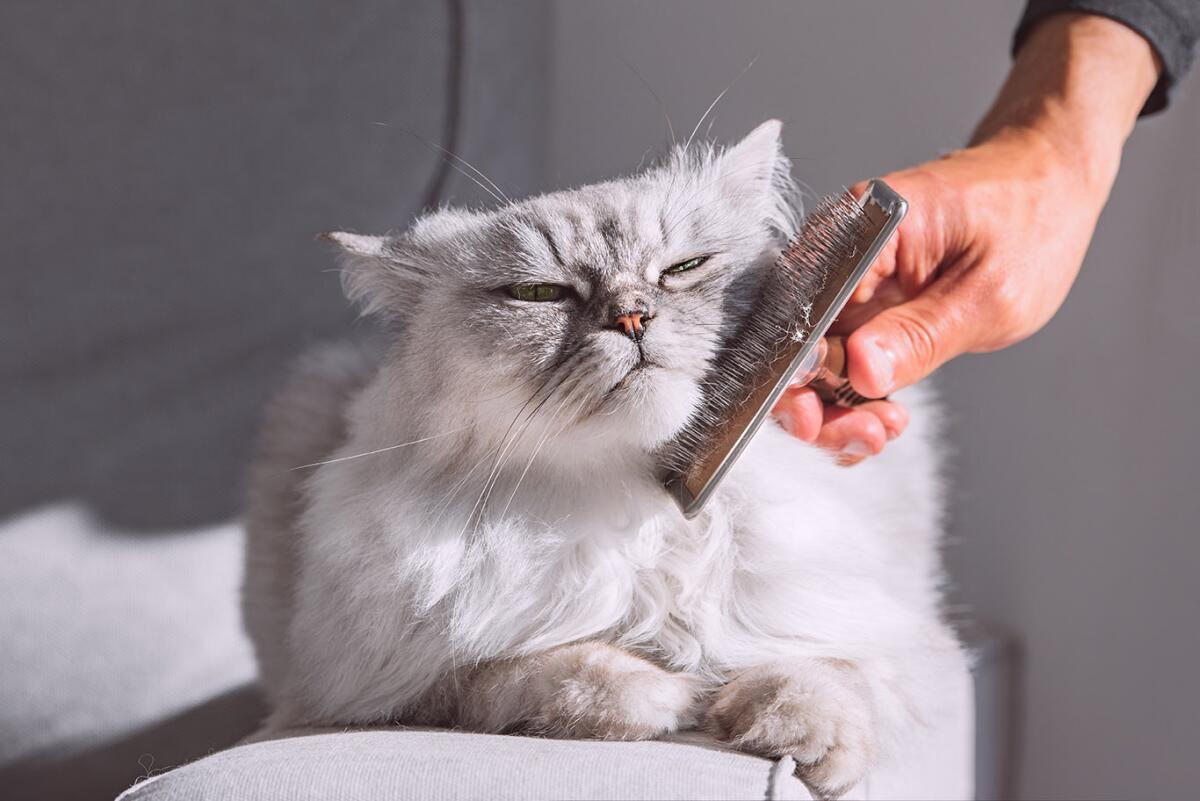
Use a soft brush or damp cloth to gently remove dirt and debris. Don’t forget to trim the fur around the paws if it grows too long—it can trap dirt and cause discomfort. Regular nail trimming also prevents scratches and painful overgrowth.
Think about the environment your cat explores. If they go outside, more frequent checks are necessary to catch any cuts or irritations early. Indoor cats still benefit from regular grooming because dust and litter can build up between their toes.
Monitoring For Problems
Pay close attention to any changes in your cat’s paw condition. Swelling, redness, limping, or excessive licking can signal issues that need immediate care. Catching these signs early can save your cat from serious infections or injuries.
Keep a small journal or notes on your phone about what you observe. This can help you track patterns and provide useful information if you visit the vet. For example, noticing your cat limping only on certain days might hint at an environmental cause.
Ask yourself: Are you noticing any new behaviors around paw care? Sometimes subtle changes in your cat’s grooming habits can indicate discomfort. Addressing these early helps keep your cat comfortable and prevents long-term problems.
Frequently Asked Questions
How Can I Encourage My Cat To Groom Their Paws?
Gently touch your cat’s paws daily to build trust. Use soft brushing and positive reinforcement with treats. Create a calm environment to reduce stress during grooming sessions. Consistency helps cats become comfortable grooming their paws over time.
Why Is Paw Grooming Important For Cats?
Paw grooming removes dirt, debris, and loose fur. It prevents infections and keeps paws healthy. Groomed paws help cats maintain good hygiene and comfort. Regular grooming also allows you to check for injuries or abnormalities early.
What Tools Help Cats Groom Their Paws Effectively?
Use a soft-bristled brush or pet grooming gloves. Avoid sharp or harsh tools that may cause discomfort. Nail clippers designed for cats also aid in maintaining paw health. Always choose tools safe and comfortable for your cat.
How Often Should I Help My Cat Groom Their Paws?
Assist your cat with paw grooming once or twice a week. Frequency depends on your cat’s activity and environment. Regular checks ensure cleanliness and detect issues early. Avoid over-grooming, which can cause irritation or stress.
Conclusion
Helping your cat groom their paws takes patience and care. Start slow and stay calm during each step. Use gentle touch and positive words to build trust. Watch your cat’s reactions and adjust your approach. Regular practice makes the process easier over time.
Clean paws keep your cat healthy and comfortable. Remember, small efforts lead to big results. Keep loving your cat and enjoy this bonding time together.

Leave a Reply