Have you ever noticed your cat licking itself more than usual? You might wonder, can a cat over groom itself?
When your furry friend spends too much time cleaning, it’s not just a quirky habit—it could be a sign of something deeper. Understanding why your cat overgrooms can help you protect its health and happiness. Keep reading to discover what causes this behavior and how you can help your cat feel better.
Why Cats Over Groom
Understanding why cats over groom themselves can help you spot potential problems before they worsen. Over grooming is often a sign that something is bothering your cat, either physically or emotionally. Recognizing the causes can guide you to provide the right care and comfort.
Stress And Anxiety Triggers
Cats can over groom when they feel stressed or anxious. Changes like moving to a new home, loud noises, or new pets can unsettle them. Over grooming becomes a way for cats to soothe themselves, but it can lead to bald patches or sores.
Have you noticed your cat licking more after guests visit or during thunderstorms? These moments might be triggering stress. Providing a calm space and engaging toys can help reduce anxiety and the urge to over groom.
Allergies And Skin Irritations
Allergies are another common reason cats groom excessively. Your cat might react to certain foods, cleaning products, or even pollen. This causes itchiness, making your cat lick or scratch the irritated skin repeatedly.
Pay attention to red or inflamed areas on your cat’s body. Sometimes, switching to a hypoallergenic diet or changing detergents can ease their discomfort. Have you checked if your cat’s environment or food has recently changed?
Parasites And Infections
Parasites like fleas or mites can cause intense itching and lead to over grooming. Infections, whether bacterial or fungal, also irritate the skin. These issues often cause your cat to focus on one spot, resulting in hair loss and sores.
Regular parasite prevention is key to stopping over grooming. If your cat is constantly biting or scratching, a vet visit might be necessary to identify and treat infections quickly.
Spotting Over Grooming Signs
Spotting over grooming signs early can save your cat from discomfort and potential skin problems. Cats often groom themselves to stay clean, but too much grooming can indicate stress, allergies, or other health issues. Knowing what to look for helps you act before the situation worsens.
Bald Patches And Hair Loss
One of the clearest signs of over grooming is bald patches. You might notice areas where your cat’s fur looks thinner or is completely missing. These spots are often found on the belly, legs, or near the tail, where your cat can reach easily.
If you spot hair loss, check if your cat is licking those areas more than usual. This behavior can worsen the baldness and lead to skin irritation. Have you seen your cat suddenly lose fur in certain spots? That’s a red flag worth investigating.
Redness And Skin Sores
Over grooming can cause redness and even sores on your cat’s skin. These irritated spots might look raw or inflamed, especially if your cat has been licking or biting the same area repeatedly. Pay attention to any swelling or scabs that don’t seem to heal.
Skin sores can become infected if ignored, leading to bigger health problems. If you notice your cat’s skin looking uncomfortable, it’s time to consult a vet. Would you want to wait until your cat feels pain before taking action?
Excessive Licking Behavior
Excessive licking is often the first sign that your cat is over grooming. You might catch your cat spending a lot more time cleaning one spot or licking itself even when it’s not dirty. This behavior can become a habit driven by anxiety or allergies.
Observe when and why your cat licks excessively. Is it after stressful events, or does it seem random? Understanding the cause can help you find ways to calm your cat and reduce this behavior.
Health Risks From Over Grooming
Over grooming in cats might seem like a harmless habit, but it can lead to serious health problems. When your cat spends too much time licking or biting its fur, it risks harming itself in ways you might not expect. Understanding these health risks helps you take action before minor issues turn into major concerns.
Skin Damage And Infections
Excessive grooming can cause your cat’s skin to become irritated and raw. Constant licking removes the protective oils, leading to dryness and redness. This damaged skin is much more vulnerable to infections, which can cause discomfort and require veterinary care.
If you notice your cat has bald patches or scabs, it’s a sign the skin is suffering. Ignoring these symptoms might allow bacteria or fungi to invade, worsening the problem. Would you wait for an infection to develop before acting?
Hairballs And Digestive Issues
Over grooming increases the amount of fur your cat swallows. This fur can form hairballs that cause blockages in the digestive tract. Frequent vomiting or constipation may be a sign your cat is struggling with hairballs.
These digestive problems can lead to discomfort and even serious health risks if untreated. Think about how you would feel if you had constant stomach pain—your cat feels the same. Helping your cat manage its grooming can prevent these issues.
Behavioral Changes
When grooming becomes excessive, it often signals underlying stress or anxiety. You might see your cat become more withdrawn or aggressive. Changes in behavior can sometimes be the first clue that your cat’s health is at risk.
Have you noticed your cat grooming more after a change in environment or routine? This behavior might be its way of coping with discomfort or fear. Addressing the root cause can reduce over grooming and improve your cat’s quality of life.
Home Remedies To Calm Grooming
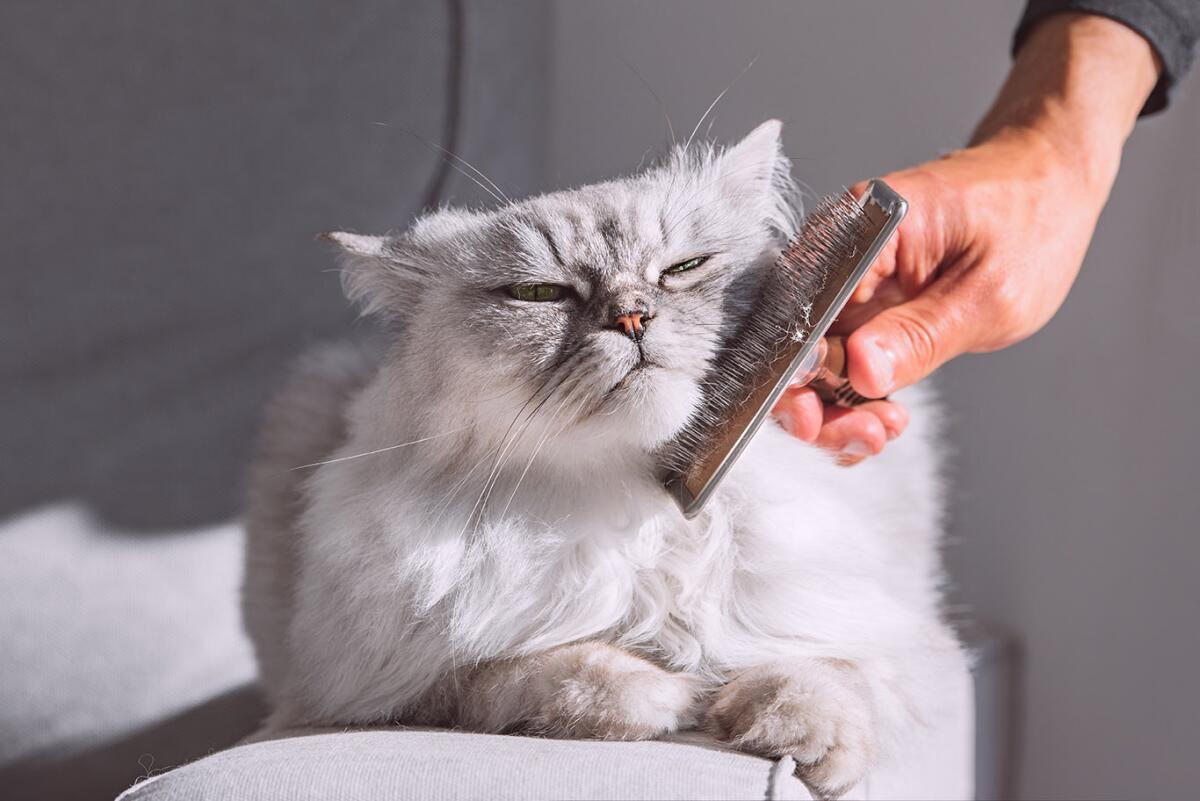
Cats may over groom due to stress or skin issues. Gentle brushing and calming scents can help soothe their behavior. Providing a quiet space often reduces excessive grooming.
Cats, with their meticulous grooming habits, sometimes take it a step too far, leading to over-grooming. This can result in bald patches, skin irritation, and even infections. While a visit to the vet is essential, there are several home remedies to help calm your cat’s grooming habits.Environmental Enrichment
Enhancing your cat’s environment can effectively reduce over-grooming. Introduce stimulating toys, climbing trees, or scratching posts to keep them engaged. A bored cat might resort to grooming as a pastime, so providing varied entertainment can be a game-changer. Rotate toys regularly to maintain your cat’s interest. Even a simple cardboard box can offer hours of fun. Create hideouts or window perches to let your cat enjoy the outside view.Stress Reduction Techniques
Stress is a common trigger for over-grooming. Identify potential stressors in your home and work towards minimizing them. If you’ve recently moved or introduced a new pet, give your cat extra attention and reassurance. Consider using pheromone diffusers to create a calming atmosphere. Playing soothing music or ensuring a quiet, safe space can also alleviate stress. Regular play sessions can further enhance your cat’s mood and overall well-being.Dietary Adjustments
Your cat’s diet can influence their grooming behavior. Ensure they are receiving a balanced diet rich in essential nutrients. Omega-3 fatty acids, found in fish oils, are known to promote healthy skin and coat. Introduce wet food if your cat is on a dry food diet to ensure adequate hydration. Consult with your vet before making any significant dietary changes. A healthy diet can reduce skin irritations, which might be the underlying cause of over-grooming. Is your cat still grooming excessively despite these changes? If so, it might be time to seek professional advice. Prioritizing your cat’s health and comfort is key to ensuring they lead a happy, purr-filled life.When To Seek Vet Help
Noticing your cat grooming excessively can be worrying. It’s important to know when this behavior signals a deeper issue that needs professional care. Seeking veterinary help early can prevent your cat’s condition from worsening and provide relief faster.
Professional Diagnosis
A vet will start by examining your cat carefully. They look for skin infections, parasites, or allergies that might cause over grooming. Sometimes, blood tests or skin scrapings are necessary to find hidden problems.
Have you seen your cat licking the same spot until it looks raw? That’s a clear sign to get a professional opinion. Early diagnosis helps target the root cause instead of just treating symptoms.
Medical Treatments
Depending on the diagnosis, your vet may suggest medications. These could include antibiotics for infections, antihistamines for allergies, or special shampoos to soothe irritated skin.
In some cases, your cat might need pain relief or anti-inflammatory drugs. These treatments not only reduce discomfort but also help stop the cycle of over grooming.
- Topical ointments to heal wounds
- Flea control products to eliminate parasites
- Dietary changes to address food sensitivities
Behavioral Therapy Options
Sometimes, over grooming is driven by stress or anxiety. Your vet might recommend behavior changes to calm your cat.
Simple steps like providing more playtime, enriching the environment, or using calming pheromones can make a big difference. In certain situations, anti-anxiety medications may be prescribed to reduce compulsive grooming.
Think about your cat’s daily routine—are there new stressors like a move or new pet? Identifying and reducing these triggers can stop over grooming before it starts.
Preventing Over Grooming
Preventing over grooming in cats helps keep their skin and fur healthy. Over grooming can cause bald spots, sores, and discomfort. Early care reduces the risk of serious problems. Understanding daily habits and health needs is key to prevention.
Regular Parasite Control
Parasites often cause itching, leading cats to groom too much. Fleas and mites irritate the skin. Use vet-recommended treatments regularly. Check your cat’s fur for signs of pests. Keep their environment clean to reduce parasite risks.
Consistent Grooming Routine
Brushing your cat daily removes loose fur and dirt. It helps reduce stress and prevents hairballs. Grooming also lets you spot skin issues early. Use gentle brushes suited for your cat’s fur type. Make grooming a calm and positive time.
Monitoring Behavioral Changes
Watch for sudden changes in grooming habits. Excessive licking or biting can signal stress or pain. Note any new bald patches or redness. Keep track of your cat’s activity and mood. Early detection helps address problems before they worsen.
Frequently Asked Questions
Can Cats Groom Themselves Too Much?
Yes, cats can over groom, leading to hair loss and skin irritation. It often signals stress or medical issues.
What Causes A Cat To Over Groom?
Over grooming can be triggered by allergies, parasites, anxiety, or skin infections. Identifying the cause is key to treatment.
How Can I Stop My Cat From Over Grooming?
Provide a calm environment, regular vet check-ups, and use prescribed treatments. Behavioral therapy may also help reduce stress.
Is Over Grooming Harmful To Cats?
Yes, excessive grooming can cause wounds, infections, and discomfort. It affects your cat’s health and well-being.
Conclusion
Cats can groom too much, which may harm their skin. Stress, allergies, or pain often cause over grooming. Watch your cat’s behavior and fur condition closely. Early action helps prevent wounds and infections. Consult a vet if you see hair loss or sores.
A healthy cat feels calm and comfortable. Care and attention keep your pet happy and safe. Remember, grooming is good, but balance matters most.

Leave a Reply