Grooming your cat can sometimes feel like a battle, leaving both you and your furry friend stressed. But what if you could turn those tense moments into calm, peaceful ones?
You’re about to discover simple, effective ways to keep your cat relaxed while grooming. Whether your cat hates brushes or gets anxious during nail trims, these tips will help you create a calmer grooming routine. Keep reading, and you’ll learn how to make grooming a positive experience for both you and your cat.
Preparing Your Cat For Grooming
Preparing your cat for grooming helps make the experience calm and smooth. Cats can feel stressed during grooming if they are not ready. Taking small steps before grooming helps your cat stay relaxed. It also makes grooming easier for you.
Choosing The Right Time
Pick a time when your cat is calm and relaxed. Avoid grooming right after meals or playtime. Quiet moments, like after a nap, work best. A calm cat is less likely to resist grooming. Watch your cat’s mood to find the best time.
Creating A Comfortable Space
Set up a quiet, warm spot for grooming. Use a soft towel or blanket for comfort. Keep the area free from loud noises and distractions. A familiar space helps your cat feel safe. Good lighting helps you see the fur and skin clearly.
Gathering Essential Grooming Tools
Have all tools ready before you start. Common tools include:
- A gentle brush or comb
- Cat nail clippers
- Soft towels
- Styptic powder for small cuts
- Cat-safe wipes or grooming spray
Keep tools within reach to avoid leaving your cat alone. Clean tools prevent discomfort or skin issues.
Techniques To Soothe Your Cat
Keeping a cat calm during grooming requires patience and gentle care. Using the right techniques helps your cat feel safe and relaxed. Calm cats are easier to groom and less likely to resist. Here are some effective ways to soothe your cat during grooming sessions.
Using Gentle Touch And Slow Movements
Start with light strokes to help your cat adjust. Use slow, smooth movements to avoid startling your pet. Move your hands gently over the fur and skin. Avoid quick or jerky actions that cause stress. A soft touch makes grooming feel like a pleasant experience.
Incorporating Massage And Positive Reinforcement
Massage your cat’s neck and behind the ears to relax muscles. This helps reduce tension and builds trust. Offer treats or praise to reward calm behavior. Positive reinforcement makes grooming a positive event. Over time, your cat will look forward to these sessions.
Recognizing And Responding To Stress Signals
- Watch for signs like tail flicking or ears flattening.
- Notice if your cat tries to escape or growls.
- Pause grooming if your cat shows discomfort.
- Give breaks to let your cat calm down.
- Respect your cat’s limits to build confidence.
Handling Common Grooming Challenges
Handling common grooming challenges is essential to keep your cat calm and cooperative. Each cat reacts differently to grooming, so understanding how to address fear, aggression, and physical issues like matting can make a huge difference. Let’s look at practical ways to manage these challenges and turn grooming time into a positive experience for both you and your cat.
Managing Fear And Anxiety
Many cats become fearful during grooming because they don’t understand what’s happening. To ease their anxiety, start with short sessions and use a calm, gentle voice. Offering treats before, during, and after grooming can create positive associations with the experience.
Try to groom your cat in a quiet, comfortable space without distractions. If your cat freezes or tries to escape, pause and give them a moment to relax before continuing. Have you noticed how your cat’s body language changes when they’re stressed? Paying attention to these signs can help you intervene early.
Dealing With Aggression Or Resistance
Some cats react aggressively to grooming, swatting or biting to protect themselves. Protect your hands with thick gloves if needed, but avoid forcing your cat, which can increase resistance. Instead, break grooming into smaller, manageable steps.
Distract your cat with toys or treats while grooming tricky areas. If your cat becomes aggressive, stop immediately and try again later. Remember, patience often works better than force. Have you considered enlisting a second person to help hold your cat gently during grooming?
Preventing Matting And Hairballs
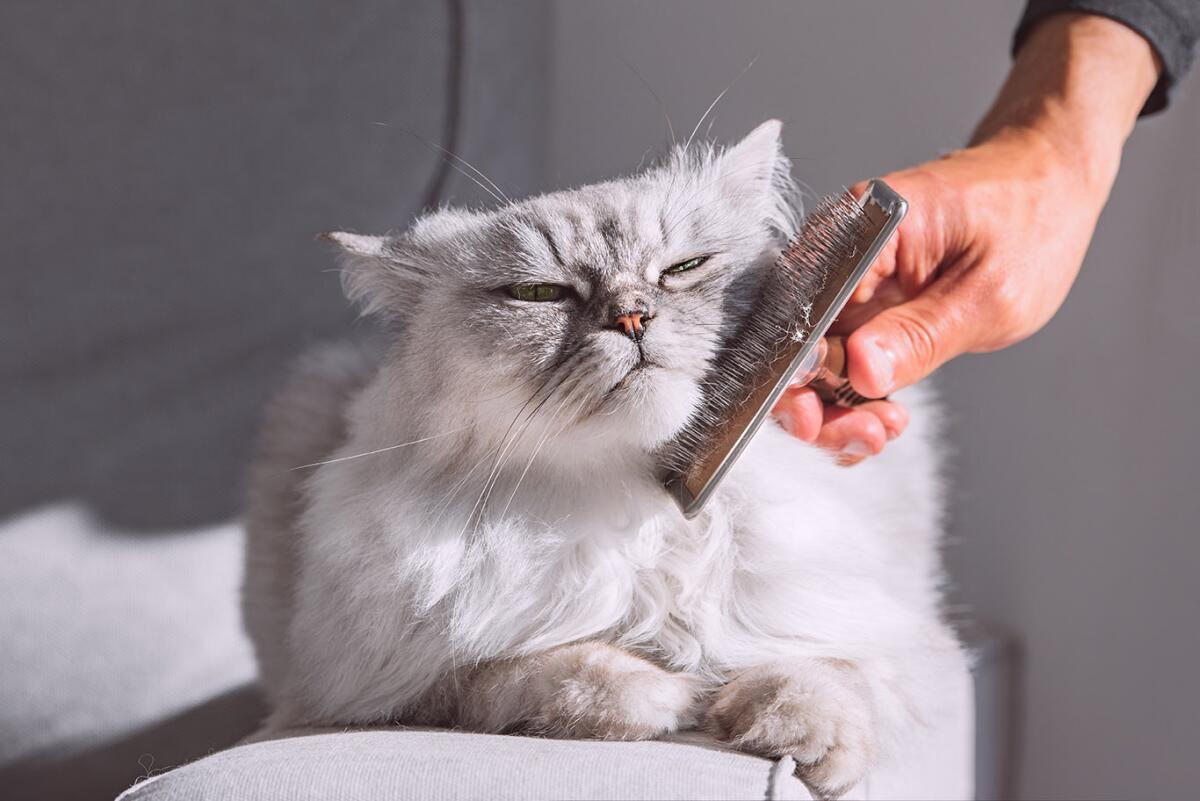
Mats can cause pain and lead to more grooming challenges. Regular brushing prevents mats from forming and reduces the chance of hairballs. Use the right tools for your cat’s fur type, such as a slicker brush for long-haired cats or a rubber grooming glove for short-haired breeds.
Check common problem areas like behind the ears, under the legs, and around the collar. If you find mats, gently work them out with your fingers or a mat splitter. Ignoring mats can cause discomfort and make your cat more resistant to grooming next time. How often do you check your cat’s coat for these hidden problem spots?
Additional Tips For Long-term Calmness
Keeping a cat calm during grooming is easier with long-term care strategies. These tips help build trust and reduce stress over time. A calm cat is more relaxed and cooperative during grooming sessions.
Regular Grooming Habits
Establish a grooming routine early on. Groom your cat at the same time and place daily or weekly. Short, frequent sessions work better than long, rare ones. Use gentle strokes and talk softly to your cat. This consistency helps your cat expect grooming calmly.
Using Calming Products And Aids
Try calming sprays or diffusers made with natural pheromones. These products create a soothing environment for your cat. Soft blankets or warm towels provide comfort during grooming. Use treats to reward calm behavior. These aids support relaxation and positive grooming experiences.
Consulting A Veterinarian Or Professional Groomer
Speak with a vet if your cat shows severe stress or aggression. They may suggest safe calming medications or supplements. Professional groomers have experience handling anxious cats. They can offer advice or perform grooming if needed. Getting expert help ensures your cat’s safety and comfort.
Frequently Asked Questions
How Can I Calm My Cat Before Grooming?
To calm your cat, create a quiet environment and use gentle petting. Speak softly and offer treats. Gradually introduce grooming tools to reduce anxiety. Consistency helps your cat feel secure during grooming sessions.
What Grooming Tools Keep Cats Calm?
Use soft brushes and combs designed for cats. Avoid noisy or harsh tools that scare them. Slicker brushes and rubber grooming gloves work well. Choose tools based on your cat’s fur type for comfort.
How Long Should A Grooming Session Last?
Keep grooming sessions short, about 5 to 10 minutes. Short sessions prevent stress and allow your cat to relax. Gradually increase time as your cat becomes comfortable. Always end on a positive note with praise or treats.
Why Does My Cat Get Anxious During Grooming?
Cats may feel anxious due to unfamiliar tools or handling. Past negative experiences can increase fear. Noise, smells, or unfamiliar environments also contribute. Understanding triggers helps tailor a calm grooming routine.
Conclusion
Keeping your cat calm during grooming takes patience and care. Speak softly and move slowly to ease their nerves. Use gentle strokes and short sessions to avoid stress. Give treats and praise to create positive feelings. Watch your cat’s body language to know when to pause.
Regular grooming helps your cat get used to the process. With kindness and consistency, grooming can become a calm, happy time. Your cat will thank you with trust and comfort. Simple steps make a big difference every day.

Leave a Reply