Have you ever noticed your cat sneezing right after grooming? It can be surprising and even a little worrying.
You might wonder if something is wrong or if your furry friend needs a vet visit. Understanding why your cat sneezes during grooming can help you keep them comfortable and healthy. You’ll discover the common reasons behind those sudden sneezes and what you can do to help your cat feel better.
Keep reading to learn how to protect your pet and enjoy those grooming moments without any sneezing surprises.
Common Causes Of Sneezing During Grooming
Noticing your cat sneeze during grooming can be puzzling and a bit concerning. Understanding the common causes of sneezing during this routine activity helps you care better for your feline friend. Sneezing can be triggered by various factors related to the grooming environment and products used.
Allergic Reactions To Grooming Products
Some cats react to shampoos, conditioners, or grooming sprays with sneezing. These products might contain fragrances or chemicals that irritate your cat’s sensitive nasal passages. If your cat starts sneezing more after a grooming session, consider switching to hypoallergenic or natural grooming products.
Have you checked the ingredient list on your cat’s grooming supplies lately? Even small changes in formulas can cause reactions. Testing a new product on a small area before full use can prevent sneezing fits.
Irritation From Loose Fur And Dander
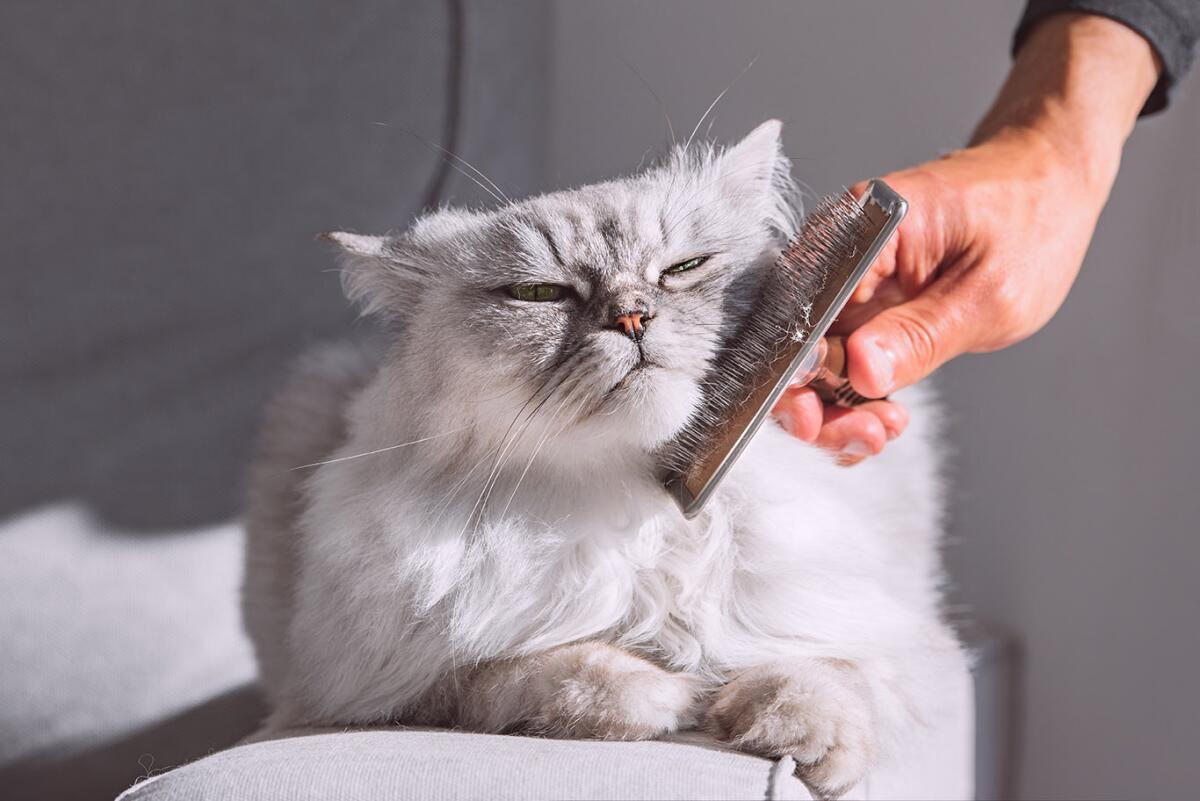
Grooming often loosens fur and dander, which can float into your cat’s nose and cause sneezing. Cats with thick or long coats tend to shed more, increasing the chance of irritation. Using a gentle brush and grooming in a well-ventilated area can reduce this problem.
Think about how you feel when dust or tiny particles get in your nose—it’s similar for your cat. Regular grooming helps remove loose fur before it becomes airborne. Have you tried using a damp cloth to capture loose fur during brushing?
Sensitivity To Dust And Environmental Allergens
Your cat might sneeze if grooming stirs up dust or pollen trapped in their fur. Indoor cats are not exempt; dust mites in carpets and furniture can cause reactions during grooming. Keeping your home clean and using air purifiers can help minimize allergens around your pet.
Does your cat sneeze more in certain rooms? Identifying and reducing environmental allergens can make grooming a more comfortable experience. You might also notice sneezing spikes during certain seasons when pollen levels are high.
Health Issues Linked To Sneezing
Sneezing during grooming isn’t just a quirky habit your cat has. It can signal underlying health issues that need your attention. Understanding these health problems helps you decide when a vet visit is necessary and how to keep your feline friend comfortable.
Upper Respiratory Infections
Upper respiratory infections (URIs) are common in cats and can cause sneezing fits, especially during grooming. The irritation from nasal discharge or inflammation can trigger sneezes when your cat cleans its face. If you notice your cat sneezing frequently with watery eyes or nasal congestion, it’s a red flag to check for a URI.
Nasal Polyps Or Foreign Objects
Sometimes, sneezing happens because something is stuck in your cat’s nose or because of nasal polyps. These growths or objects irritate the nasal passages, making your cat sneeze when it grooms. If sneezing is persistent or accompanied by nosebleeds or difficulty breathing, a vet exam is crucial to identify and remove the cause.
Dental Problems Affecting Nasal Passages
Dental issues can surprisingly cause sneezing during grooming. Infections or abscesses in the upper teeth can spread to the nasal passages, leading to sneezing and discomfort. If your cat has bad breath, drooling, or avoids grooming one side of the face, dental problems might be the hidden trigger behind those sneezes.
Behavioral Factors And Grooming Habits
Understanding why your cat sneezes during grooming involves looking closely at their behavior and grooming habits. Cats have unique ways of cleaning themselves, and these routines can sometimes trigger sneezing. Paying attention to how your cat grooms and the context around it can reveal surprising reasons behind those sudden sneezes.
Excessive Grooming And Stress
Have you noticed your cat grooming more than usual? Excessive grooming can be a sign of stress or anxiety. When cats feel stressed, they may lick themselves repeatedly, which can irritate their nose and cause sneezing.
Stress-related grooming often happens after changes in the environment, like moving to a new home or introducing a new pet. This over-grooming can dry out nasal passages or stir up dust and dander, leading to sneezing fits. Recognizing these signs can help you reduce your cat’s stress and improve their comfort.
How Grooming Style Impacts Sneezing
Different cats have different grooming styles. Some use their tongues vigorously, while others prefer gentle strokes with their paws. Rough or vigorous grooming can accidentally push dust, loose fur, or even tiny debris into the nose.
If your cat tends to groom around the face frequently, this can directly irritate their nasal passages. You might want to observe if sneezing happens right after these grooming sessions. Sometimes, a gentle wipe with a damp cloth can help reduce irritation and keep your cat comfortable.
When To See A Veterinarian
Knowing when to see a veterinarian is important if your cat sneezes while grooming. Sneezing can be normal sometimes. But frequent or severe sneezing might mean there is a problem. Early care helps your cat stay healthy and comfortable.
Warning Signs Beyond Sneezing
Watch for these signs that need a vet visit:
- Persistent sneezing lasting more than a week
- Discharge from the nose or eyes
- Coughing or difficulty breathing
- Swelling around the face or nose
- Loss of appetite or lethargy
- Excessive pawing at the face or nose
These symptoms show your cat may have an infection or allergy.
Diagnosis And Treatment Options
The vet will examine your cat carefully. They may:
- Check the nasal passages and throat
- Take samples for lab tests
- Use X-rays to see inside the nose
Treatment depends on the cause found. Options include:
- Antibiotics for infections
- Antihistamines for allergies
- Cleaning nasal passages
- Special care for dental problems
Follow the vet’s advice closely for the best recovery.
Tips To Reduce Sneezing During Grooming
Cats may sneeze during grooming due to dust or loose hair irritating their noses. Using a soft brush and grooming in a well-ventilated area can help reduce sneezing. Keeping grooming sessions short also makes the process more comfortable for your cat.
Is your cat sneezing during grooming sessions? It can be a bit concerning, but don’t worry. There are several ways to help your feline friend breathe easier while maintaining their fluffy coat. From choosing the right tools to creating a sneeze-free environment, let’s dive into some effective tips.Choosing The Right Grooming Tools
Selecting the right grooming tools can make a world of difference. Opt for brushes and combs designed for your cat’s specific fur type. A soft-bristled brush, for instance, reduces irritation and minimizes airborne fur that might trigger sneezing. Think about the tool’s material too. Plastic can build up static, which can cause discomfort. Instead, consider metal combs with rounded edges for a smoother experience.Maintaining A Clean Environment
A clean grooming area helps reduce allergens. Regularly vacuum the space where you groom your cat to eliminate fur and dander. Use air purifiers to capture dust and other particles. This creates a cleaner atmosphere, making grooming sessions more enjoyable for both you and your cat.Using Hypoallergenic Products
Consider switching to hypoallergenic grooming products. Shampoos and conditioners free from harsh chemicals can prevent sneezing by being gentle on your cat’s skin and respiratory system. Check labels for ingredients that are known irritants. Your cat’s health and comfort are worth the extra effort to ensure the products you use are safe and effective. By implementing these small changes, you can make grooming a sneeze-free activity. Have you tried any of these tips, or do you have others that work for your cat?Frequently Asked Questions
Why Does My Cat Sneeze During Grooming?
Cats may sneeze while grooming due to irritants like dust or dander. Sneezing helps clear their nasal passages. It is usually harmless unless accompanied by other symptoms.
Can Allergies Cause Sneezing In Cats When Grooming?
Yes, allergies to dust, pollen, or grooming products can trigger sneezing. Allergic reactions irritate a cat’s nose and throat, causing frequent sneezing during grooming.
Is Sneezing During Grooming A Sign Of Illness?
Occasional sneezing is normal, but frequent sneezing with discharge may indicate an infection. Consult a vet if sneezing persists or worsens.
How Can I Reduce My Cat’s Sneezing While Grooming?
Use gentle, unscented grooming products and keep your cat’s environment clean. Regular brushing reduces allergens and minimizes sneezing triggers during grooming.
Conclusion
Cats often sneeze while grooming because dust or hair irritates their nose. This is normal, but watch for frequent or strong sneezes. Allergies, infections, or foreign particles might cause more sneezing. Keep your cat’s environment clean to reduce dust and allergens.
Regular grooming helps remove loose hair that can trigger sneezing. If sneezing lasts long or your cat seems sick, visit the vet. Understanding these simple reasons helps you care better for your furry friend. Stay observant and keep your cat happy and healthy.

Leave a Reply