Do you have a long-haired cat and wonder if grooming is really necessary? You might be asking yourself, “Should I get my long hair cat groomed?” It’s a question that every cat owner with a fluffy friend faces.
Long hair can look beautiful, but it also brings challenges like mats, tangles, and shedding. Ignoring grooming could cause your cat discomfort or health issues. But how do you know if professional grooming is the right choice for your furry companion?
Keep reading to discover the benefits, risks, and tips to keep your cat happy and healthy with the right grooming routine. Your cat deserves the best care, and you’ll want to make the right decision for both of you.
Benefits Of Grooming Long Hair Cats
Grooming long hair cats offers many benefits for both pets and owners. Regular grooming keeps your cat’s coat shiny and healthy. It helps avoid common problems that long fur can cause. Grooming also strengthens the bond between you and your cat. It makes your cat feel comfortable and loved.
Improved Coat Health
Grooming removes dirt and dead skin from your cat’s coat. It spreads natural oils that keep fur soft and shiny. A clean coat prevents skin issues and infections. Regular brushing boosts blood flow to the skin. This supports your cat’s overall health and comfort.
Reduced Shedding
Long hair cats shed more fur than short hair cats. Grooming helps catch loose fur before it falls around the house. This reduces hair on furniture and clothing. Less shedding means fewer hairballs for your cat. Your home stays cleaner and fresher.
Prevention Of Mats And Tangles
Long fur easily forms mats and tangles. These can pull on your cat’s skin and cause pain. Mats trap dirt and moisture, leading to infections. Grooming breaks up tangles before they become a problem. It keeps your cat comfortable and happy every day.
Signs Your Cat Needs Grooming
Long-haired cats need regular grooming to stay healthy and happy. Knowing the signs that your cat needs grooming helps you keep their coat clean and comfortable. Watch for clear signals that show grooming is necessary. These signs can also prevent health problems.
Visible Mats And Tangles
Mats and tangles appear as clumps of fur stuck together. They can pull on your cat’s skin and cause pain. Mats often trap dirt and moisture, leading to infections. If you see mats, it is time to groom your cat carefully. Regular brushing helps stop mats from forming.
Excessive Shedding
Shedding is normal, but too much fur on furniture or clothes is a warning. Excess shedding can mean your cat’s coat needs attention. Grooming removes loose hair and reduces shedding around the house. It also helps your cat feel more comfortable and less itchy.
Skin Irritation Or Odor
Look for redness, bumps, or scabs on your cat’s skin. These signs show irritation or possible infection. A bad smell from the fur or skin also means grooming is needed. Dirt and oils build up without grooming, causing odor and discomfort. Cleaning and brushing keep your cat’s skin healthy.
Professional Grooming Vs. Home Grooming
Deciding between professional grooming and grooming your long-haired cat at home can be challenging. Each option has clear benefits and potential drawbacks. Understanding these can help you choose what’s best for your furry friend’s comfort and health.
Advantages Of Professional Services
Professional groomers have experience handling cats of all temperaments, especially those with long, delicate fur. They use specialized tools that can safely remove mats and tangles without hurting your cat.
Groomers also spot skin issues or parasites early, which you might miss. Plus, they save you time and reduce stress for both you and your cat during grooming sessions.
Tips For Grooming At Home
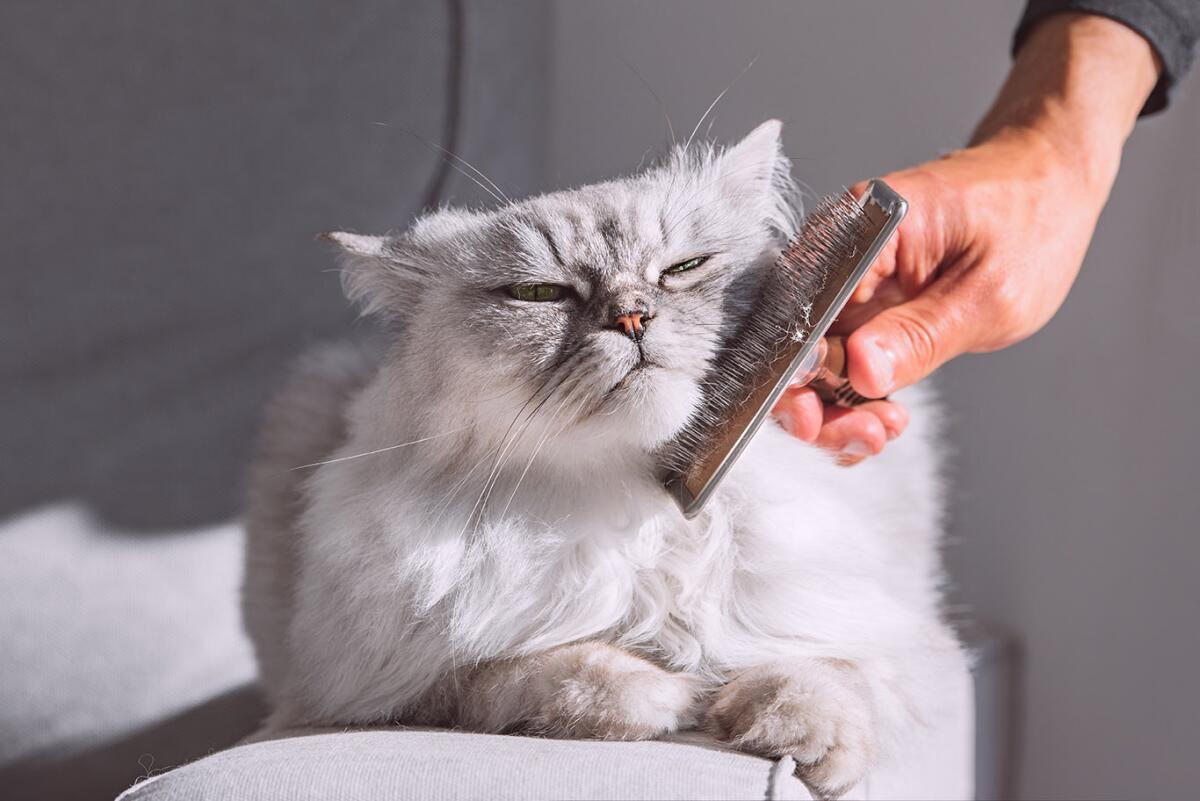
Start by brushing your cat regularly to prevent mats from forming. Use a wide-toothed comb for detangling and a slicker brush for smooth fur.
Keep sessions short and reward your cat with treats to create a positive experience. If your cat resists, try grooming in a quiet room and take breaks to avoid frustration.
When To Seek Expert Help
If your cat’s fur is heavily matted or if your pet becomes stressed or aggressive during grooming, it’s time to call a professional. Health issues like skin infections or unusual lumps also require expert attention.
Remember, professional groomers can handle tricky situations safely, reducing the risk of injury to your cat. Are you confident your home grooming routine covers all your cat’s needs?
Essential Grooming Tools
Keeping a long-haired cat neat needs the right tools. These tools help maintain their fur’s health. They reduce tangles and keep your cat comfortable. Grooming also protects against skin problems and matting.
Brushes And Combs
Choose a brush made for long fur. Slicker brushes remove loose hair and dirt. Wide-tooth combs work well for detangling. Use a fine-tooth comb for delicate areas like the face. Regular brushing stops mats and reduces shedding.
Nail Clippers
Trim your cat’s nails to avoid scratching or damage. Use clippers designed for cats or small pets. Keep the nail clipper sharp and clean. Cut just the tip to avoid pain or bleeding. Nail care helps protect your furniture and skin.
Shampoos And Conditioners
Pick shampoos made for cats, not humans. Gentle formulas keep the fur soft and clean. Conditioners help prevent tangles and dry skin. Bathing your cat with the right products improves coat shine. Always rinse well to avoid irritation.
Preparing Your Cat For Grooming
Long-haired cats often require regular grooming. It helps prevent mats and keeps their coat healthy. Grooming also reduces shedding and hairballs.
Preparing your cat for grooming can be a rewarding experience, both for you and your feline friend. This process ensures that your long-haired cat remains comfortable and relaxed, making grooming easier and more enjoyable. With a little patience and preparation, you can transform grooming time into a bonding moment that strengthens your relationship with your pet.Creating A Calm Environment
Cats are sensitive creatures, and a tranquil environment can make all the difference in their grooming experience. Choose a quiet room away from loud noises and distractions. Soft music or calming cat pheromone diffusers can help soothe your cat’s nerves. Ensure that the room is at a comfortable temperature and free of any sudden movements that might startle your cat. Familiar toys or blankets can offer additional comfort, making the environment even more inviting.Getting Your Cat Comfortable
Before you start grooming, spend some time getting your cat used to being touched. Gently stroke and pet them while speaking in a calm, reassuring voice. This helps your cat associate your touch with positive experiences. Introduce grooming tools gradually, allowing your cat to sniff and explore them before you begin. If your cat seems hesitant, a few treats can encourage positive association with the grooming process.Handling Difficult Cats
Some cats may resist grooming more than others, and that’s okay. If your cat shows signs of distress, take a step back and give them space. Patience is key to building trust and ensuring a successful grooming experience. Consider enlisting the help of a professional groomer if your cat remains uncooperative. Professional groomers have the expertise to handle even the most challenging feline personalities, ensuring that your cat remains safe and stress-free. Is your cat still hesitant about grooming? Share your experiences in the comments and let’s find solutions together!Common Grooming Challenges
Long-haired cats need special care to keep their coats healthy. Grooming can be tricky for these fluffy friends. Their fur easily tangles and mats. Shedding can fill your home with hair. Skin problems might also arise without proper care. Understanding common grooming challenges helps you decide about professional grooming.
Dealing With Mats And Tangles
Mats form when fur knots tightly. They pull on your cat’s skin and cause pain. Tangles are smaller knots that can turn into mats. Regular brushing prevents mats and tangles from forming. Use a wide-tooth comb or a slicker brush. Be gentle to avoid hurting your cat. If mats get too tight, a groomer can help safely remove them.
Managing Shedding Seasons
Long-haired cats shed more during certain seasons. They lose old fur to grow new coats. This can cause loose hair all over your home. Frequent brushing removes loose fur before it falls. Groomers can give your cat a deep cleaning. This helps reduce shedding and keeps your home cleaner.
Avoiding Skin Irritations
Long fur traps dirt and moisture close to the skin. This can cause irritation or infections. Grooming removes dirt and lets the skin breathe. Watch for redness, bumps, or scabs on your cat’s skin. These signs may need a vet’s attention. Professional groomers can spot skin issues early and handle sensitive areas carefully.
Health Benefits Beyond Appearance
Grooming your long-haired cat offers more than just a neat look. It plays a key role in keeping your cat healthy and happy. Regular grooming helps spot health problems early, keeps your cat comfortable, and builds a stronger bond between you and your pet.
Early Detection Of Health Issues
Grooming lets you check your cat’s skin and coat closely. You can find lumps, bumps, or wounds early. Detecting fleas, ticks, or infections becomes easier. Early treatment helps avoid serious problems later. Regular grooming is like a health check for your cat.
Improved Comfort And Mobility
Long hair can get tangled and heavy. Grooming removes mats and knots that pull on the skin. This relief helps your cat move freely without pain. Clean fur reduces itching and irritation. Your cat feels lighter and more comfortable after grooming.
Enhanced Bonding With Your Cat
Grooming time is quiet and calm. It creates trust and closeness between you and your cat. Your cat learns to enjoy being touched and cared for. This strengthens your relationship and makes your cat feel safe. Grooming deepens the connection beyond just looks.
Frequently Asked Questions
What Are The Benefits Of Grooming A Long-haired Cat?
Grooming prevents mats, reduces shedding, and keeps fur healthy. It also helps spot skin issues early and reduces hairballs. Regular grooming improves your cat’s comfort and appearance, promoting overall well-being.
How Often Should I Groom My Long-haired Cat?
Long-haired cats need grooming at least 2-3 times per week. Frequent brushing prevents tangles and mats. Professional grooming every few months helps maintain coat health and manage difficult areas.
Can Grooming Reduce My Cat’s Shedding?
Yes, grooming removes loose fur and reduces shedding. Regular brushing catches hair before it falls around your home. It also helps distribute natural oils, keeping the coat shiny and healthy.
Is Professional Grooming Safe For Long-haired Cats?
Professional groomers are trained to handle cats safely and gently. They know how to manage mats and use proper tools. Choose a reputable groomer with experience in long-haired cats for the best care.
Conclusion
Long hair cats need regular care to stay healthy and clean. Grooming helps prevent mats and keeps fur soft. It also reduces shedding and hairballs. Professional groomers know how to handle cats safely. They can spot skin problems early. Grooming saves you time and stress at home.
Your cat will feel more comfortable and happy. Decide based on your cat’s needs and your schedule. Taking action today means a happier cat tomorrow. Simple care makes a big difference.

Leave a Reply