If you have a long-haired cat, you know how tricky it can be to keep their chest area clean and tangle-free. You want your furry friend to look and feel their best, but grooming that thick, delicate fur can be challenging.
Don’t worry—this guide will show you simple, effective steps to groom your cat’s chest without stress or fuss. By the end, you’ll have the confidence to keep your cat comfortable and their coat shining beautifully. Ready to make grooming easier for both you and your pet?
Let’s dive in!
Preparing For Grooming
Preparing to groom a long-haired cat’s chest is important. It helps make the process smooth and stress-free. This preparation keeps your cat comfortable and the grooming effective. A calm, well-prepared setting avoids fuss and tangles. Start by choosing the right tools, setting up a quiet space, and checking your cat’s skin for problems. These steps create a good base for grooming.
Choosing The Right Tools
Use tools made for long-haired cats. A wide-tooth comb helps detangle gently. A slicker brush removes loose fur and dirt. Have scissors or clippers ready for trimming mats. Use grooming gloves if your cat dislikes brushing. Clean and sharpen your tools before use. This keeps grooming fast and safe.
Creating A Calm Environment
Find a quiet room with soft lighting. Avoid loud noises and distractions. Place a soft towel or mat on a table or lap. Speak softly to your cat to keep it relaxed. Keep sessions short to avoid stress. Offer gentle pets and breaks if needed.
Checking For Skin Issues
Look closely at your cat’s chest skin. Check for redness, bumps, or sores. Notice any signs of irritation or hair loss. Watch for fleas, ticks, or other pests. If you find problems, see a vet first. Healthy skin makes grooming easier and safer.
Step-by-step Grooming Process
Grooming a long-haired cat’s chest takes patience and care. This area often collects dirt and tangles. Regular grooming keeps your cat comfortable and their fur healthy. Use gentle, consistent actions to avoid hurting your cat.
Follow this clear process to maintain a soft, clean chest coat. Each step helps reduce mats and keeps the fur shiny. Watch your cat’s reactions to adjust your approach and keep them calm.
Brushing Techniques For Long Fur
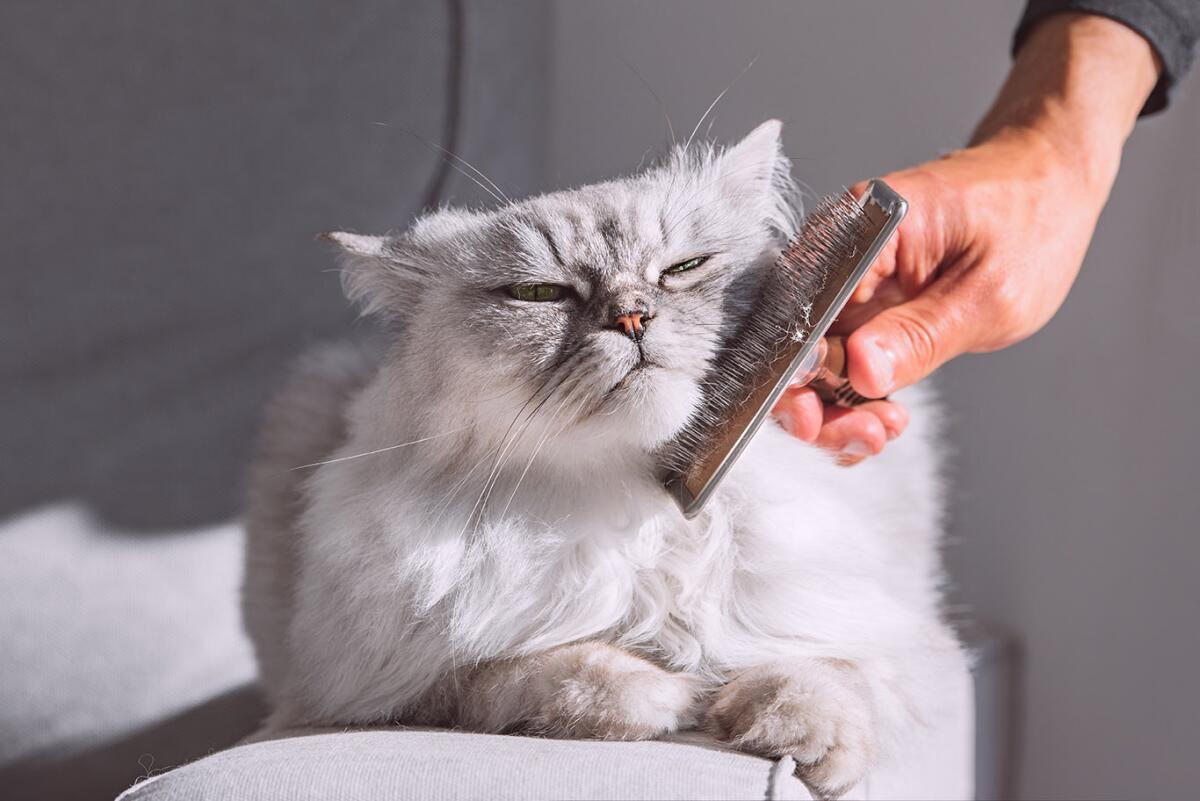
Choose a soft-bristle brush or wide-tooth comb. Start by brushing gently in the direction of hair growth. Use slow, smooth strokes to avoid pulling on the fur. Focus on the chest, where tangles often form. Brush small sections at a time to be thorough. Repeat daily or every other day for best results.
Detangling Knots Safely
Identify knots by feeling the fur with your fingers. Hold the base of the fur close to the skin to reduce pulling. Use a detangling comb or your fingers to work through the knot. Start from the edge of the tangle and slowly work inward. If knots are tight, apply a small amount of cat-safe detangler spray. Never cut knots unless you are sure it is safe.
Cleaning The Chest Area
Use a damp cloth or pet wipe to clean the chest area. Gently wipe away dirt and debris without rubbing hard. For oily spots, use a mild cat shampoo and warm water. Avoid soaking the fur to prevent discomfort. Dry the area with a soft towel after cleaning. Regular cleaning prevents buildup and skin irritation.
Preventing Future Tangles
Tangles in your long-haired cat’s chest can be a daily challenge. Preventing these knots before they form saves you time and keeps your cat comfortable. The key lies in consistent care and attention to your cat’s lifestyle and grooming needs.
Regular Grooming Schedule
Set a grooming routine that fits your cat’s coat length and activity level. Brushing their chest area every day or every other day prevents mats from forming. Use a wide-tooth comb followed by a soft-bristle brush to gently remove loose hair and dirt.
Try to make grooming a bonding moment rather than a chore. Notice how your cat reacts and adjust your technique to keep them relaxed. Have you noticed your cat’s mood improves after grooming sessions?
Diet And Hydration Tips
Your cat’s diet directly affects their coat health. Foods rich in omega-3 and omega-6 fatty acids promote a shiny, smooth coat less prone to tangling. Consider supplements like fish oil, but always check with your vet first.
Hydration is just as important. A well-hydrated cat has softer fur that’s easier to manage. If your cat drinks little water, try adding wet food to their meals or using a cat water fountain to encourage more drinking.
Using Protective Clothing
Protective clothing can be a surprising but effective way to reduce tangles, especially if your cat is active outdoors. Lightweight, breathable cat shirts or vests shield the chest area from dirt and debris that cause mats. Choose soft fabrics that don’t irritate their skin.
Introducing clothing gradually helps your cat get used to the feeling without stress. Have you ever tried a simple cat shirt during playtime or trips outside? It can make a noticeable difference in keeping fur smooth.
Handling Common Grooming Challenges
Grooming a long-haired cat’s chest can be tricky. Cats may resist or have tangled fur. Challenges like sensitive skin and mats often arise. Patience and the right approach help overcome these issues. Understanding when to get expert help keeps your cat safe and healthy.
Dealing With Sensitive Cats
Some cats dislike touch in certain areas. The chest is one of these sensitive spots. Use a soft brush or comb to start gently. Watch your cat’s reaction closely. Speak softly to calm them. Short grooming sessions work best. Give breaks if your cat seems stressed. Reward with treats or praise to build trust. Avoid forcing your cat to prevent fear or bites.
Managing Severe Mats
Mats can form quickly in long fur. They cause discomfort and skin problems. Use a wide-toothed comb to loosen mats carefully. Hold the fur close to the skin to avoid pulling. Try mat splitters or dematting tools for tough knots. Never cut mats with scissors alone; risks of injury are high. Frequent brushing helps prevent mats from returning. Patience is key to removing mats without hurting your cat.
When To Seek Professional Help
Sometimes mats or behavior require expert care. If mats cover large areas or are near the skin, visit a groomer. Cats with extreme fear or aggression may need a professional’s touch. A vet can check for skin problems causing grooming issues. Professional groomers have tools and skills for safe grooming. Do not risk injury to your cat or yourself by grooming beyond your skills.
Frequently Asked Questions
How Often Should I Groom A Long-haired Cat’s Chest?
Groom your long-haired cat’s chest at least 2-3 times weekly. Regular grooming prevents mats and tangles, keeping the fur healthy. It also reduces shedding and hairballs, promoting overall comfort for your cat.
What Tools Work Best For Grooming Cat Chest Fur?
Use a wide-toothed comb and a soft bristle brush for grooming. These tools gently detangle without hurting the cat’s sensitive chest area. Avoid harsh brushes that may irritate your cat’s skin during grooming sessions.
How Do I Prevent Mats In My Cat’s Chest Fur?
Prevent mats by regularly brushing your cat’s chest fur gently and thoroughly. Focus on areas prone to tangling and use detangling spray if necessary. Early grooming helps avoid painful knots and keeps the fur soft.
Can Grooming Help Reduce Hairballs In Long-haired Cats?
Yes, regular grooming removes loose fur before your cat swallows it. This reduces hair accumulation in their stomach and lowers hairball formation. Grooming also keeps the fur clean, supporting your cat’s digestive health.
Conclusion
Grooming your long-haired cat’s chest takes patience and care. Use gentle strokes to avoid hurting your cat. Regular brushing prevents mats and keeps fur soft. Make grooming a calm and positive time together. Watch your cat’s reactions and adjust your approach.
Clean fur helps your cat stay healthy and happy. Small daily efforts lead to great results over time. Enjoy the bonding moments while caring for your pet. Keep your cat comfortable and well-groomed every day.

Leave a Reply