Grooming your cat can be a rewarding experience, but it needs to be done safely to keep your furry friend happy and healthy. If you’re unsure how to start or worried about hurting your cat, you’re not alone.
This guide will show you simple, effective ways to groom your cat without stress or risk. By the end, you’ll feel confident and ready to make grooming a calm, enjoyable part of your routine. Keep reading to discover tips that protect your cat’s comfort and strengthen your bond.
Preparing Your Cat For Grooming
Preparing your cat for grooming sets the stage for a stress-free experience. It helps your cat feel safe and comfortable, reducing the chances of resistance or anxiety. Taking time to prepare shows respect for your pet’s feelings and builds trust over time.
Choosing The Right Time
Pick a moment when your cat is naturally calm, such as after a meal or a nap. Avoid grooming when your cat is energetic or restless. Have you noticed your cat’s quietest moments during the day? Those are perfect for grooming sessions.
Short sessions work best, especially if your cat is new to grooming. If you try too long at once, your cat might get frustrated or scared. Try to keep the first few sessions under 10 minutes to build positive association.
Creating A Calm Environment
Find a quiet spot with minimal distractions. Turn off loud noises like the TV or radio. Cats are sensitive to sound and movement, so a peaceful setting helps them relax.
Consider soft lighting and a comfortable surface where your cat can sit or lie down. A familiar blanket or towel can add extra comfort. Have you ever noticed how your cat reacts when the room feels hectic? That’s a sign to slow down.
Gathering Essential Tools
Prepare all your grooming tools before you start. This might include:
- A soft brush or comb suitable for your cat’s fur type
- Cat nail clippers
- Styptic powder in case of accidental nail cuts
- Towels to wrap or clean your cat if needed
Having everything within reach prevents interruptions that can unsettle your cat. It also shows you’re organized and ready, which can help your cat feel more secure. What tools do you already have, and what might you need to add?
Brushing Techniques For Different Coats
Brushing a cat’s coat keeps it clean and healthy. Different coat types need different brushing methods. Using the right technique makes grooming safe and comfortable for your cat. It also helps prevent skin problems and hairballs. Learn how to brush short-haired, long-haired cats, and handle mats and tangles gently.
Short-haired Cats
Use a soft-bristle brush or rubber glove for short hair. Brush in the direction of hair growth. Use gentle strokes to avoid skin irritation. Focus on the neck, back, and sides. Brush two to three times a week. This removes loose hair and spreads natural oils.
Long-haired Cats
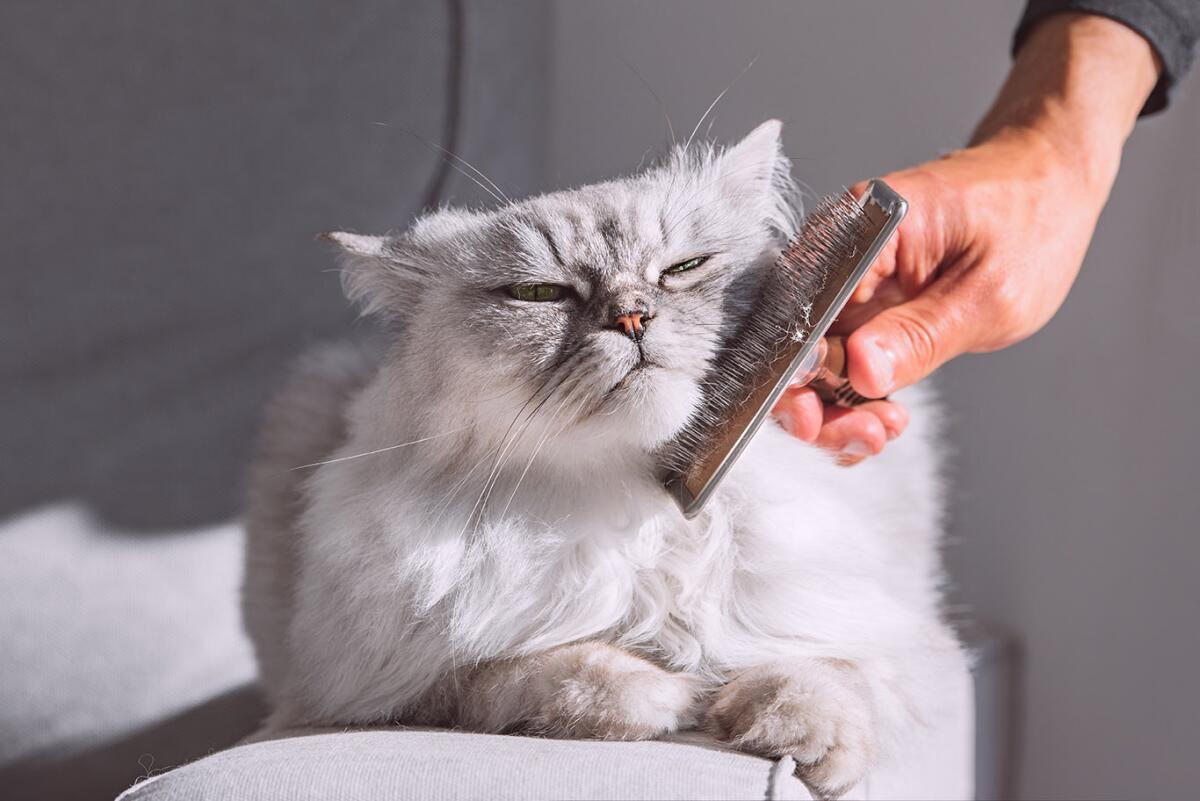
Choose a wide-toothed comb or slicker brush for long hair. Start brushing from the head and move toward the tail. Be gentle to avoid pulling on the hair. Use slow, careful strokes to prevent breakage. Brush daily to stop mats from forming. Pay extra attention to the belly and behind the ears.
Dealing With Mats And Tangles
Use a detangling spray or conditioner made for cats. Hold the mat close to the skin to avoid pulling. Gently work through the mat with your fingers or a comb. For tough mats, use a mat splitter or small scissors carefully. Never cut too close to the skin. Regular grooming reduces mats and keeps your cat comfortable.
Bathing Tips Without Stress
Bathing a cat can be a tricky task. Most cats dislike water and can get stressed easily. Keeping the bath calm and gentle helps your cat feel safe. A relaxed cat makes grooming easier for both of you. Here are some simple tips to bathe your cat without stress.
When To Bathe Your Cat
Bathing is not needed often for cats. Cats usually clean themselves well. Only bathe your cat if:
- Your cat is very dirty or sticky.
- They have fleas or skin problems.
- Your vet advises a bath for health reasons.
- Your cat has trouble grooming due to age or illness.
Choose a time when your cat is calm and tired. Avoid bath times if your cat is very anxious or energetic.
Step-by-step Bathing Process
Prepare everything before starting. Use a small tub or sink with warm water. Water should be shallow, about your cat’s belly level.
- Brush your cat to remove loose hair and knots.
- Gently place your cat in the water, holding them securely.
- Use a cup or sprayer to wet your cat slowly.
- Apply a cat-safe shampoo, avoiding eyes and ears.
- Massage the shampoo gently into the fur.
- Rinse thoroughly with warm water until no soap remains.
- Keep calm and speak softly to soothe your cat.
Drying Methods That Work
Dry your cat carefully after the bath. Use a soft towel to pat dry. Avoid rubbing, which can irritate the skin. Use multiple towels if needed to soak up water.
Some cats tolerate a low heat blow dryer. Keep it on the lowest setting and hold it far from the fur. Watch your cat’s reaction and stop if they seem scared.
Let your cat stay in a warm, draft-free room until fully dry. Offer treats and praise to create a positive experience.
Nail Trimming Made Easy
Trimming your cat’s nails doesn’t have to be a stressful task for either of you. With the right approach, it can become a quick and even enjoyable part of your grooming routine. Let’s talk about how to make nail trimming easy, safe, and effective.
Selecting The Right Clippers
Choosing the proper clippers sets the tone for a smooth trimming experience. Look for clippers designed specifically for cats—they’re smaller and sharper than human nail clippers, which helps avoid crushing the nails.
Some cats respond better to scissor-style clippers, while others tolerate guillotine-style ones. Think about your cat’s temperament and nail size when picking clippers. Have you noticed your cat’s nails are thick or thin? That can guide your choice too.
Safe Trimming Practices
Safety is key to avoid hurting your cat or causing nail damage. Hold your cat’s paw gently but firmly, pressing lightly to extend the nail. Only trim the sharp tip, staying clear of the pink quick, which is sensitive and bleeds easily.
If your cat has dark nails and you can’t see the quick, trim small bits at a time. Keep styptic powder or cornstarch nearby in case of accidental nicks. Do you find trimming every two weeks works better, or less often? Regular trims prevent nails from getting too long and uncomfortable.
Handling Resistant Cats
Some cats dislike having their paws touched. If your cat struggles, try trimming nails after a play session when they’re calmer. Wrapping your cat in a towel can help keep them still without causing panic.
Speak softly and reward your cat with treats during and after trimming to build positive associations. Have you tried trimming one or two nails a day instead of all at once? This approach can reduce stress for both of you and make grooming a routine rather than a chore.
Ear And Eye Care Basics
Ear and eye care are vital parts of a cat’s grooming routine. Proper care prevents infections and keeps them healthy. Cats are sensitive, so approach grooming with care and patience. Regular checks and cleanings ensure their well-being.
Cleaning Ears Safely
Start by examining your cat’s ears. Look for redness or wax buildup. Use a soft cotton ball for cleaning. Moisten it with warm water or a vet-recommended cleaner. Gently wipe the inside of the ear flap. Avoid inserting anything into the ear canal. This can cause injury or discomfort. Clean only the visible parts of the ear.
Managing Eye Discharge
Check your cat’s eyes for any discharge. Use a damp, clean cloth to wipe away the discharge. Always wipe from the inner corner to the outer corner. This method prevents spreading bacteria. Use a different part of the cloth for each eye. This ensures cleanliness and prevents cross-contamination. If discharge is persistent, consult a veterinarian.
Reducing Grooming Stress
Grooming your cat doesn’t have to be a stressful experience for either of you. Reducing grooming stress helps build trust and makes future sessions easier. Small changes in how you approach grooming can make a big difference in your cat’s comfort and cooperation.
Using Treats And Rewards
Treats are powerful tools to create positive associations with grooming. Offer small, tasty rewards before, during, and after the session to keep your cat motivated. Choose treats your cat loves and keep them special—only for grooming time.
Try breaking grooming into short sessions and reward your cat frequently. This approach helps your cat stay calm and focused on the positive. Have you noticed how a favorite treat can suddenly turn a fussy cat into a cooperative one?
Recognizing Signs Of Discomfort
Pay close attention to your cat’s body language while grooming. Signs like flattened ears, twitching tail, or sudden attempts to escape indicate discomfort. Stopping before your cat becomes too stressed prevents negative associations.
Learning these signals helps you adjust your technique or take breaks. How often do you pause to check in with your cat’s comfort level during grooming?
When To Seek Professional Help
Some cats react strongly to grooming despite your best efforts. If your cat becomes aggressive or extremely anxious, it might be time to consult a professional groomer or veterinarian. They have experience and tools to handle difficult grooming situations safely.
Don’t wait until grooming is a battle. Early professional advice can save both you and your cat from unnecessary stress and injury.
Frequently Asked Questions
How Often Should I Groom My Cat Safely?
Groom your cat at least once a week to prevent mats and reduce shedding. Long-haired cats need grooming more frequently, ideally daily. Regular grooming keeps your cat’s coat healthy and skin clean. Adjust frequency based on your cat’s breed and coat type.
What Tools Are Best For Grooming Cats?
Use a soft-bristle brush, a fine-toothed comb, and grooming gloves. Clippers and nail trimmers designed for cats are essential too. Choose tools that suit your cat’s coat type to avoid discomfort or skin damage during grooming.
How Can I Make Grooming Less Stressful For Cats?
Start grooming sessions calmly and gently to build trust. Use treats and praise to reward good behavior. Keep sessions short initially, gradually increasing length. A quiet, comfortable environment helps cats stay relaxed during grooming.
When Should I Avoid Grooming My Cat?
Avoid grooming if your cat is sick, injured, or highly agitated. Do not groom if skin is inflamed or has open wounds. Consult a vet first if you notice unusual lumps, sores, or excessive hair loss. Safety is key to effective grooming.
Conclusion
Grooming your cat keeps them happy and healthy. Use gentle tools and calm movements. Watch your cat’s reactions and stop if stressed. Regular grooming helps reduce hairballs and mats. Make the experience positive with treats and praise. Take your time and be patient.
Safe grooming builds trust between you and your cat. Keep these tips in mind for a smooth grooming routine. Your cat will thank you with a shiny coat and purrs. Simple steps make a big difference in care.

Leave a Reply