If your cat is wearing a Senesta collar, you might be wondering how it affects their natural grooming habits. Can your furry friend still lick and groom comfortably while wearing this collar?
Understanding this can help you ensure your cat stays happy and healthy without feeling restricted. Keep reading to discover what you need to know about your cat’s grooming behavior with the Senesta collar and how to make their experience as smooth as possible.
Senesta Collar Basics
The Senesta collar is a special accessory designed for cats. It helps with their grooming and licking habits while keeping them safe. Understanding the basics of the Senesta collar is important for any cat owner. It explains how this collar works and what makes it different from regular collars.
What Is A Senesta Collar
The Senesta collar is a protective collar for cats. It stops cats from biting or scratching themselves. This collar is also known as an Elizabethan collar or E-collar. It allows cats to lick and groom themselves safely. The collar creates a barrier that prevents injury but does not stop essential grooming.
Materials And Design
The Senesta collar is made from soft, lightweight materials. It fits comfortably around the cat’s neck. Common materials include flexible plastic or soft foam. The design is wide enough to block reaching wounds but open enough for grooming. Many collars have adjustable straps for a secure fit. The shape allows cats to move their heads freely.
Cat Grooming Behavior
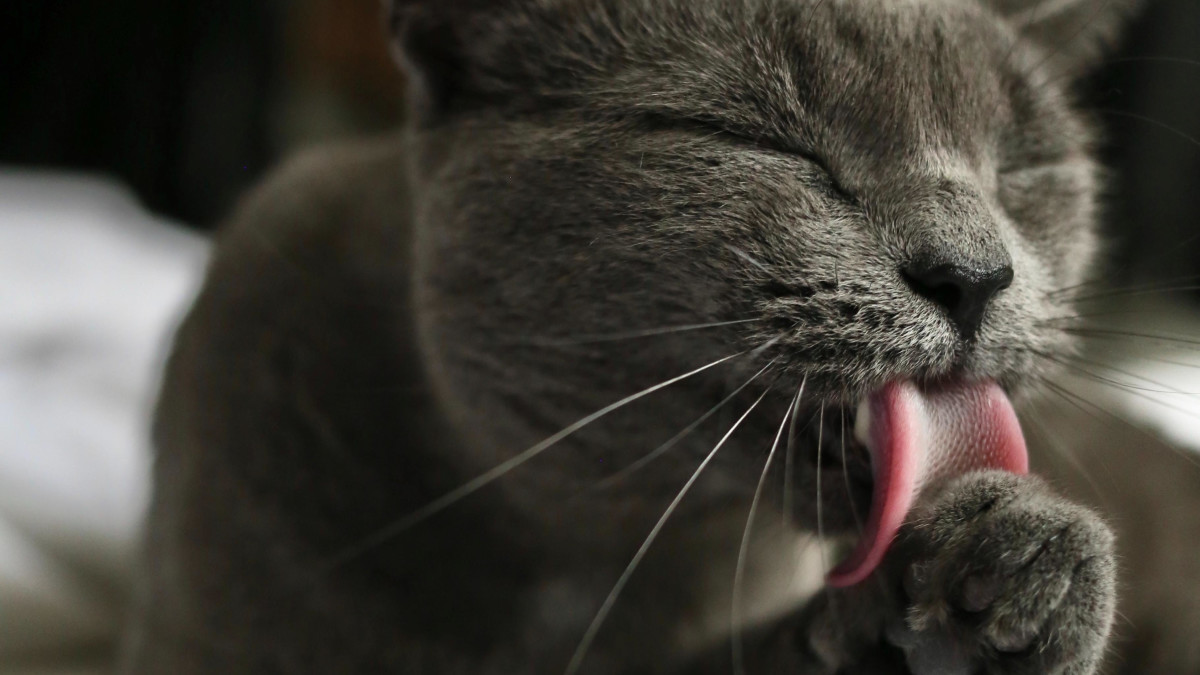
Cats spend a lot of time grooming themselves. Grooming keeps their fur clean and healthy. It also helps them relax and feel safe. Cats use their tongue, teeth, and paws to groom different parts of their body. This behavior is natural and important for their well-being.
How Cats Groom Themselves
Cats start grooming by licking their fur with a rough tongue. Their tongue removes dirt and loose hair. They also bite gently to remove tangles. Cats use their paws to clean their face and ears. Grooming helps spread natural oils across their coat. This keeps their fur soft and shiny. Cats also groom to cool down and reduce stress.
Impact Of Collars On Grooming
Wearing a collar can change how cats groom. Some collars feel heavy or tight. This may stop cats from reaching some areas. Cats might lick around the collar more than usual. A well-fitted collar like the Senesta collar allows movement. It does not block the tongue or paws. Cats can still groom themselves comfortably. Always check that the collar fits properly to avoid issues.
Licking With Senesta Collar
The Senesta collar helps protect cats after surgery or injury. Many cat owners worry if their pets can still lick and groom properly while wearing it. Licking is a natural behavior for cats. It keeps their fur clean and healthy. The Senesta collar is designed to allow some movement. This means cats can still reach certain parts of their body for grooming.
Can Cats Reach Their Fur
The Senesta collar limits how far cats can bend their neck. This restriction helps prevent them from licking wounds or stitches. Cats can usually reach their head and front paws. These areas remain accessible for grooming. The collar blocks access to the chest, belly, and back legs.
Some cats may try to groom harder. They might use their tongue more on areas they can reach. Their fur can stay clean around the neck and face. The collar protects sensitive spots without stopping all grooming behavior.
Areas Usually Groomed
- Head and ears
- Front paws and legs
- Neck and upper chest
These areas remain easy to lick with the collar on. Cats cannot reach their belly, back, or tail. This is important for healing wounds. The collar acts as a barrier. It stops cats from irritating injuries or removing bandages.
Comfort And Safety
Comfort and safety are key when cats wear the Senesta collar. The collar should not stop cats from licking or grooming themselves. Cats rely on grooming to stay clean and calm. A collar that causes pain or limits movement may stress them. Ensuring the collar fits well and feels soft helps maintain comfort. Safety also means the collar should not irritate the skin or cause allergic reactions. Careful monitoring helps detect any issues early.
Potential Discomfort Factors
- Too tight collar may restrict breathing or movement
- Rough edges can scratch or irritate the neck
- Heavy collar adds extra weight and strain
- Material causing itching or rashes on sensitive skin
- Interference with normal grooming behavior
Signs Of Distress In Cats
- Excessive pawing or biting at the collar
- Refusal to eat or drink
- Hiding or avoiding contact
- Restlessness or constant agitation
- Sudden changes in grooming habits
Alternatives To Senesta Collar
Many cat owners seek alternatives to the Senesta Collar for their furry friends. Protective collars help prevent cats from licking wounds or grooming excessively. There are various options available that can suit different needs and preferences.
Other Types Of Protective Collars
Protective collars come in many forms. The traditional “cone of shame” is well-known. It is effective but often uncomfortable for cats. Soft fabric collars are another option. They provide comfort and flexibility. Inflatable collars offer a balance between protection and comfort. These collars restrict movement less than traditional cones. They are lightweight and easy for cats to wear.
Pros And Cons Compared
Each collar type has its pros and cons. Traditional cones are very effective in preventing licking. They can be uncomfortable and restrict movement. Soft collars are more comfortable. They might not prevent determined cats from reaching wounds. Inflatable collars offer comfort and ease of use. They may not fit every cat perfectly. It is important to choose based on your cat’s specific needs. Consider their comfort and safety first.
Veterinary Recommendations
Veterinarians often guide pet owners about the use of Senesta collars. These collars help cats heal by preventing them from biting or scratching wounds. Proper use ensures safety and comfort for your cat during recovery.
When To Use A Senesta Collar
Veterinarians recommend Senesta collars after surgeries or injuries. They prevent cats from licking wounds, which can cause infections. Use the collar when your cat has skin issues or hot spots. It also helps after dental procedures or ear treatments.
Tips For Monitoring Your Cat
- Check the collar fits snugly but not too tight.
- Watch for signs of stress or discomfort.
- Make sure your cat can eat and drink easily.
- Look for any skin irritation under the collar.
- Keep an eye on your cat’s behavior changes.
- Contact your vet if your cat seems very upset or injured.
Frequently Asked Questions
Can Cats Lick Themselves With Senesta Collar On?
Yes, cats can still lick and groom themselves while wearing a Senesta collar. The collar is designed to allow normal tongue movement.
Does Senesta Collar Affect A Cat’s Grooming Habits?
The Senesta collar may slightly limit reach but does not stop cats from grooming effectively.
Is It Safe For Cats To Groom With Senesta Collar?
Yes, it is safe for cats to groom with the Senesta collar. The collar prevents harmful licking but allows normal cleaning.
How Long Should A Cat Wear The Senesta Collar?
Cats typically wear the Senesta collar for 7 to 14 days or as advised by a vet.
Conclusion
Cats can still lick and groom themselves while wearing a Senesta collar. The collar is designed to keep them safe without stopping natural behavior. It helps protect wounds or stops licking harmful areas. Always watch your cat closely to ensure comfort and safety.
If you notice any problems, talk to your vet. Let your cat relax and heal with the right care. The Senesta collar supports their health and daily grooming habits well.

Leave a Reply