If you have a cat, you know how tricky it can be to keep their fur looking neat and clean. Shedding, tangles, and loose hair can quickly turn your home into a fur-covered zone.
But what if grooming your cat’s hair didn’t have to be a struggle? Imagine having a simple, effective routine that leaves your cat’s coat shiny, healthy, and spotless—without stress for either of you. You’ll discover easy steps and expert tips to groom clean cat hair like a pro.
Ready to make your cat’s fur the envy of every feline friend? Keep reading, and you’ll learn how.
Choosing The Right Tools
Choosing the right tools helps keep your cat’s coat clean and healthy. Proper grooming tools make brushing easier and more effective. The right equipment reduces hairballs and matting. It also keeps your cat comfortable during grooming sessions.
Types Of Brushes And Combs
Different brushes suit different coat types and needs.
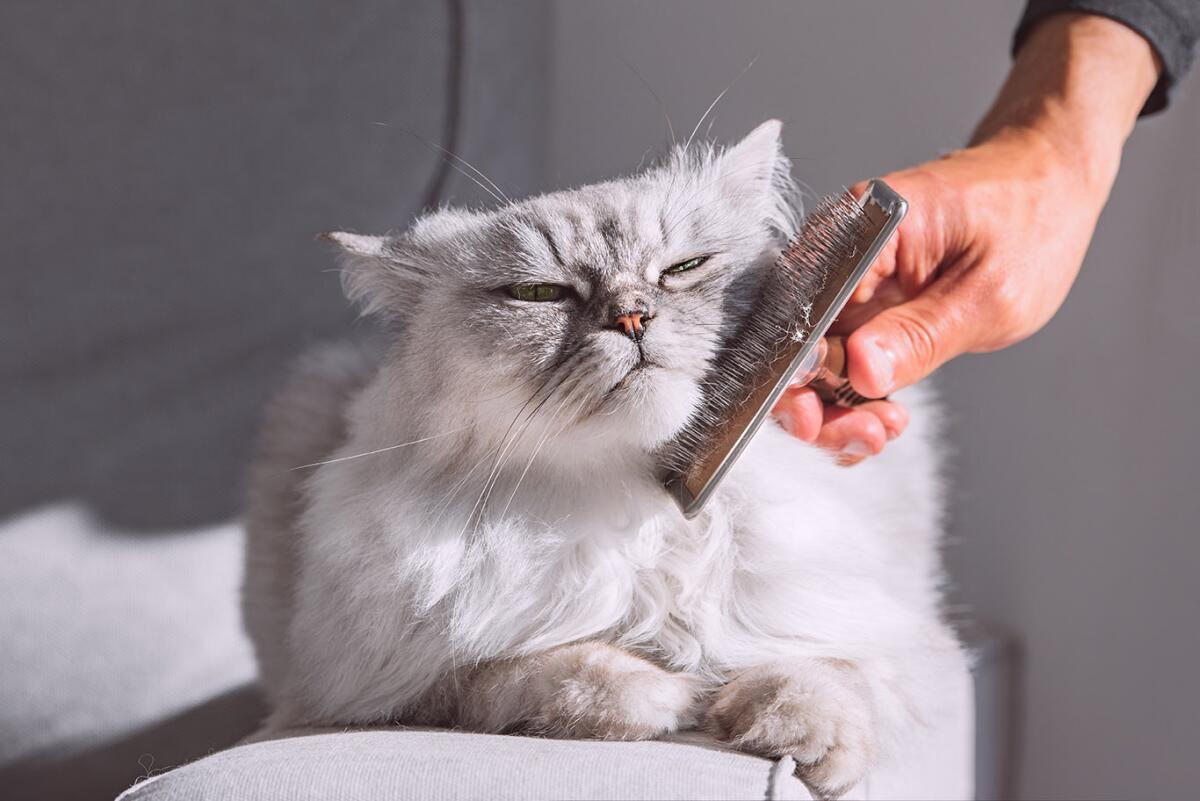
- Slicker Brush:Best for removing loose hair and tangles from medium to long fur.
- Bristle Brush:Ideal for short-haired cats to smooth their coat and remove dirt.
- Wide-Tooth Comb:Great for detangling knots and checking for fleas.
- Fine-Tooth Comb:Useful for detailed grooming around the face and paws.
When To Use A Grooming Glove
A grooming glove is gentle and easy to use. It works well for cats that dislike brushes. The glove removes loose hair while petting your cat. It improves blood circulation and makes grooming a bonding experience. Use it regularly to reduce shedding and hairballs.
Selecting Shampoo For Cats
Choose shampoo made specifically for cats. Human or dog shampoos can irritate their skin. Look for gentle, hypoallergenic formulas. Avoid products with strong fragrances or harsh chemicals. Use a shampoo that helps maintain your cat’s natural oils. Bathing too often can dry out their skin. Limit baths to when your cat is very dirty or has a skin condition.
Preparing Your Cat For Grooming
Preparing your cat for grooming is a crucial step that sets the tone for a smooth and stress-free experience. Cats are sensitive creatures, and rushing into grooming without proper preparation can lead to resistance or anxiety. Taking time to prepare your cat helps build trust and makes grooming a positive routine for both of you.
Creating A Calm Environment
Start by choosing a quiet space with minimal distractions. Turn off loud noises like the TV or radio to avoid startling your cat. Soft lighting and a familiar spot, like their favorite blanket or bed, can make the area more inviting.
Use calming scents such as lavender or chamomile nearby, but never directly on your cat. These small touches can reduce anxiety and help your cat feel safe before you even begin grooming.
Getting Your Cat Comfortable
Begin by gently petting your cat to relax their muscles and build comfort with your touch. Let your cat sniff and explore the grooming tools so they become familiar objects rather than threats.
Speak softly and maintain eye contact, which helps reassure your cat. If your cat shows signs of stress, pause and give them space before continuing. Your goal is to associate grooming with comfort, not fear.
Timing Your Grooming Sessions
Choose a time when your cat is naturally calm, such as after a meal or a nap. Avoid grooming during playtime or when your cat is highly energetic, as this can lead to resistance.
Keep sessions short at first—just a few minutes—and gradually increase the duration as your cat gets used to the process. Have treats ready to reward good behavior and create a positive connection with grooming.
Effective Brushing Techniques
Effective brushing techniques are essential to keep your cat’s coat clean and healthy. Proper brushing not only removes loose hair but also stimulates natural oils that keep fur shiny. Let’s look at how you can brush your cat efficiently without causing discomfort or stress.
Brushing Direction And Speed
Brush your cat’s hair in the direction it naturally grows. Moving against the grain can irritate their skin and create resistance.
Keep your strokes gentle and slow, especially if your cat is sensitive. Fast brushing can startle your cat and make the experience unpleasant.
Try to observe your cat’s reaction and adjust your speed accordingly. A calm, steady pace encourages trust and cooperation.
Handling Mats And Tangles
Mats can be painful for your cat, so approach them carefully. Use your fingers to gently separate the mat before brushing.
If the mat is too tight, use a wide-tooth comb or a detangling tool designed for cats. Avoid pulling hard; instead, work on the mat bit by bit.
Sometimes, applying a little water or a pet-safe detangling spray softens the hair, making mats easier to remove. Patience is key here—rushing can hurt your furry friend.
Frequency Of Brushing
The right brushing frequency depends on your cat’s hair length and activity level. Long-haired cats benefit from daily brushing, while short-haired cats might only need it once or twice a week.
Regular brushing helps reduce shedding and prevents hairballs. Think about your cat’s behavior—if you notice more hair around the house, it’s time to brush more often.
Try to make brushing a routine part of your day. Consistency builds comfort and helps you spot any skin issues early.
Bathing Your Cat Safely
Bathing your cat helps remove dirt, loose hair, and allergens. Many cats dislike water, so careful handling is key. Safe bathing keeps your cat calm and clean. It also prevents skin problems and matting.
When To Bathe Your Cat
Baths are not needed often. Cats clean themselves well. Bathe only if your cat is very dirty or smells bad. Use a bath if your cat has fleas or sticky substances on fur. Consult a vet before bathing if your cat has skin issues or health problems.
Step-by-step Bathing Process
- Prepare warm water in a small tub or sink.
- Gather cat shampoo, a cup for rinsing, and towels.
- Brush your cat to remove loose hair before bathing.
- Gently wet your cat’s fur, avoiding eyes and ears.
- Apply a small amount of cat-specific shampoo and lather softly.
- Rinse thoroughly with warm water to remove all shampoo.
- Keep your voice calm and soothing during the bath.
Drying And Post-bath Care
Wrap your cat in a soft towel immediately after the bath. Pat dry gently to remove water. Avoid rubbing, which can tangle fur. Use a hairdryer only on a low, cool setting if your cat allows. Keep your cat in a warm room until fully dry. Brush your cat’s fur to prevent mats and tangles. Offer treats to reward calm behavior.
Maintaining A Shiny Coat
A shiny coat on your cat is more than just a sign of beauty—it’s a clear indicator of their overall health. Maintaining that glossy fur takes a combination of good care, proper nutrition, and consistent grooming. You might be surprised how small changes in your cat’s daily routine can make a big difference in the way their coat looks and feels.
Nutrition’s Role In Coat Health
Your cat’s diet directly affects the quality of their fur. High-quality protein sources provide the building blocks for strong, healthy hair. Look for foods rich in omega-3 and omega-6 fatty acids; these fats help keep the skin moisturized and the coat shiny.
Have you checked your cat’s food label lately? Ingredients like fish oil, flaxseed, and chicken are excellent for coat health. Avoid foods loaded with fillers and artificial additives—they can cause dryness and dullness.
Supplements For Glossy Fur
If your cat’s coat seems lackluster, supplements might help bring back the shine. Adding fish oil capsules or liquid omega-3 supplements can improve fur texture and reduce shedding. Just be sure to consult your vet before introducing supplements to avoid overdosing.
Besides omega fatty acids, biotin and zinc supplements support skin repair and hair growth. You might notice a difference within a few weeks when you add these to your cat’s diet. Do you already use any supplements? How do you measure their impact on your cat’s coat?
Regular Grooming Routine
Grooming is essential to maintain a shiny coat and reduce hair mats. Brushing your cat daily helps distribute natural oils evenly across their fur, enhancing the shine. This also removes loose hair and prevents hairballs.
Try using a brush that suits your cat’s fur type—soft bristles for short hair, and a slicker brush for longer fur. Make grooming a relaxing time by speaking softly and rewarding your cat with treats. How often do you brush your cat? Could a more regular routine improve their coat?
Dealing With Shedding And Hairballs
Regular grooming helps manage shedding and reduce hairballs in cats. Use a gentle brush daily to remove loose hair. Keep your cat’s coat clean and healthy with regular baths and grooming sessions.
Dealing with shedding and hairballs is a common challenge for cat owners. Cats are naturally clean animals and they groom themselves regularly, but this can lead to excess shedding and the dreaded hairballs. Understanding how to manage these issues can keep your home cleaner and your cat healthier.Reducing Shedding
Maintaining a healthy diet is key to reducing shedding. Foods rich in omega-3 and omega-6 fatty acids can improve your cat’s coat health. Regular brushing is another effective way to minimize shedding. Aim to brush your cat at least once a week, depending on their breed and coat length. Keep your home environment stress-free. Stress can increase shedding, so provide a calm and comfortable space for your cat.Preventing Hairballs
Hydration plays a crucial role in preventing hairballs. Make sure your cat has access to fresh water at all times. Consider adding fiber to your cat’s diet to help move hair through the digestive system. Pumpkin or specialized hairball-prevention cat foods can be beneficial. Monitor your cat’s grooming habits. Excessive grooming might indicate underlying issues like skin irritation or anxiety.Tools To Manage Loose Hair
Invest in a good quality brush or comb designed for your cat’s fur type. A slicker brush is great for long-haired cats, while a rubber brush works well for short-haired breeds. Use a vacuum with a pet hair attachment to clean up loose fur around your home. Regular vacuuming can significantly reduce the amount of loose hair. Lint rollers are your best friend for quick cleanup on furniture and clothing. Keep one handy in multiple areas of your home. By addressing these aspects, you can effectively manage shedding and hairballs, making life more comfortable for both you and your furry friend. What steps will you take today to reduce your cat’s shedding and hairballs?When To Seek Professional Help
Knowing when to seek professional help is important for your cat’s grooming. Some problems need expert care to keep your cat healthy and comfortable. Recognizing these signs early helps avoid bigger issues.
Signs Of Skin Issues
Watch for red or irritated skin under the fur. Persistent scratching or biting can signal a problem. Bald spots, bumps, or scabs need attention. Unusual odors or flaky skin are warning signs. These symptoms might require a vet or groomer’s help.
Professional Grooming Services
Professional groomers handle tough grooming tasks safely. They can remove mats and tangles without hurting your cat. Groomers also trim nails and clean ears carefully. Regular visits keep your cat’s coat shiny and healthy. Experts use special tools and techniques for the best results.
Handling Difficult Cats
Some cats resist grooming and get stressed easily. Professionals know how to calm scared or aggressive cats. They use gentle restraint and soothing methods. This reduces risk of injury to both cat and owner. Seeking help ensures grooming is safe and less stressful.
Frequently Asked Questions
How Often Should I Groom Clean Cat Hair?
Groom your cat’s hair at least once a week to prevent mats. Regular grooming reduces shedding and keeps fur healthy. Frequent brushing also helps detect skin issues early, enhancing your cat’s overall comfort and cleanliness.
What Tools Are Best For Grooming Clean Cat Hair?
Use a soft-bristle brush or a grooming glove for short-haired cats. For long-haired cats, a wide-tooth comb or slicker brush works well. These tools remove loose hair gently without harming your cat’s skin or coat.
Can Grooming Reduce Cat Hair Allergies?
Yes, grooming removes loose fur and dander, which cause allergies. Regular brushing minimizes airborne allergens in your home. Bathing your cat occasionally also helps reduce allergen buildup on the fur.
How To Prevent Hairballs While Grooming Clean Cat Hair?
Groom regularly to remove loose hair before your cat swallows it. Use hairball control diets or treats to aid digestion. Keeping your cat hydrated also helps prevent hairball formation naturally.
Conclusion
Grooming your cat’s hair keeps it clean and healthy. Regular brushing removes loose fur and dirt easily. It also helps reduce hairballs and shedding. Use gentle tools and be patient with your cat. Clean fur means a happier and more comfortable pet.
Small daily efforts make a big difference. Keep your cat calm and enjoy bonding time. A clean coat shows good care and love. Simple grooming routines fit easily into busy days. Start today for a cleaner, healthier cat tomorrow.

Leave a Reply