Is your cat grooming itself so much that you’re worried it might be hurting its skin? When a cat grooms obsessively, it’s not just about cleanliness—it can be a sign of stress or an underlying health issue.
You want your furry friend to be happy and comfortable, but knowing how to stop obsessive grooming can feel confusing and overwhelming. You’ll discover simple, effective steps to help your cat feel calm and break free from this harmful habit.
Keep reading to protect your cat’s health and bring back the joy in your pet’s life.
Causes Of Obsessive Grooming
Obsessive grooming in cats is more than just a quirky habit; it often signals an underlying issue that needs your attention. Understanding the causes behind this behavior can help you address it effectively and improve your cat’s well-being. Let’s look at some common reasons why your cat might be over-grooming.
Stress And Anxiety
Your cat might be grooming excessively because of stress or anxiety. Changes in the environment, such as moving to a new home or the arrival of a new pet, can trigger this response.
Have you noticed your cat grooming more after loud noises or when left alone? This repetitive behavior can act as a coping mechanism to soothe their nerves.
Allergies And Skin Conditions
Allergies to food, pollen, or household products can make your cat’s skin itchy and uncomfortable. This irritation often leads them to lick or bite the affected areas repeatedly.
Skin conditions like dermatitis or fungal infections might also cause your cat to focus on certain spots. If you see redness or hair loss, a vet visit is a must to find the right treatment.
Parasites And Infections
Parasites such as fleas or mites are common culprits behind obsessive grooming. They cause intense itching that drives your cat to groom excessively to find relief.
Even after treatment, some cats continue over-grooming due to residual irritation. It’s important to thoroughly check and treat your cat’s environment to prevent reinfestation.
Boredom And Lack Of Stimulation
Sometimes, obsessive grooming is a sign of boredom or insufficient mental stimulation. Cats left alone for long periods might turn to grooming as a way to pass the time.
Are you providing enough playtime and interaction? Adding toys, puzzle feeders, or regular play sessions can reduce your cat’s need to self-soothe through over-grooming.
Identifying Obsessive Grooming
Obsessive grooming in cats can harm their health and well-being. Early detection helps prevent serious issues. Watch your cat closely to spot unusual behaviors. Knowing what to look for makes a big difference.
Signs To Watch For
- Excessive licking or biting of the same spot
- Repeated grooming for long periods
- Restlessness or anxiety before grooming
- Changes in grooming frequency or intensity
Behavior Patterns
Cats with obsessive grooming often focus on one area. They may lick or scratch nonstop, ignoring other activities. Grooming might happen more after stressful events. The cat may seem tense or irritable. This behavior can interrupt sleep and play.
Physical Symptoms
- Red or inflamed skin
- Hair loss in patches
- Scabs or sores from biting
- Dry or flaky skin
These signs show that grooming is causing damage. Check your cat’s skin regularly to catch problems early.
Environmental Changes
Changing your cat’s environment can be a powerful way to stop obsessive grooming. Cats often react to stress, boredom, or lack of stimulation by licking themselves excessively. By adjusting their surroundings, you can help reduce anxiety and redirect their focus to healthier behaviors.
Reducing Stress Triggers
Identify what might be stressing your cat. Loud noises, unfamiliar visitors, or other pets can cause anxiety and lead to obsessive grooming.
Try to minimize these triggers. Keep your cat’s routine consistent and avoid sudden changes that can unsettle them.
If your cat seems stressed by noise, consider playing soft music or white noise to create a calm atmosphere. Have you noticed particular times or situations when your cat grooms more? Observing these can guide you in reducing stress.
Enriching The Cat’s Environment
Boredom is a common reason for excessive grooming. Add new toys, climbing trees, or puzzle feeders to keep your cat engaged and mentally stimulated.
Rotate toys regularly to maintain your cat’s interest. Sometimes, a simple cardboard box or paper bag can become an exciting playground.
Try interactive play sessions daily. This not only burns energy but also strengthens your bond and distracts your cat from over-grooming.
Providing Safe Spaces
Cats need places where they feel secure. Create quiet, cozy spots where your cat can retreat when feeling overwhelmed.
Use soft bedding, and place these spaces away from high-traffic areas. A covered cat bed or a cardboard box with a blanket can work wonders.
Have you ever noticed your cat disappearing to a particular corner when stressed? Try making that spot more comfortable and accessible. Feeling safe can reduce their need to groom obsessively.
Medical Treatments
Medical treatments play a key role in stopping obsessive grooming in cats. This behavior often signals a deeper issue that needs expert care. Proper medical care can help reduce discomfort and address the root cause of grooming problems.
Consulting A Veterinarian
Start by taking your cat to a veterinarian. The vet will perform a thorough exam to find any physical or skin problems. They may ask about your cat’s habits and environment. This helps identify reasons behind excessive grooming. Early diagnosis improves treatment success.
Medications And Therapies
Veterinarians may prescribe medications to control symptoms. These include anti-inflammatory drugs to reduce itching and antibiotics for infections. In some cases, sedatives or anti-anxiety drugs help calm your cat. Therapies like topical creams can soothe irritated skin. Follow the vet’s instructions carefully for best results.
Treating Underlying Conditions
Obsessive grooming often links to hidden health issues. These include allergies, parasites, or hormonal imbalances. Treating these conditions stops the behavior at its source. Your vet may suggest allergy tests or parasite control. Managing chronic diseases can also reduce grooming urges. Addressing the root cause prevents future problems.
Behavioral Interventions
Obsessive grooming in cats can be challenging. Behavioral interventions offer effective solutions. These methods focus on redirecting your cat’s attention. They also involve rewarding positive behaviors and creating playtime routines.
Redirecting Attention
Cats often groom out of boredom or stress. Redirect their attention to new activities. Introduce interactive toys or puzzles. Provide scratching posts or climbing trees. Engage them with feather toys or laser pointers. This shifts focus from grooming to play.
Using Positive Reinforcement
Positive reinforcement encourages desirable behavior. Reward your cat with treats or affection. Do this when they engage in non-grooming activities. Use a clicker for consistent reinforcement. This helps them associate play with rewards.
Implementing Playtime Routines
Regular playtime reduces stress in cats. Schedule daily sessions with your cat. Use toys that mimic prey movements. This includes wands, balls, and feathers. Playtime distracts from obsessive grooming. It also strengthens your bond with your cat.
Managing Allergies And Skin Issues
Obsessive grooming in cats often links to underlying allergies or skin problems. If your cat keeps licking or scratching a particular spot, it might be their way of coping with discomfort. Addressing these health issues can reduce the urge to over-groom and improve your cat’s overall comfort.
Dietary Adjustments
Your cat’s diet plays a big role in their skin health. Food allergies can cause itching and irritation, leading to excessive grooming. Try switching to a hypoallergenic or limited-ingredient diet and watch for improvements in their behavior.
Adding omega-3 fatty acids through supplements or certain fish oils can soothe inflamed skin. Have you noticed how your cat reacts after meals? Keeping a food diary might reveal triggers you didn’t expect.
Topical Treatments
Using topical treatments can provide fast relief for irritated skin. Medicated shampoos with ingredients like oatmeal or aloe vera calm itching and dryness. Applying these regularly can stop your cat from focusing on one itchy spot.
Don’t forget to check with your vet before trying creams or sprays. Some products might irritate your cat further or be toxic if ingested during grooming. Have you ever caught your cat licking a treated area excessively? That’s a sign you need to reconsider the approach.
Regular Grooming Practices
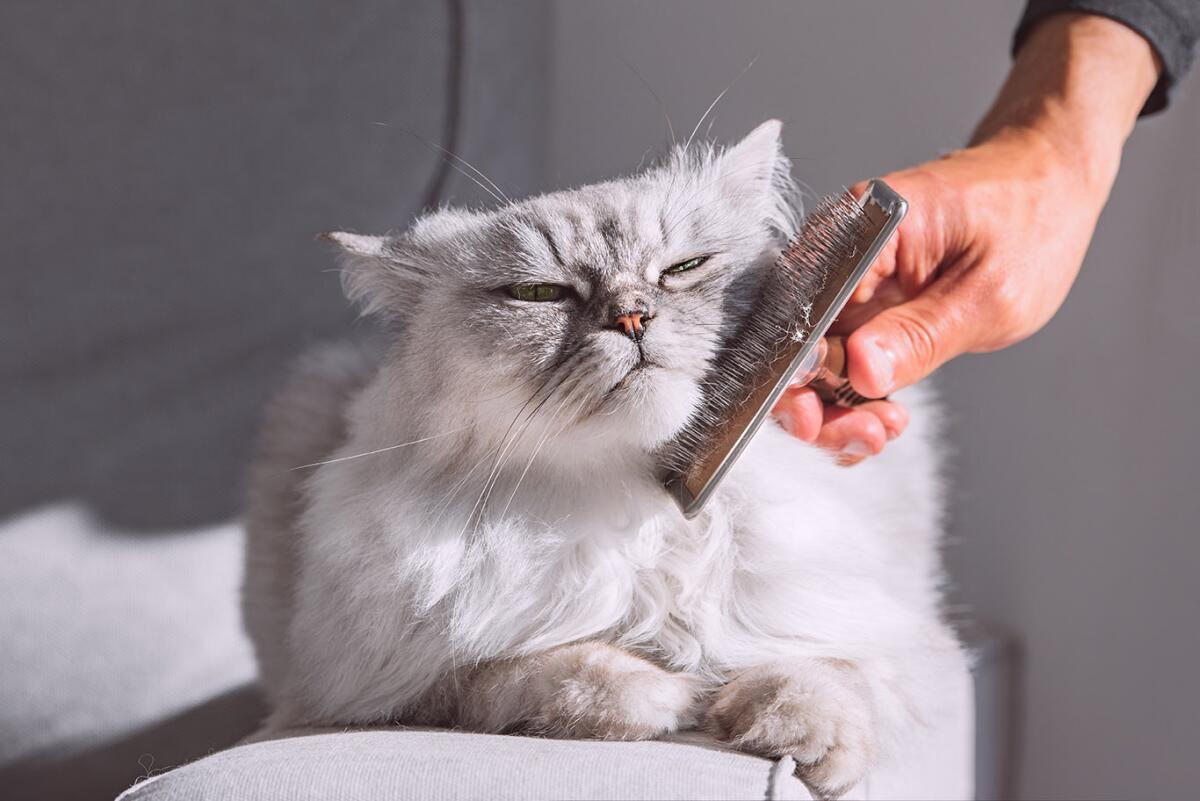
Consistent grooming helps remove allergens and loose fur that can cause itching. Brushing your cat daily not only keeps their coat clean but also strengthens your bond. It’s surprising how much cats enjoy this once you get the rhythm right.
Make grooming a calm, positive experience. Use gentle strokes and breaks if your cat gets restless. Could a simple change in how you groom your cat reduce their need to scratch and lick obsessively?
Monitoring Progress
Monitoring your cat’s progress is key to stopping obsessive grooming. Careful observation helps you see if your efforts are working. It also shows if your cat needs more help or different care. Tracking changes in behavior is simple but very useful. Small steps can lead to big improvements in your cat’s health and happiness.
Tracking Behavior Changes
Watch your cat daily. Note how often your cat grooms and for how long. Look for signs of less licking or biting. Check if your cat seems calmer or less stressed. Write down what you see. Use a notebook or an app for easy tracking. This helps spot patterns and progress over time.
Adjusting Strategies
Change your approach based on what you observe. If grooming stays high, try new toys or distractions. Adjust feeding times or environment to reduce stress. Increase playtime to keep your cat busy. Sometimes, simple changes make a big difference. Stay patient and flexible to find what works best.
When To Seek Further Help
If grooming does not improve after weeks, ask a vet. Persistent grooming may signal health or emotional problems. A professional can check for skin issues or allergies. They can also suggest treatments or behavior therapy. Early help prevents more serious problems later. Don’t wait too long to get expert advice.
Frequently Asked Questions
What Causes Obsessive Grooming In Cats?
Obsessive grooming in cats is often caused by stress, anxiety, allergies, or skin infections. Identifying the trigger helps in managing the behavior effectively.
How Can I Reduce My Cat’s Grooming Habits?
Reducing grooming involves providing a calm environment, regular play, and addressing any medical issues. Consult a vet for proper diagnosis and treatment.
When Should I See A Vet For Grooming Problems?
See a vet if your cat grooms excessively, causing bald patches or sores. Early intervention prevents further skin damage and discomfort.
Can Diet Affect A Cat’s Grooming Behavior?
Yes, poor nutrition or food allergies can lead to skin irritation and increased grooming. A balanced diet supports healthy skin and reduces obsessive grooming.
Conclusion
Stopping obsessive grooming in cats takes patience and care. Watch your cat’s behavior closely. Provide a calm and safe space for your pet. Offer toys and distractions to reduce stress. Consult a vet to rule out health problems. Keep your cat’s environment clean and comfortable.
Small changes can make a big difference. Your cat will feel happier and healthier soon.

Leave a Reply