Have you ever caught your cat licking its fur for what feels like hours? You might wonder, just how much time do cats spend grooming each day?
Understanding this can give you a deeper insight into your furry friend’s habits and health. You’ll discover why grooming is so important to cats, how much time they actually dedicate to it, and what it means for you as a cat owner.
Keep reading—you’ll be surprised by what you learn about your cat’s daily routine!
Daily Grooming Duration
Cats are known for their cleanliness. Grooming is a vital part of a cat’s daily routine. It helps them stay clean and healthy. Understanding how much time cats spend grooming can reveal a lot about their behavior and well-being.
Average Time Spent Grooming
On average, cats spend about 30 to 50 minutes grooming each day. Some cats might groom for shorter periods, while others can spend up to an hour. Grooming includes licking their fur, cleaning their paws, and rubbing their face. This activity keeps their coat shiny and free of dirt.
Factors Affecting Grooming Time
Several factors influence how long a cat grooms daily:
- Age:Younger cats tend to groom more actively than older cats.
- Health:Sick or overweight cats may groom less often.
- Breed:Long-haired cats usually spend more time grooming than short-haired breeds.
- Environment:Cats living outdoors or in dusty places may groom more to clean themselves.
- Stress Levels:Cats under stress might groom excessively or very little.
Reasons Behind Grooming
Cats spend a significant part of their day grooming, but have you ever wondered why they do it so often? Grooming is not just about looking good; it serves several important purposes. Understanding these reasons can help you appreciate your cat’s behavior and even spot potential health issues early.
Health And Hygiene
Grooming keeps a cat’s fur clean and free from dirt, dust, and parasites like fleas. When your cat licks its fur, it removes loose hair and prevents mats from forming. This daily routine also helps spread natural oils across the coat, keeping it shiny and healthy.
I once noticed my cat licking a specific spot repeatedly, which turned out to be a small wound. Grooming helped her clean the area, preventing infection. So, if you see excessive grooming in one spot, it might be a sign to check for health problems.
Temperature Regulation
Have you seen your cat grooming more on hot days? Grooming helps regulate body temperature by spreading saliva on their fur, which then cools as it evaporates. This natural cooling system works similarly to how humans sweat.
In cold weather, grooming fluffs up the fur, trapping air to insulate the body. Your cat’s grooming habits change with the seasons to keep them comfortable. Observing these patterns can tell you a lot about how your cat feels physically.
Stress Relief
Grooming also acts as a calming ritual for cats. When they feel anxious or stressed, they often groom to soothe themselves. It’s similar to how some people bite their nails or pace when nervous.
Have you noticed your cat grooming more during stressful times, like when you have visitors or after a trip to the vet? This behavior helps them regain a sense of control and calm. Next time your cat grooms excessively, consider what might be causing them stress.
Grooming Habits By Cat Type
Cats have unique grooming habits that vary by their type. These habits affect how much time they spend cleaning themselves daily. Understanding these differences helps in caring for cats properly. Some cats need more grooming time than others due to their coat type or age.
Long-haired Vs Short-haired Cats
Long-haired cats spend more time grooming than short-haired cats. Their thick fur can trap dirt and tangles easily. Grooming helps prevent mats and keeps their coat smooth.
Short-haired cats groom less. Their fur is easier to clean and dries faster. They usually spend about 15 to 30 minutes a day grooming. Long-haired cats can spend up to twice that time.
- Long-haired cats: 30 to 60 minutes daily
- Short-haired cats: 15 to 30 minutes daily
Owners of long-haired cats often help by brushing their pets. This reduces grooming time and prevents hairballs.
Age And Grooming Patterns
Young cats groom frequently as they learn and explore. Kittens spend a lot of time cleaning but may miss spots.
Adult cats have regular grooming habits. They spend consistent time cleaning to stay healthy. Grooming also reduces stress and keeps their coat shiny.
Older cats may groom less. Arthritis or dental issues can make grooming painful. Their fur might look less tidy without help.
Pet owners should assist senior cats with grooming. Regular brushing can keep their skin healthy and reduce discomfort.
Impact Of Environment
The environment plays a big role in how much time cats spend grooming daily. Cats adjust their grooming habits based on where they live and the conditions around them. This section explores how indoor and outdoor settings, along with seasonal changes, affect a cat’s grooming routine.
Indoor Vs Outdoor Cats
Indoor cats usually spend less time grooming than outdoor cats. They stay cleaner because they avoid dirt, rain, and other outdoor elements. Their fur stays drier and less tangled. Without exposure to mud or bugs, indoor cats focus more on light grooming.
Outdoor cats face many challenges. They often get dirt, leaves, and debris in their fur. This makes them groom more to remove unwanted materials. Outdoor cats also clean themselves to get rid of parasites like fleas. Their grooming sessions tend to be longer and more frequent.
Seasonal Changes
Seasons change a cat’s grooming habits. During warmer months, cats groom more to cool down. Licking helps spread saliva, which evaporates and cools their skin.
In colder months, cats may groom less because they want to keep their fur thick and insulating. They also shed old fur to prepare for new growth. This shedding phase requires more grooming to remove loose hair.
Grooming And Behavior Signals
Cats are known for their meticulous grooming habits. They spend a significant portion of their day cleaning themselves. This behavior isn’t just about cleanliness. It also provides insights into their health and mood. Observing your cat’s grooming can help you understand its behavior signals.
Excessive Grooming Signs
Excessive grooming may indicate stress or medical issues. If your cat grooms a particular spot too much, it could be in pain. Look out for bald patches or sore spots. These might suggest skin conditions or allergies. Consult a vet if you notice these signs.
Lack Of Grooming Concerns
Lack of grooming can be concerning too. Cats that stop grooming might be depressed or ill. Older cats might struggle due to arthritis or dental pain. A dirty, unkempt coat is a red flag. It’s important to seek veterinary advice if grooming decreases significantly.
Tips To Support Cat Grooming
Supporting your cat’s grooming routine is essential for their health and happiness. Cats naturally spend a significant part of their day grooming, but they still benefit from your help. By understanding how to assist them, you can prevent common issues like hairballs, matting, and skin problems.
Brushing Techniques
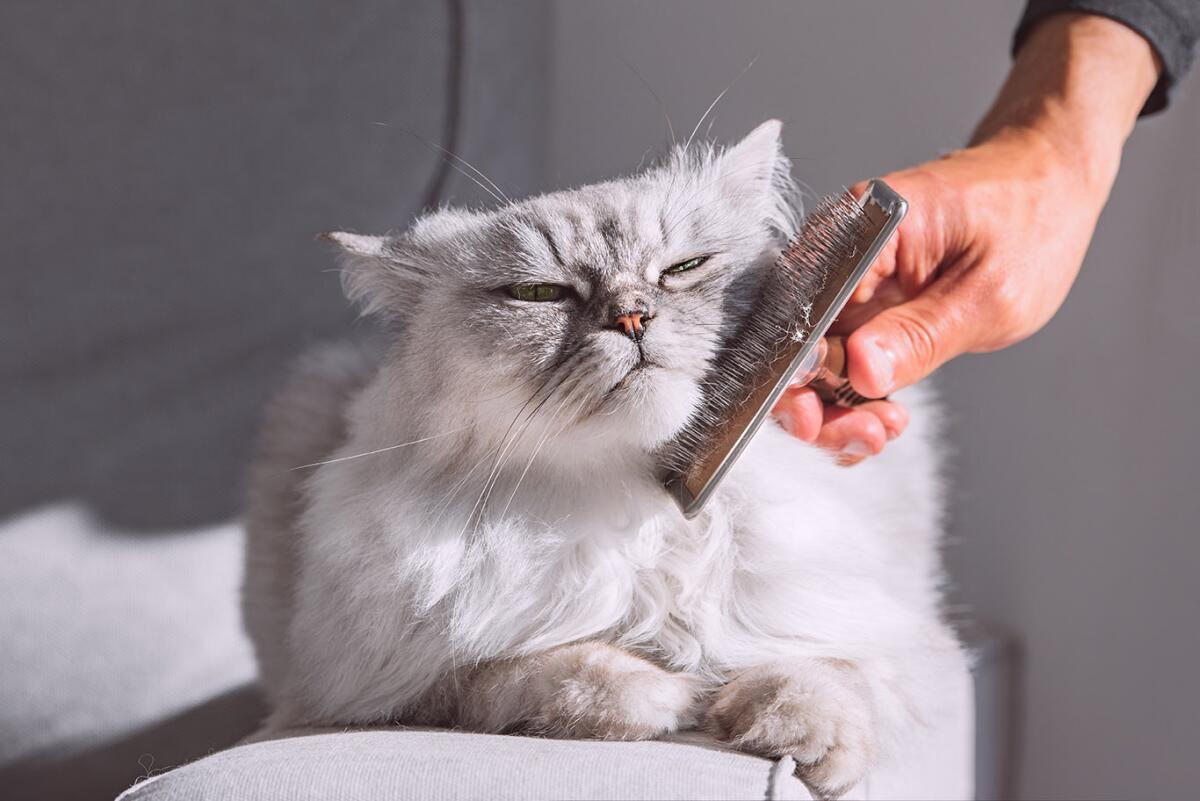
Regular brushing removes loose fur and prevents tangles. Use a brush suited to your cat’s coat type—slicker brushes work well for long-haired cats, while rubber brushes are great for short-haired breeds.
Brush gently in the direction of hair growth to avoid irritating your cat’s skin. Start with short sessions and gradually increase the time as your cat gets comfortable. Pay special attention to areas like under the legs and behind the ears where mats often form.
- Use slow, smooth strokes
- Offer treats to create a positive experience
- Check for bumps or skin changes during brushing
When To Seek Veterinary Help
If your cat suddenly grooms excessively or stops grooming altogether, this could signal a health problem. Skin allergies, infections, or pain can change grooming habits and need professional attention.
Look out for bald spots, redness, or sores that don’t heal. Also, if your cat seems stressed or uncomfortable during grooming, a vet visit is a smart choice to rule out underlying issues.
Have you noticed changes in your cat’s grooming behavior lately? These subtle signs might be clues to their well-being that you shouldn’t ignore.
Frequently Asked Questions
How Much Time Do Cats Spend Grooming Daily?
Cats typically spend 30 to 50 percent of their day grooming. This means around 3 to 5 hours daily. Grooming helps them stay clean, regulate body temperature, and reduce stress.
Why Do Cats Groom Themselves So Often?
Cats groom to remove dirt, loose fur, and parasites. Grooming also stimulates blood flow and distributes natural oils. It plays a key role in their health and emotional well-being.
Does Grooming Time Vary By Cat Breed?
Yes, grooming time can vary by breed. Long-haired breeds often groom more to manage their fur. Short-haired cats usually spend less time grooming but still maintain cleanliness.
Can Excessive Grooming Indicate Health Issues?
Excessive grooming might signal stress, allergies, or skin problems. If a cat grooms too much, it could cause bald spots or irritation. Consult a vet if you notice unusual grooming habits.
Conclusion
Cats spend a good part of their day grooming themselves. This helps them stay clean, healthy, and comfortable. Grooming also reduces stress and strengthens bonds with other cats. Knowing how much time they spend grooming helps owners understand their pets better.
Watching your cat groom can be calming and interesting. It shows they feel safe and happy. Keep an eye on changes in grooming habits. It might tell you if your cat feels unwell. Overall, grooming is a natural and important part of a cat’s life.

Leave a Reply