If you have a cat, you know how soft and fluffy their undercoat can be. But did you know that grooming this hidden layer is key to keeping your cat comfortable and healthy?
Without proper care, your cat’s undercoat can mat, cause skin problems, and lead to shedding all over your home. In this guide, you’ll discover simple, effective ways to groom your cat’s undercoat that will make your feline friend happier and your life easier.
Ready to learn the secrets to a smooth, tangle-free coat? Keep reading—you and your cat will thank me!
Importance Of Grooming Cat Undercoat
Grooming a cat’s undercoat is a key part of keeping your pet healthy and comfortable. The undercoat is the soft, dense layer beneath the top fur. It helps regulate your cat’s body temperature and protects the skin. Regular grooming removes loose hairs and debris hidden in this thick layer. This care prevents problems like skin irritation and fur mats. Grooming also supports your cat’s overall well-being.
Benefits For Cat Health
Grooming the undercoat improves air flow to the skin. This helps prevent infections and dryness. Removing dead hair reduces the chance of parasites hiding in the fur. It also stimulates natural oil production, keeping the coat shiny and smooth. Cats feel more relaxed and comfortable after grooming sessions.
Preventing Matting And Hairballs
The undercoat can easily tangle and form mats. Mats pull on the skin and cause pain. Grooming breaks up these knots before they grow. It also removes loose hairs that cats swallow during self-grooming. This lowers the risk of hairballs, which can cause digestive issues. Regular grooming keeps the coat neat and your cat happier.
Tools Needed For Grooming
Grooming a cat’s undercoat needs specific tools. These tools help remove loose fur and prevent mats. Using the right equipment makes grooming easier and more comfortable for your cat. Proper tools also protect your cat’s skin during brushing.
Types Of Brushes And Combs
- Undercoat Rake:Designed to reach deep into thick fur. It removes loose undercoat without hurting the skin.
- Slicker Brush:Has fine, short wires close together. It removes tangles and loose hair from the undercoat.
- Wide-Tooth Comb:Helps detangle mats gently. Works well on sensitive areas.
- Pin Brush:Good for long-haired cats. It smooths the coat and removes loose fur.
Additional Grooming Supplies
- Grooming Gloves:Soft gloves that remove loose hair during petting.
- Mat Splitter:Helps break up tough mats without pulling the fur.
- Detangling Spray:Makes combing easier and reduces hair breakage.
- Lint Roller:Removes loose fur from clothes and furniture after grooming.
Preparing Your Cat For Grooming
Preparing your cat for grooming is an important step that sets the tone for the entire experience. Cats can be sensitive, especially when it comes to their undercoat, which requires gentle handling. Taking the time to prepare your cat not only makes grooming easier but also builds trust between you and your furry friend.
Creating A Calm Environment
Start by choosing a quiet spot with minimal distractions. Loud noises or sudden movements can make your cat anxious and less cooperative. Soft lighting and a comfortable surface, like a padded table or your lap, help your cat feel secure.
Consider playing gentle music or using pheromone sprays designed to relax cats. These small adjustments can reduce stress and make grooming feel less like a chore. Have all your grooming tools within reach to avoid unnecessary interruptions.
Getting Your Cat Comfortable
Before you begin grooming, spend a few minutes petting your cat to ease their nerves. Pay attention to their favorite spots, like behind the ears or under the chin, to build positive associations. If your cat shows signs of tension, pause and give them space.
Introducing grooming tools slowly can help. Let your cat sniff brushes or combs first. You might even reward calm behavior with treats or gentle praise. This approach turns grooming into a more enjoyable routine for both of you.
Techniques For Grooming Undercoat
Grooming a cat’s undercoat takes patience and the right techniques. The undercoat is dense and soft, hidden beneath the top fur. It traps loose hairs and dirt, so cleaning it regularly helps keep your cat comfortable. Proper grooming prevents mats and reduces shedding. Using gentle methods protects your cat’s skin and fur health.
Brushing Methods
Choose a brush designed for undercoat grooming. A slicker brush or a wide-toothed comb works well. Start brushing gently in the direction of hair growth. Use short strokes to reach the dense undercoat. Brush small sections at a time to avoid hurting your cat. Repeat until you remove loose hairs and dirt.
- Hold your cat calmly to keep it relaxed.
- Brush twice a week for short-haired cats.
- Brush daily for long-haired cats to prevent tangles.
- Check for sensitive areas like the belly and behind ears.
Dealing With Mats And Tangles
Mats form when fur twists and sticks together. They can cause pain and skin problems. Use a dematting comb or your fingers to gently loosen mats. Start at the edges and work inward slowly. Avoid pulling hard to prevent hurting your cat.
- Spray a detangling solution to soften tough mats.
- Cut mats carefully if they cannot be brushed out.
- Regular grooming reduces mat formation.
- Seek professional help for large or tight mats.
Frequency Of Grooming Sessions
Grooming your cat’s undercoat is essential for maintaining their health and comfort. But how often should you do it? Understanding the right frequency of grooming sessions can make a world of difference. Cats, like humans, have individual needs, and grooming should reflect that. Let’s dive into how often you should groom your feline friend.
Seasonal Grooming Needs
Have you noticed more fur around the house during certain times of the year? Cats often shed their undercoat more during seasonal changes, particularly in spring and fall. During these times, increasing grooming sessions can help manage excess shedding.
Regular grooming not only reduces hairballs but also helps your cat stay comfortable. Consider brushing your cat more frequently during shedding seasons, perhaps two to three times a week. This proactive approach can prevent mats and tangles from forming.
Adjusting For Different Cat Breeds
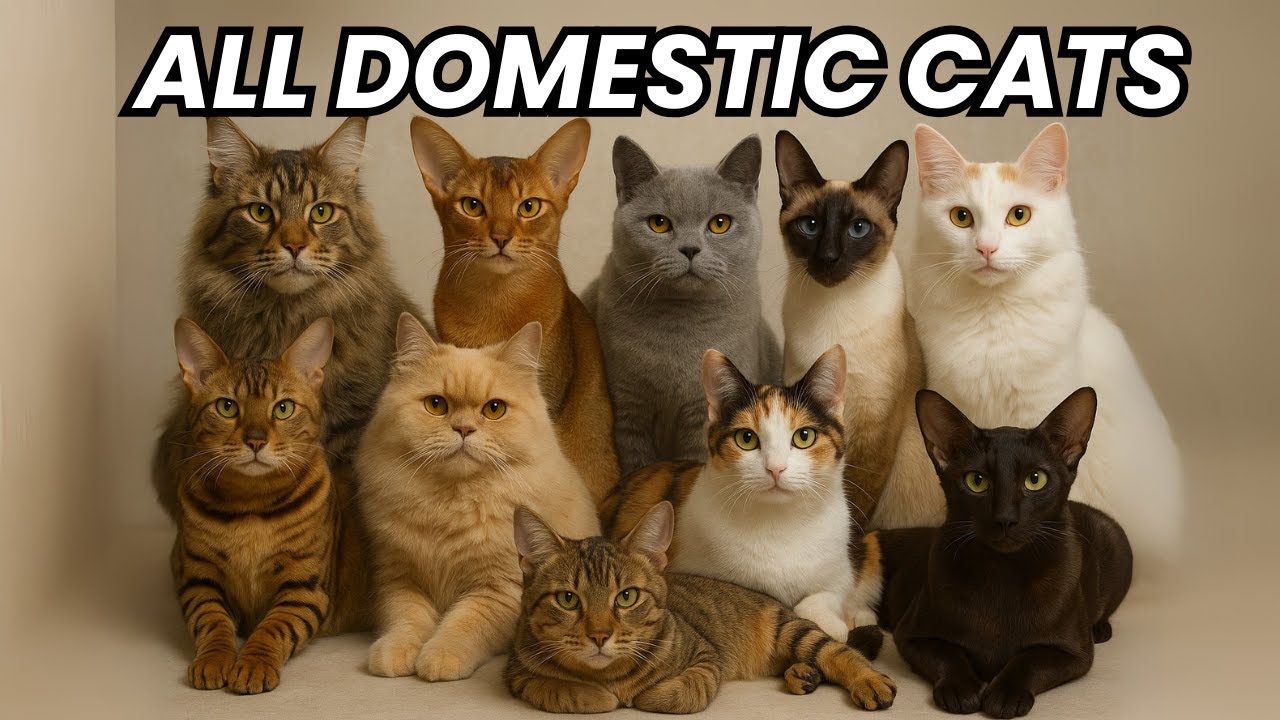
Not all cats are created equal when it comes to grooming needs. A Persian cat’s luxurious coat requires more attention compared to a short-haired breed like the Siamese. If you’re a proud owner of a long-haired breed, daily grooming might be necessary to prevent mats.
Short-haired cats, on the other hand, might only need weekly grooming. Tailor your grooming schedule to fit your cat’s specific breed needs. Have you ever wondered if your grooming routine fits your cat’s breed? It’s worth researching to ensure you’re on the right track.
Understanding your cat’s grooming needs can strengthen your bond. It’s not just about keeping them clean; it’s about showing them you care. By adjusting your grooming routine to the seasons and your cat’s breed, you’re setting them up for a happy, healthy life.
Signs Of Undercoat Problems
Noticing changes in your cat’s undercoat can help you catch problems early. The undercoat is crucial for insulation and skin protection, so any issues may affect your cat’s comfort and health.
Pay close attention to how your cat’s fur feels and looks. Does the undercoat seem patchy, greasy, or unusually thin? These signs could indicate underlying problems that need your attention.
Identifying Skin Issues
Look for redness, bumps, or scabs on your cat’s skin beneath the fur. These can signal irritation or infections that affect the undercoat’s quality.
Excessive scratching or biting at certain spots often means discomfort. You might also notice dandruff or flaky skin, which suggests dryness or allergies.
Changes in your cat’s grooming habits can be a clue too. If your cat suddenly stops cleaning certain areas, it might be because those spots are painful or itchy.
When To Consult A Veterinarian
If you spot persistent hair loss, open sores, or swelling under the fur, it’s time to get professional help. These symptoms often need medical treatment beyond home care.
Watch for behavioral changes like lethargy or loss of appetite alongside skin problems. These signs suggest that your cat’s issue could be more serious than just a grooming concern.
Have you noticed your cat’s undercoat condition worsening despite regular grooming? A vet can diagnose infections, parasites, or allergies that aren’t obvious at first glance.
Maintaining A Healthy Coat
A cat’s undercoat needs special care to stay soft and healthy. This layer protects your cat from cold and heat. Grooming the undercoat keeps your cat comfortable and looking great. Proper care also reduces shedding and hairballs. Focus on daily habits that support coat health.
Diet And Nutrition Tips
Good food builds a strong, shiny coat. Include foods rich in omega-3 and omega-6 fatty acids. These help keep skin hydrated and fur smooth. Protein is essential for hair growth. Choose high-quality cat food with balanced nutrients.
- Feed protein-rich meals like chicken or fish.
- Include supplements like fish oil for extra shine.
- Avoid fillers and artificial additives that harm skin.
Healthy meals support a soft, thick undercoat naturally.
Hydration And Environmental Factors
Water keeps your cat’s skin moist and flexible. Offer fresh water daily to prevent dryness. Dry air can cause flaky skin and dull fur. Use a humidifier in dry rooms to help your cat’s coat stay healthy. Keep your cat indoors during extreme weather to protect the undercoat.
- Provide clean water at all times.
- Control room humidity between 40-60%.
- Limit exposure to harsh sun and cold wind.
Proper hydration and environment improve coat texture and reduce shedding.
Frequently Asked Questions
How Often Should I Groom My Cat’s Undercoat?
Groom your cat’s undercoat at least once a week. Frequent grooming prevents matting and reduces shedding. Long-haired cats may need grooming more often. Regular brushing keeps the undercoat healthy and comfortable for your cat.
What Tools Are Best For Grooming Cat Undercoat?
Use a slicker brush or undercoat rake for grooming. These tools effectively remove loose fur and prevent mats. A comb helps detangle after brushing. Choose tools based on your cat’s coat type and sensitivity.
Can Grooming Help Reduce Cat Hairballs?
Yes, grooming reduces hairballs by removing loose fur. Regular brushing limits the amount of hair your cat swallows. This helps prevent digestive issues and discomfort caused by hairballs.
How Do I Prevent Matting In The Undercoat?
Prevent matting by grooming your cat’s undercoat regularly. Use gentle brushing to avoid pulling on the fur. Pay extra attention to areas prone to mats, like behind the ears and under legs.
Conclusion
Grooming your cat’s undercoat keeps their fur healthy and clean. Regular brushing stops mats and reduces shedding. Use the right tools for gentle care. Watch your cat’s comfort during grooming sessions. Small efforts lead to a happy, well-groomed pet. Remember, patience helps both you and your cat.
Keep grooming a part of your routine. Your cat will thank you with a soft, shiny coat. Simple steps make a big difference every day.


Leave a Reply