Have you noticed your cat spending an unusual amount of time licking its rear end? If your furry friend has Feline Idiopathic Cystitis (FIC), this behavior might be more than just grooming.
Excessive cleaning of the perianal area can signal discomfort or stress linked to FIC, and understanding why this happens is key to helping your cat feel better. Keep reading to discover what causes this behavior and how you can support your cat’s health and happiness.
Feline Idiopathic Cystitis And Behavior
Feline Idiopathic Cystitis (FIC) is a common but often misunderstood condition affecting cats. It involves inflammation of the bladder without a clear cause, which can lead to discomfort and unusual behaviors. Many cat owners notice their pets grooming the perianal area excessively during FIC episodes, raising concerns about underlying health issues.
Symptoms Linked To Fic
FIC symptoms can be subtle or quite obvious. You might see your cat urinating more frequently or straining without producing much urine. Blood in the urine is another red flag that should prompt a vet visit.
Excessive licking of the perianal and genital area is common. This behavior often stems from irritation or pain in that region, which your cat is trying to soothe. Sometimes, cats even avoid the litter box altogether, making it clear something is wrong.
- Frequent urination or straining
- Blood in urine
- Excessive grooming of the perianal area
- Avoidance of the litter box
Behavioral Changes In Cats
FIC doesn’t just affect your cat’s body; it changes their behavior too. Cats may become more withdrawn or irritable due to discomfort. You might notice them hiding more or reacting aggressively to touch in sensitive areas.
Some cats develop a habit of licking their perianal area more than usual, which can lead to skin irritation or hair loss. This behavior is your cat’s way of coping with pain or stress related to FIC.
Have you noticed your cat acting differently around their litter box or grooming excessively? These signs might be your cat’s way of asking for help. Observing these changes early can make a big difference in managing FIC effectively.
Grooming Patterns In Cats
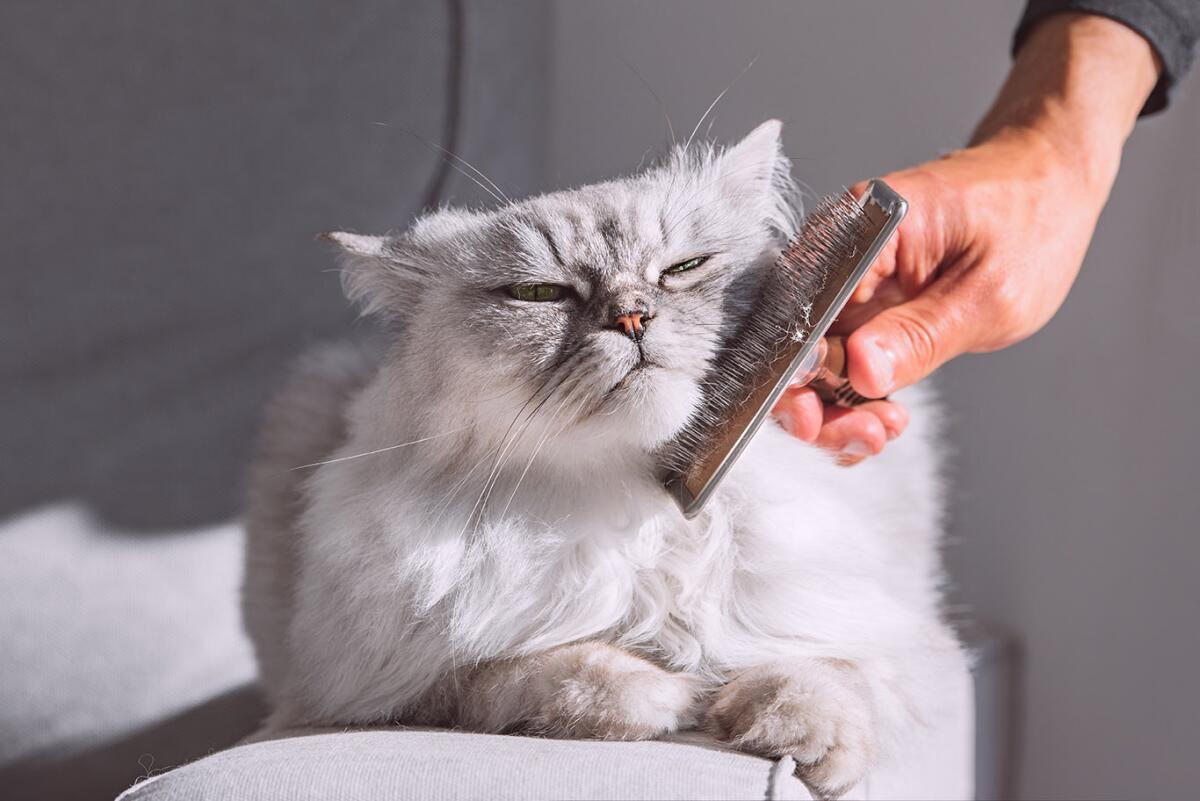
Cats are known for their cleanliness and grooming habits. Grooming helps cats stay clean, cool, and healthy. It also reduces stress and strengthens bonds with their owners. Each cat has a unique grooming style and frequency. Understanding these patterns helps identify if a cat is grooming normally or excessively.
Normal Grooming Habits
Cats usually groom several times a day. They use their tongue to clean fur, paws, and face. Grooming keeps their coat shiny and removes dirt and loose hair. Cats also lick their perianal area to keep it clean after using the litter box. This behavior is natural and healthy.
Typical grooming lasts a few minutes per session. Most cats stop grooming once they feel clean. They may pause to rest or play before grooming again. Normal grooming helps maintain skin health and prevents infections.
Signs Of Excessive Grooming
Excessive grooming means a cat grooms more than usual. It can cause hair loss, redness, or sores on the skin. Cats with excessive grooming might focus on one area, like the perianal region. This behavior can signal discomfort, irritation, or medical problems.
Look for these signs:
- Frequent licking or biting of the same spot
- Hair thinning or bald patches
- Red, inflamed, or irritated skin
- Visible wounds or scabs
- Changes in behavior or mood
Excessive grooming needs attention. It may indicate allergies, parasites, infections, or stress. Observing grooming patterns helps detect early problems and keep cats healthy.
Perianal Area Sensitivity
The perianal area of cats is very sensitive. This sensitivity can cause cats to groom the area more than usual. Excessive grooming may signal discomfort or health problems. Understanding the sensitivity helps identify why cats focus on this spot.
Anatomy Of The Perianal Region
The perianal region surrounds the anus and includes skin, muscles, and glands. Important parts are:
- The anal sacs, which release scent markers.
- Muscles that control bowel movements.
- Delicate skin that can easily get irritated.
This area is rich in nerve endings, making it very sensitive to touch or pain. Any irritation here can cause noticeable discomfort for cats.
Common Issues Affecting This Area
Several problems can cause cats to groom the perianal area excessively:
- Impacted or infected anal glands.
- Parasites like fleas or worms.
- Skin allergies or dermatitis.
- Infections or wounds near the anus.
- Diarrhea or poor hygiene causing irritation.
Each condition leads to itching or pain, prompting cats to lick or bite the area more often. Monitoring this behavior can help catch health issues early.
Connection Between Fic And Grooming
The connection between Feline Idiopathic Cystitis (FIC) and grooming is more than just a coincidence. Cats often use grooming as a way to cope with discomfort or stress. Understanding how FIC influences grooming habits, especially excessive attention to the perianal area, can help you better care for your cat.
Stress And Grooming Behavior
Stress plays a major role in how cats groom themselves. When your cat feels anxious or uncomfortable, it may groom more than usual as a soothing mechanism. This can lead to overgrooming in specific areas, including the perianal region.
Imagine your cat suddenly starts licking or biting its rear more often. Could this be their way of handling stress related to FIC? Often, the discomfort caused by bladder inflammation triggers stress, which then shows up in grooming habits.
Watching your cat’s behavior closely will give you clues. Is the grooming linked to stressful events like changes in the household or diet? Recognizing these triggers can help you intervene before the problem worsens.
Is Excessive Perianal Grooming A Symptom?
Excessive grooming of the perianal area can be a symptom of FIC or another underlying issue. Cats with FIC may experience pain or irritation near the bladder, which sometimes extends to the anal area. This leads to repetitive licking or grooming there.
However, it’s important to rule out other causes like parasites, allergies, or infections that might cause similar behavior. If you notice persistent grooming in that area, a vet visit is essential to pinpoint the cause.
Have you seen your cat grooming this area more than usual? Keep a diary of when and how often it happens. This information can be invaluable to your vet and will help you manage your cat’s health more effectively.
Health Implications Of Overgrooming
Overgrooming in cats, especially in the perianal area, can lead to significant health issues. While grooming is a natural behavior, excessive grooming can be a sign of underlying health problems. Understanding the health implications of this behavior is crucial to ensuring your cat’s well-being and comfort.
Skin Irritation And Damage
When cats groom excessively, they can cause irritation to their skin. The constant licking and nibbling can lead to hair loss and raw patches of skin. This not only causes discomfort but can also make your cat more susceptible to further complications.
Have you noticed your cat’s skin looking red or inflamed? This could be a direct result of overgrooming. Addressing the root cause can prevent these issues from escalating.
Secondary Infections
With irritated skin comes the risk of secondary infections. Open sores or inflamed areas are a breeding ground for bacteria and fungi. These infections can cause additional pain and discomfort for your feline friend.
Consider how vulnerable your cat becomes with these exposed areas. Regular veterinary check-ups can help catch these infections early. Keeping an eye out for changes in your cat’s grooming habits can make a world of difference.
When To Seek Veterinary Advice
Knowing when to seek veterinary advice for your cat’s grooming habits is important. Excessive grooming of the perianal area may signal health issues. Early attention can prevent discomfort and more serious problems. Watch for changes in behavior and appearance that suggest your cat needs help.
Identifying Problematic Grooming
Normal grooming keeps your cat clean and comfortable. Problematic grooming looks different:
- Repeated licking or biting around the rear
- Redness, swelling, or hair loss near the perianal area
- Visible sores or scabs
- Signs of pain or discomfort when touched
- Frequent scooting or dragging of the rear on the floor
These signs often point to irritation or infection. Ignoring them can worsen your cat’s condition.
Diagnostic Approaches
Veterinarians use several steps to diagnose the cause:
- Physical examination of the affected area
- Checking for parasites like fleas or worms
- Testing for infections or allergies
- Examining anal glands for blockage or inflammation
- Blood tests to identify underlying health issues
Timely diagnosis helps the vet create an effective treatment plan. This reduces your cat’s discomfort and stops excessive grooming.
Managing Excessive Grooming In Cats
Managing excessive grooming in cats requires understanding the root causes. Overgrooming can lead to skin damage and discomfort. It is important to offer support and care to reduce this behavior. Focus on improving the cat’s environment and exploring medical options. Both approaches help improve a cat’s well-being and comfort.
Environmental Enrichment
Providing a stimulating environment helps reduce stress and boredom. Cats need mental and physical activities to stay healthy. Offer toys like feather wands, balls, and puzzle feeders. Create safe spaces such as cozy beds or hideouts. Play with your cat daily to build trust and reduce anxiety.
- Rotate toys to keep interest high
- Use scratching posts to release energy
- Set up window perches for outside views
- Introduce new scents for curiosity
These changes can lower stress, which often causes overgrooming. A happier cat grooms less and feels calmer.
Medical Treatments And Therapies
Some cats groom excessively due to medical issues. Skin allergies, parasites, or pain may trigger this behavior. A vet visit is crucial for diagnosis. Treatments can include:
- Medicated shampoos or ointments
- Anti-inflammatory or allergy medications
- Parasite control products
- Behavioral therapy or calming aids
Follow the vet’s advice strictly for best results. Early treatment prevents further skin damage. Regular check-ups keep your cat healthy and comfortable.
Frequently Asked Questions
Do Cats With Fic Groom Their Perianal Area Excessively?
Yes, cats with Feline Idiopathic Cystitis (FIC) may groom their perianal area more. This behavior is often due to discomfort or irritation caused by the condition.
Why Do Cats Groom Their Perianal Area Excessively?
Cats groom excessively due to stress, irritation, or medical issues like FIC. Overgrooming in this area can signal discomfort or an underlying health problem.
Can Excessive Perianal Grooming Indicate Fic In Cats?
Excessive grooming around the perianal area can be a sign of FIC. It often relates to pain or inflammation linked to urinary tract issues in cats.
How To Stop Excessive Grooming In Cats With Fic?
Managing stress and providing veterinary care can reduce excessive grooming in cats with FIC. Treatment focuses on relieving discomfort and addressing underlying urinary problems.
Conclusion
Cats with Feline Idiopathic Cystitis (FIC) may groom their perianal area more than usual. This behavior can signal discomfort or stress. Watching your cat closely helps spot changes early. A vet visit can identify the cause and offer relief. Proper care and attention improve your cat’s comfort.
Understanding these signs keeps your pet happy and healthy. Take action if grooming becomes excessive or causes issues. Your cat depends on you for help and comfort.

Leave a Reply