If you want to keep your cat happy and active, a wand toy is one of the best tools you can use. But how do you make the most of it?
You might have tried waving it around, only to find your cat uninterested or distracted. This guide will show you simple, effective ways to use a wand toy that will grab your cat’s attention and turn playtime into a fun, bonding experience for both of you.
Ready to see your cat leap, chase, and pounce like never before? Keep reading to discover the secrets behind the perfect wand toy play session.
Choosing The Right Wand Toy
Choosing the right wand toy for your cat can make playtime more enjoyable and satisfying for both of you. It’s not just about picking something colorful or flashy; the material, type, and safety of the toy play a huge role in your cat’s engagement and well-being. Let’s dive into what you should consider to find the perfect wand toy that keeps your feline friend purring with delight.
Materials And Durability
The material of a wand toy affects how long it will last and how safe it is for your cat. Toys made from sturdy materials like wood or thick plastic handles tend to hold up better against aggressive play. Feathers, ribbons, and strings should be securely attached to avoid your cat swallowing loose parts.
Think about your cat’s play style. If your kitty is a heavy hitter, choose materials that won’t tear easily. I once bought a wand with delicate feathers that my cat shredded in minutes—wasting money and leaving me worried. Would a more durable option have saved me time and stress?
Types Of Wand Toys
Wand toys come in various forms, each offering different types of stimulation for your cat. Some have dangling feathers or fur that mimic prey, while others include bells or crinkly materials to catch your cat’s attention.
- Feather Wands:Great for encouraging jumping and chasing.
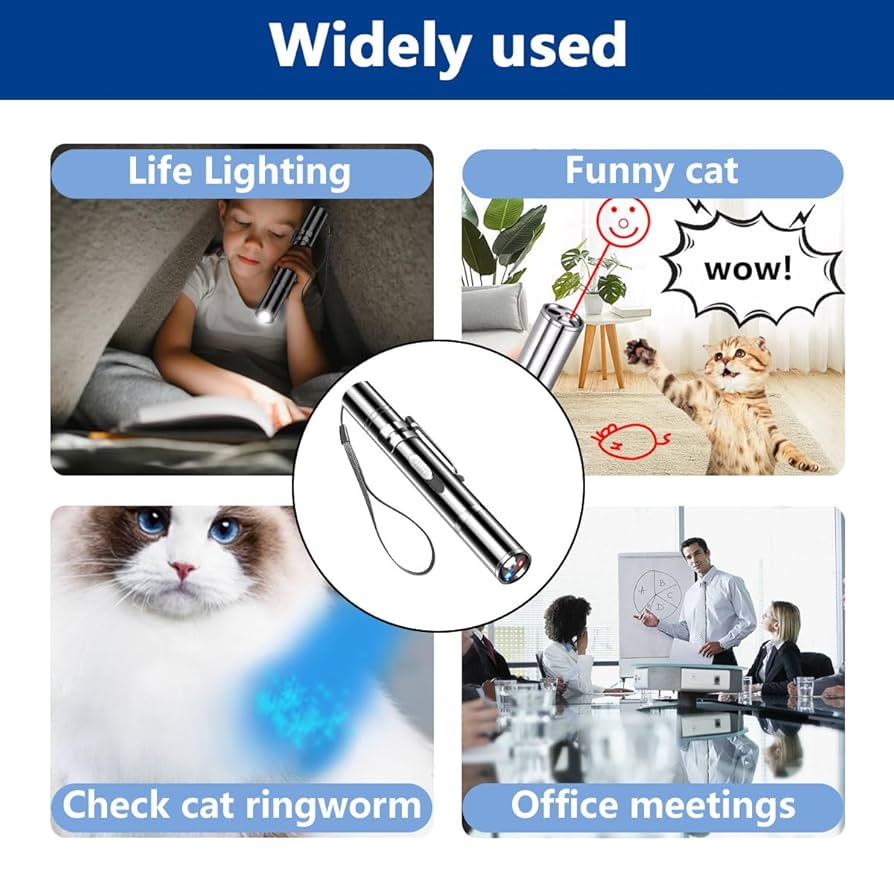
- Laser Pointer Wands:Perfect for quick bursts of activity but require careful use to avoid frustration.
- String or Ribbon Wands:Excellent for pawing and batting, but watch for loose strands.
Which type gets your cat the most excited? Trying different styles can reveal what sparks your cat’s natural hunting instincts best.
Safety Considerations
Safety should be your top priority when selecting any cat toy. Avoid toys with small parts that can come off and be swallowed. Check the wand’s handle for sharp edges or splinters that could harm your hands during play.
Always supervise your cat during wand play. Some cats might chew on the wand or try to eat the attached parts, which can be dangerous. Have you noticed your cat trying to bite the string or feathers? If so, choose toys designed to withstand chewing or consider switching to safer alternatives.
Setting Up For Play
Getting your cat ready to play with a wand toy is more than just grabbing the toy and waving it around. Setting up the right environment helps your cat feel safe and excited, making playtime more enjoyable for both of you. Let’s look at how to prepare everything for a fun and engaging session.
Creating A Safe Play Area
Find a space where your cat can move freely without obstacles that might cause injury. Remove fragile items like vases or glassware that could get knocked over during enthusiastic pounces. A clear, quiet corner works best, away from loud noises or distractions that might stress your cat.
Soft rugs or carpeted floors help your cat land safely after jumping or chasing the wand. If your cat tends to dart quickly, make sure there’s nothing sharp or slippery in the play zone. Would you feel comfortable running around in that spot yourself?
Preparing Your Cat
Before you start, check if your cat is calm but alert. If your cat has been napping, give a few minutes to wake up fully. Sometimes, a brief petting session helps your cat feel relaxed and ready to engage.
Observe your cat’s mood—if they seem restless or agitated, wait a bit before starting. You want your cat focused and curious, not stressed or tired. Have you noticed how your cat’s body language changes when they’re ready to play?
Choosing The Best Time To Play
Pick a time when your cat is naturally more active, often early morning or evening. Avoid playtime right after meals, as cats usually prefer to rest then. Consistent play sessions at similar times help build a routine your cat looks forward to.
Keep sessions short and sweet—around 10 to 15 minutes—to maintain your cat’s interest. Overdoing playtime can lead to boredom or frustration. When was the last time you noticed your cat begging for more play?
Techniques To Engage Your Cat
Keeping your cat engaged with a wand toy is all about understanding how to move it in ways that spark their natural hunting instincts. The right techniques can turn playtime into a fun and rewarding experience for both of you. Let’s dive into some practical ways to make the most of your wand toy and keep your cat excited to chase and pounce.
Basic Movements To Try
Start simple by moving the wand toy slowly across the floor, mimicking the motion of a small creature. Drag it gently from side to side or in a straight line to catch your cat’s attention.
Try quick, sudden flicks to simulate a darting bug. This variation keeps your cat guessing and encourages them to pounce.
Remember to pause occasionally, letting the toy rest. This gives your cat a chance to stalk before the next movement, making the game more realistic and thrilling.
Encouraging Active Play
Make playtime a regular part of your cat’s day to keep them energized and healthy. Use the wand toy to encourage jumping, chasing, and quick sprints.
- Wave the toy just out of reach to tempt your cat into jumping.
- Move it fast to trigger a chase, then slow it down to invite stalking.
- Mix in short bursts of play with rest periods to sustain their interest.
Have you noticed how your cat’s energy shifts during play? Adjust your pace to match, and you’ll see them stay engaged longer.
Adapting To Your Cat’s Preferences
Not all cats respond the same way to wand toys. Observe what kind of movements or speeds excite your cat the most.
Some cats prefer slow, deliberate motions, while others love fast and erratic movements. Pay attention to their body language—ears forward, tail flicking, eyes wide—these clues tell you they’re hooked.
Try changing the toy’s direction, height, and speed until you find the sweet spot. Your cat will thank you with enthusiastic pounces and playful swats.
Benefits Of Wand Toy Play
Playing with a wand toy offers more than just fun for your cat. It brings multiple benefits that improve your cat’s health and happiness. Understanding these advantages can help you make the most of your playtime together.
Physical Exercise
Wand toys encourage your cat to move, jump, and pounce, which helps them stay active. Regular play reduces the risk of obesity and related health problems. Have you noticed how a quick session with a wand toy can tire your cat out more than a nap?
Even indoor cats get a chance to mimic their natural hunting behavior. This keeps their muscles strong and joints flexible. You don’t need long sessions; short, frequent playtimes work well to keep your cat fit.
Mental Stimulation
Your cat’s brain needs exercise just like their body. Wand toys challenge their focus and problem-solving skills as they try to catch the moving target. This kind of mental workout can prevent boredom and reduce destructive behaviors.
Think about how your cat reacts when the toy suddenly changes direction. That surprise element sparks curiosity and keeps their mind sharp. How often do you switch up the toy’s movement to keep your cat guessing?
Strengthening The Bond
Using a wand toy is a shared activity that builds trust between you and your cat. It shows your cat that you’re engaged and interested in their happiness. Have you felt closer to your cat after a lively play session?
Playtime creates positive memories and reduces stress for both of you. It’s a simple way to communicate love and attention without words. Try to make wand toy play a regular part of your routine to deepen your connection.
Troubleshooting Common Issues
Common problems with wand toys include tangled strings or loose attachments. Checking connections and gently untangling helps keep play smooth. Regularly inspecting the toy ensures safe and fun use for your cat.
Cats love wand toys, but sometimes issues arise. These can frustrate both you and your feline friend. Understanding common problems and solutions helps maintain the fun. Here are some tips to tackle common issues with wand toys.When Your Cat Loses Interest
Cats can lose interest in toys quickly. Rotate the toys to keep them engaged. Introduce new scents by rubbing the toy on catnip. Play at different times to break routines. Use a variety of movements to stimulate their curiosity.Dealing With Overexcitement
Cats can become overly excited during play. This might lead to unwanted behavior. To manage this, use short play sessions. Give them breaks to calm down. Avoid overstimulating with rapid movements. After play, offer a treat to soothe them.Handling Aggressive Behavior
Some cats may show aggression while playing. Use a longer wand to keep distance. This ensures your safety and theirs. Redirect aggression with a soft toy. Praise calm behavior with gentle words. Always supervise playtime for safety.Maintaining And Storing Wand Toys
Maintaining and storing wand toys keeps them safe and fun for your cat. Clean toys last longer and stay hygienic. Proper storage prevents damage and loss. Knowing when to replace worn toys protects your cat’s safety.
Cleaning Tips
Remove feathers or attachments before cleaning. Use a damp cloth with mild soap. Wipe down the wand and stick gently. Avoid soaking parts with glue or fabric. Let the toy dry completely before use. Clean toys stop bacteria and dirt buildup. Clean after every few uses for best care.
Storage Ideas
- Keep wand toys in a small box or basket.
- Store toys away from moisture and direct sunlight.
- Use a container with a lid to avoid dust.
- Separate different types of toys for easy access.
- Place toys out of your cat’s reach when not playing.
Good storage keeps toys neat and ready for playtime.
When To Replace The Toy
Check wand toys regularly for loose parts or damage. Replace toys with broken sticks or missing feathers. Worn-out toys can hurt your cat. If the toy looks old or smells bad, it’s time to get a new one. Fresh toys keep your cat safe and interested.
Frequently Asked Questions
What Is A Wand Toy For Cats?
A wand toy for cats is an interactive play tool. It has a stick with a dangling object. This stimulates cats’ natural hunting instincts. It helps keep cats active and entertained.
How Do I Use A Wand Toy Safely?
Hold the wand firmly and move it gently. Avoid sudden jerks that might scare your cat. Supervise playtime to prevent swallowing small parts. Stop if your cat shows signs of stress or fatigue.
How Often Should I Play With My Cat?
Daily play sessions of 10-15 minutes are ideal. Regular play keeps your cat healthy and happy. It reduces behavioral problems and strengthens your bond. Use the wand toy to engage your cat actively.
Can Wand Toys Help With Cat Anxiety?
Yes, wand toys provide mental and physical stimulation. They distract cats from stress and boredom. Regular interactive play can reduce anxiety symptoms. It promotes positive behavior and emotional well-being.
Conclusion
Wand toy cats bring fun and exercise to your pet’s day. Play time helps keep cats happy and healthy. Move the wand slowly to catch your cat’s attention. Change the direction to make the game more exciting. Always watch your cat’s mood and stop if tired.
Simple toys like this build trust and joy between you. Enjoy these moments and make play a daily habit. Your cat will thank you with purrs and cuddles.

Leave a Reply