If you’re a cat owner, you know how important grooming is for your furry friend’s health and happiness. But did you know that before your cat gets groomed, there are certain shots they need to have?
These vaccinations protect your cat from diseases that can spread during grooming sessions. Wondering which shots your cat needs and why they matter? Keep reading to discover the essential vaccines that will keep your cat safe, healthy, and looking their best every time they visit the groomer.
Your cat’s well-being depends on it!
Cat Grooming Basics
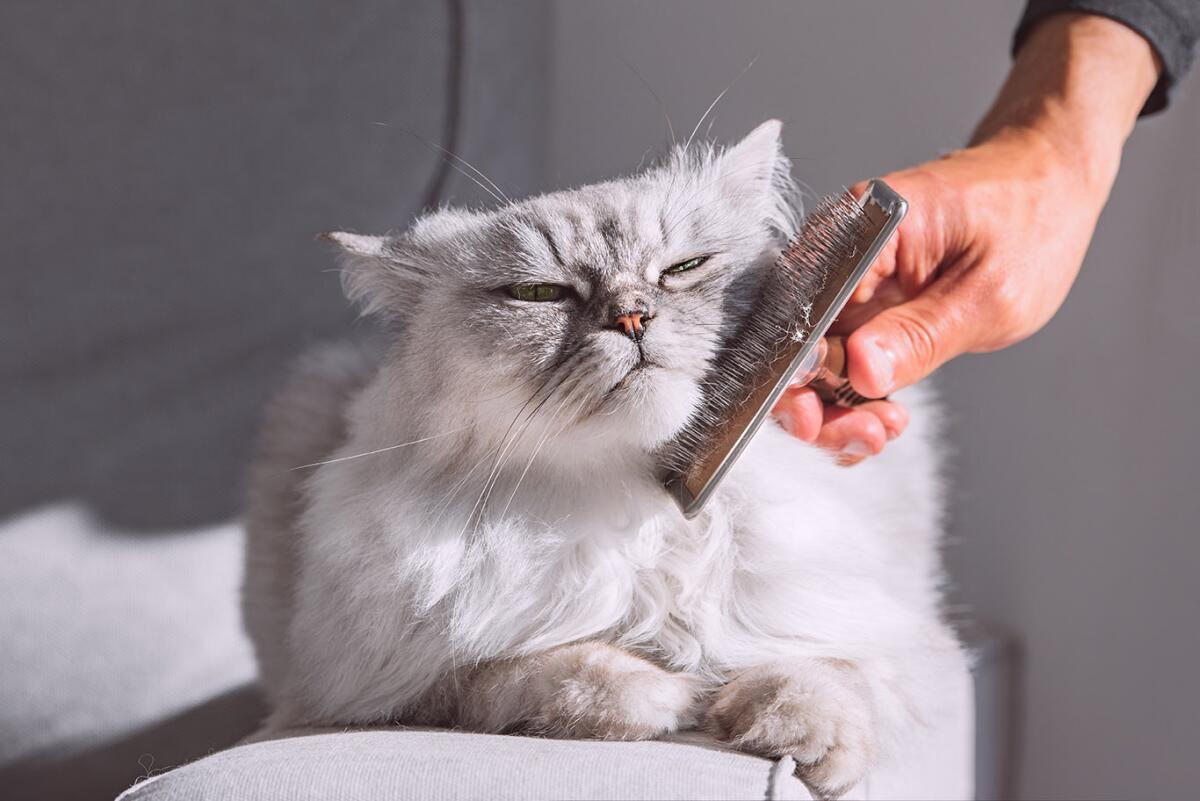
Cat grooming is more than just brushing fur. It keeps cats healthy and comfortable. Regular grooming helps spot health issues early. Clean fur, trimmed nails, and healthy skin improve a cat’s quality of life. Some shots are essential before grooming. They protect cats from infections and diseases.
Importance Of Vaccinations
Vaccinations protect cats during grooming sessions. Grooming tools and close contact can spread germs. Shots shield cats from common diseases like:
- Feline distemper
- Rabies
- Feline herpesvirus
- Calicivirus
Vaccines reduce risks of infections after grooming. They keep cats safe in pet salons or home care. A vaccinated cat is less likely to catch or spread illness.
Common Grooming Procedures
Basic grooming includes several steps. These keep cats clean and healthy:
- Brushing fur to remove dirt and mats
- Bathing with gentle shampoo
- Trimming nails carefully
- Cleaning ears and eyes
- Brushing teeth to prevent plaque
Each step helps prevent skin and health problems. Groomers often check for parasites like fleas. Regular grooming supports a cat’s overall wellness.
Core Vaccines For Cats
Core vaccines are essential to protect your cat from serious diseases before grooming or social interactions. These vaccines shield your pet against infections that spread easily and can cause severe health issues. Ensuring your cat is up-to-date with these shots keeps them safe and gives you peace of mind during grooming sessions.
Feline Viral Rhinotracheitis
This vaccine protects against a common respiratory infection caused by feline herpesvirus. Symptoms include sneezing, eye discharge, and nasal congestion, which can make grooming stressful for both you and your cat.
Keeping your cat vaccinated reduces the risk of these symptoms, ensuring a smoother grooming experience. Have you noticed your cat struggling with sneezing or watery eyes before grooming? This vaccine helps prevent those issues.
Calicivirus
Calicivirus is another respiratory virus that causes mouth ulcers, sneezing, and nasal discharge. These symptoms can make your cat uncomfortable and uncooperative during grooming.
Vaccination helps your cat stay healthy and comfortable, making grooming less of a challenge. If your cat has ever had trouble with mouth sores or bad breath, this vaccine is crucial to avoid those problems.
Panleukopenia
Also known as feline distemper, panleukopenia is a highly contagious and often fatal disease. It causes severe vomiting, diarrhea, and a weakened immune system.
Getting your cat vaccinated against panleukopenia is vital to protect their overall health. Without this protection, your cat could become seriously ill, complicating grooming and everyday care.
Non-core Vaccines
Non-core vaccines protect cats from diseases that depend on their lifestyle and environment. These vaccines are not required for every cat but can be vital for those at risk. Understanding which non-core vaccines your cat needs helps keep them healthy and safe during grooming and daily life.
Rabies Vaccine
Rabies is a deadly virus that affects the nervous system. Many places require cats to have this vaccine by law. It protects cats and people from this dangerous disease. Groomers may ask for proof of rabies vaccination before services.
Feline Leukemia Virus
This virus weakens a cat’s immune system and can cause cancer. Cats that go outside or meet other cats need this vaccine. It helps stop the spread of infection and keeps your cat strong. Groomers appreciate when cats are vaccinated against this disease.
Chlamydophila Felis
This bacterial infection causes eye problems and respiratory issues. Cats in crowded or multi-cat homes benefit from this vaccine. It reduces the chance of catching and passing on the illness. Groomers prefer cats vaccinated to avoid outbreaks.
Vaccine Schedule For Cats
Keeping a cat healthy requires following a proper vaccine schedule. Vaccinations protect cats from many serious diseases. They also help maintain hygiene during grooming sessions. Understanding the vaccine timeline helps pet owners keep their cats safe and clean.
Kitten Vaccination Timeline
Kittens need several vaccines early in life. These shots build strong immunity against common illnesses. The schedule usually starts at six to eight weeks old. Kittens get vaccines every three to four weeks until they reach sixteen weeks.
- 6-8 weeks: First vaccines for feline distemper and respiratory viruses
- 10-12 weeks: Second round to boost immunity
- 14-16 weeks: Final kitten vaccines plus rabies shot
Following this timeline ensures kittens develop proper protection. It also prepares them for safe grooming visits.
Adult Cat Booster Shots
Adult cats need booster shots to keep immunity strong. Boosters are given one year after kitten vaccines. Afterward, most cats receive boosters every one to three years. The exact timing depends on the vaccine type and cat’s lifestyle.
- Annual checkups to review vaccine needs
- Core vaccines: feline distemper, herpesvirus, calicivirus, and rabies
- Optional vaccines based on exposure risks
Booster shots keep adult cats healthy for grooming and daily life. Staying up to date with vaccines supports their overall wellness.
Vaccination And Grooming Connection
Understanding the connection between vaccinations and grooming is crucial for every cat owner. Vaccinations not only protect your feline friend from various diseases but also ensure a safe and healthy environment during grooming sessions. Many grooming centers have specific vaccination requirements that must be met before your cat can be pampered.
Why Vaccines Matter Before Grooming
Vaccines play a pivotal role in safeguarding your cat’s health, especially before grooming sessions. They protect against contagious diseases that can easily spread in grooming environments where multiple animals are present. Without proper vaccination, your cat may be at risk of contracting illnesses that can be difficult and costly to treat.
Grooming involves close contact with other animals and shared tools, making it a potential hotspot for disease transmission. Even if your cat appears healthy, they can still carry germs that could affect other animals. Vaccinating your cat helps create a safe space for all pets involved.
Grooming Centers’ Vaccination Policies
Most grooming centers have specific vaccination policies to ensure the safety of all their furry clients. These policies often require proof of up-to-date vaccinations before accepting a cat for grooming services. This is not just a formality; it’s a necessary precaution to prevent the spread of infectious diseases.
Be sure to check with your chosen grooming center about their specific vaccination requirements. Some centers may have additional requirements based on regional health concerns or recent outbreaks. Staying informed and prepared will ensure a smooth and stress-free grooming experience for both you and your cat.
Have you ever faced challenges with meeting grooming vaccination requirements? Share your experiences and tips in the comments below!
Side Effects And Precautions
Knowing the side effects and precautions related to cat vaccinations is essential before scheduling a grooming session. Vaccines can sometimes cause mild reactions that might affect how comfortable your cat feels during grooming. Understanding these effects helps you decide the best time to groom and how to care for your cat post-vaccination.
Common Vaccine Reactions
After getting vaccinated, cats might show some mild side effects. The most common reactions include:
- Mild swelling or tenderness at the injection site
- Temporary fatigue or sleepiness
- Loss of appetite for a day or two
- Slight fever or sneezing if vaccinated for respiratory issues
These symptoms usually fade within 24 to 48 hours. However, if your cat shows severe signs like persistent vomiting, difficulty breathing, or swelling of the face, contact your vet immediately.
When To Avoid Grooming Post-vaccination
Grooming your cat right after vaccination might cause unnecessary stress. If your cat feels tired or sore, handling them too much can make them uncomfortable.
It’s best to wait at least 48 hours before scheduling a grooming appointment. This waiting period allows your cat to recover fully from any side effects. Have you noticed your cat acting differently after a shot? Giving them time to rest could make grooming a more pleasant experience for both of you.
Frequently Asked Questions
What Vaccinations Are Required Before Grooming A Cat?
Cats typically need rabies, FVRCP, and sometimes FeLV vaccines before grooming. These protect against common contagious diseases.
Why Are Cat Vaccinations Important For Grooming Salons?
Vaccinations prevent disease spread among cats in grooming salons. They ensure a safe, healthy environment for all pets.
How Often Should Cats Update Their Grooming Shots?
Cats usually need booster shots annually or as recommended by a vet to stay protected before each grooming session.
Can Unvaccinated Cats Get Groomed Safely?
Most groomers require vaccinations due to infection risks. Unvaccinated cats may be denied service to protect others.
Conclusion
Keeping your cat healthy means staying up to date with shots. Vaccines protect against common diseases and keep grooming safe. Talk with your vet about which shots your cat needs. Regular vaccinations help your cat enjoy grooming without risks. Healthy cats feel better and look great after grooming.
Trust your vet’s advice to keep your cat safe. Shots are a small step for big peace of mind. Caring for your cat’s health is always worth it.

Leave a Reply