Have you ever watched your cat spend a long time licking its fur, and wondered why it does this? Grooming isn’t just about staying clean—it’s a powerful sign of how your cat feels.
When your feline friend grooms itself, it’s often a clear message that it feels safe and comfortable around you and in its environment. If you want to understand your cat better and strengthen your bond, discovering the secret connection between grooming and your cat’s sense of security is a great place to start.
Keep reading to find out why your cat grooms itself and what it really means for your relationship.
Cat Grooming Basics
Understanding the basics of cat grooming can give you insight into how your feline friend feels and behaves. Grooming is not just about cleanliness for cats; it also reflects their emotional state and overall health. Paying attention to how and when your cat grooms itself helps you recognize signs of comfort and well-being.
How Cats Groom Themselves
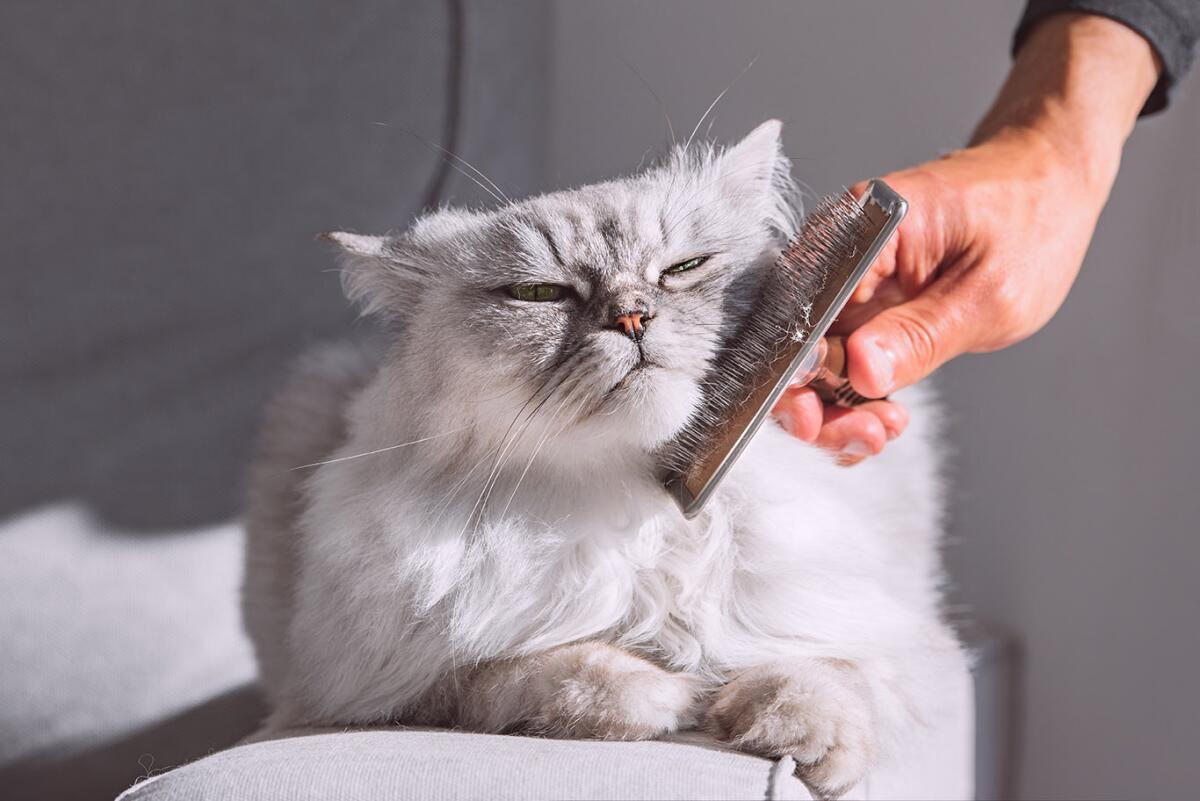
Cats use their tongues as their primary grooming tool. Their tongues have tiny, hook-like structures called papillae that help remove dirt and loose fur. They also use their teeth and paws to clean hard-to-reach areas, like behind their ears and under their chin.
You might notice your cat licking its fur in a rhythmic pattern. This action not only cleans but also distributes natural oils across their coat, keeping it shiny and healthy. Grooming also cools them down and helps reduce stress.
Frequency Of Grooming
Most cats groom themselves several times a day, often spending up to 50% of their waking hours cleaning. Younger cats and those with longer fur tend to groom more frequently. If you see your cat grooming less than usual, it might be a sign of stress or health issues.
Have you ever wondered why your cat suddenly stops grooming after a stressful event? This behavior can indicate that your cat doesn’t feel safe or comfortable. Observing changes in grooming habits gives you clues about your cat’s emotional state and helps you respond better to their needs.
Safety And Comfort In Cats
Safety and comfort play a big role in a cat’s daily habits. Cats groom themselves more often when they feel secure. Grooming is not just about cleanliness. It also shows that a cat feels calm and relaxed in its environment.
When a cat feels safe, it lowers stress and helps maintain good health. Comfort allows cats to rest and enjoy their space. Understanding how cats show safety helps owners provide a better home for their pets.
Signs Cats Feel Safe
- Slow blinking at people or other pets
- Relaxed body posture, like lying on their side or back
- Soft purring or quiet meowing
- Regular self-grooming and stretching
- Exploring their surroundings without fear
- Sleeping in open or high places
Environmental Factors Affecting Safety
- Quiet and calm surroundings without loud noises
- Stable routine and consistent feeding times
- Safe hiding spots and cozy resting areas
- Friendly interactions with family members
- Minimal exposure to strange animals or people
- Clean litter boxes and fresh water available
Link Between Safety And Grooming
Cats are known for their fastidious grooming habits. This behavior goes beyond cleanliness. Grooming is closely linked to how safe a cat feels in its environment. When a cat feels secure, it grooms itself regularly and thoroughly. Safety influences not just the act of grooming but also its frequency and style.
Understanding this link helps pet owners better care for their cats. Observing grooming patterns can reveal a cat’s emotional state. A calm cat often spends a good amount of time grooming. Stress or fear can cause changes in these habits.
Grooming As A Stress Indicator
Grooming serves as a way for cats to manage stress. When a cat feels anxious, it may groom less or groom excessively. Over-grooming can lead to bald patches or sores. Under-grooming often results in a messy, unkempt coat.
Changes in grooming behavior can signal discomfort or fear. Cats use grooming to soothe themselves and regain calm. A safe environment encourages normal grooming routines. Stressful surroundings disrupt these routines quickly.
Changes In Grooming Habits
Sudden changes in grooming often reflect shifts in safety perception. A cat that feels threatened may stop grooming altogether. Illness or pain can also cause grooming changes. Lack of grooming may lead to fur matting and skin problems.
Owners should watch for:
- Less frequent grooming
- Excessive licking or biting
- Visible hair loss
- Dirty or oily fur
These signs suggest the cat feels unsafe or stressed. Creating a calm and secure space helps restore healthy grooming habits. Consistent grooming is a strong sign that a cat feels at ease.
Benefits Of Grooming For Cats
Grooming is more than just a routine activity for cats; it plays a vital role in their overall health and happiness. When your cat grooms itself, it does more than clean its fur. This behavior supports both physical and emotional well-being in several important ways.
Physical Health Benefits
Grooming helps cats remove dirt, loose hair, and parasites from their coat. This keeps their skin healthy and reduces the risk of infections.
Regular grooming also distributes natural oils across their fur. These oils keep their coat shiny and waterproof.
Have you noticed how your cat licks its paws and then rubs its face? This action cleans sensitive areas that are hard to reach otherwise.
Emotional Well-being
Grooming can calm a cat and reduce stress. When your cat spends time cleaning itself, it signals that it feels safe and relaxed in its environment.
This self-care routine can also prevent anxiety. Cats often groom more when they feel nervous, so watching your cat’s grooming habits helps you understand its mood.
Think about your own self-care habits—don’t you feel better after taking time for yourself? Grooming works similarly for cats by providing comfort and reassurance.
How Owners Can Promote Safety
Cats often groom themselves to show they feel safe and comfortable. Providing a calm space helps owners promote this natural behavior. Regular petting and gentle care build trust and encourage relaxation.
Cats are fascinating creatures with a natural instinct to groom themselves, often signaling a sense of safety and well-being. As a cat owner, you play a pivotal role in promoting this feeling of security. Understanding how to create an environment where your feline friend feels safe can encourage their grooming habits and overall happiness.Creating A Secure Environment
Ensure your home is a haven for your cat. Start by providing a quiet and comfortable space where they can retreat without disturbances. This could be a cozy corner with a soft bed or a dedicated room. Make sure to remove any potential hazards. Secure loose wires and store away toxic plants. A clutter-free space can prevent accidents and help your cat feel at ease. Keep their essentials accessible. Food, water, and a clean litter box should be easy for your cat to find. This accessibility ensures they don’t feel stressed while meeting their basic needs.Building Trust With Your Cat
Spend quality time with your cat every day. Engage in gentle play, talk to them softly, and respect their personal space. Over time, these actions can build a strong bond and a sense of trust. Observe and respect their body language. If your cat seems anxious or agitated, give them space. Recognizing their cues shows your understanding and respect for their boundaries. Reward your cat for positive behavior. Use treats or affection to reinforce trust and safety. This positive reinforcement can encourage them to maintain their grooming habits when they feel safe. By focusing on these aspects, you can foster an environment where your cat not only feels secure but thrives. What small changes can you make today to enhance your cat’s sense of safety?Frequently Asked Questions
Do Cats Groom Themselves When Feeling Safe?
Yes, cats often groom themselves more when they feel safe. Grooming is a sign of comfort and relaxation. It helps them stay clean and reduces stress. A secure environment encourages regular grooming behavior in cats.
How Does Grooming Relate To A Cat’s Emotional State?
Grooming reflects a cat’s emotional well-being. Cats groom more when calm and less when anxious or stressed. It helps soothe and comfort them. Observing grooming habits can indicate how your cat feels emotionally.
Can Lack Of Grooming Mean A Cat Feels Unsafe?
Yes, reduced grooming can indicate stress or fear. Cats may stop grooming if they feel threatened or unwell. It’s a sign to check their environment and health. Ensuring safety encourages normal grooming habits.
Do Cats Groom Other Cats When They Feel Safe?
Cats often groom each other as a social bonding behavior. It shows trust and comfort within their group. Mutual grooming strengthens relationships and signals a secure environment. This behavior is common among cats living together.
Conclusion
Cats groom themselves to feel calm and safe. Grooming shows they trust their space. It helps them stay clean and healthy. When cats relax, they spend more time grooming. This behavior is a clear sign of comfort. Watching your cat groom can tell you about their mood.
A happy cat cares for its fur often. Keep their environment peaceful to encourage grooming. This way, your cat stays happy and healthy. Simple care helps your cat feel secure every day.

Leave a Reply