Have you ever watched your cat spend so much time licking its fur and wondered, “How many times do cats groom each day?” Understanding your cat’s grooming habits can reveal a lot about its health and happiness. If you’re curious about why your feline friend spends hours cleaning itself and what that means for you as a pet owner, this article will give you clear answers.
Keep reading to discover surprising facts about your cat’s grooming routine that might change the way you see your furry companion forever.
Cat Grooming Frequency
Cats are known for their cleanliness. They spend a good part of their day grooming themselves. Understanding how often cats groom can help owners care better for their pets. Grooming keeps cats healthy and comfortable. It removes dirt and loose fur and helps control body temperature.
Daily Grooming Habits
Cats usually groom several times a day. They lick their fur to clean and smooth it. Grooming sessions can last from a few minutes to half an hour. Cats use their tongues and paws to remove dirt and untangle fur. This daily routine also reduces stress and helps cats feel calm.
Factors Influencing Grooming
Several factors affect how often a cat grooms. Age plays a role; kittens and young cats groom more often. Older cats may groom less due to arthritis or health issues. Weather also matters; cats groom more in hot weather to cool down. Stress or illness can change grooming habits too. If a cat grooms too much or too little, it might signal a problem.
Breed Differences
Different cat breeds show different grooming behaviors. Short-haired cats groom less than long-haired cats. Long-haired cats need more brushing to prevent mats. Some breeds like Persians require extra grooming help from owners. Hairless breeds, like Sphynx, groom often to keep their skin clean. Knowing breed needs helps keep cats comfortable and healthy.
Why Cats Groom Themselves
Cats spend a lot of time grooming themselves every day. This habit is natural and serves many important purposes. Grooming helps cats stay healthy, comfortable, and calm. Understanding why cats groom can explain their behavior and needs better.
Maintaining Cleanliness
Cats use their tongues to clean dirt and loose fur. Their rough tongues remove debris and parasites. Grooming keeps their coat shiny and free from mats. This daily cleaning helps prevent skin infections and irritations.
Temperature Regulation
Grooming helps cats control their body temperature. When cats lick their fur, saliva evaporates and cools them down. This is especially useful in warm weather. Grooming also fluffs up fur to keep cats warm in cold weather.
Stress Relief
Grooming calms cats and reduces anxiety. Cats often groom themselves after stressful events. It acts like a natural way to relax and feel safe. Grooming can also help cats focus and regain control.
Signs Of Overgrooming
Noticing your cat spending an unusual amount of time licking or biting its fur can be worrying. Signs of overgrooming go beyond just a clean coat; they might indicate discomfort or distress. Understanding these signs helps you protect your cat’s health before problems escalate.
Causes Of Excess Grooming
Excess grooming can stem from several triggers. Stress or anxiety often leads cats to lick themselves more than usual. Changes in their environment, like a new pet or moving house, can upset their routine.
Medical issues also play a big role. Skin allergies, parasites like fleas, or pain from an injury can cause your cat to groom excessively. Sometimes, overgrooming is a way for your cat to soothe physical discomfort.
Health Implications
Overgrooming can cause real harm if left unchecked. It often results in hair loss, exposing sensitive skin to irritants and infections. You might see red, raw patches or scabs where your cat has repeatedly licked.
In severe cases, this behavior can lead to chronic wounds or thickened skin. Your cat’s constant licking might also indicate underlying problems that require attention, such as allergies or anxiety disorders.
When To See A Vet
How do you know when it’s time to call the vet? If you spot bald patches, open sores, or your cat seems in pain, don’t wait. Persistent overgrooming that lasts more than a few days deserves a professional check-up.
Keep track of any other signs like changes in appetite, behavior, or litter box habits. Sharing these details with your vet can help identify the root cause and find the best treatment quickly.
Grooming And Age
Understanding how grooming habits change as cats age can help you better care for your feline friend. Their grooming frequency and style evolve with each life stage, reflecting their physical and emotional needs. Knowing what to expect can guide you in supporting your cat’s health and comfort.
Kittens’ Grooming Patterns
Kittens start learning to groom themselves at just a few weeks old, often mimicking their mother’s behavior. They tend to groom less frequently compared to older cats since they are still developing coordination and energy.
You might notice your kitten spending short bursts of time licking their fur, mainly after meals or naps. This early grooming helps them stay clean and also strengthens their bond with you and their littermates.
Adult Cats’ Routine
Adult cats usually groom themselves multiple times a day, sometimes spending up to 50% of their waking hours on grooming. This routine keeps their coat clean, controls body temperature, and reduces stress.
If your adult cat suddenly grooms less or more than usual, it might signal health or emotional issues. Have you observed any changes in your cat’s grooming that made you check with a vet?
Senior Cats’ Changes
As cats age, their grooming habits often slow down due to arthritis, dental problems, or reduced flexibility. This can lead to matted fur or skin issues if not monitored carefully.
You can help your senior cat by gently brushing their coat and checking for any signs of discomfort. Paying attention to these changes ensures your older cat stays comfortable and clean, even if self-grooming decreases.
Owner’s Role In Grooming
Cats are known for their meticulous grooming habits, often spending a significant part of their day keeping themselves clean. As a cat owner, your role in this grooming process is crucial, not just to assist your furry friend, but also to strengthen the bond you share. While cats are naturally adept at self-care, there are times when they need a little help from you. Understanding your role can make a big difference in your cat’s health and happiness.
Assisting With Grooming
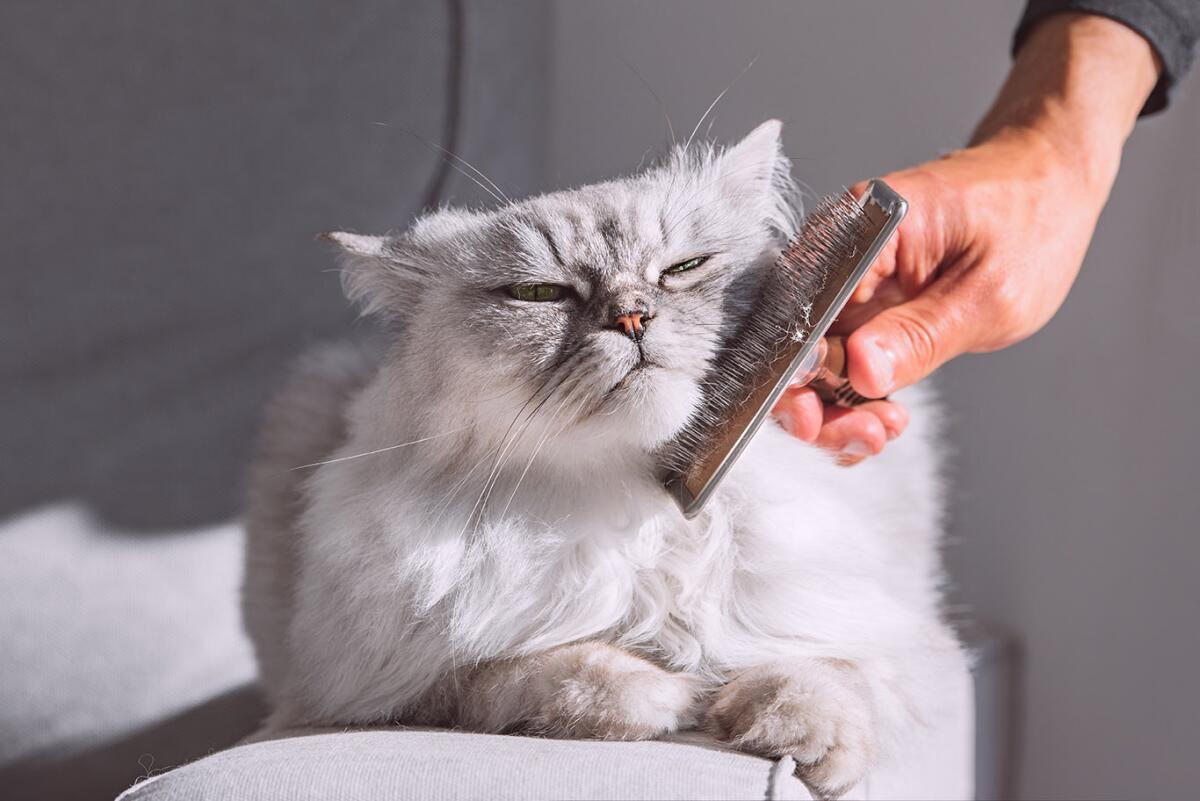
Even though cats are self-sufficient, your assistance can help them reach those tricky spots they might miss. Regular brushing helps remove loose fur and reduces shedding. If you’ve noticed your cat struggling with a tangled coat, your intervention can prevent discomfort and matting.
Help your cat feel at ease by choosing a quiet, comfortable space for grooming sessions. Speaking softly and offering treats can make the experience more pleasant for both of you. Have you ever noticed how a relaxed environment can transform a grooming session into a bonding moment?
Tools And Techniques
Having the right tools can make grooming a breeze. A slicker brush or a comb designed for your cat’s coat type can work wonders. For short-haired cats, a simple rubber brush might suffice, while long-haired cats may need a more robust tool.
Focus on gentle strokes and pay attention to your cat’s reactions. If they show signs of discomfort, adjust your technique. Isn’t it amazing how a simple change in approach can make grooming a joyful routine?
Preventing Hairballs
Hairballs are a common issue in cats, but regular grooming can significantly reduce their occurrence. By removing loose fur, you minimize the amount your cat ingests, keeping hairballs at bay. Have you ever considered how much easier it is to prevent hairballs than to deal with them?
In addition to brushing, providing a balanced diet with enough fiber can aid in digestion and help manage hairballs. Including hairball control treats in your cat’s diet might also be beneficial. By being proactive, you can help your cat stay healthy and comfortable.
Frequently Asked Questions
How Often Do Cats Groom Themselves Daily?
Cats groom themselves about 3 to 5 times daily. Grooming helps maintain their coat cleanliness and controls body temperature.
Why Do Cats Spend So Much Time Grooming?
Cats groom to remove dirt, loose fur, and parasites. It also reduces stress and strengthens their bond with other cats.
Can Grooming Frequency Indicate A Cat’s Health?
Yes, changes in grooming habits can signal health issues. Over-grooming may indicate stress or skin problems, while under-grooming might suggest illness.
Do All Cats Groom At The Same Rate?
Grooming frequency varies by breed, age, and personality. Some cats groom more frequently, while others groom less but thoroughly.
Conclusion
Cats groom many times a day to stay clean and healthy. This habit helps them remove dirt and loose fur. Grooming also cools their body and reduces stress. Watching a cat clean itself shows how much it cares for its well-being.
Understanding this behavior helps you better care for your pet. Keep an eye on grooming habits to spot any health problems early. A happy cat usually grooms regularly and feels comfortable in its home. Simple, daily grooming is a sign of a healthy, content cat.

Leave a Reply