Have you ever wondered why your cat spends so much time licking its fur? It’s not just a quirky habit or a way to stay clean.
There’s a powerful reason behind your cat’s grooming behavior—one shaped by millions of years of evolution. Understanding why cats groom themselves can give you new insights into their health, comfort, and even their mood. Keep reading, and you’ll discover surprising facts that will change the way you see your furry friend forever.
Reasons Cats Groom
Cats grooming themselves is more than just a cute habit. It serves several important purposes rooted in their evolution. Understanding why your cat spends so much time licking and cleaning can help you appreciate their behavior and care for them better.
Cleaning And Hygiene
Grooming keeps a cat’s fur clean and free from dirt, parasites, and dead skin. This daily routine helps prevent infections and skin problems. Have you noticed how your cat carefully licks every spot, even hard-to-reach areas? It’s a natural way to maintain their health without needing a bath.
Temperature Regulation
When cats lick their fur, the saliva evaporates, which cools them down. This is especially helpful in warm weather or after intense play. If you’ve seen your cat grooming more on hot days, it’s their way of staying comfortable and avoiding overheating.
Scent Masking
Wild ancestors of domestic cats needed to hide their scent from predators and prey. Grooming removes strong smells that could give away their position. Even today, your cat instinctively cleans to blend in with their surroundings, showing how deep this behavior runs.
Evolutionary Origins
Cats grooming themselves is more than just a neat habit—it’s deeply rooted in their evolutionary past. Understanding why cats have developed this behavior can give you a fresh perspective on your feline friend’s daily rituals. Their grooming isn’t simply about looking good; it’s a survival skill shaped over thousands of years.
Ancestral Behavior
Long before housecats lounged on your couch, their wild ancestors roamed harsh environments. Grooming helped these early cats stay clean from dirt and parasites, which was crucial for health. This behavior was naturally selected because cats that groomed regularly were less likely to get sick and more likely to survive.
Interestingly, grooming also played a role in social bonding among wild cats. You might notice your cat licking itself or even other cats—this social grooming helped maintain group harmony and reduce stress.
Survival Advantages
Grooming offers several practical benefits that directly affect survival. It removes scents that predators or prey could detect, giving cats an edge in hunting and avoiding danger. This silent stealth mode is a critical advantage in the wild.
Moreover, grooming helps regulate body temperature by spreading natural oils in the fur and removing excess heat. This ability allowed cats to adapt to various climates, from deserts to forests.
Next time you see your cat meticulously cleaning itself, think about how this simple action carries the wisdom of its ancestors—an ancient, powerful tool that helps your cat thrive.
Social Functions
Cats groom themselves to stay clean and healthy, removing dirt and parasites. Grooming also helps them bond and communicate with other cats in their social groups. This behavior evolved to improve survival and social connection.
Cats are fascinating creatures, and their grooming habits go beyond mere cleanliness. Grooming plays a vital role in their social interactions, serving several functions that enhance their relationships with other cats and their environment. Understanding these social functions can deepen your appreciation of your feline friend and shed light on their intriguing behaviors.Bonding And Communication
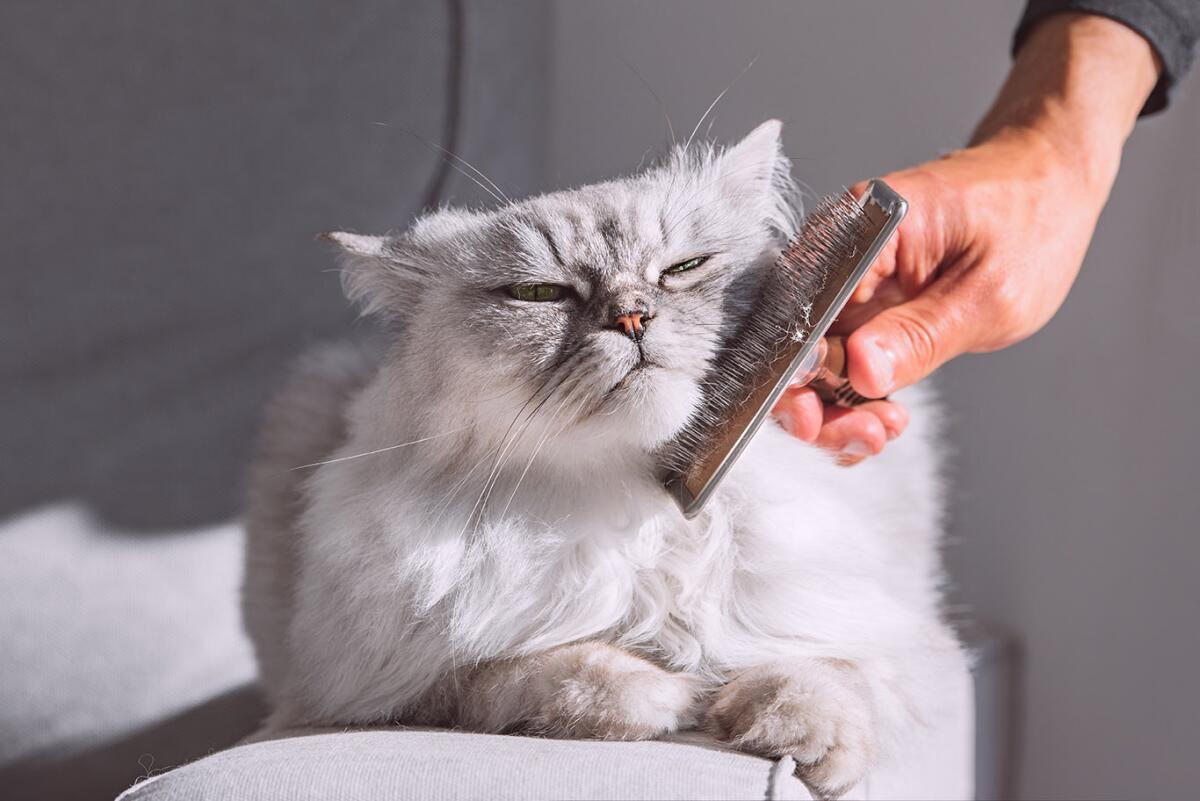
Cats groom each other as a way to bond. This behavior, known as allogrooming, is common among cats that live together or are closely related. It helps strengthen social ties and fosters a sense of community within a group. When your cat licks you, it’s not just a sign of affection. They are extending this bonding behavior to you, marking you as part of their social circle. This act of mutual grooming can make cats feel more connected to their human companions. Cats also use grooming to communicate with each other. The act can convey messages of trust and safety. In multi-cat households, you might notice one cat grooming another as a way to calm them or reinforce a hierarchy.Territory Marking
Grooming is also a subtle way cats mark their territory. By spreading their scent through grooming, cats create a familiar environment that makes them feel secure. This scent marking is a non-confrontational way to assert ownership and deter intruders. Even when a cat grooms itself, it’s leaving behind scent markers. These scents can be detected by other cats, sending a message about who lives in the area. Have you ever noticed your cat grooming itself more after a visitor leaves? This might be their way of re-establishing their scent and reclaiming their territory. It’s their natural method of maintaining a comfortable and familiar environment. Do these insights help you understand your cat’s grooming habits better? Observing these behaviors can offer a glimpse into your cat’s world, revealing their social dynamics and territorial instincts.Health Benefits
Self-grooming in cats is more than just a way to look good. It plays a vital role in maintaining their health and well-being. Understanding these health benefits helps you appreciate why your feline friend spends so much time licking and cleaning.
Parasite Control
Cats use grooming to keep parasites like fleas and ticks at bay. Their tongues act like tiny combs, removing dirt and unwanted hitchhikers from their fur. This natural cleaning reduces the risk of infections and skin irritations.
Have you noticed how your cat often grooms after being outside? This instinct helps minimize the chances of parasites settling in. Regular grooming also spreads natural oils that protect the skin and fur, creating a barrier against pests.
Stress Relief
Grooming isn’t just about physical health; it also soothes your cat’s mind. When your cat licks its fur, it releases endorphins, which calm anxiety and reduce stress. This is why cats often groom themselves after a stressful event or change.
Think about the last time your cat settled down to groom after a loud noise or a visit to the vet. That behavior is their way of regaining control and feeling safe. Encouraging calm environments can help your cat maintain this healthy coping mechanism.
Grooming Variations
Cats groom themselves in many ways. This behavior is not the same for every cat. Differences arise based on species and environment. These factors shape how cats clean and care for their fur. Understanding these variations helps explain why grooming is essential for cats’ survival and health.
Differences Among Cat Species
Wild cats and domestic cats groom differently. Wild cats tend to groom less often but more intensely. Their fur needs to stay free from dirt and parasites. Domestic cats groom more frequently to stay clean indoors. Some species have thicker fur requiring more grooming. Others have short fur and spend less time cleaning. Grooming styles depend on fur type and length. Different species use their tongues and paws in unique ways.
Impact Of Environment
Environment affects how cats groom daily. Cats in dusty or wet areas groom more to remove dirt. Desert cats lick their fur to cool down. Forest cats clean to remove leaves and insects. Indoor cats groom to reduce stress and stay comfortable. Changes in temperature and humidity also influence grooming habits. Grooming helps cats adapt and stay healthy in their surroundings.
Unexpected Grooming Facts
Cat grooming is often seen as just a way for your feline friend to stay clean. But there’s more to it than meets the eye. Some grooming behaviors have surprising evolutionary reasons that can affect your cat’s hunting skills and brain health.
Grooming And Hunting Success
You might not realize it, but grooming plays a key role in a cat’s ability to catch prey. When cats clean their fur, they remove dirt and loose hairs that could slow them down or make noise while stalking. A sleek, well-groomed coat helps them move silently and swiftly, increasing their chances of a successful hunt.
Think about your cat’s natural instincts. Grooming reduces scent traces, making it harder for prey to detect them. This means grooming isn’t just about looking good—it’s a crucial survival skill.
Self-grooming And Brain Stimulation
Grooming also does wonders for a cat’s brain. When cats lick and clean themselves, they stimulate nerve endings in their skin. This boosts blood flow and triggers the release of feel-good hormones like endorphins.
This process helps reduce stress and keeps their minds sharp. Have you noticed how calm your cat looks after a good grooming session? That’s not a coincidence—it’s their way of taking care of their mental health.
Next time you see your cat grooming, remember it’s more than just cleanliness. It’s a complex behavior shaped by evolution to help them survive and thrive.
Frequently Asked Questions
Why Do Cats Groom Themselves Naturally?
Cats groom themselves to stay clean, remove parasites, and regulate body temperature. Grooming also helps reduce stress and strengthens their coat health.
How Does Grooming Benefit A Cat’s Survival?
Grooming removes scent traces, helping cats avoid predators. It also prevents infections and keeps their fur insulated in cold or hot weather.
What Evolutionary Traits Encourage Cats To Groom Frequently?
Cats’ flexible tongues and sharp claws evolved for efficient grooming. This behavior promotes hygiene, social bonding, and overall well-being in wild and domestic cats.
Does Grooming Help Cats Communicate With Others?
Yes, grooming releases pheromones from glands, signaling territory and social bonds. It also reassures cats and reduces anxiety in group living.
Conclusion
Cats groom themselves to stay clean and healthy. This behavior helps remove dirt and parasites. Grooming also cools their bodies and keeps fur soft. It strengthens bonds when cats groom each other. Evolution shaped this habit to help cats survive.
Understanding why cats groom shows how smart and adapted they are. Next time you see a cat cleaning, remember it’s more than just routine. It’s a vital part of their life and survival.

Leave a Reply