Have you ever wondered if your cat can develop asthma after a visit to the groomer? If you’re worried about your furry friend’s health, you’re not alone.
Many pet owners ask this question but don’t always get clear answers. Understanding the risks and signs of asthma in cats can help you protect your companion and keep them comfortable. Keep reading to learn what you need to know about your cat’s breathing, grooming visits, and how to stay ahead of potential problems.
Cat Asthma Basics
Cat asthma is a common respiratory problem in cats. It causes the airways to become narrow and inflamed. This makes breathing hard and can lead to coughing or wheezing. Understanding cat asthma helps pet owners recognize signs early. Early care can improve a cat’s quality of life.
What Is Cat Asthma?
Cat asthma is a chronic lung disease. It affects the bronchial tubes in a cat’s lungs. These tubes swell and fill with mucus. This limits airflow and makes breathing difficult. The condition often starts due to allergies or irritants. Dust, pollen, or smoke can trigger asthma attacks. It is similar to asthma in humans but specific to cats.
Common Symptoms In Cats
- Coughing that lasts for days or weeks
- Wheezing or noisy breathing
- Rapid or labored breathing
- Open-mouth breathing in severe cases
- Reduced activity or tiredness
- Gagging or retching after coughing
Not all cats show the same symptoms. Some may have mild signs, while others have severe attacks. Watch your cat closely if breathing problems appear.
Role Of Groomers In Cat Health
Groomers play a vital role in maintaining cat health. Their work goes beyond making cats look neat. Grooming involves various procedures that contribute to a cat’s overall wellness. Regular grooming helps in early detection of potential health issues. It also aids in keeping a cat’s coat and skin healthy. Groomers are trained to spot signs of discomfort or distress.
Typical Grooming Procedures
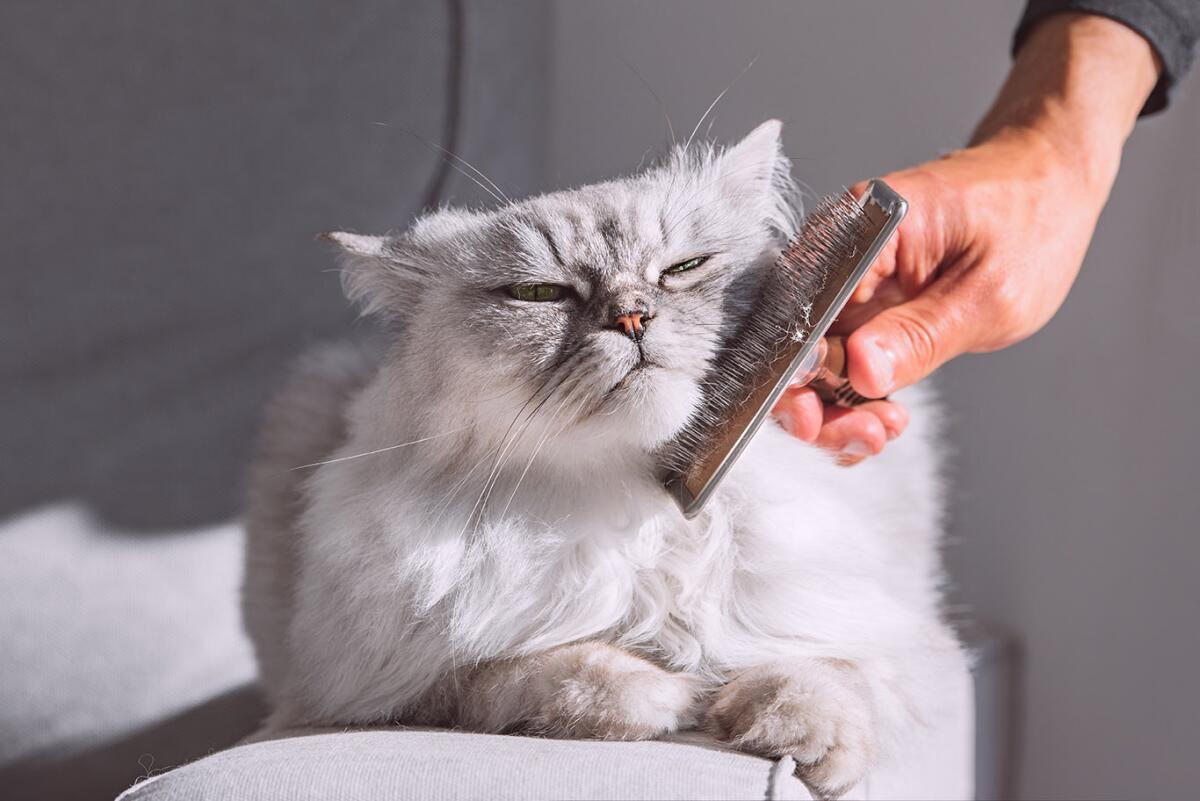
Grooming usually includes brushing, bathing, and trimming. Brushing removes loose fur and reduces shedding. Bathing keeps the coat clean and free from dirt. Trimming involves cutting overgrown nails, which prevents injuries. Ear cleaning and checking for parasites are common practices. Each procedure helps maintain a cat’s hygiene and health.
Potential Risks During Grooming
There are some risks during grooming sessions. Cats can experience stress or anxiety. This can lead to respiratory problems, like asthma. Groomers might use scented products, which can trigger allergies. Incorrect handling may cause physical injuries. Awareness of these risks ensures better care during grooming.
Asthma Triggers Linked To Grooming
Asthma in cats can flare up due to various triggers during grooming sessions. Many factors in grooming salons can irritate sensitive feline airways. Understanding these triggers helps protect your cat’s health and comfort.
Allergens In Grooming Salons
Grooming salons often have dust, pollen, and pet dander in the air. These small particles can trigger asthma attacks in cats. Shampoos and sprays contain chemicals that may irritate the lungs. Poor ventilation increases the concentration of allergens. Even cleaning products used in salons can cause problems for sensitive cats.
Stress And Its Impact On Cats
Stress is a strong trigger for asthma in cats. The unfamiliar environment of a grooming salon can cause anxiety. Loud noises and strange smells add to the stress. Cats under stress breathe faster and more shallowly. This reaction can worsen asthma symptoms quickly. Relaxed cats are less likely to have asthma attacks during grooming.
Can Asthma Be Transmitted At Groomers?
Many cat owners worry about asthma spreading at grooming centers. The question is simple: can asthma be transmitted between cats at groomers? Understanding how asthma works in cats helps clear up this concern. Let’s explore whether your cat’s asthma can spread through contact or shared environments at groomers.
Contagious Nature Of Cat Asthma
Cat asthma is not contagious. It is an allergic condition caused by inflammation in the airways. This inflammation results from triggers like dust, pollen, or smoke. Cats do not catch asthma from other cats. It is a reaction inside the cat’s body, not a virus or bacteria that spreads.
At a groomer, cats may share space or equipment. But this does not lead to asthma transmission. Each cat’s asthma triggers differ. One cat’s asthma will not cause another cat to develop the condition. Groomers should clean tools and areas to prevent infections, but asthma is not one of them.
Myths And Facts
- Myth:Asthma can spread from one cat to another at the groomer.
- Fact:Asthma is an individual allergic reaction, not contagious.
- Myth:Sharing grooming tools causes asthma in cats.
- Fact:Tools do not carry asthma triggers between cats.
- Myth:Cats with asthma should not visit groomers.
- Fact:Cats with asthma can be groomed safely with care.
Understanding these facts helps reduce worry about asthma spreading at groomers. Focus on keeping your cat’s environment clean and free of known allergens. This helps manage asthma, no matter where your cat is groomed.
Preventing Asthma Attacks Post-grooming
Preventing asthma attacks after your cat visits the groomer is crucial for their health and your peace of mind. Grooming environments can sometimes trigger asthma symptoms due to dust, dander, and certain grooming products. Taking the right precautions helps reduce the risk and keeps your feline friend comfortable.
Choosing Safe Grooming Practices
Ask the groomer about the products they use. Are they fragrance-free and hypoallergenic? Using gentle shampoos and avoiding harsh chemicals can make a big difference for cats with sensitive airways.
Request that the groomer minimize the use of blow dryers or opt for low-heat settings. High heat and strong airflow can stir up dust and dander, which may trigger asthma symptoms.
Consider shorter grooming sessions. Prolonged exposure to grooming environments can increase your cat’s chances of an attack. Have a quick chat with your groomer about tailoring the session to your cat’s needs.
Home Care Tips After Grooming
Once home, keep your cat in a calm, well-ventilated room. Fresh air helps clear any lingering irritants from grooming. Have you noticed your cat coughing or sneezing more after grooming? This quiet space can help them recover faster.
Use a damp cloth to gently wipe your cat’s fur. This removes any leftover grooming products or loose hair that might cause irritation. It’s a simple step that many owners overlook but can ease breathing discomfort.
Monitor your cat closely for signs of asthma, such as wheezing or rapid breathing. If symptoms appear, contact your vet immediately. Early intervention can prevent a minor episode from becoming serious.
When To See A Vet After Grooming
Knowing when to see a vet after grooming is vital for cats with asthma. Grooming can expose cats to dust, chemicals, or allergens that might trigger breathing problems. Early vet visits help catch issues before they worsen. Recognizing signs and understanding treatment options ensure your cat stays safe and comfortable.
Identifying Emergency Symptoms
Watch for sudden coughing or wheezing after grooming. Difficulty breathing or rapid breaths need quick attention. Open-mouth breathing or blue gums signal a medical emergency. Loss of balance or fainting also requires immediate vet care. Don’t wait if your cat shows these signs.
Treatment Options For Cat Asthma
Vets may prescribe inhalers or oral medications to control symptoms. Anti-inflammatory drugs reduce airway swelling. Oxygen therapy helps cats with severe breathing trouble. Regular check-ups monitor progress and adjust treatment. Managing triggers at home supports long-term health.
Frequently Asked Questions
Can Cats Develop Asthma From Grooming Sessions?
Cats cannot directly get asthma from grooming, but allergens during grooming can trigger symptoms. Dust, dander, or chemicals used by groomers may worsen existing asthma in sensitive cats.
What Triggers Asthma In Cats During Grooming?
Common triggers include dust, strong shampoos, and airborne irritants at the grooming salon. These factors can cause inflammation and breathing difficulties in cats prone to asthma.
How Can Groomers Prevent Asthma Attacks In Cats?
Groomers should use hypoallergenic products and ensure good ventilation. Minimizing dust and avoiding harsh chemicals helps reduce asthma risk during grooming.
Are Certain Cat Breeds More Prone To Asthma At Groomers?
Yes, breeds like Siamese and Himalayan have higher asthma risk. Grooming stress and allergens can easily trigger asthma symptoms in these sensitive breeds.
Conclusion
Cats cannot catch asthma from groomers directly. Asthma in cats comes from allergies or irritants in the air. Groomers may use products that trigger your cat’s asthma. Watch for signs like coughing or wheezing after grooming. Always tell groomers about your cat’s health issues.
Choose gentle products and a calm environment for grooming. Protect your cat by keeping its asthma under control. Regular vet visits help manage asthma well. Grooming can be safe with the right care and attention.

Leave a Reply