If you’ve ever noticed your cat looking a little less tidy than usual, you might wonder how to get your cat to groom itself more regularly. Grooming is not just about keeping your feline friend clean—it’s essential for their health and happiness.
But sometimes, cats need a little encouragement to keep up with their grooming habits. You’ll discover simple, effective ways to help your cat take better care of itself. Keep reading, and you’ll learn easy tips that can make a big difference for your pet’s well-being.
Benefits Of Self-grooming
Encouraging your cat to groom itself offers more than just a cleaner coat. Self-grooming plays a vital role in your cat’s overall well-being. Understanding these benefits helps you appreciate why promoting this habit matters for your feline friend.
Health Advantages
Self-grooming helps your cat remove dirt, loose fur, and parasites like fleas. This natural cleaning reduces the risk of skin infections and irritation. Cats that groom themselves regularly tend to have shinier, healthier fur, which signals good nutrition and care.
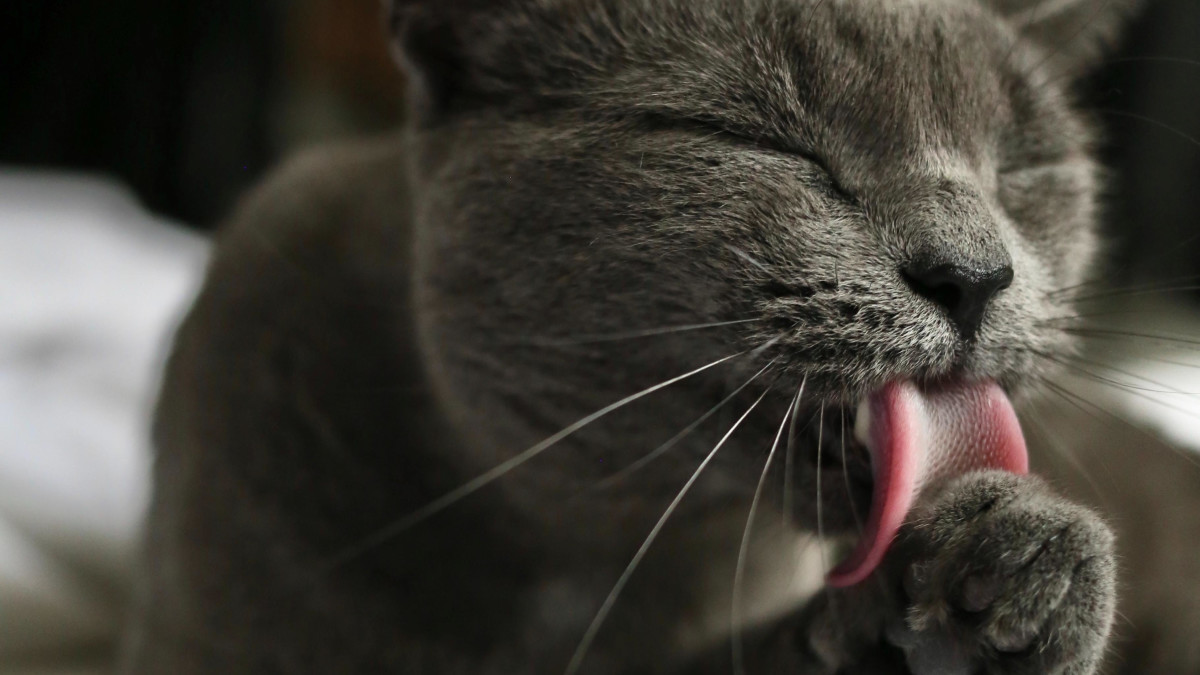
Have you noticed how cats often lick their paws and face after eating? This not only cleans but also stimulates blood flow to the skin. This simple action supports healing and keeps their skin elastic.
Behavioral Benefits
Grooming is calming for cats. It helps reduce stress by releasing endorphins, making your pet feel more relaxed and secure. When your cat grooms itself, it shows confidence and comfort in its environment.
Sometimes, a lack of grooming indicates stress or illness. Observing changes in grooming habits can help you spot problems early. How often does your cat groom itself, and have you noticed any shifts in this behavior?
Common Grooming Challenges
Getting your cat to groom itself can sometimes be tricky due to common grooming challenges. Understanding these challenges helps you identify the root causes and find effective solutions. Let’s look closely at why cats might avoid grooming and what signs show your cat needs help.
Reasons Cats Avoid Grooming
Cats may skip grooming for several reasons that you might not expect. Pain or discomfort caused by arthritis or injury can make grooming difficult for them. Older cats especially might struggle to reach certain areas due to stiffness.
Stress and anxiety also play a big role. Changes in the environment, new pets, or loud noises can cause your cat to avoid its usual grooming habits. Additionally, skin conditions like fleas or allergies can make grooming painful or irritating.
Sometimes, your cat might just be overweight, making it hard to bend and clean itself properly. Have you noticed your cat struggling to reach its belly or hind legs? This could be a sign that weight is interfering with grooming.
Signs Of Grooming Issues
Watch for clear signs that your cat isn’t grooming well on its own. Matted fur is one of the most obvious indicators. If your cat’s coat looks dull or has clumps of tangled hair, it’s time to step in.
Other signs include excessive shedding, bald patches, or flaky skin. These might mean your cat is grooming either too little or too much, which could point to underlying health issues.
Behavioral changes can also signal grooming problems. If your cat suddenly avoids being touched or seems restless, it might be because grooming is uncomfortable.
Have you ever noticed your cat licking one spot repeatedly or grooming one side more than the other? These patterns can hint at pain or irritation that needs attention.
Encouraging Grooming Habits
Encouraging your cat to groom itself helps keep its coat clean and healthy. Cats groom to remove dirt and loose hair. Some cats need a little help to build good grooming habits. Creating the right environment and rewarding good behavior makes a big difference.
Creating A Comfortable Environment
Provide a calm and quiet space for your cat. Avoid loud noises and sudden movements. Place soft bedding in a warm area where your cat feels safe. Good lighting helps your cat see its fur clearly. Keep grooming tools like brushes nearby for easy access. A stress-free space encourages regular grooming.
Using Positive Reinforcement
Reward your cat when it grooms itself. Use gentle praise or offer small treats. Praise your cat right after it grooms to connect the reward. Avoid punishment, which can cause fear. Consistent rewards make grooming a positive habit. Patience and kindness help your cat feel confident.
Tools To Support Grooming
Supporting your cat’s grooming routine with the right tools can make a huge difference. These tools not only help maintain your cat’s coat but also encourage them to groom themselves more effectively. Choosing the right grooming aids can turn a chore into a bonding moment between you and your feline friend.
Brushes And Combs
Brushes and combs are essential for keeping your cat’s fur clean and tangle-free. Different coat types need different tools—slicker brushes work well for long-haired cats, while bristle brushes suit short-haired breeds. Regular brushing removes loose hair, reduces shedding, and prevents matting.
Try to brush your cat gently, paying attention to their favorite spots. You might notice that some cats prefer a comb over a brush because it feels less intrusive. Have you observed how your cat reacts to different tools? Their preference can guide your choice.
Grooming Wipes And Sprays
Grooming wipes and sprays offer a quick way to clean your cat without a full bath. Wipes can remove dirt and dander, especially after outdoor adventures or playtime. Sprays often have conditioning ingredients that keep the coat soft and shiny.
Use wipes and sprays to freshen up your cat between grooming sessions. They are handy if your cat dislikes being brushed or bathed. Have you tried these products to keep your cat looking and feeling great on busy days?
Diet And Hydration Impact
Proper diet and hydration keep a cat’s skin and fur healthy, encouraging natural grooming. Cats with good nutrition feel better and tend to groom themselves more often. Fresh water and balanced food support their overall cleanliness and comfort.
Ensuring your cat maintains a healthy grooming routine is essential, and diet and hydration play a crucial role in this process. A well-balanced diet not only supports your cat’s overall health but also contributes significantly to the quality of their fur. Proper hydration keeps their skin supple and fur shiny, making grooming an easier task. Let’s explore how nutrition and water intake can transform your cat’s grooming habits.Nutrition For Healthy Fur
A nutrient-rich diet can make a world of difference in your cat’s grooming habits. Foods rich in omega-3 and omega-6 fatty acids are particularly beneficial. These nutrients promote a glossy coat and reduce shedding, which means less hair for your cat to manage. Consider adding wet food to their diet if it’s primarily dry. Wet food often contains higher moisture levels, which can improve hydration indirectly. Don’t forget to check the labels for essential vitamins and minerals, as these also play a vital role in fur health.Importance Of Water Intake
Does your cat drink enough water? Proper hydration is key to maintaining healthy skin and fur. Dehydration can lead to dry skin and excessive shedding, complicating your cat’s grooming routine. Encourage your cat to drink more by providing fresh water daily. Some cats prefer running water, so a pet fountain could be an excellent investment. You might also notice a preference for certain bowls; experimenting with different materials or shapes can sometimes spark more interest. Have you ever wondered if your cat’s grooming issues could be linked to their diet and hydration? Improving these aspects can lead to noticeable changes in their grooming habits and overall well-being. By focusing on what your cat eats and drinks, you’re one step closer to a self-grooming feline friend.When To Consult A Vet
Knowing when to consult a vet about your cat’s grooming habits can save your furry friend from discomfort and serious health issues. Cats are usually excellent self-groomers, but changes in their behavior or appearance may indicate underlying problems. Don’t ignore signs that something might be wrong—your vet can offer the right guidance and treatment.
Recognizing Skin Or Health Problems
If your cat suddenly stops grooming or over-grooms one area, check their skin closely. Look for redness, sores, bald patches, or scabs that don’t heal quickly. Persistent itching, swelling, or unusual lumps also signal that your cat needs a professional checkup.
Sometimes, health issues like arthritis or dental pain make grooming difficult. If your cat struggles to reach certain spots, it might be hurting rather than lazy. Noticing weight loss, lethargy, or changes in appetite alongside grooming problems means a vet visit is urgent.
Professional Grooming Assistance
There are times when your cat’s coat gets so matted or dirty that it’s beyond what you can manage at home. In these cases, professional grooming services can help safely remove mats and clean the fur without stressing your cat. Groomers also spot hidden skin issues that you might miss.
Your vet might recommend professional grooming if your cat has medical conditions affecting their coat. Regular visits to a groomer can make your cat more comfortable and encourage better self-grooming habits. Have you considered how a skilled groomer could improve your cat’s wellbeing?
Frequently Asked Questions
How Can I Encourage My Cat To Groom Itself?
Provide a clean environment and regular brushing. Use positive reinforcement like treats to motivate grooming habits. Cats groom more when they feel safe and relaxed.
What Are Signs My Cat Isn’t Grooming Properly?
Look for matted fur, greasy coat, or skin irritation. These signs indicate poor grooming and may require veterinary attention.
Can Diet Affect My Cat’s Grooming Behavior?
Yes, a balanced diet improves skin and coat health. Proper nutrition encourages natural grooming by reducing discomfort and shedding.
How Often Should I Help My Cat Groom?
Assist grooming weekly, especially for long-haired cats. Regular brushing prevents mats and supports your cat’s self-grooming routine.
Conclusion
Helping your cat groom itself takes patience and care. Keep its fur clean and brush it gently. Create a calm space where your cat feels safe. Offer treats to encourage good habits. Watch for any skin problems or mats. Regular check-ups with the vet help too.
Small steps can make a big difference. Your cat will thank you with a shiny coat. Simple care leads to a happy, healthy pet. Keep trying, and enjoy the bond you build.

Leave a Reply