Grooming your cat can sometimes feel like a challenge, especially when your furry friend is nervous or restless. You want to keep your pet calm and safe, but how do you do that without causing stress or harm?
Learning how to safely sedate a cat for grooming might be the solution you need. You’ll discover simple, effective steps to help your cat stay relaxed during grooming sessions. Keep reading to find out how to make grooming a calmer experience for both you and your cat.
Reasons To Sedate Cats For Grooming
Sedating cats for grooming is sometimes necessary for their safety and comfort. Not all cats stay calm during grooming sessions. Some cats show fear or aggression, making grooming tough and risky. Sedation helps handle these challenges carefully.
Behavioral Challenges
Many cats react badly to grooming tools and touch. They may scratch, bite, or hide. Sedation calms anxious or aggressive cats. It makes grooming easier and safer for both cats and groomers.
Health And Safety Considerations
Cats with certain health issues might need sedation. Grooming can cause pain if they have skin problems or wounds. Sedation prevents sudden movements that could worsen injuries. It also lowers the risk of accidents during grooming.
Stress Reduction Benefits
Stress harms a cat’s health. Grooming can cause strong stress in some cats. Sedation reduces fear and anxiety. It creates a calm environment, making the grooming experience less traumatic. This helps cats feel safer and more relaxed.
Choosing The Right Sedative
Choosing the right sedative for your cat is crucial to ensure a safe and stress-free grooming experience. Not all sedatives work the same way, and selecting one without proper guidance can lead to unwanted side effects or even harm your pet. Understanding the options and how to use them responsibly will help you keep your feline friend calm and comfortable.
Consulting A Veterinarian
Always start by talking to your veterinarian before sedating your cat. They know your cat’s health history and can recommend the safest sedative based on age, weight, and medical conditions.
Have you ever tried calming a nervous cat only to see it get more anxious? A vet’s advice helps avoid this by providing a tailored plan that reduces risks.
Remember, self-medicating can lead to overdosing or dangerous reactions. Your vet can also monitor your cat’s response to the sedative if needed.
Types Of Sedatives
There are several sedatives commonly used for cats, each with different effects and durations:
- Oral Sedatives:Pills or liquids you give by mouth. They are easy to administer but take longer to work.
- Injectable Sedatives:Administered by a vet for quick and controlled sedation.
- Topical Sedatives:Applied on the skin or ears; less common but useful for mild cases.
Knowing the differences helps you choose what fits your cat’s temperament and the grooming task ahead.
Dosage Guidelines
Dosage is not one-size-fits-all. It depends on your cat’s weight, age, and health. Giving too little may not calm your cat, while too much can be dangerous.
Always follow your vet’s recommended dosage exactly. Have you ever wondered why some owners say their cat’s sedative “didn’t work”? Often, it’s because the dose was incorrect.
Keep a close eye on your cat after sedation for any unusual behavior. If you notice anything worrying, contact your vet immediately.
Preparing Your Cat For Sedation
Preparing your cat for sedation requires careful steps to ensure safety. Proper preparation helps reduce stress and health risks. Understanding what to do before sedation makes the process smoother for both you and your cat.
Pre-sedation Health Check
Schedule a vet visit before sedation. The vet will check your cat’s heart, lungs, and overall health. Blood tests may be done to spot hidden problems. Clear any infections or illnesses first. Healthy cats handle sedation better and recover faster.
Fasting Recommendations
Withhold food for about 8 to 12 hours before sedation. This reduces the risk of vomiting and choking during the procedure. Water can usually be given until a few hours before. Follow your vet’s exact fasting instructions carefully. Never skip fasting unless your vet says otherwise.
Creating A Calm Environment
Keep your home quiet and relaxed before sedation day. Avoid loud noises and sudden movements around your cat. Provide a comfortable, familiar space with soft bedding. Gentle petting and calm voices help ease anxiety. A calm cat responds better to sedation and grooming.
Administering Sedatives Safely
Administering sedatives safely is vital for a calm and stress-free grooming session. It reduces your cat’s anxiety and prevents sudden movements. Always follow your veterinarian’s advice for the right sedative and dosage. Knowing how to give the sedative and watch your cat afterward keeps them safe and comfortable.
Methods Of Administration
Sedatives come in different forms. Choose the easiest and safest way for your cat.
- Oral tablets or liquids:Mixed with food or given directly by mouth.
- Injectable sedatives:Used by vets for fast and reliable effect.
- Transdermal gels:Applied on the skin, absorbed through the body.
Always use the exact dose prescribed. Never give human medicines unless told by your vet.
Monitoring Your Cat
Keep a close eye on your cat after giving sedatives. Watch for breathing changes or unusual behavior. Keep your cat in a quiet and warm place. Offer water but do not force your cat to eat or drink. Make sure your cat does not hurt themselves if they become unsteady. Call your vet if you notice anything strange.
Recognizing Side Effects
Some side effects can happen even with safe sedatives. Look out for:
- Excessive sleepiness or weakness
- Vomiting or diarrhea
- Tremors or shaking
- Difficulty breathing or fast heartbeat
- Loss of balance or coordination
If any side effects appear, contact your vet immediately. Early action can prevent serious problems.
Grooming Tips While Your Cat Is Sedated
Ensuring your cat’s safety during grooming is essential. Use safe sedative methods recommended by a vet to calm your cat. Monitor your pet closely, keeping grooming sessions gentle and brief.
Grooming your cat while it is sedated requires careful handling. This ensures their safety and comfort. Sedation can make the process smoother and stress-free. Here are some essential tips to follow during this time.Handling Techniques
Handle your cat gently with both hands. Support its body to avoid unnecessary stress. Keep the environment calm and quiet. Softly talk to reassure your cat. This helps maintain a peaceful atmosphere. Always be mindful of your cat’s comfort and position.Tools To Use
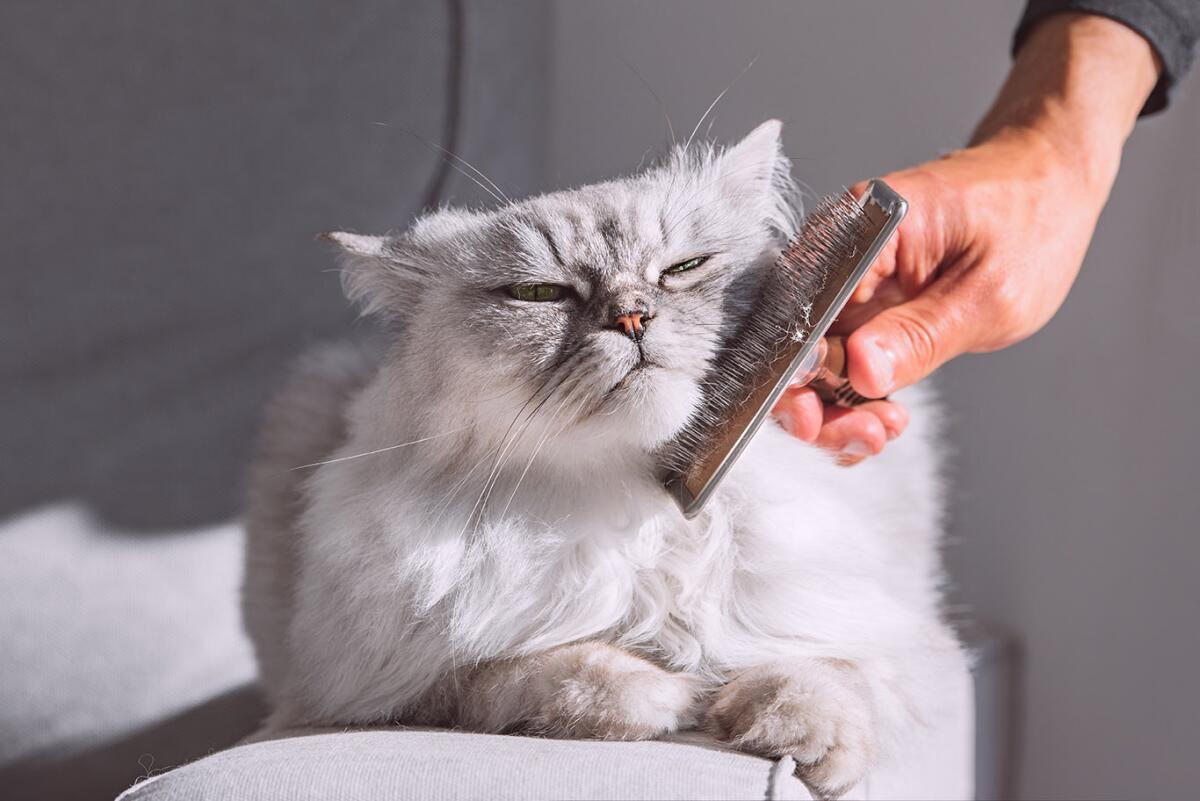
Choose the right grooming tools for your cat’s coat type. Use a soft brush for short-haired cats. For long-haired breeds, a comb with wide teeth works best. Clippers are necessary for trimming claws. Ensure all tools are clean and sanitized before use. This prevents infections and keeps your cat healthy.Avoiding Injuries
Watch for signs of discomfort or pain. Adjust your technique immediately if needed. Keep your fingers away from sharp tools. Use protective gloves if necessary. Avoid rushing the grooming process. This helps prevent accidental cuts or scrapes. Regular checks ensure your cat stays injury-free and safe.Post-sedation Care
After sedating your cat for grooming, the care you provide during recovery is crucial. Cats are vulnerable during this time, and your attention can make a big difference in how smoothly they bounce back. Understanding what to expect and how to respond can keep your feline friend safe and comfortable.
Recovery Environment
Create a quiet, warm, and dimly lit space for your cat to rest. Avoid loud noises and sudden movements that might startle them during this delicate phase.
Place soft bedding in an area away from other pets or children. This helps reduce stress and allows your cat to relax fully.
Keep water and a litter box nearby, but don’t force your cat to eat or drink until they are fully alert. Your patience here supports their natural recovery rhythm.
Signs Of Complications
Watch closely for any unusual behaviors or symptoms after sedation. Normal signs include grogginess and slight unsteadiness, but persistent vomiting, difficulty breathing, or seizures are red flags.
Also, note if your cat remains unresponsive for an extended period or shows signs of extreme agitation. These could indicate an adverse reaction to the sedative.
Have a checklist ready to monitor these signs regularly during the first few hours post-sedation. This proactive approach can catch problems early.
When To Contact A Vet
If you notice any severe or worsening symptoms, don’t hesitate to call your vet immediately. It’s better to be cautious than to risk your cat’s health.
Emergency signs include continuous vomiting, difficulty breathing, seizures, or a coma-like state. Even if symptoms seem mild but persist, a professional opinion is vital.
Remember, your vet is your partner in your cat’s wellbeing. Quick communication can prevent minor issues from becoming serious emergencies.
Alternatives To Sedation For Grooming
Finding alternatives to sedation for grooming your cat can make the experience less stressful for both of you. Sedation carries risks and isn’t always necessary, especially if you use the right techniques and tools. Let’s look at some practical options that help keep your cat calm and cooperative without medication.
Behavioral Training
Training your cat to accept grooming takes time but pays off in the long run. Start with short, gentle sessions using a soft brush and rewarding your cat with treats or praise. Gradually increase the grooming time as your cat becomes more comfortable.
Have you tried letting your cat explore grooming tools on their own before using them? Giving your cat control reduces fear and builds trust. Consistency is key—daily brushing, even for a few minutes, can transform their reaction.
Professional Groomers
Sometimes, handing over grooming to a professional is the safest choice. Groomers have experience handling anxious cats and can spot signs of stress early. They use specialized equipment and techniques designed to minimize discomfort.
Consider visiting a groomer who offers a calm environment and has positive reviews for working with nervous cats. Would you feel more at ease knowing an expert is managing the grooming process carefully?
Non-sedative Calming Aids
There are several calming aids that don’t involve sedation but help reduce anxiety. Products like pheromone sprays, calming collars, or herbal supplements can create a soothing atmosphere for grooming. Always check with your vet before using supplements.
Playing calming music or using a quiet room for grooming sessions can also lower your cat’s stress. Have you noticed how a calm environment changes your cat’s behavior? Small adjustments can make a big difference.
Frequently Asked Questions
How Can I Safely Sedate My Cat For Grooming?
Consult your veterinarian before sedating your cat. Use only vet-prescribed sedatives. Follow dosage and instructions carefully to ensure safety during grooming.
What Are The Common Sedatives Used For Cats?
Common sedatives include gabapentin, trazodone, and acepromazine. These help calm cats during grooming. Always use under veterinary supervision for safety.
When Should I Avoid Sedating My Cat For Grooming?
Avoid sedation if your cat has heart, liver, or kidney issues. Also, avoid if your cat is pregnant or very young. Always consult a vet before sedation.
How Long Does Cat Sedation Last During Grooming?
Sedation duration varies by drug but usually lasts 2 to 4 hours. Your vet will advise on timing based on your cat’s needs and health condition.
Conclusion
Sedating a cat for grooming takes care and patience. Always talk to a vet before giving any medicine. Use the right dose and watch your cat closely. Keep the environment calm and safe during grooming. Never rush the process or force your cat.
Safe sedation helps reduce stress and keeps your cat healthy. Remember, your cat’s comfort and safety come first. Small steps lead to better grooming experiences for both of you. Stay calm, be gentle, and follow expert advice.

Leave a Reply