Does your cat really need grooming? You might think cats take care of themselves, but there’s more to it than just a quick lick.
Grooming isn’t just about keeping your furry friend looking good—it’s about their health and happiness too. If you’ve ever wondered when or why you should step in to help, you’re in the right place. Keep reading to discover the signs your cat needs grooming and how it can make a big difference in their life.
Signs Your Cat Needs Grooming
Knowing when your cat needs grooming can save you and your furry friend from unnecessary discomfort. Cats are generally good self-groomers, but certain signs show when they need your help. Paying attention to these signals can keep your cat healthy and happy.
Changes In Coat Condition
Is your cat’s coat looking dull or greasy instead of shiny and soft? This could mean your cat isn’t grooming itself properly. Sometimes illness or stress can cause these changes, so noticing this early helps you act quickly.
Excessive Shedding
Shedding is normal, but when you find clumps of fur around your home or on your cat, it’s a sign that grooming is needed. Regular brushing can reduce shedding and keep your cat comfortable. Ask yourself, has your cat been shedding more than usual lately?
Presence Of Mats And Tangles
Mats don’t just look messy—they can cause pain and skin problems. If your cat’s fur feels thick and clumped, it’s time for grooming. Mats often hide dirt and parasites, so removing them protects your cat’s health.
Unpleasant Odors
Does your cat smell bad even after regular baths? This might mean dirt and oils have built up on their fur. Grooming helps keep your cat clean and fresh, preventing skin infections caused by trapped bacteria.
Behavioral Clues
Have you noticed your cat licking or scratching more than usual? These behaviors might mean discomfort due to poor grooming. Sometimes, your cat may avoid being touched if their fur is painful to handle—are you seeing signs like this?
Benefits Of Regular Grooming
Regular grooming does more than just keep your cat looking neat. It plays a crucial role in maintaining their overall health and happiness. Let’s look at how consistent grooming sessions can benefit both you and your feline friend.
Improved Coat Health
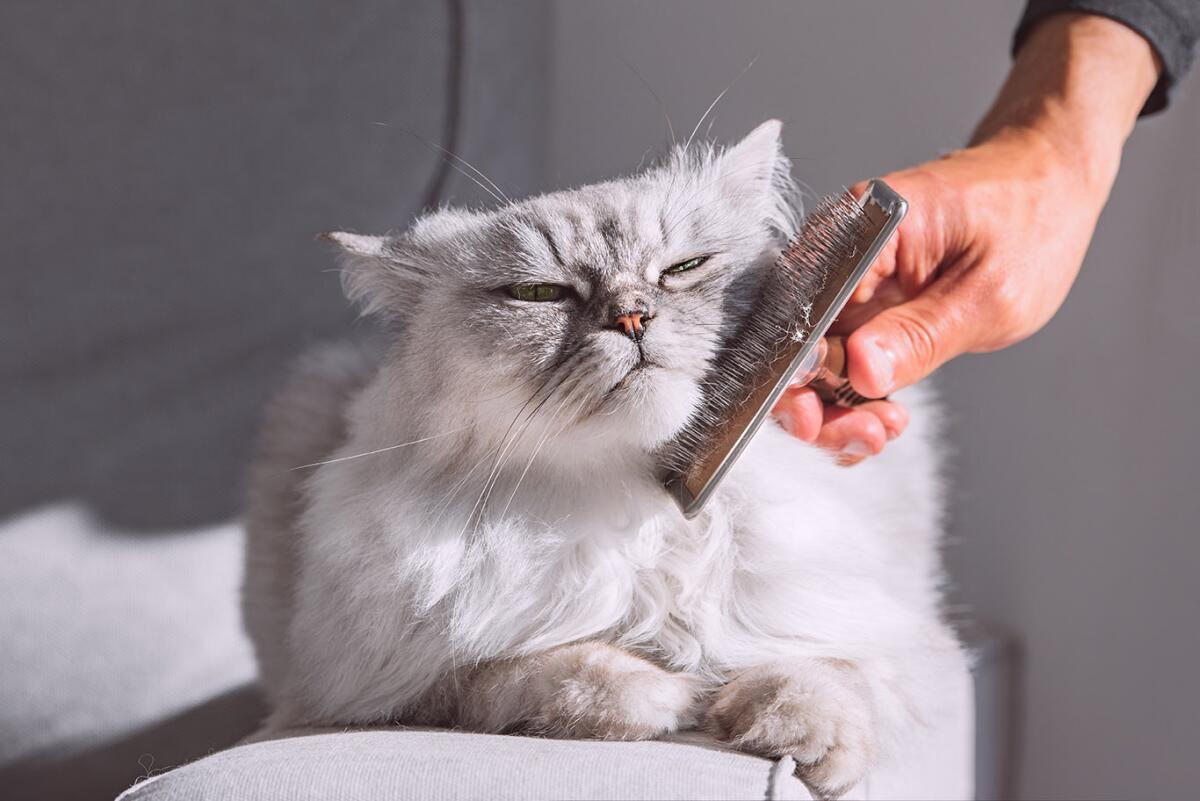
Grooming removes dirt, debris, and loose fur from your cat’s coat. This helps prevent mats and tangles that can cause discomfort or skin problems. Plus, brushing stimulates natural oils that keep your cat’s fur shiny and soft.
Have you noticed how a well-groomed coat feels smoother and looks healthier? That’s a sign your cat’s skin is getting the care it needs.
Reduced Hairballs
Cats groom themselves by licking, which often leads to swallowing loose hair. Regular brushing takes away this loose fur before your cat can ingest it, reducing the chances of hairballs forming.
Less hairballs means fewer digestive issues and less clean-up for you. It’s a simple way to keep your cat more comfortable and your home cleaner.
Early Detection Of Health Issues
While grooming, you get a chance to check your cat’s body closely. You might spot lumps, bumps, skin irritation, or parasites early on. Catching these problems sooner can make a big difference in treatment and recovery.
Do you know what’s normal for your cat’s skin and fur? Regular grooming helps you understand their usual condition, so you can spot changes quickly.
Strengthened Bond With Your Cat
Grooming isn’t just about care—it’s also a chance to connect. Many cats enjoy the attention and gentle touch during brushing, which builds trust and affection.
Have you experienced how your cat purrs or relaxes during grooming? Those moments create a stronger relationship between you and your pet.
Grooming Tools For Cats
Proper grooming keeps your cat healthy and happy. Using the right tools makes grooming easier and safer. Cats have different coat types, so tools vary. Knowing what to use helps maintain their fur, nails, ears, and eyes in good condition.
Types Of Brushes And Combs
Brushes and combs remove loose hair and dirt. They also prevent mats and tangles. Different brushes suit different coats:
- Slicker Brushes:Best for long or thick fur. Gently removes mats and loose hair.
- Bristle Brushes:Works well for short-haired cats. Adds shine to the coat.
- Deshedding Combs:Helps reduce shedding by reaching undercoat.
- Wide-tooth Combs:Untangles knots and mats carefully.
Nail Clippers And Trimmers
Trimming nails prevents scratches and broken claws. Use clippers designed for cats. Types include:
- Scissor-style Clippers:Easy to control, good for beginners.
- Guillotine Clippers:Quick cuts, best for small nails.
- Nail Grinders:Smooth rough edges, reduces sharpness.
Trim nails gently to avoid hurting your cat.
Ear And Eye Cleaning Supplies
Clean ears and eyes keep infections away. Use soft tools to avoid irritation:
- Cotton Balls or Pads:For gentle wiping.
- Ear Cleaner Solutions:Special liquids safe for cats.
- Eye Wipes:Remove discharge and dirt safely.
Never insert objects deep into ears or eyes.
Choosing The Right Tools For Your Cat’s Coat
Match grooming tools to your cat’s fur type. Long-haired cats need brushes that remove tangles. Short-haired cats benefit from bristle brushes. Sensitive cats may prefer soft bristles. Consider your cat’s comfort first. Try different tools to find what works best.
Step-by-step Grooming Routine
Grooming your cat is more than just keeping them clean; it’s about maintaining their health and comfort. A clear routine makes the process smooth for both you and your feline friend. Here’s a detailed guide to help you establish a grooming ritual that fits your cat’s needs.
Preparing Your Cat
Start by choosing a quiet, comfortable spot where your cat feels safe. Let them sniff the grooming tools beforehand to reduce anxiety. Speak softly and offer treats to create a positive association with grooming time.
Timing matters too. Avoid grooming right after a meal or during high-energy play times. Notice your cat’s mood—if they seem restless, wait for a calmer moment.
Brushing Techniques
Use a brush suited for your cat’s fur type—slicker brushes for long hair, rubber brushes for short hair. Brush gently in the direction of hair growth to avoid hurting your cat.
Pay attention to areas prone to mats like behind the ears and under the legs. If your cat resists, try shorter brushing sessions and gradually increase the time as they get used to it.
Bathing Tips
Most cats don’t need frequent baths, but if your cat gets into something sticky or smelly, bathing is necessary. Use lukewarm water and a shampoo made specifically for cats.
Keep the water level low and avoid the cat’s face. After the bath, wrap your cat in a towel and gently pat them dry to keep them calm and warm.
Nail Trimming Guidelines
Trim your cat’s nails every couple of weeks. Use a sharp, cat-specific nail clipper and avoid cutting into the quick—the pink area inside the nail that contains nerves and blood vessels.
- Hold the paw gently but firmly.
- Press the pad to extend the claws.
- Cut only the sharp tip.
If your cat struggles, try trimming after a nap when they’re relaxed.
Cleaning Ears And Eyes
Check your cat’s ears weekly for wax buildup or redness. Use a damp cotton ball with a vet-approved ear cleaner to wipe gently—never insert anything deep into the ear canal.
For eye care, wipe away discharge with a soft, damp cloth. If you notice persistent redness or excessive tearing, consult your vet promptly.
Could you spot early signs of discomfort by regularly checking these areas? Your attention can prevent bigger health issues.
Grooming Tips For Different Cat Breeds
Grooming needs vary widely among cat breeds, and understanding these differences can make a big impact on your cat’s health and happiness. Tailoring your grooming routine to your cat’s coat type, age, and breed helps prevent common problems like matting, skin issues, and discomfort. Let’s look at how you can best care for your cat’s unique grooming needs.
Short-haired Cats
Short-haired cats usually require less grooming, but they still benefit from regular brushing. Brushing once or twice a week removes loose hairs and reduces shedding around your home.
Use a rubber brush or a soft-bristle brush to gently massage their skin and distribute natural oils. This can improve their coat’s shine and support skin health.
Have you noticed your short-haired cat grooming less? It might be time to step in with a gentle brush to prevent hairballs and skin irritation.
Long-haired Cats
Long-haired cats demand more attention to avoid tangles and mats. Daily brushing is key to keeping their fur smooth and free from painful knots.
A wide-toothed comb followed by a slicker brush works well to detangle and remove loose hair. Focus on areas prone to matting, like behind the ears and under the legs.
Consider trimming around problem spots if mats form too frequently, but be careful not to cut the skin. How often do you check for hidden mats in your cat’s thick coat?
Hairless Breeds
Hairless cats like the Sphynx need a different grooming approach. Their skin produces oils that can build up without fur to absorb it, so regular baths are important.
Use a gentle, hypoallergenic shampoo designed for sensitive skin about once a week or as needed. Wipe their skin with a soft cloth between baths to remove excess oil and dirt.
Don’t forget to check and clean their ears and nails frequently, as these areas can accumulate debris more easily without fur protection.
Senior Cats
Older cats often groom less due to arthritis or dental issues, so they may need extra help staying clean. Brushing becomes a vital part of their care routine.
Choose a soft brush and be gentle to avoid discomfort. Short grooming sessions can be less stressful and still effective.
Watch for signs of skin dryness or lumps during grooming—these can indicate health issues that need a vet’s attention. How often do you check your senior cat’s coat and skin condition?
When To Seek Professional Grooming
Long-haired cats often need professional grooming to prevent mats and tangles. Cats with health issues or those unable to groom themselves might benefit from expert care. Regular grooming helps maintain their coat’s health and reduces shedding.
When to Seek Professional Grooming Cats are known for being fastidious self-groomers, but there are times when they might need a helping hand. Have you ever noticed your cat struggling to clean those hard-to-reach areas? Or perhaps their fur seems a bit more tangled than usual? Professional grooming can make a world of difference. If you’re wondering whether your feline friend might need a professional touch, you’re not alone. Many cat owners find themselves in the same boat. So, when should you consider seeking out a groomer’s expertise?Signs You Should Visit A Groomer
Is your cat’s fur becoming matted or tangled? This is a clear sign that a groomer could be beneficial. Mats can be painful and even lead to skin issues if not addressed. If you notice excessive shedding around your home, it might be time to schedule a grooming session. Professional groomers have tools that effectively reduce shedding, keeping your space cleaner and your cat more comfortable. Does your cat have an unpleasant odor despite regular baths at home? This might indicate that they need a deep clean that only a professional can provide.Special Grooming Services
Professional groomers offer a range of services that cater to specific needs. Does your cat have long fur? They might benefit from a trim to prevent matting and tangling. Groomers often provide deshedding treatments, which are particularly helpful for breeds that shed heavily. These treatments can significantly reduce the amount of fur your cat leaves around the house. Some groomers also offer specialized services like flea treatments or nail trimming. If you’re uncomfortable performing these tasks at home, a professional can ensure they’re done safely and effectively.Handling Difficult Cats
Does your cat despise grooming sessions at home? You’re not alone. Many cats are less than enthusiastic about being brushed or bathed. Professional groomers are trained to handle even the most challenging feline personalities. They use techniques that minimize stress and anxiety for your cat. If your cat tends to scratch or bite during grooming, a professional can ensure the process is safe for both you and your pet. They have the experience and equipment to manage difficult behavior effectively. So, have you considered whether your cat might benefit from professional grooming? It’s not just about aesthetics; it’s about their comfort and well-being.Common Grooming Mistakes To Avoid
Grooming your cat is essential for their health and happiness. Avoid common mistakes that can harm your cat or make grooming difficult. Knowing what not to do helps keep grooming safe and pleasant.
Over-bathing
Bathing a cat too often removes natural oils from their skin. This can cause dryness and irritation. Most cats clean themselves well. Bathing once every few months is usually enough. Use a shampoo made for cats, never human products.
Using The Wrong Tools
Using brushes or combs not designed for cats can hurt their skin. Choose tools made for your cat’s fur type. For example, a slicker brush works well for long hair. A fine-toothed comb helps remove tangles gently.
Ignoring Behavioral Cues
Watch your cat’s body language during grooming. Signs like growling, hissing, or pulling away mean they are stressed. Stop grooming and try again later. Let your cat feel safe and comfortable to build trust.
Skipping Regular Grooming
Irregular grooming can cause mats, shedding, and skin problems. Regular brushing keeps fur clean and healthy. Set a grooming routine that fits your cat’s needs and fur type. It also helps you spot health issues early.
Frequently Asked Questions
How Often Should I Groom My Cat?
Frequency depends on your cat’s coat type. Long-haired cats need daily grooming. Short-haired cats benefit from weekly brushing to reduce shedding and hairballs.
What Are The Signs My Cat Needs Grooming?
Look for mats, excessive shedding, or dirt on fur. Cats may also scratch or bite more if grooming is needed.
Can Grooming Improve My Cat’s Health?
Yes, grooming helps remove dirt and prevents mats. It also reduces hairballs and allows early detection of skin issues.
Should I Groom A Cat That Grooms Itself?
Even self-grooming cats benefit from occasional brushing. It helps control shedding and strengthens your bond with your pet.
Conclusion
Cats need grooming to stay healthy and happy. Regular brushing helps stop mats and hairballs. It also keeps their skin clean and free from dirt. Some cats groom themselves well, but others may need help. Long-haired cats especially benefit from extra care.
Watch your cat’s coat and behavior for signs. A shiny coat means good grooming. Taking time to groom can strengthen your bond. Simple steps make grooming easy and stress-free. Caring for your cat’s coat is part of loving them.

Leave a Reply