Grooming your long-haired cat can feel like a big task, but it doesn’t have to be hard. If you want your furry friend to stay clean, healthy, and comfortable, you need the right tips and tools.
You might be wondering how often to brush, which brushes to use, or how to handle those tricky mats. This guide will give you simple, clear steps to make grooming easy and even enjoyable for both you and your cat.
Keep reading, and you’ll discover how to keep your long-haired cat looking beautiful and feeling great every day.
Benefits Of Grooming
Grooming your long-haired cat offers more than just a polished look. It plays a crucial role in keeping your furry friend comfortable and healthy. Regular grooming sessions can prevent common issues and enhance your cat’s overall well-being.
Preventing Matting And Tangles
Long-haired cats are prone to mats and tangles that can cause discomfort or even skin problems. Grooming helps you catch these knots early before they become painful or hard to remove.
Have you ever noticed your cat acting restless or biting at a specific area? It might be due to hidden mats. By brushing regularly, you reduce this risk and keep your cat’s coat smooth and soft.
Reducing Shedding
Shedding is natural, but excessive fur around your home can be frustrating. Grooming removes loose hairs before they fall off, which means less fur on your furniture and clothes.
Consistent brushing also helps your cat shed old fur healthily, making their coat look shinier and more vibrant. This simple step can save you time cleaning and improve your indoor environment.
Promoting Healthy Skin And Coat
Brushing stimulates blood flow to the skin and spreads natural oils throughout your cat’s fur. This keeps the skin moisturized and the coat glossy.
Have you felt how soft your cat’s fur gets after a grooming session? That softness is a sign of good skin health, and regular grooming can prevent dry skin or irritation.
Bonding With Your Cat
Grooming is more than a task; it’s a chance to connect with your cat. Spending quiet moments brushing can build trust and reduce your cat’s anxiety.
Does your cat purr or nuzzle you during grooming? These small signs show they appreciate the attention, making grooming a rewarding experience for both of you.
Essential Grooming Tools
Grooming a long-haired cat needs the right tools. Proper tools keep their fur clean and healthy. They help avoid mats and tangles, making grooming easier. Using the correct tools makes your cat more comfortable. Here are some essentials to have on hand.
Choosing The Right Brush
Select brushes designed for long fur. A slicker brush works well for removing loose hair. It has fine, short wires close together. A bristle brush helps smooth the coat and spread natural oils. Use soft brushes for sensitive areas like the face. Choose a brush size that fits your cat’s body.
Using Combs And De-matting Tools
A wide-tooth comb detangles knots gently. Use it after brushing to catch smaller mats. De-matting tools cut through tough tangles without pulling. They often have curved blades or teeth to protect skin. Work slowly and carefully to avoid hurting your cat. Regular combing prevents mats from forming.
Nail Clippers And Ear Cleaners
Trim nails with clippers made for cats. Sharp clippers make clean cuts and reduce stress. Avoid cutting too close to the quick, which causes pain. Use ear cleaners to remove dirt and wax. Choose gentle solutions safe for cats. Clean ears regularly to prevent infections and discomfort.
Preparing Your Cat
Preparing your long-haired cat for grooming is essential to make the experience smooth and stress-free for both of you. Cats can sense your mood, so calming your own nerves can help calm your cat. Taking time to prepare sets a positive tone and helps build trust, making grooming less of a chore and more of a bonding moment.
Creating A Calm Environment
Choose a quiet room with minimal distractions. Turn off loud TVs or radios and close windows to block outside noises.
Soft lighting can also help your cat feel relaxed. You might try playing gentle classical music or nature sounds at a low volume.
Keep all grooming tools within easy reach to avoid sudden movements that could startle your cat.
Getting Your Cat Comfortable
Before you start grooming, spend a few minutes petting your cat in their favorite spots. This helps them associate your hands with positive feelings.
If your cat is new to grooming, try introducing the brush or comb slowly. Let them sniff and explore it first without any pressure.
Watch for signs of stress like tail flicks or ears flattening. If you see these, pause and give your cat a break.
Establishing A Grooming Routine
Consistency is key. Pick a regular time each day or week to groom your cat so they know what to expect.
Keep sessions short at first—just a few minutes—and gradually increase the time as your cat gets used to it.
Reward your cat with a treat or extra affection after each session to reinforce good behavior. Have you noticed how small rewards can turn grooming into a game your cat actually looks forward to?
Step-by-step Grooming Process
Grooming your long-haired cat can seem like a big task, but breaking it down into clear steps makes it manageable and even enjoyable for both of you. A careful grooming routine keeps your cat’s coat healthy and reduces shedding around the house. It also gives you a chance to bond and check for any skin issues or parasites.
Brushing Techniques
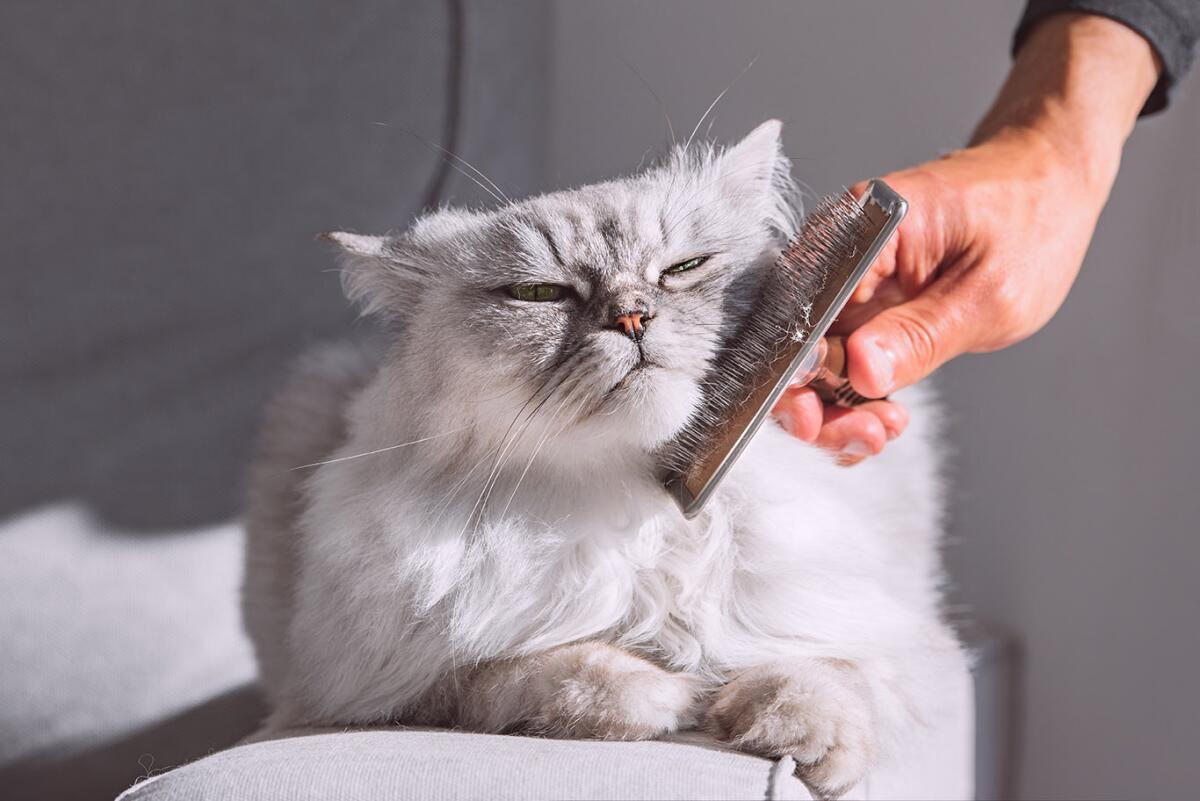
Choose a brush designed for long fur, like a slicker brush or a wide-tooth comb. Start gently from the head, moving toward the tail, following the direction of hair growth. Pay special attention to areas like behind the ears and under the legs, where fur tends to get tangled.
Use short, smooth strokes and be patient if your cat resists. If your cat enjoys it, try brushing daily or at least a few times a week to prevent mats from forming. Have treats ready to reward calm behavior and make grooming a positive experience.
Dealing With Mats And Tangles
Mats can be uncomfortable and even painful for your cat, so it’s important to tackle them carefully. Use a dematting comb or your fingers to gently tease apart knots. Hold the base of the fur close to the skin to avoid pulling and hurting your cat.
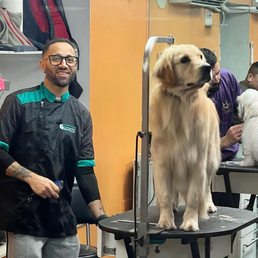
If a mat is too tight, try applying a small amount of conditioner or detangling spray made for cats. Never cut mats out unless you are very confident, as accidental cuts can injure your pet. If mats are severe, visiting a professional groomer is the safest choice.
Bathing Tips For Long-haired Cats
Bathing isn’t always necessary but can help if your cat gets very dirty or oily. Use a mild cat shampoo and warm water, and make sure to rinse thoroughly to avoid irritation. Keep the water level shallow and avoid getting water in your cat’s ears and eyes.
Dry your cat gently with a towel and, if they tolerate it, use a low-heat hairdryer on a quiet setting. Bath time can be stressful, so keep sessions short and speak in soothing tones. How do you make bath time less stressful for your cat?
Special Care Tips
Long-haired cats need special care to keep their coats healthy. Regular grooming prevents tangles and matting. It also keeps your pet comfortable and looking their best. Here are some essential tips to ensure your cat’s coat stays in top shape.
Managing Hairballs
Hairballs are a common issue for long-haired cats. Regular brushing reduces loose hair and minimizes hairball formation. Aim to brush your cat daily. Use a brush designed for long-haired breeds. It helps in removing loose fur and preventing mats. If hairballs persist, consider cat food formulated to reduce them.
Diet And Hydration For Coat Health
A balanced diet plays a crucial role in maintaining a healthy coat. Ensure your cat eats food rich in omega-3 and omega-6 fatty acids. These nutrients improve fur texture and shine. Fresh water is vital. Hydration keeps the skin supple and reduces shedding. Consider adding wet food to your cat’s diet for extra moisture.
Regular Vet Check-ups
Routine vet visits are essential for your cat’s health. Regular check-ups help detect skin or coat problems early. Your vet can recommend supplements if needed. They also provide advice on maintaining your cat’s coat. Keep your vet informed about any changes in your cat’s fur or skin condition.
Common Grooming Challenges
Grooming a long-haired cat has its own set of challenges. Their thick fur can tangle easily and skin problems might hide beneath the coat. Patience and care are key to managing these issues. Understanding common grooming challenges helps keep your cat comfortable and healthy.
Handling A Resistant Cat
Some cats do not like being groomed. They may scratch or try to run away. Stay calm and gentle. Use slow movements to avoid startling your cat. Try short grooming sessions to build trust. Offer treats or soft praise to encourage good behavior. A calm voice can soothe a nervous cat.
Identifying Skin Issues
Long hair can hide skin problems. Check for redness, bumps, or flakes during grooming. Look for bald spots or sores. These signs may mean irritation or infection. Pay attention to your cat’s scratching or licking habits. Early detection helps prevent serious problems.
When To Seek Professional Help
Some grooming challenges need expert care. If your cat has severe mats or skin wounds, visit a vet or groomer. Professional groomers can safely remove tough tangles. A vet can treat infections or allergies. Don’t wait if your cat seems in pain or discomfort.
Frequently Asked Questions
How Often Should I Groom My Long-haired Cat?
Groom your long-haired cat daily to prevent mats and tangles. Regular brushing reduces shedding and hairballs. It keeps their coat healthy and clean. Daily grooming also helps monitor skin health and bond with your cat.
What Tools Are Best For Grooming Long-haired Cats?
Use a wide-toothed comb, slicker brush, and grooming scissors. These tools detangle and remove loose fur effectively. A de-matting tool helps with stubborn knots. Choose gentle, cat-specific grooming tools to avoid skin irritation.
How Can I Prevent Mats In My Cat’s Fur?
Brush your cat daily, focusing on problem areas like behind ears. Use a detangling spray if needed. Regular grooming prevents mats from forming. Check for mats during grooming sessions and gently remove them to avoid discomfort.
When Should I Bathe My Long-haired Cat?
Bathe your cat only when necessary, such as if they’re very dirty. Use cat-safe shampoo and lukewarm water. Frequent baths can dry out their skin. Regular brushing usually keeps their coat clean without bathing.
Conclusion
Grooming your long-haired cat keeps their coat clean and healthy. Regular brushing stops mats and tangles from forming. It also helps reduce shedding and hairballs. Use gentle tools and be patient with your cat. Make grooming a calm, happy time for both of you.
With simple care, your cat will stay comfortable and look great. Keep a routine, and enjoy the bond you build while grooming. Simple steps lead to a happy, well-groomed long-haired cat.

Leave a Reply