Have you ever noticed your cat licking itself more than usual? It might seem like normal grooming, but what if your furry friend is actually trying to tell you something?
When cats are in pain, they often over-groom as a way to cope. This behavior can be a hidden sign that your cat needs help. If you want to understand why your cat is over-grooming and how to spot the signs of pain early, keep reading.
Your cat’s health and comfort could depend on it.
Cats And Grooming Habits
Cats are known for their meticulous grooming habits, which play a vital role in their health and well-being. Observing how your cat grooms can reveal a lot about their physical and emotional state. Understanding these habits helps you spot unusual behaviors that might signal pain or discomfort.
Normal Grooming Behavior
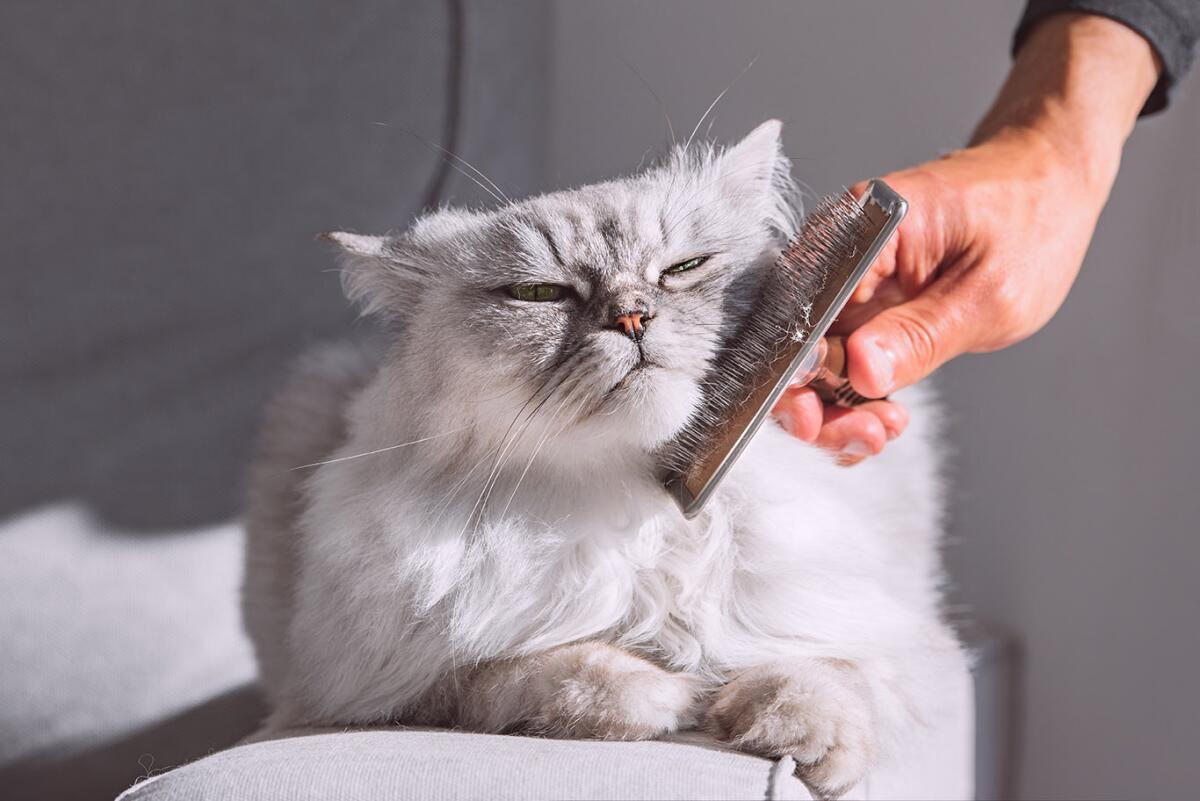
Cats typically spend a significant part of their day grooming themselves. This behavior helps them stay clean, regulate body temperature, and reduce stress. You might notice your cat licking its fur, paws, and even behind the ears with a steady, calm rhythm.
Healthy grooming is consistent but not excessive. Cats usually keep their fur smooth and free of dirt or loose hair. If your cat has short fur, grooming might take less time, but long-haired cats need more frequent attention.
Changes In Grooming Patterns
When a cat starts grooming more than usual, it could be a sign of pain or irritation. Over grooming may cause bald patches or red, irritated skin, especially if your cat is trying to soothe an injury or skin problem.
On the other hand, a sudden drop in grooming can also be worrying. Cats in pain might neglect grooming because it’s uncomfortable or they feel too stressed. You may see matted fur or a greasy coat, which signals your cat needs a vet check.
Have you noticed your cat licking one spot repeatedly or avoiding grooming altogether? These behaviors might be your cat’s way of communicating discomfort. Paying attention to these changes can help you catch health issues early and provide timely care.
How Pain Triggers Over Grooming
Understanding how pain triggers over grooming in cats can help you spot hidden issues before they worsen. Over grooming is often a sign that your cat is trying to cope with discomfort, but the reasons behind this behavior are not always obvious. Let’s look closely at the physical and emotional causes that drive your feline friend to groom excessively.
Physical Causes Of Pain
Physical pain can come from various sources, such as injuries, skin conditions, or internal illnesses. Your cat might lick or chew a sore spot to soothe the pain, but this often leads to over grooming. Have you noticed bald patches or raw skin on your cat? These could be signs that pain is pushing your cat to groom more than usual.
Common physical causes include:
- Arthritis or joint pain making movement uncomfortable
- Allergies causing itchy skin
- Infections or parasites like fleas irritating the skin
- Wounds or surgical sites that your cat tries to clean excessively
When pain is involved, grooming shifts from a cleaning behavior to a coping mechanism. It’s important to check your cat for any signs of injury or irritation and consult your vet if you see persistent over grooming.
Emotional Stress And Anxiety
Did you know that emotional pain can be just as powerful as physical pain in causing over grooming? Cats are sensitive creatures and changes in their environment or routine can trigger stress. This stress often shows up as compulsive grooming, especially if your cat feels anxious or insecure.
Stress factors that might cause over grooming include:
- Moving to a new home or changes in household members
- Lack of stimulation or boredom
- Conflicts with other pets
- Separation anxiety when left alone for long periods
Have you observed your cat grooming more after a stressful event? It’s a sign that your cat needs extra comfort or changes in the environment to reduce anxiety. Providing safe spaces, regular playtime, and attention can help calm their nerves and reduce over grooming.
Signs Of Over Grooming To Watch For
Over grooming in cats can signal underlying pain or discomfort. It is important to recognize the signs early. Cats may groom themselves to soothe pain, but too much can cause harm. Observing these signs helps in taking timely action for your cat’s health.
Bald Patches And Hair Loss
One clear sign of over grooming is bald patches. Cats pulling out fur leaves bare skin exposed. These patches often appear on legs, belly, or sides. Hair loss from over grooming is uneven and sudden. Watch for areas where fur looks thin or missing.
Skin Irritations And Sores
Over grooming can lead to skin problems. Constant licking or biting irritates the skin. Redness, swelling, and small sores may develop. These sores can become infected if untreated. Pain or itchiness often causes cats to keep licking the same spot.
Excessive Licking Frequency
Normal grooming happens several times a day. Excessive licking, however, is a warning sign. Cats may lick a single area repeatedly for long periods. This behavior can last for days or weeks. Notice if your cat seems restless or focused on one spot.
Common Pain-related Conditions
Understanding why your cat might be over grooming involves looking closely at common pain-related conditions. Cats often use grooming as a way to soothe themselves when something hurts. Recognizing these conditions can help you spot the problem early and get your feline friend the relief they need.
Arthritis And Joint Pain
Arthritis is one of the most frequent causes of pain in older cats. Your cat might lick or bite around painful joints, trying to ease discomfort. If you notice your cat grooming certain areas more than usual or limping, it could be arthritis.
Have you ever felt sore and found yourself rubbing the aching spot? Cats do something similar but use their tongues instead. Observing their movement and grooming patterns gives you clues about where it hurts.
Injury And Wounds
Injuries like cuts, scrapes, or even insect bites can cause your cat to over groom. They lick the injured area to clean it, but excessive grooming can delay healing or worsen the wound. Watch closely if your cat suddenly focuses grooming on a specific spot.
Sometimes, the injury might be hidden beneath the fur. You might need to gently check your cat’s skin if they seem restless or aggressive when you touch a certain area. Early attention can prevent infections and more serious pain.
Allergies And Skin Issues
Allergies cause itching and irritation that lead cats to groom excessively. Food allergies, flea bites, or environmental triggers can inflame the skin. Your cat’s constant licking or biting could mean they are trying to relieve this discomfort.
Think about any recent changes in your cat’s environment or diet. Even a new brand of cat litter or detergent could trigger skin issues. Identifying and removing the allergen often reduces over grooming and improves your cat’s comfort.
Behavioral Changes Linked To Pain
When cats experience pain, their behavior can change noticeably. These changes help alert owners that something may be wrong. Recognizing these signs early can aid in getting timely help for your feline friend. Below are some common behavioral changes linked to pain in cats.
Reduced Activity And Play
Cats in pain often show reduced interest in play. They may sleep more and avoid jumping or running. This decrease in activity is a signal. It suggests discomfort or pain that needs attention. Watch for these signs to understand your cat’s needs.
Changes In Appetite
Pain can lead to appetite changes in cats. Some may eat less or stop eating altogether. Others might eat more due to stress. These changes can affect their weight and health. Monitoring their eating habits is crucial.
Increased Irritability
A cat in pain may become more irritable. They might hiss, growl, or swat more often. This irritability is a response to discomfort. Observing these changes helps in assessing their condition. Respond with patience and care.
When To Seek Veterinary Help
Noticing your cat over grooming can be worrying, especially if it signals pain. Knowing when to seek veterinary help is crucial to prevent further harm and ensure your cat’s comfort. Acting early can make a big difference in diagnosis and treatment.
Early Warning Signs
Watch for sudden changes in your cat’s grooming habits. Excessive licking or bald patches might hint at discomfort or pain. Other signs include limping, hiding, irritability, or changes in appetite.
If your cat starts biting or scratching a specific spot repeatedly, it’s a red flag. Has your cat’s mood shifted? Even subtle behavioral shifts can point to underlying issues. Don’t ignore these signals—your cat relies on you to notice them.
Diagnostic Procedures
Your vet will begin with a thorough physical exam, checking the skin and muscles for injuries or infections. They might also feel your cat’s joints and spine to spot pain or swelling. Blood tests or skin scrapings can help rule out allergies or parasites.
Imaging tests like X-rays or ultrasounds may be necessary if bone or internal problems are suspected. These tools give vets a clearer picture of what’s causing your cat’s discomfort. Would you want to guess what’s wrong, or have a precise diagnosis?
Treatment Options
Treatment depends on the cause of over grooming and pain. Your vet may prescribe pain relievers, anti-inflammatory drugs, or antibiotics if infections are present. Sometimes, special shampoos or topical treatments help heal irritated skin.
Behavioral support can be part of the plan too, especially if stress contributes to over grooming. Providing a calm environment and engaging playtime might reduce anxiety. Have you noticed if your cat’s behavior improves with more attention or quiet time?
Preventing Over Grooming In Cats
Over grooming in cats can be a clear sign that something is wrong, often linked to pain or discomfort. Preventing this behavior requires a thoughtful approach that addresses both the physical and emotional needs of your feline friend. By creating a supportive environment and keeping a close eye on their health, you can help your cat feel more comfortable and reduce the urge to over groom.
Environmental Enrichment
Your cat’s environment plays a big role in their overall well-being. Adding toys, scratching posts, and climbing spaces keeps their mind active and reduces stress, which can trigger over grooming.
Try rotating toys or introducing new scents to keep things interesting. Have you noticed how your cat reacts to changes in their surroundings? Small adjustments can make a big difference in calming anxious behaviors.
Pain Management Strategies
Managing your cat’s pain effectively is crucial to stopping over grooming caused by discomfort. If your cat has arthritis or an injury, talk to your vet about pain relief options like medications or supplements.
Sometimes, your cat may hide pain well, but persistent licking or biting at one spot is a warning sign. What steps are you taking to ensure your cat isn’t silently suffering?
Regular Health Checks
Routine vet visits help catch problems before they worsen. Skin conditions, allergies, or infections can all lead to over grooming if left untreated.
Schedule regular check-ups and share any changes in your cat’s behavior with your vet. Early detection can prevent long-term damage and keep your cat comfortable.
Frequently Asked Questions
Why Do Cats Over Groom When In Pain?
Cats over groom to soothe discomfort or stress caused by pain. Excessive licking helps them manage irritation or injury. This behavior can signal underlying health issues needing veterinary attention.
How To Tell If Cat Is Over Grooming Due To Pain?
Look for bald patches, redness, or sores on your cat’s skin. Increased licking or biting in one area often indicates pain. If these signs persist, consult a vet for proper diagnosis.
Can Over Grooming Cause Health Problems In Cats?
Yes, over grooming can lead to skin infections, wounds, and hair loss. These issues worsen if untreated, causing further discomfort. Early intervention is essential to prevent complications.
When Should I Take My Cat To The Vet For Over Grooming?
Visit a vet if grooming causes bald spots, wounds, or behavioral changes. Persistent over grooming often indicates pain or medical issues needing professional care. Early diagnosis improves treatment outcomes.
Conclusion
Cats often groom themselves more when they feel pain. This behavior can signal discomfort or an injury. Watching your cat closely helps you spot these signs early. Taking action quickly can prevent problems from getting worse. Always consult a vet if your cat grooms too much.
Understanding your cat’s needs keeps them happy and healthy. Caring for your pet means paying attention to changes in behavior. Over grooming is more than just a habit. It is a call for help.

Leave a Reply