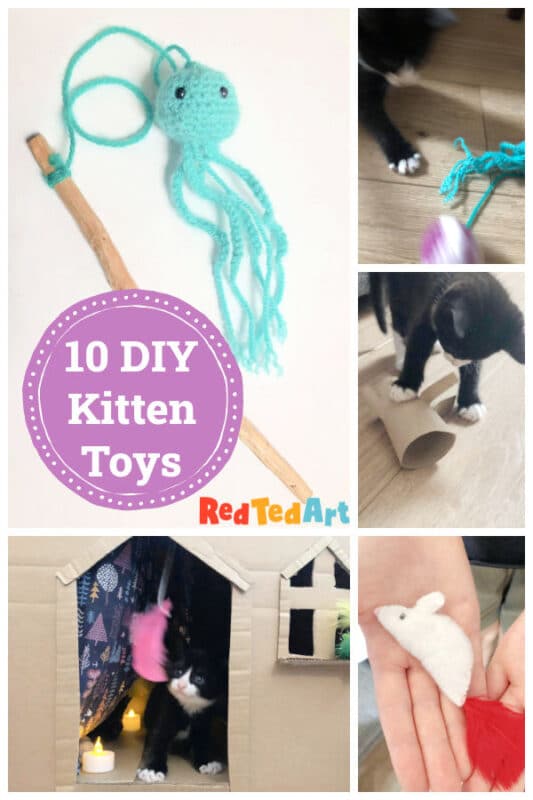
Are you looking for a fun and simple way to keep your cat entertained without spending a lot of money? Making an easy homemade cat toy is the perfect solution.
Not only will you save cash, but you’ll also create something special that your furry friend will love. Imagine your cat chasing, batting, and pouncing on a toy you made just for them. Ready to discover how simple it can be?
Keep reading, and you’ll have a new favorite toy in no time.

Credit: www.youtube.com
Benefits Of Homemade Cat Toys
Homemade cat toys bring many benefits to both cats and owners. They offer a fun, creative way to keep pets entertained. Making toys at home saves money and uses safe materials. Cats enjoy new textures and shapes, which keeps them curious and active.
These toys strengthen the bond between you and your cat. Crafting toys together shows care and attention. Cats feel loved and stimulated by unique, personalized playthings.
Cost-effective Entertainment
Homemade toys cost less than store-bought ones. Simple household items can become fun toys. This saves money while providing endless playtime options.
Safe And Non-toxic Materials
Controlling materials ensures toys are safe for your cat. Avoid harmful chemicals or small parts. Choose soft fabrics or natural items to prevent choking or allergies.
Encourages Physical Activity
Toys made at home encourage cats to move and play. Exercise helps prevent obesity and keeps muscles strong. Active cats are happier and healthier.
Stimulates Mental Health
New toys challenge a cat’s mind. Puzzle-like toys or different textures keep cats curious. This reduces boredom and destructive behavior.
Personalized To Your Cat’s Preferences
Homemade toys can match your cat’s favorite styles. Use colors, shapes, and sizes they enjoy. Personalized toys increase engagement and fun.
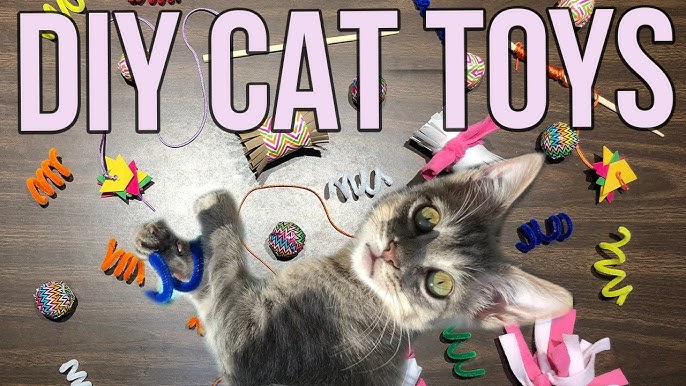
Credit: www.youtube.com
Materials You’ll Need
Gathering the right materials is the first step to crafting a simple and fun homemade cat toy. You don’t need fancy supplies—many items can be found around your home or purchased cheaply. Choosing safe, pet-friendly materials ensures your cat will enjoy playing without any risks.
Basic Crafting Supplies
Start with a few basic items like scissors and glue. These tools help you shape and assemble your toy easily. If you prefer a no-mess option, double-sided tape works great for sticking pieces together without waiting for glue to dry.
Common Household Items
- Old Socks:Soft and stretchy, they are perfect for stuffing or tying into fun shapes.
- Feathers:Cats love the fluttery texture. You can find these at craft stores or gently collect from your pet’s toys.
- Buttons or Bells:Add a little noise to catch your cat’s attention. Ensure they are securely attached to avoid choking hazards.
- Yarn or String:Great for making dangly parts, but supervise playtime to prevent swallowing.
Safe Filling Materials
Stuffing your toy adds bulk and bounce. Use soft cotton balls or fabric scraps. Avoid anything sharp or toxic. Some cat owners have shared success stuffing toys with dried catnip to increase excitement.
Optional Decorative Touches
If you want your toy to look extra special, colorful felt or fabric paint can add flair. Keep decorations simple and firmly attached to prevent your cat from chewing them off. Your cat might not notice the colors, but you’ll enjoy the creative process.
Simple Diy Cat Toy Ideas
Creating homemade cat toys is a fun and easy way to keep your feline friend entertained. You don’t need fancy materials—just simple household items and a bit of creativity. These DIY ideas not only save money but also let you tailor toys to your cat’s favorite activities.
Sock And Catnip Toy
Take an old sock and fill it with dried catnip or a little bit of crumpled paper for texture. Tie a knot at the open end to keep everything inside. Cats love the scent of catnip, and the sock’s soft fabric makes it perfect for biting and kicking.
Try adding some bells inside to make it even more exciting. You’ll notice your cat batting and tossing it around within minutes. Have you ever seen a cat go wild over a simple sock? It’s surprisingly entertaining!
Feather Wand
Attach a few colorful feathers to the end of a stick or a sturdy straw using string or tape. Move it like a bird to mimic prey and watch your cat leap and chase. This toy encourages exercise and satisfies their hunting instincts.
You can use a dowel or even a chopstick for the handle. The light feathers flutter in the air, making it irresistible. How long can you keep your cat’s attention with just a feather wand?
Cardboard Maze
Cut several cardboard boxes into pieces and tape them together to create tunnels and hideouts. Cats love exploring confined spaces and this maze adds a playful challenge. It’s also a great way to recycle old boxes.
Try varying the sizes of the openings to suit your cat’s curiosity. You can hide treats inside to encourage exploration. What new paths will your cat discover in this cardboard adventure?
Pom-pom Balls
Make soft balls by wrapping yarn tightly around your fingers and tying it off before cutting the loops. These lightweight pom-poms are easy for cats to bat and carry. They’re safe and colorful additions to your cat’s toy collection.
You can create different sizes and colors to keep things interesting. Toss one across the room and watch your cat dart after it. How many pom-pom balls will your cat play with in one session?
Step-by-step Making Guide
Making a homemade cat toy can be a fun and rewarding experience. It allows you to create something tailored specifically to your cat’s preferences. The process is simple, requiring just a few materials and a little creativity. Here’s a clear guide to help you craft a toy your feline friend will love.
Preparing The Materials
Gathering the right materials sets the stage for success. You’ll need items like colorful fabric scraps, a bit of string or yarn, scissors, and a needle if you plan to sew. Choose fabrics that are safe and durable—avoid anything that can easily tear or has loose threads that could be swallowed.
Think about what your cat enjoys. Soft textures or crinkly sounds? Having a few options on hand helps you customize the toy. Do you have some old clothes or towels you can recycle for this project?
Assembly Tips
Start by cutting the fabric into small pieces or shapes—circles, squares, or even little fish shapes work well. If you’re sewing, use simple stitches to join the pieces, leaving a small opening for stuffing. If you don’t sew, fabric glue can hold pieces together securely.
Stuff the toy lightly with cotton, fabric scraps, or crumpled paper to give it some volume without making it too heavy. Secure the opening tightly to avoid spills. Keep your cat’s safety in mind by checking for any loose parts before letting your pet play.
Adding Catnip
Catnip is a fantastic way to make the toy more appealing. Sprinkle a small amount inside before closing the toy. You can also sew a small pouch or pocket inside the toy to keep the catnip fresh longer.
If your cat isn’t into catnip, try dried valerian or silvervine as alternatives. Have you noticed your cat’s reaction to different scents? This little addition can turn a simple toy into an irresistible plaything.
Safety Tips For Homemade Toys
Ensure all materials are safe and non-toxic for cats. Avoid small parts that could be swallowed or cause choking. Regularly check toys for damage to keep playtime secure.
When crafting homemade cat toys, safety is a top priority. Cats are curious creatures and love to explore with their mouths and paws. Ensuring their safety while they play is essential. Homemade toys can be fun and inexpensive, but they must be made with care. Use safe materials and secure construction to protect your furry friend from harm.Choose Non-toxic Materials
Select materials that are safe for cats. Avoid toxic glues, paints, and small parts. Use natural fabrics like cotton or felt. These materials are safer for your cat to chew and play with.Avoid Choking Hazards
Ensure all parts of the toy are securely attached. Small pieces can pose a choking risk. Avoid using buttons, beads, or loose strings. Cats can easily swallow these.Check For Sharp Edges
Inspect the toy for any sharp edges or points. Trim any sharp areas to prevent injury. Smooth surfaces are safer for playful paws.Monitor Playtime
Always supervise your cat during play. Observe how they interact with the toy. Remove the toy if it becomes damaged. Regular checks keep playtime safe.Secure Loose Parts
Make sure all parts are tightly secured. Use strong knots and stitching. This prevents the toy from falling apart during rough play.Regularly Inspect Toys
Examine toys for wear and tear. Replace or repair damaged toys promptly. This ensures continuous safe play for your pet.Ways To Keep Your Cat Engaged
Keeping your cat engaged is key to their happiness and health. Cats need mental and physical stimulation daily. Bored cats may develop bad habits or lose interest in play. Homemade toys can help keep your cat active and entertained.
Variety is important. Changing toys often keeps your cat curious. Simple ideas can make playtime fun and rewarding. Let’s explore some ways to keep your cat engaged using easy homemade toys.
Rotate Toys Regularly
Keep a small collection of toys. Rotate them every few days. This makes old toys feel new again. Your cat stays interested and excited to play.
Use Different Textures And Shapes
Mix soft, crinkly, and smooth toys. Cats enjoy exploring different textures. Use balls, feathers, or fabric strips. This variety keeps their senses sharp.
Create Interactive Play Sessions
Play with your cat using homemade toys. Move the toy like prey. Encourage chasing and pouncing. Short, frequent sessions work best.
Incorporate Treats Into Toys
Hide small treats inside toys. This rewards your cat for playing. It also stimulates their natural hunting skills. Use safe treats and monitor playtime.
Make Toys With Catnip
Add dried catnip to homemade toys. Many cats find catnip exciting. It encourages playful and energetic behavior. Replace catnip regularly for freshness.

Credit: www.cucicucicoo.com
Frequently Asked Questions
What Materials Do I Need For A Homemade Cat Toy?
You need simple materials like yarn, feathers, fabric scraps, and bells. These items are safe and engaging for cats to play with.
How Can I Make A Safe Cat Toy At Home?
Use non-toxic materials and avoid small parts that can be swallowed. Ensure all pieces are securely attached to prevent choking hazards.
Which Homemade Cat Toys Keep Cats Entertained The Longest?
Toys with moving parts, like feather wands or balls with bells, keep cats engaged. Rotate toys regularly to maintain interest.
Can I Use Household Items For Making Cat Toys?
Yes, common items like paper bags, cardboard, and bottle caps can be used. Always check for safety and remove any sharp edges.
Conclusion
Making a homemade cat toy is simple and fun. You only need a few materials. Your cat will love the new toy you create. It keeps your pet happy and active. You can make many toys with things at home.
Try different ideas and see what your cat likes best. Enjoy spending time with your furry friend. Homemade toys save money and bring joy. Start making one today and watch your cat play!


Leave a Reply