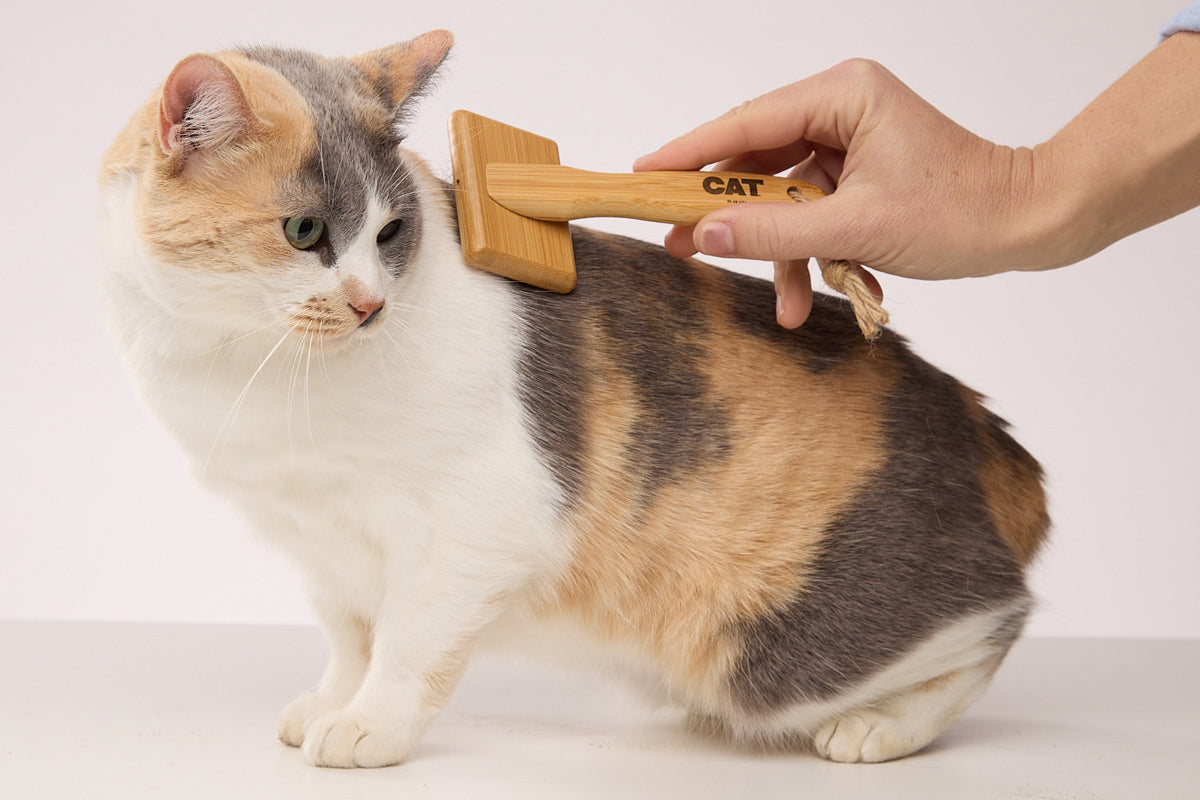
Have you ever wondered if brushing your cat more often means they will groom themselves less? You might think that by grooming your furry friend regularly, you’re giving them a break from their own cleaning routine.
But is that really how it works? Understanding how your cat’s grooming habits change when you step in can help you keep them happy and healthy. Keep reading to discover the surprising truth about your cat’s grooming behavior—and how you can best support your feline companion.

Credit: luckydawgsalongrooming.com
Cats’ Natural Grooming Habits
Cats have a strong natural instinct to keep themselves clean. Grooming is more than just staying tidy. It helps them feel good and stay healthy. Understanding their natural grooming habits explains how they care for their fur and skin.
Why Cats Groom Themselves
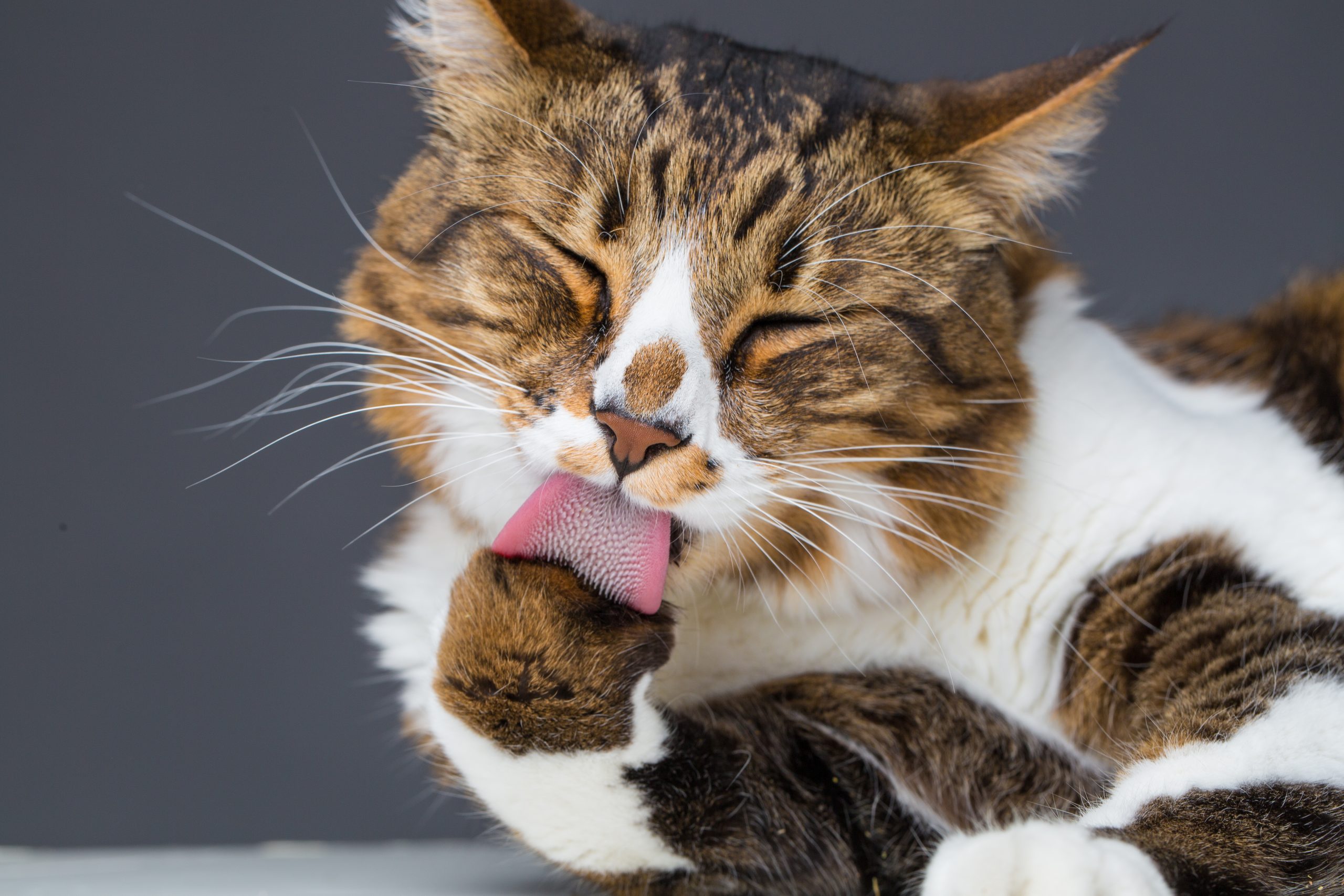
Cats groom to remove dirt and loose hair. This keeps their coat smooth and clean. Grooming also helps control body temperature. It spreads natural oils from their skin through their fur. These oils protect the coat and skin.
Grooming calms cats. It reduces stress and helps them relax. Cats may groom to show they feel safe. It can also be a way to bond with other cats or people.
Frequency Of Self-grooming
Cats groom several times a day. Some spend up to 50% of their waking hours grooming. This depends on factors like age, health, and environment. Younger cats and kittens groom more often.
Stress or illness can change how much cats groom. A healthy cat usually grooms regularly to keep clean. Their tongue’s texture helps remove dirt and loose hair efficiently.

Credit: cats.com
Impact Of Regular Grooming By Owners
Regular grooming by owners can have a noticeable impact on your cat’s self-grooming habits. It’s natural to wonder if brushing your feline friend often means they will groom themselves less. Understanding this dynamic helps you balance your care without disrupting your cat’s natural behavior.
Does Owner Grooming Reduce Self-grooming?
Many cat owners notice that after consistent grooming sessions, their cats spend less time licking and cleaning themselves. This happens because regular brushing removes loose fur and dirt, reducing the need for your cat to clean extensively. However, it doesn’t stop their natural instinct to groom entirely—it just lightens the load.
Your cat’s self-grooming is also about comfort and relaxation, not just cleanliness. So, even with frequent owner grooming, they will still engage in licking and nibbling as a soothing activity. Think about how you might still wash your face even if someone else washed your hair—you do some grooming yourself because it feels good.
Behavioral Changes In Grooming Patterns
When you groom your cat regularly, you might see shifts in when and how they groom themselves. Some cats may groom less immediately after a session but return to normal or even increase grooming later as a way to maintain their scent or calm down.
Sometimes, grooming by owners can strengthen the bond between you and your cat, making grooming sessions a time they look forward to. Pay attention if your cat starts grooming more aggressively or excessively, as this might signal stress or discomfort rather than just a change in routine.
Have you noticed your cat’s grooming habits change after you start brushing them often? Watching these subtle shifts can help you understand your cat’s needs better and adjust your care accordingly.
Benefits Of Owner Grooming
Grooming your cat regularly does more than just keep their coat looking shiny. It plays a vital role in maintaining their overall well-being and strengthens the relationship you share. Understanding the benefits of owner grooming can inspire you to pick up that brush more often and enjoy the positive changes it brings.
Health And Hygiene Improvements
When you groom your cat, you help remove loose fur and prevent painful mats from forming. This reduces the risk of skin irritation and infections that can go unnoticed if left unchecked. Regular brushing also cuts down on hairballs, which can cause digestive issues and discomfort for your feline friend.
Pay attention to your cat’s skin during grooming sessions. Spotting fleas, ticks, or unusual bumps early allows you to act quickly and keep your pet healthy. Have you ever found a small patch of irritated skin that your cat hadn’t been scratching? That’s a perfect example of how grooming can catch problems early.
Bonding Through Grooming
Grooming isn’t just about appearance; it’s a chance to build trust and deepen your connection. Cats often groom each other to show affection and social bonds. By grooming your cat, you’re stepping into that social circle and showing care in a way they understand.
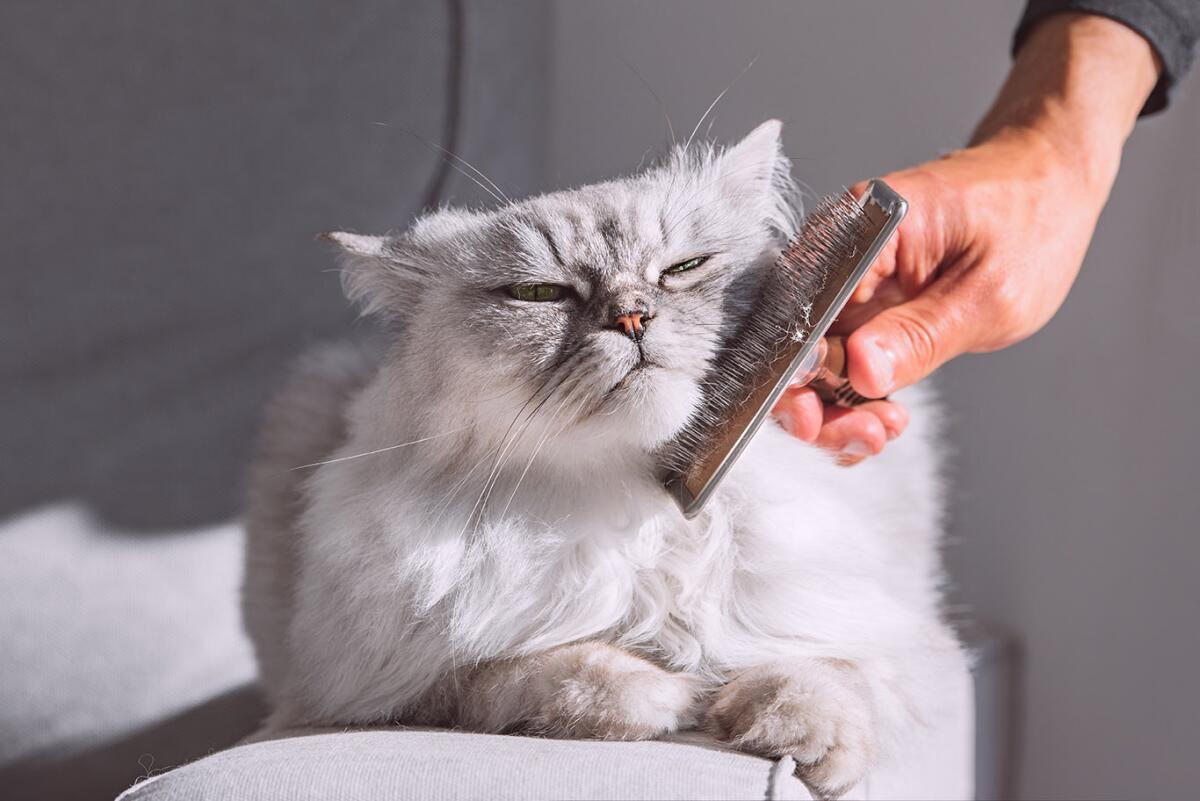
Many cats grow to love grooming time as a relaxing ritual with their owner. It can calm anxious pets and strengthen your communication. Have you noticed your cat purring or leaning into your touch during grooming? Those moments prove how grooming can turn into a shared experience full of trust and comfort.
Credit: www.mspca.org
Potential Downsides Of Frequent Grooming
Frequent grooming of cats might seem helpful, but it can have some downsides. Cats naturally groom themselves, and too much human grooming can disrupt their habits. Understanding these potential problems helps keep your cat happy and healthy.
Over-grooming Risks
Grooming your cat too often may cause over-grooming. This happens when your cat licks or scratches itself too much. Over-grooming can lead to skin irritation and hair loss. It may also cause sores or infections. Your cat’s natural coat oils might get removed, making the skin dry and itchy.
Stress And Discomfort In Cats
Some cats do not enjoy being groomed frequently. It can cause stress and anxiety. Cats may hide, become aggressive, or avoid you if grooming feels uncomfortable. Grooming sessions that last too long can also annoy your cat. Always watch your cat’s reactions during grooming to avoid causing discomfort.
Signs Your Cat Needs More Or Less Grooming
Cats may groom less when regularly brushed by their owners. Signs like matted fur or excessive licking show if grooming needs adjustment. Watching your cat’s coat helps decide if more or less grooming is needed.
Cats have unique grooming needs. Understanding signs that your cat needs more or less grooming is essential. Proper grooming keeps your cat healthy and happy. Observing your cat’s behavior and coat can reveal much. Recognizing these signs ensures your cat receives the right amount of grooming.Coat Condition Indicators
A cat’s coat condition tells a lot about its grooming needs. A shiny, smooth coat typically indicates good health and grooming habits. If you notice matting, it may require more frequent grooming. Dull fur can suggest that your cat needs more attention to its coat. Excessive shedding might also signal the need for additional grooming sessions. Cats with very clean coats might not need as much help.Behavioral Clues
Your cat’s behavior offers clues about its grooming requirements. If your cat grooms itself less, it might need more assistance. Excessive grooming can indicate stress or skin issues. A cat avoiding grooming altogether might be in discomfort. If your cat shows signs of irritation during grooming, it might need less frequent sessions. Observing these behavioral clues helps you tailor grooming to your cat’s needs.Tips For Effective Cat Grooming
Effective grooming is more than just brushing your cat regularly. It requires choosing the right tools and using proper techniques that suit your cat’s unique coat and personality. Paying attention to these details can improve your cat’s comfort and reduce their need to groom themselves excessively.
Choosing The Right Tools
Using the right grooming tools makes a huge difference in how your cat responds to being groomed. For short-haired cats, a rubber brush or grooming glove works well to remove loose fur and dirt. Long-haired cats benefit from a slicker brush or wide-tooth comb to gently detangle without pulling.
Think about your cat’s skin sensitivity. If your cat has delicate skin, opt for softer bristles or a grooming glove to avoid irritation. You might need to try a few tools to find what your cat prefers—have you noticed how your cat reacts differently to certain brushes?
Grooming Techniques To Try
Start grooming sessions in a calm environment, and keep them short at first. Let your cat sniff the brush and get comfortable before you begin. Use slow, gentle strokes following the direction of the fur to avoid discomfort.
Try mixing up your approach: some cats like a firm stroke, while others prefer a light touch. Pay attention to your cat’s body language—if they seem tense, take a break or switch techniques. Have you ever found that a quiet voice or soft petting during grooming helps your cat relax?
Regular grooming sessions can also become bonding time, reducing your cat’s stress and making them less likely to over-groom themselves. Being patient and responsive to your cat’s needs will make grooming a positive experience for both of you.
Frequently Asked Questions
Do Cats Groom Themselves Less When Groomed Often?
Cats may groom less if regularly brushed. External grooming reduces loose hair and dirt. However, self-grooming remains essential for hygiene and comfort.
How Does Frequent Grooming Affect A Cat’s Behavior?
Frequent grooming can strengthen bonds and reduce shedding. It calms many cats but may cause stress if overdone or done improperly.
Can Over-grooming By Owners Harm Cats?
Yes, excessive grooming can irritate skin or cause anxiety. Groom gently and watch for signs of discomfort to avoid harm.
Does Grooming Reduce Cat Hair Shedding Significantly?
Regular grooming removes loose fur, decreasing shedding around the home. It helps maintain a cleaner environment and reduces hairballs in cats.
Conclusion
Cats may groom less on their own when groomed often by owners. Regular grooming helps remove loose fur and dirt, making cats feel cleaner. This can reduce the time they spend licking themselves. Grooming also strengthens the bond between cats and their owners.
Keep grooming gentle and consistent for the best results. Each cat is different, so observe how your pet reacts. Overall, grooming supports your cat’s health and comfort without stopping their natural habits. A happy cat stays clean and cared for.

Leave a Reply