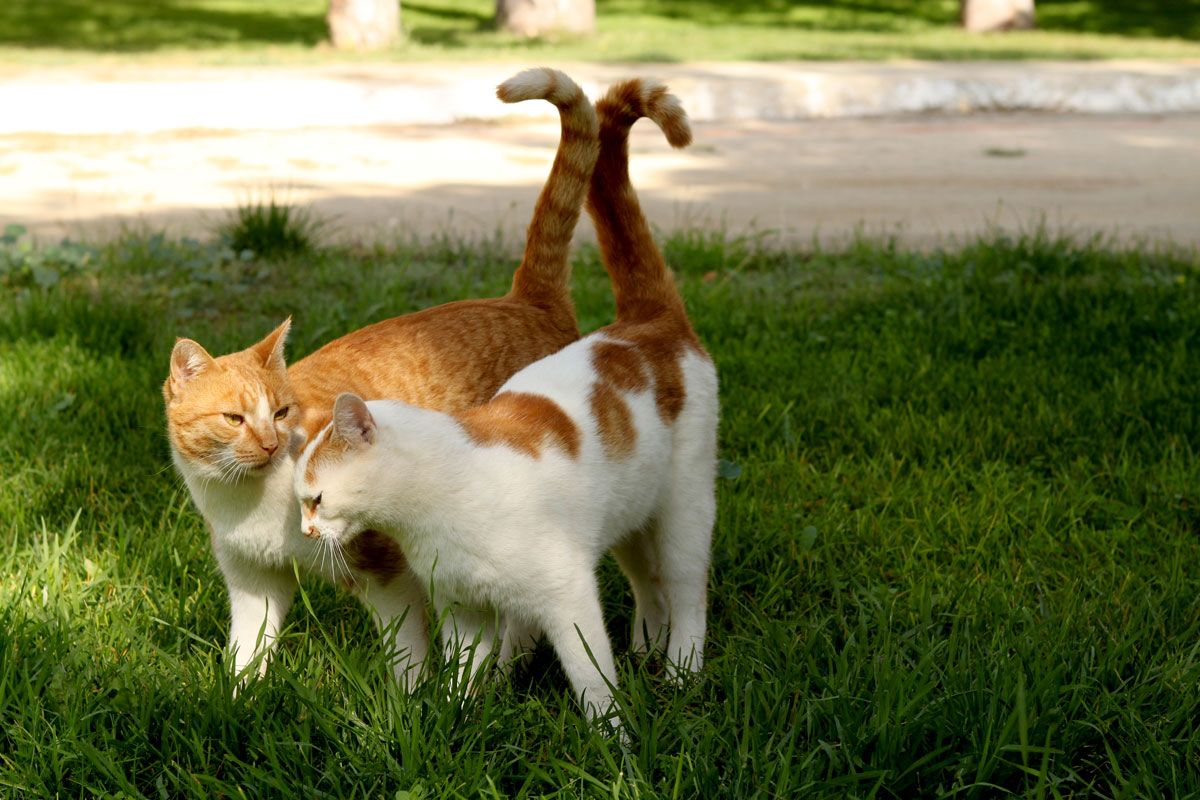
Have you ever noticed your cat licking or gently cleaning another cat and wondered why? It’s more than just a quirky habit.
When cats groom each other, it’s a special way they show happiness and trust. Understanding this behavior can help you connect better with your furry friends and spot when they’re truly content. Keep reading to discover the surprising reasons behind this sweet act and what it means for your cats’ relationships.
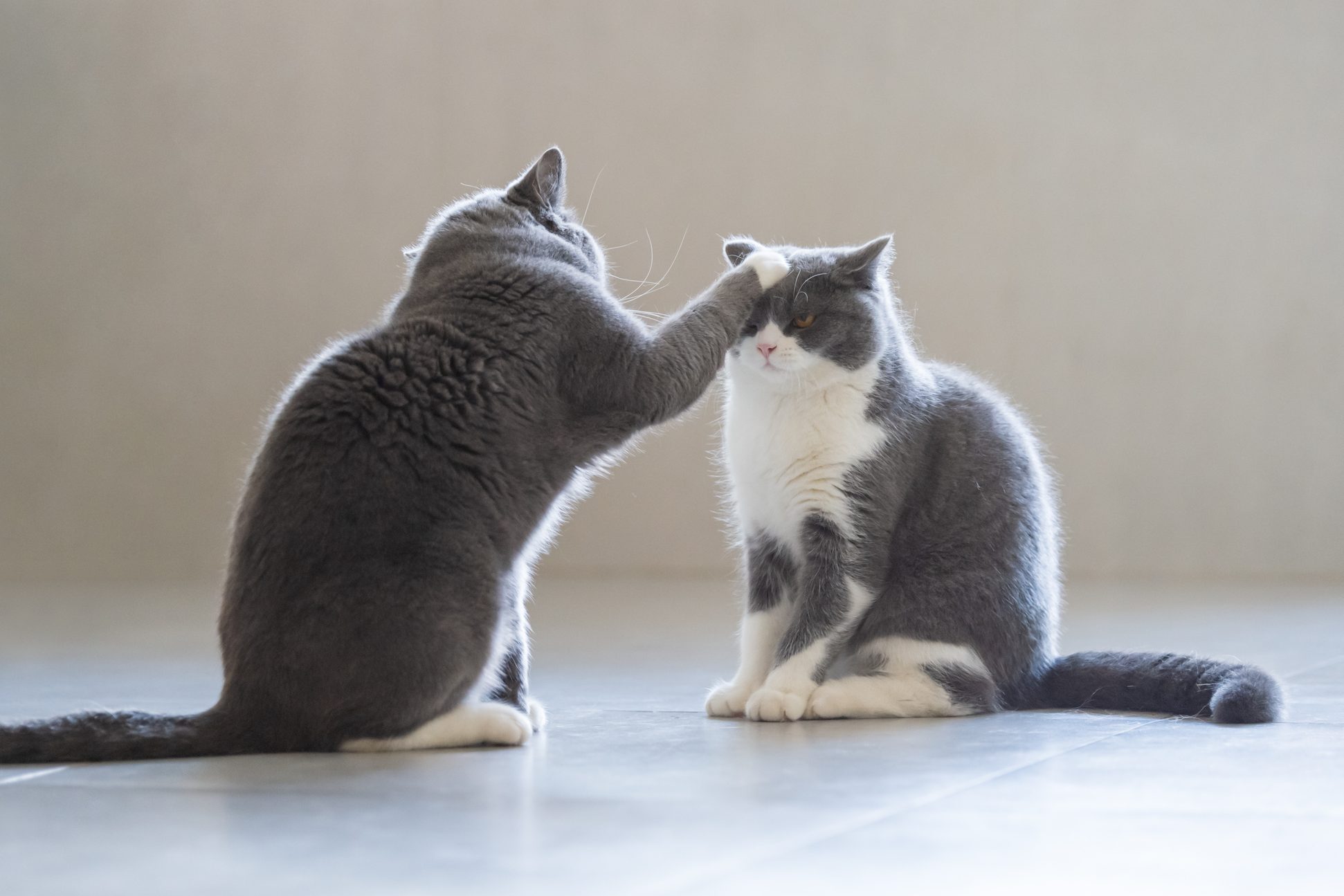
Credit: www.rd.com
Cat Grooming Basics
Understanding the basics of cat grooming helps you see more clearly why your feline friend spends so much time cleaning themselves and sometimes even their companions. Grooming is not just about looking neat; it’s deeply connected to their health, comfort, and social bonds. If you’ve noticed your cat licking their fur or gently nibbling another cat, you’re witnessing important behavior that says a lot about how they feel and interact.
Why Cats Groom Themselves
Cats groom themselves to keep their fur clean and free of dirt. This helps prevent skin problems and keeps their coat shiny and healthy.
Grooming also cools them down when the weather is warm and helps them relax when they feel stressed. Have you seen your cat licking their paws and then rubbing their face? This is a common way they clean hard-to-reach spots.
Besides hygiene, grooming removes loose fur and reduces shedding around your home. It’s a natural way for cats to take care of themselves every day.
Types Of Grooming Behaviors
- Self-grooming:This is the most frequent type. Cats use their tongue and teeth to clean their fur, focusing on areas like the face, belly, and tail.
- Social grooming:Cats sometimes groom each other. This behavior, called allogrooming, strengthens bonds and shows trust and affection.
- Mutual grooming:When two cats groom each other, it helps reduce tension and supports their social hierarchy.
- Over-grooming:Sometimes cats groom excessively due to stress or skin irritation. If you notice this, it might be time to consult a vet.
Have you noticed your cat cleaning another cat’s head or neck? That’s a clear sign they feel comfortable and happy around each other.
Social Grooming Among Cats
Cats often groom each other, a behavior known as social grooming. This act is more than just cleaning. It helps build trust and strengthen bonds between cats. Social grooming shows comfort and happiness in their company.
What Is Allogrooming
Allogrooming is the term used for cats grooming one another. Cats lick and clean each other’s fur to remove dirt and loose hair. This behavior also spreads natural scents, creating a shared group smell. It reduces tension and promotes peace among cats. Allogrooming usually happens between cats that feel safe together.
Common Grooming Partners
Cats tend to groom those they trust most. Common grooming partners include:
- Mother cats and their kittens
- Sibling cats from the same litter
- Adult cats that live in the same home or territory
- Close feline friends that share a bond
Grooming helps maintain strong social ties. Cats rarely groom strangers or cats they dislike. This behavior signals friendship and comfort.
Grooming As A Sign Of Happiness
Grooming between cats is more than just a cleaning routine. It’s a clear sign that your feline friends feel safe and happy around each other. When cats groom each other, they show trust and comfort, making their bond stronger and their environment more peaceful.
Body Language During Grooming
Have you noticed your cats’ relaxed posture when they groom each other? Their eyes often close gently, and their bodies stay calm and still. This relaxed state shows they are enjoying the moment and feel secure.
Look for slow, gentle licking and purring sounds during grooming sessions. These are good indicators of contentment. If the cats’ tails are still or softly twitching, it means they are comfortable and happy with the interaction.
Emotional Bonds And Grooming
Grooming isn’t just about hygiene; it’s a way cats build emotional connections. When one cat licks another, it’s a gesture of friendship and care. This act helps reduce stress and creates a sense of belonging.
Think about your own pets or cats you’ve seen grooming each other. Notice how often they return to this behavior during calm and happy times. Grooming strengthens their relationship, showing that they trust and accept each other fully.
Other Reasons Cats Groom Each Other
When cats groom each other, it’s not always just a sign of happiness. There are several deeper reasons behind this behavior that reveal how cats interact socially and emotionally. Understanding these can help you better read your cat’s mood and social dynamics within your home.
Stress Relief And Comfort
Mutual grooming often acts as a way for cats to calm each other down. If you’ve ever seen two cats licking each other after a stressful event, they’re actually helping each other relax. This shared grooming releases calming pheromones and reduces tension.
It’s interesting to watch how a nervous cat can become more at ease when another cat starts grooming them. Have you noticed your cats grooming more during changes like moving to a new home or after a loud noise? This behavior is their way of providing comfort and reassurance.
Establishing Social Hierarchy
Grooming also plays a role in defining social ranks within a group of cats. Typically, higher-ranking cats will groom those lower in the hierarchy. This isn’t just about cleanliness—it’s about showing dominance and maintaining order.
However, the act is not always one-sided. Lower-ranking cats may groom dominant cats as a form of submission or to strengthen social bonds. Observing who grooms whom can give you insight into your cats’ relationships and pecking order.
How To Encourage Positive Grooming
Cats often groom each other to show happiness and trust. Encouraging this behavior helps build a strong bond between them. Providing a calm space and positive attention can promote friendly grooming habits.
Encouraging positive grooming among cats fosters harmony in multi-cat households. Cats naturally groom each other to bond and show affection. Creating an environment where this behavior flourishes requires patience and understanding. Explore these strategies to promote happy grooming among your feline friends.Creating A Relaxed Environment
A peaceful setting encourages cats to groom each other. Ensure your home is quiet and free from stress. Provide cozy spots where cats can relax and interact. Soft beds or cushions in sunlit areas work well. Minimize loud noises and sudden disturbances. This tranquility helps cats feel secure, promoting positive interactions.Introducing Cats Gradually
Introduce new cats to each other slowly. Rushing can cause stress or aggression. Allow cats to get used to each other’s scent first. Swap bedding or toys between them. Supervise initial meetings and keep them short. Gradually increase interaction time as they grow comfortable. Patience here leads to stronger, happier bonds.
Credit: www.companionanimalpsychology.com
When Grooming Signals Problems
Grooming between cats is often a sign of friendship and comfort. However, there are times when grooming behavior can signal that something is wrong. Paying attention to these signals can help you better understand your cats’ emotional and physical health.
Overgrooming And Stress
Have you noticed your cat licking itself or another cat excessively? Overgrooming can be a clear sign of stress or anxiety. Cats might use grooming as a way to cope with changes like a new pet, loud noises, or even boredom.
When grooming turns into constant licking, it can cause skin irritation or hair loss. This behavior isn’t just about cleanliness anymore—it’s a red flag. If your cat suddenly starts overgrooming, consider what might be stressing them out and try to reduce those triggers.
Ignoring Grooming Needs
On the flip side, a cat that suddenly stops grooming itself or others may also be in trouble. This can indicate illness, pain, or depression. Cats are usually meticulous groomers, so a drop in grooming is a strong signal you shouldn’t ignore.
Watch for matted fur, unpleasant odors, or dirt buildup as signs your cat is neglecting grooming. In multi-cat households, if one cat stops grooming others, it might also mean social withdrawal or discomfort. Have you seen a usually affectionate cat suddenly avoid grooming? That could mean it’s time for a vet visit.

Credit: www.companionanimalpsychology.com
Frequently Asked Questions
Do Cats Groom Other Cats When Happy?
Yes, cats often groom other cats when happy. This behavior, called allogrooming, strengthens social bonds and shows affection. It helps keep their fur clean and reduces stress, promoting a sense of comfort and trust between feline companions.
Why Do Cats Lick Each Other’s Fur?
Cats lick each other’s fur to clean hard-to-reach areas and share scents. This behavior builds trust and reinforces social connections. It also helps reduce tension and maintain harmony within their group or family.
Is Mutual Grooming A Sign Of Cat Friendship?
Mutual grooming is a strong sign of cat friendship. It indicates trust, comfort, and a positive relationship. Cats use grooming to bond and express affection, showing they feel safe and happy together.
Can Cats Groom Others To Reduce Stress?
Yes, cats groom others to reduce stress. Grooming releases calming hormones that help relax both cats. It creates a peaceful environment and strengthens emotional bonds, making them feel more secure.
Conclusion
Cats grooming each other shows trust and friendship. This behavior means they feel safe and happy together. Grooming also helps keep their fur clean and healthy. Watching cats groom can teach us about their feelings. It’s a simple way they show care and bond.
So, yes, cats often groom others when they are happy. This small act speaks volumes about their social life. Understanding this helps us connect better with our pets. Cats express love in quiet, gentle ways.

Leave a Reply