Have you ever wondered if you can have your cat groomed? If you’re like most cat owners, keeping your furry friend clean and comfortable is important to you.
But grooming a cat isn’t always easy, and you might be unsure about when or how to do it. This guide will help you understand the benefits of cat grooming, what to expect, and how to make the experience stress-free for both you and your pet.
Keep reading to discover everything you need to know to keep your cat looking and feeling their best.

Credit: services.petsmart.com
Benefits Of Grooming Your Cat
Grooming your cat offers many benefits beyond just keeping them clean. Regular grooming supports their overall health and comfort. It also helps prevent common problems that cats often face. Understanding these benefits encourages consistent care for your feline friend.
Improved Coat Health
Brushing removes dirt and dead fur from your cat’s coat. This keeps their fur shiny and soft. Grooming spreads natural oils across their skin, preventing dryness. It also reduces matting and tangles that can cause pain.
Reduced Shedding And Hairballs
Regular grooming controls shedding by removing loose hair. This means less fur on your furniture and clothes. It also lowers the chance of hairballs forming in your cat’s stomach. Hairballs can cause discomfort and digestive issues.
Early Detection Of Health Issues
Grooming sessions give you a chance to check your cat’s body. You can spot lumps, bumps, or skin problems early. Early detection helps your vet treat issues before they get worse. It also allows you to notice changes in your cat’s behavior or health.
Strengthened Bond With Your Cat
Grooming time builds trust and closeness between you and your cat. Many cats find gentle brushing relaxing and enjoyable. This quiet time together deepens your relationship. It also helps your cat feel safe and loved.
When To Groom Your Cat
Knowing when to groom your cat is just as important as knowing how to do it. Cats don’t always tell us when they need attention, so you need to watch for signs and understand their specific needs. Timing your grooming sessions right can keep your cat healthy and comfortable.
Age And Breed Considerations
Young kittens usually don’t need much grooming because their mothers take care of it. But as cats grow older, their grooming needs change. Older cats may struggle to groom themselves properly, especially if they have arthritis or other health issues.
Breed plays a big role too. Long-haired cats like Persians need more frequent brushing to avoid mats and tangles. Short-haired breeds generally require less grooming, but they can still benefit from regular brushing to reduce shedding and hairballs.
Seasonal Grooming Needs
Season changes can affect your cat’s coat and skin. In spring and summer, your cat may shed more to stay cool. This is the perfect time to increase grooming sessions and remove loose fur.
During colder months, cats often grow thicker coats. Grooming helps prevent mats and keeps their fur clean. Plus, it gives you a chance to check for any skin issues that might be hidden under the dense fur.
Signs Your Cat Needs Grooming
Watch for visible mats or tangles in your cat’s fur. These can cause discomfort and even skin infections if left untreated. If your cat starts to groom less or shows patches of hair loss, it might need your help.
Other signs include excessive shedding, dandruff, or a greasy coat. You may notice your cat scratching more than usual or having a bad odor. These are clear signals that grooming is overdue and a vet visit might be necessary.
Preparing For Grooming
Preparing your cat for grooming is essential to make the experience smooth and stress-free for both of you. It’s not just about having the right tools but also about creating the right atmosphere and building trust with your furry friend. Taking time to prepare can turn grooming from a dreaded chore into a bonding moment.
Choosing The Right Tools
Start by selecting grooming tools that match your cat’s coat type. Short-haired cats usually need a simple brush, while long-haired breeds benefit from a comb and detangling tools.
Look for brushes with soft bristles or rubber tips to avoid hurting your cat’s sensitive skin. Having nail clippers designed for cats is also important if you plan to trim claws during grooming.
Have everything within reach before you begin. This reduces interruptions and helps keep your cat calm.
Creating A Calm Environment
Think about where you will groom your cat. Choose a quiet, comfortable spot with good lighting to help you see what you’re doing clearly.
Try to keep the area free from loud noises or sudden movements that might startle your cat. Playing soft music or offering a favorite blanket can help relax your cat.
Ask yourself: What helps your cat feel most secure? Adjust the space to match those preferences.
Getting Your Cat Comfortable
Before starting, spend a few minutes petting your cat to help them relax. Speak in a calm and soothing voice to reassure your pet.
Introduce the grooming tools slowly. Let your cat sniff and explore them before you start using them.
Patience is key—if your cat resists, take breaks and try again later. This shows your cat that grooming isn’t something to fear but a routine part of your time together.
Credit: hellopetsinc.com
Grooming Techniques For Cats
Grooming your cat keeps them healthy and comfortable. It also helps reduce hairballs and matting. Cats enjoy gentle care that suits their personality. Knowing basic grooming techniques makes the process easier and safer.
Brushing And Combing Tips
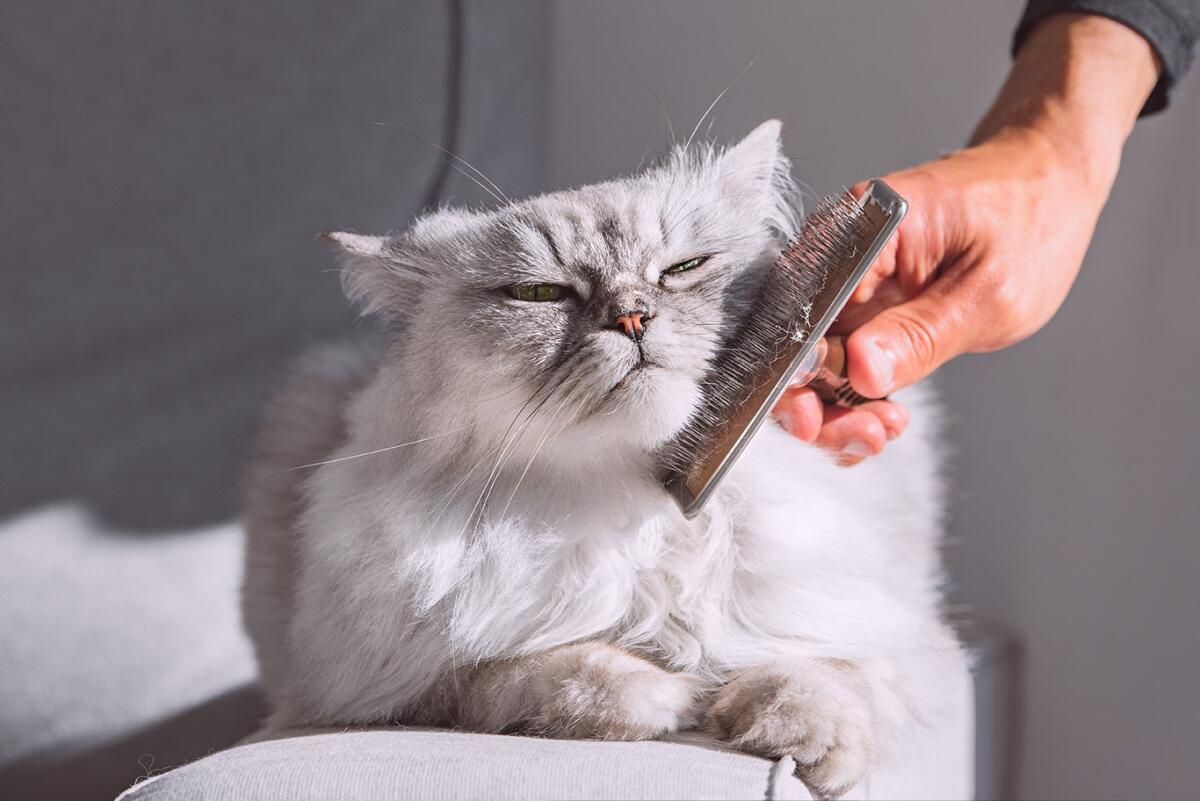
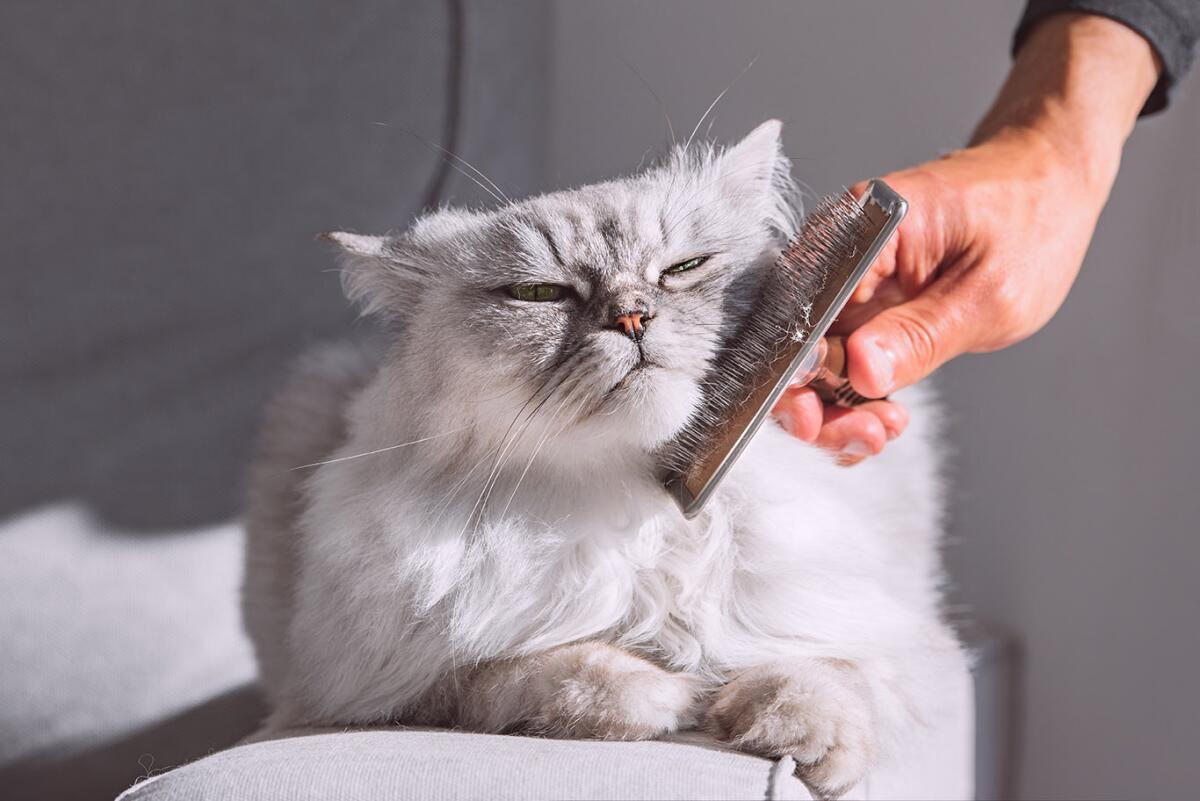
Use a soft brush for short-haired cats and a comb for long-haired ones. Brush gently in the direction of fur growth. Focus on problem areas like the belly and behind ears. Brush your cat regularly to avoid tangles. Reward your cat with treats and praise during brushing.
Bathing Your Cat Safely
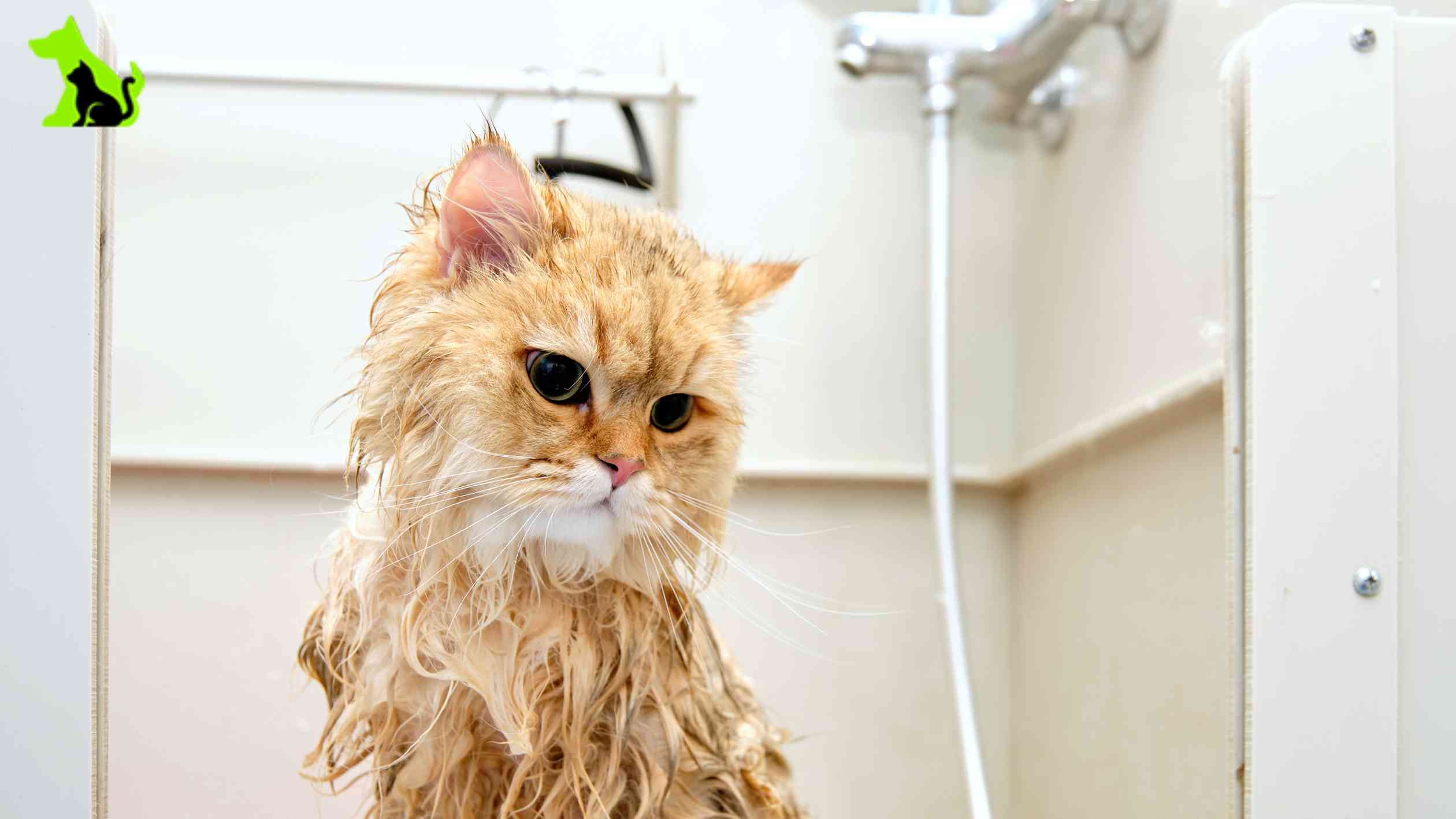
Bathing is not always necessary but can help if your cat is very dirty. Use lukewarm water and cat-safe shampoo only. Keep water away from the cat’s face and ears. Rinse thoroughly to remove all shampoo. Dry your cat with a towel, avoiding a hairdryer unless it is very quiet and low heat.
Nail Trimming Guidelines
Trim your cat’s nails every few weeks. Use special cat nail clippers for safety. Hold the paw gently and press to extend the nails. Avoid cutting the pink part called the quick, which hurts and bleeds. If unsure, trim just the sharp tip or ask a vet for help.
Cleaning Ears And Eyes
Check your cat’s ears weekly for dirt or wax. Use a soft cotton ball moistened with a vet-approved cleaner. Wipe gently without pushing deep inside the ear. For eyes, use a damp cloth to clean any discharge. Consult a vet if redness or swelling appears.
Professional Grooming Services
Professional grooming services offer many benefits for your feline friend. Cats, known for their cleanliness, sometimes need extra care. Professional groomers use their skills to ensure your cat’s well-being and appearance. They understand the specific needs of different cat breeds. This ensures your cat gets the best care possible.
When To Seek Expert Help
Consider professional grooming if your cat’s fur is matted. Regular grooming sessions are also beneficial for long-haired breeds. Cats with medical conditions may require expert attention. If you notice skin issues, consult a professional groomer. Unusual odors or excessive shedding could be signs of a grooming need.
Finding A Trusted Groomer
Search for groomers with good reviews and recommendations. Visit the grooming salon to assess cleanliness and environment. Check if the groomer has experience with cats. Ask about their methods and products used. A trusted groomer will prioritize your cat’s comfort and safety.
What To Expect During A Grooming Session
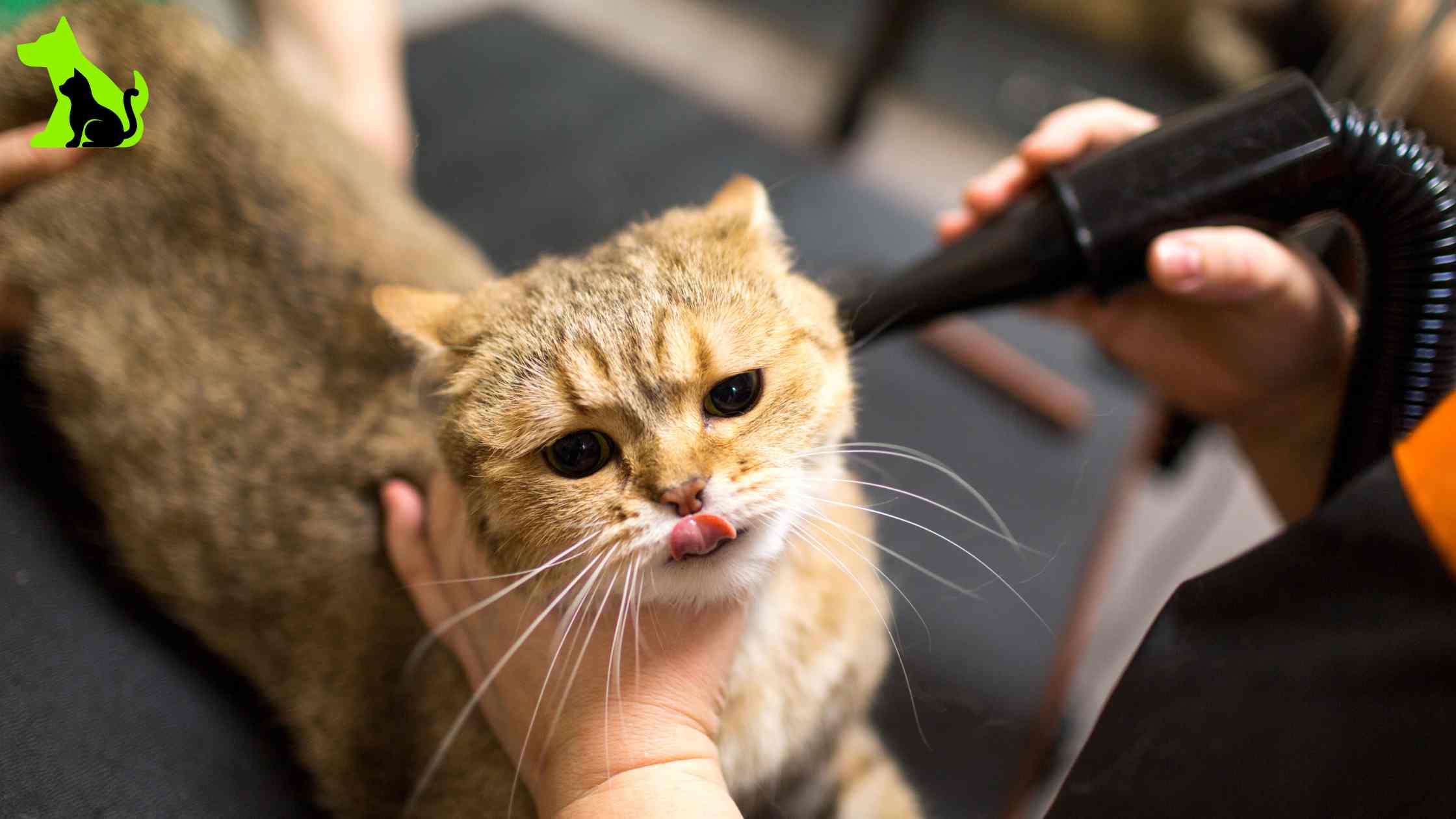
A grooming session often begins with a thorough inspection. The groomer checks for skin issues or parasites. Bathing is a common part of the process. Groomers use cat-friendly shampoos and conditioners. They trim nails and clean ears with care. Some sessions include brushing and fur trimming. The groomer may offer advice on home grooming practices.
Common Grooming Challenges
Grooming cats can be tricky. Many cats do not enjoy being touched for long. Some get scared or even try to bite. Grooming challenges need patience and care. Knowing common problems helps prepare for a smooth grooming session.
Handling Anxious Or Aggressive Cats
Some cats get nervous during grooming. They may hiss, scratch, or try to run away. Speak softly and move slowly. Use treats to calm them down. Short sessions work better than long ones. Giving breaks helps your cat relax. Using a towel to wrap them gently can protect both you and the cat.
Dealing With Mats And Tangles
Mats and tangles can hurt your cat’s skin. They form when fur is not brushed often. Use a wide-tooth comb or a special mat splitter. Work on small areas at a time. Be gentle to avoid pulling the fur. If mats are too tight, ask a groomer for help. Regular brushing stops mats from coming back.
Managing Shedding And Allergies
Shedding happens more in some cats. It can leave fur all over your home. Regular brushing removes loose hair. Using an undercoat rake helps reduce shedding. Clean your cat’s bedding often. For allergies, wash your hands after grooming. Vacuum the house to remove hair and dander. These steps keep your home cleaner and your cat healthier.
Maintaining Grooming Between Sessions
Keeping your cat well-groomed between professional grooming sessions is key to their overall health and happiness. Regular care helps prevent mats, reduces shedding, and keeps your feline friend comfortable. You don’t need to spend hours every day, but simple, consistent habits make a big difference.
Daily And Weekly Grooming Routines
Establish a quick daily brushing session, especially if your cat has long or thick fur. Even five minutes can remove loose hairs and stop tangles from forming. Cats often enjoy this bonding time, so use a soft brush and watch their reaction.
Once or twice a week, go a bit deeper. Check for any stubborn mats, clean around their ears, and trim nails if needed. This routine keeps your cat looking tidy and prevents discomfort. Have you noticed how your cat’s mood improves after a good brushing?
Monitoring Skin And Coat Health
Keep an eye on your cat’s skin for signs of irritation, dryness, or unusual bumps. Healthy skin should be smooth and free from redness or flaking. If you spot anything odd, it’s best to consult your vet early before problems worsen.
Regular grooming sessions give you a chance to spot parasites like fleas or ticks. These pests can hide under fur and cause serious issues. Ask yourself: does your cat scratch more than usual? That might be a warning sign.
Diet And Hydration Impact
Your cat’s diet directly affects the quality of their coat. Foods rich in omega-3 and omega-6 fatty acids promote a shiny, healthy fur. If you’re unsure about your cat’s food, ask your vet for recommendations that support skin and coat health.
Hydration is just as important. Dehydration can lead to dry, brittle fur and flaky skin. Make sure fresh water is always available, and consider adding wet food to your cat’s diet to boost fluid intake.
Credit: hellopetsinc.com
Frequently Asked Questions
Can You Professionally Groom Your Cat?
Yes, many pet salons offer professional cat grooming services. Trained groomers handle cats gently and safely. Professional grooming includes brushing, nail trimming, and sometimes bathing. It helps maintain your cat’s hygiene and comfort. Always choose a groomer experienced with cats.
How Often Should You Groom Your Cat?
Grooming frequency depends on your cat’s coat type. Long-haired cats need grooming at least once a week. Short-haired cats can be groomed once every two weeks. Regular grooming prevents matting and reduces shedding. Adjust grooming based on your cat’s needs and comfort.
Is Grooming Stressful For Cats?
Some cats may find grooming stressful initially. Gentle handling and familiar environments reduce stress. Professional groomers use calming techniques to ease anxiety. Gradually introducing grooming helps cats adapt. Positive reinforcement during grooming creates a better experience.
Can Grooming Prevent Cat Hairballs?
Yes, regular grooming reduces loose fur cats ingest during self-cleaning. Brushing removes dead hair before it forms hairballs. This lowers the chance of digestive blockages. Hairball prevention improves your cat’s overall health. Consistent grooming supports a cleaner coat and home.
Conclusion
Having your cat groomed helps keep their coat clean and healthy. Grooming reduces hairballs and prevents mats. It also lets you check for any skin problems. Some cats enjoy grooming time, making it less stressful. Choose a groomer who treats your cat gently and with care.
Regular grooming supports your cat’s comfort and well-being. It’s a simple way to show love and care. So, consider grooming as part of your cat’s routine. A happy, clean cat means a happy home.

Leave a Reply