Grooming your cat can sometimes feel like a challenge. You want your furry friend to look neat and feel comfortable, but keeping them calm and still is not always easy.
What if there was a simple trick that helps you keep your cat relaxed and cooperative during grooming? Learning how to loop cats when grooms can make the process smoother for both of you. You’ll discover practical tips that make grooming less stressful, so you can enjoy more quality time with your beloved pet.
Keep reading to find out how to make grooming a peaceful, even enjoyable experience for your cat—and yourself.

Credit: yourcatbackpack.com
Choosing The Right Loop
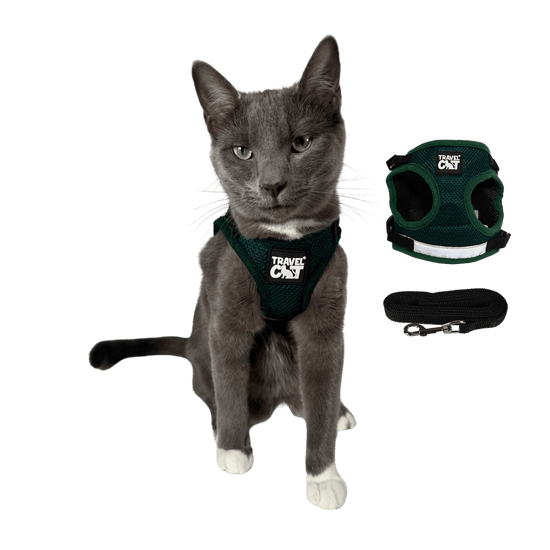
Choosing the right loop is key to a safe and stress-free grooming session for your cat. It helps keep your feline friend secure without causing discomfort or anxiety. Understanding the types, materials, and sizes of grooming loops can make a big difference in how smoothly the process goes.
Types Of Grooming Loops
There are several types of grooming loops, each designed for different needs. Some loops come with quick-release buckles, which are great if you need to free your cat quickly. Others have adjustable sliders that let you tighten or loosen the loop easily.
Think about your cat’s behavior. Is your cat calm or fidgety? A padded loop might be better for sensitive cats, while a simple nylon loop works well for more relaxed pets. Choosing the right type can reduce stress for both of you.
Material Matters
The material of the grooming loop affects comfort and durability. Nylon loops are common and affordable but can sometimes irritate delicate fur or skin. Leather loops are softer and last longer, but they require more maintenance.
Soft, padded loops help prevent chafing and make grooming less stressful. Have you noticed your cat pulling away when the loop rubs against their neck? Switching to a gentler material could solve that problem.
Size And Comfort
The size of the loop must fit your cat properly—not too tight, not too loose. A loop that’s too tight can cause discomfort or even injury. Too loose, and your cat might slip free, making grooming difficult.
Measure your cat’s neck before choosing a loop size. Adjustable loops give you flexibility, but always check the fit during grooming. Comfort should be your priority to keep your cat calm and cooperative.
Credit: crescentcitychambermusicfestival.com
Preparing Your Cat
Preparing your cat for grooming helps make the process smooth and stress-free. It builds trust and reduces anxiety for both you and your cat. Start by setting a quiet space and introducing tools slowly. Gentle handling is key to keep your cat calm and cooperative. These steps create a positive grooming experience that your cat can accept over time.
Creating A Calm Environment
Choose a quiet room with little noise or distractions. Soft lighting helps your cat feel safe and relaxed. Remove other pets or loud sounds that might scare your cat. Use a soft blanket or towel for comfort on the grooming surface. Stay calm yourself; cats sense your mood and react to it.
Introducing The Loop Gradually
Show the grooming loop to your cat before using it. Let your cat sniff and explore the loop at its own pace. Avoid forcing the loop on your cat too soon. Use treats or gentle praise to make the loop a positive object. Practice holding the loop near your cat without tightening it. This helps your cat get used to the feeling.
Handling Your Cat Gently
Use soft, slow movements when touching your cat. Support your cat’s body to make it feel secure. Avoid sudden or rough handling that might cause fear. Speak softly to reassure your cat during grooming. Take breaks if your cat shows signs of stress. Patience and kindness help build trust over time.
Looping Techniques
Looping your cat during grooming can make the process much smoother and safer for both of you. Mastering the right techniques helps you keep control without causing discomfort or stress. Let’s dive into some key looping techniques that work well for cats of all sizes and temperaments.
Securing The Loop Safely
Safety is the top priority when creating a loop around your cat. Use a soft, flexible grooming loop to avoid digging into their skin. Make sure the loop is snug but not tight; it should hold your cat gently without restricting breathing or movement.
Place the loop around your cat’s neck or body, depending on where you need control, and fasten it securely to the grooming table or your arm. Check frequently to ensure the loop hasn’t slipped or become too loose. Have you noticed how a loose loop can cause more stress than a tight one?
Adjusting For Different Cat Sizes
Every cat is unique, and their size affects how you should adjust the loop. For smaller cats or kittens, use a thinner, adjustable loop to prevent excess bulk that can feel intimidating. Larger cats need a wider loop that can support their weight without causing discomfort.
Adjust the loop length so your cat has enough room to move slightly but not enough to escape. You can also try looping around the torso for cats that dislike neck restraint. How does your cat respond to different loop positions? Experiment carefully and watch their reactions.
Preventing Stress And Injury
Keeping your cat calm is essential to avoid injury during grooming. Always use the loop in combination with gentle handling and soothing words. Avoid sudden movements that can startle your cat and cause them to panic.
Inspect the loop material regularly for any rough edges or fraying that might irritate your cat’s skin. If your cat resists the loop, pause and try calming techniques like petting or short breaks. What small changes can you make to create a calmer grooming environment?
Grooming Tips While Looped
Grooming a cat while looped helps keep it calm and safe. The loop holds your cat gently but firmly. This allows better control during brushing and nail trimming. Use soft touches and calm voices to reduce stress. Watch your cat’s reactions closely to avoid discomfort.
Effective Brushing Methods
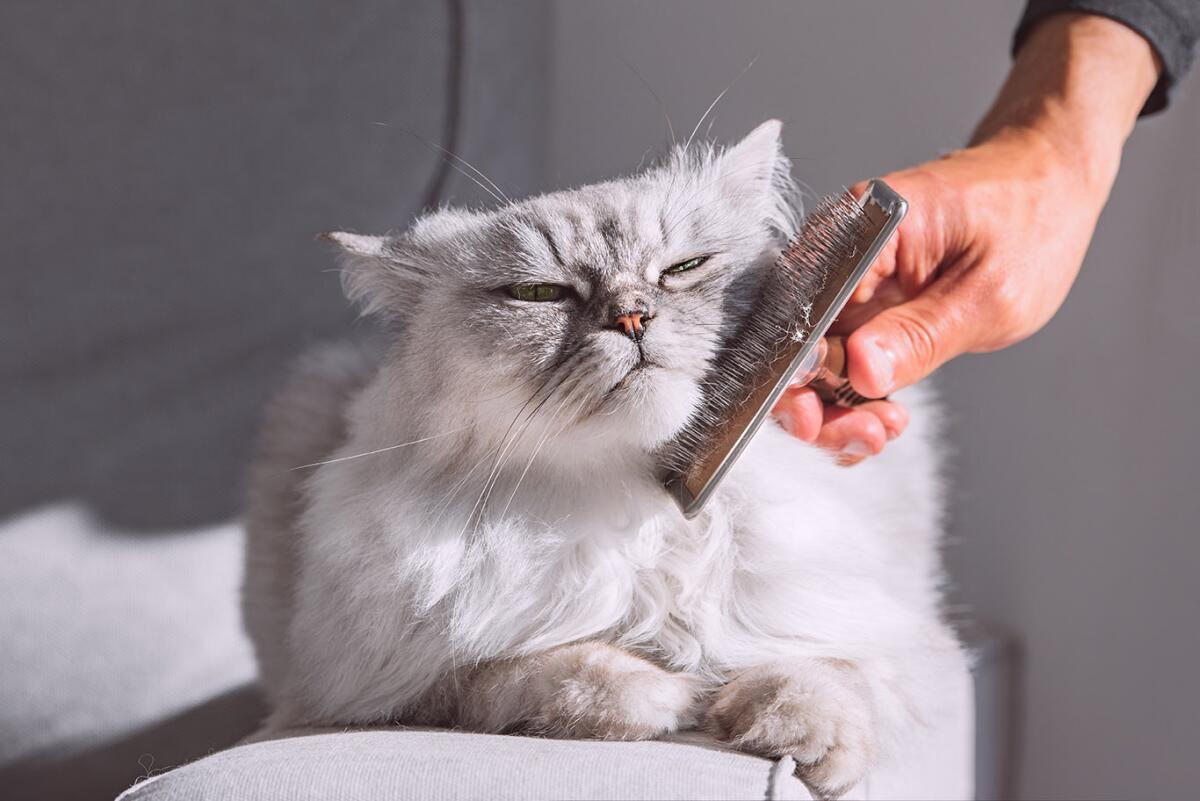
Choose a brush that suits your cat’s fur type. Use gentle strokes in the direction of hair growth. Start from the head and move towards the tail. Brush small sections to avoid pulling the hair. Take breaks if your cat seems restless. Regular brushing prevents hairballs and keeps fur shiny.
Managing Mats And Tangles
Check for mats carefully, especially behind ears and under legs. Use a wide-toothed comb to loosen tangles. Hold the fur close to the skin to avoid pulling. Work slowly and patiently on tough mats. For stubborn mats, use a mat splitter or ask a groomer. Never cut mats with scissors near the skin.
Trimming Nails Safely
Use a sharp nail clipper designed for cats. Hold your cat’s paw gently but firmly while looped. Press the toe pad to extend the claw. Trim only the sharp tip, avoiding the quick. If unsure, trim a little at a time. Praise your cat after each paw to keep calm.
Aftercare And Rewards
Aftercare and Rewards Looping cats during grooming requires patience and care. Offer treats as rewards to make the experience positive. Gently pet and praise your cat afterward to reinforce good behavior.
After successfully grooming your cat, it’s essential to focus on aftercare and rewards to ensure a positive experience for both you and your feline friend. Cats, much like people, appreciate a little pampering after a grooming session. By carefully attending to their needs and offering rewards, you strengthen the bond and encourage future cooperation.Removing The Loop Carefully
Once grooming is complete, it’s time to remove the loop with care. Ensure you loosen it gently to avoid pulling on your cat’s fur. Slowly slide it off, speaking soothingly to reassure your pet.Checking For Skin Irritations
After removing the loop, take a moment to check your cat’s skin. Look for any signs of redness or irritation that might have occurred during grooming. If you notice anything unusual, consider consulting your vet for advice.Positive Reinforcement
Reward your cat with a treat or some playtime. Positive reinforcement goes a long way in making future grooming sessions easier. What kind of reward does your cat respond to best? A small treat or a few minutes with their favorite toy can make all the difference. By paying attention to these aftercare steps, you ensure a happy and healthy grooming routine for your beloved feline.Common Mistakes To Avoid
Looping a cat during grooming needs care and patience. Avoiding common mistakes helps keep your cat calm and safe. Mistakes can cause stress or injury. Knowing what to avoid improves the grooming experience for both you and your cat.
Over-tightening The Loop
Making the loop too tight can hurt your cat. It may cut off circulation or cause discomfort. The loop should be snug but gentle. Check that you can fit two fingers between the loop and your cat’s neck. Always adjust the loop to prevent choking or stress.
Ignoring Cat’s Behavior
Watch your cat’s body language closely. Signs like struggling, growling, or freezing mean discomfort or fear. Ignoring these signs can lead to injury. Pause grooming if your cat shows stress. Calm your cat before continuing the loop or grooming. Respecting their feelings makes grooming safer.
Rushing The Grooming Process
Hurrying can cause mistakes and accidents. Take your time to loop the cat properly. Slow, steady actions help the cat stay calm. Rushing often leads to tangles, scratches, or escapes. Patience creates a better grooming routine. Give your cat breaks if needed to reduce stress.
Tools To Complement Looping
Using the right tools makes looping cats during grooming easier and safer. Proper equipment helps keep the cat calm and the groomer efficient. These tools reduce stress and improve the grooming experience for both.
Recommended Brushes And Combs
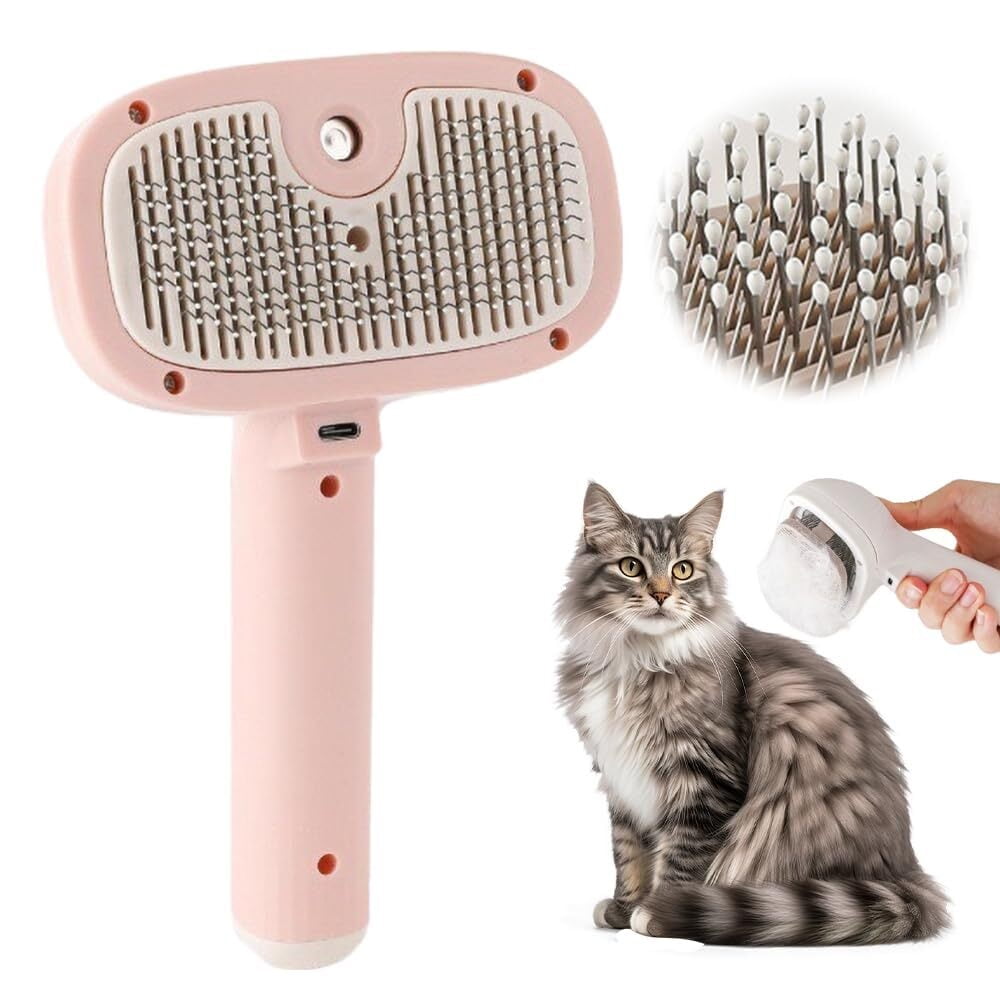
Soft brushes are gentle on the cat’s skin. Slicker brushes remove loose fur and mats without hurting. Wide-tooth combs work well on thick or long fur. Fine-tooth combs catch small tangles and dirt. Choose brushes with comfortable handles for better grip.
Using Soothing Sprays
Calming sprays help relax nervous cats. Look for sprays with natural ingredients like lavender or chamomile. Spray lightly on the fur before grooming. Avoid sprays with strong scents or chemicals. Test a small area first to check for reactions.
Protective Gear For Groomers
Wear gloves to prevent scratches and bites. Long sleeves protect your arms during handling. Use aprons to keep clothes clean from fur and water. Safety glasses shield your eyes from sudden movements. Comfortable shoes help maintain balance and comfort.

Credit: yourcatbackpack.com
Frequently Asked Questions
How Do You Safely Loop Cats During Grooming?
Use a soft, adjustable grooming loop around the cat’s neck. Avoid tightness and ensure comfort. This prevents sudden movements and keeps the cat secure without causing stress.
What Materials Are Best For Cat Grooming Loops?
Nylon or soft leather loops are ideal. They are gentle on the cat’s fur and skin. Avoid rough or metal materials to prevent irritation or injury during grooming.
Can Looping Calm Anxious Cats While Grooming?
Yes, gentle looping provides a sense of security. It limits sudden movements and helps reduce anxiety. Always combine looping with calm handling and positive reinforcement.
How Tight Should A Grooming Loop Be On A Cat?
The loop should be snug but not tight. You must fit two fingers comfortably between the loop and the cat’s neck. This prevents choking and ensures safety.
Conclusion
Looping cats during grooming helps keep them calm and safe. Use gentle holds and speak softly to reassure your cat. Take breaks if your cat feels stressed or restless. Keep grooming sessions short and positive to build trust. Practice patience; every cat learns at its own pace.
With care and attention, grooming becomes easier for both you and your cat. Regular grooming keeps your cat healthy and happy. Try these tips to make grooming a smooth experience.

Leave a Reply