Have you ever found your cat’s toys scattered all over the place, only to discover they’ve ended up in the sink? It might leave you scratching your head, wondering why your furry friend chooses such an unusual spot.
Understanding this quirky behavior can help you connect better with your cat and even make playtime more enjoyable for both of you. Keep reading to uncover the surprising reasons behind this sink obsession and what it reveals about your cat’s unique personality.
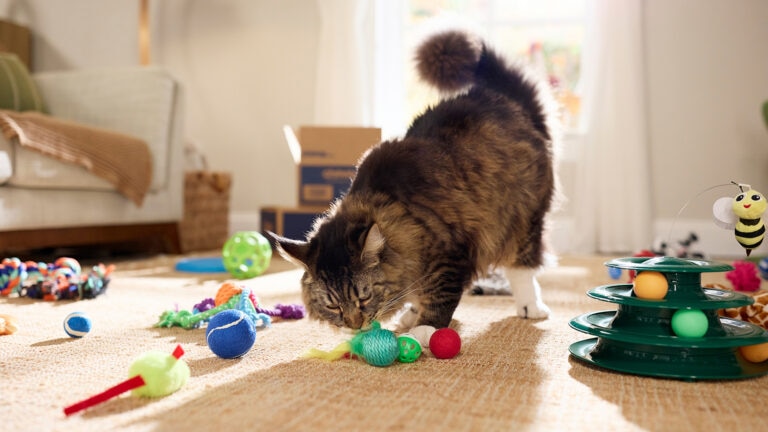
Credit: www.chewy.com
Cat Behavior And Toy Hoarding
Cats are fascinating creatures with unique behaviors that often leave us wondering about their motives. One common curiosity is why your cat might stash toys in the sink. This behavior connects deeply to their natural instincts and how they interact with their environment. Understanding these patterns can help you better respond to your cat’s needs and quirks.
Instinctual Hunting Habits
Even indoor cats carry the hunting instincts of their wild ancestors. Bringing toys to a specific spot mimics the way they handle prey after catching it. Your cat might drop toys in the sink as if it were a safe “kill zone.”
Think about how your cat plays with toys like mice or balls. They often bat them around, then move them to a new place. The sink might feel like a contained, secure area for their “catch.”
Territory Marking
Cats are territorial animals. Placing toys in the sink could be a way for your cat to mark its territory. By leaving their scent on favorite items in a specific spot, your cat creates a personal zone.
Have you noticed your cat rubbing its cheeks or paws on toys before setting them down? This behavior spreads scent glands and claims the area as theirs. The sink, often undisturbed by humans, might seem like the perfect territory.
Safe Storage Spots
Your cat might see the sink as a safe storage spot for their belongings. It’s usually an out-of-the-way place where toys won’t get lost or chewed on by other pets. This shows that your cat is careful and values their possessions.
Next time you find toys in the sink, consider if it’s your cat’s way of keeping things safe. Try offering alternative “safe spots” like cozy boxes or baskets. You might notice your cat appreciates having designated areas for their treasures.
:strip_icc()/spruce-pets-cat-bathroom-7b6ae6d8f3d940b9a82141be03734144.png)
Credit: www.thesprucepets.com
Why The Sink?
Cats have unique habits that often puzzle their owners. One such curious behavior is placing toys in the sink. Understanding why your cat chooses the sink can reveal a lot about their preferences and instincts.
Cool And Comfortable Surface
The sink offers a smooth, cool surface that cats find pleasant. It helps them cool down, especially on hot days. Toys placed there might benefit from this cooler touch. Cats enjoy resting or playing where it feels nice to their paws and bodies.
Elevated And Secure Location
The sink sits higher than the floor, giving cats a better view of their surroundings. This elevated spot feels safe and protected. Cats like to keep their toys where they can watch over them without risk of losing them. It offers a sense of control and security.
Water Attraction
Cats are often drawn to water sources. The sink is a place where water appears regularly. Your cat might associate the sink with fresh water or playfulness. Placing toys there could be a way to combine their love for water and play.
Emotional Connections With Toys
Cats often form deep emotional bonds with their toys, treating them as more than just playthings. These objects can represent comfort, mental challenge, or even a way to communicate with you. Understanding why your cat places toys in unusual spots like the sink helps you connect with their feelings and needs.
Comfort And Security
Your cat might see their toys as a source of comfort, much like a child with a favorite blanket. The sink, with its cool surface and quiet corner, could feel like a safe spot to store these cherished items. Have you noticed your cat retreating there after a busy day? It’s their way of creating a cozy, secure space.
Play And Mental Stimulation
Cats are curious creatures who love to engage their minds. Moving toys to different locations, like the sink, can be part of their play routine or a way to keep things interesting. You might find your cat “hiding” toys there to challenge themselves or to prepare for another round of hunting games.
Seeking Attention
Sometimes, your cat places toys in the sink simply to get your attention. If you’ve ever found a toy waiting for you in an unexpected place, your cat might be inviting you to join the fun. Have you tried responding by playing or talking to your cat when this happens? It could strengthen your bond and encourage more playful interaction.
Environmental Factors Influencing Behavior
Environmental factors play a big role in why your cat might stash toys in the sink. Cats react to their surroundings in ways that can seem strange to us but make perfect sense to them. Understanding these influences can help you see the behavior from your cat’s point of view and maybe even guide them toward more suitable play habits.
Household Layout
The way your home is arranged can affect your cat’s toy habits. Sinks are often quiet, cool, and out of the way—making them an appealing spot for your cat to drop toys. If other areas are noisy or crowded, your cat might prefer the sink as a safe zone for their belongings.
Have you noticed if your cat avoids busy rooms or noisy appliances? Your cat could be choosing the sink because it feels like a private retreat. Try observing whether moving their play area to a quieter spot changes their toy behavior.
Owner Interaction Patterns
Your reactions and habits can influence where your cat puts toys. If you tend to pick up toys quickly when they’re left out, your cat might have learned to hide them in the sink to keep them safe or to get your attention. Sometimes, cats use this behavior as a way to start a game with you.
Think about how you respond when your cat brings toys to the sink. Do you join in their play or ignore it? Changing your interaction style might help redirect their energy to more interactive and less puzzling play spots.
Other Pets’ Influence
Other animals in the house can also affect your cat’s toy placement. If there’s a dog or another cat that tends to steal or chase their toys, your cat might stash them in the sink to keep them away. This behavior is a form of resource guarding and shows how your cat adapts to share their environment.
Notice if your cat’s toys disappear more often when other pets are around. Providing separate play areas or extra toys can reduce competition and help your cat feel more secure about where they leave their treasures.
How To Manage Toy Placement
Cats often place toys in sinks because they see it as a safe, cozy spot. This behavior may show their natural instinct to hide and protect their treasures. Managing toy placement helps keep your home tidy and your cat happy.
Managing your cat’s toy placement can keep your home tidy. It also ensures your furry friend enjoys playtime. Cats often stash toys in unusual spots like sinks. Understanding their behavior helps in managing toy storage. With a few strategies, you can guide your cat’s play habits. Let’s explore some effective ways to manage toy placement.Providing Alternative Storage
Create designated spots for your cat’s toys. Use baskets or bins that are easy to access. Place them in areas where your cat often plays. Ensure the storage is stable and cannot tip over. Rotate toys regularly to keep your cat interested. This method prevents toys from ending up in the sink.Encouraging Play Areas
Set up specific play zones in your home. Use rugs or mats to define these areas. Place toys within these zones to attract your cat. This creates a habit of playing in designated spaces. Add scratching posts or climbing trees for variety. Cats love exploring different textures and heights.Positive Reinforcement Techniques
Reward your cat for playing in designated areas. Use treats or verbal praise to encourage good behavior. Be consistent with your rewards to reinforce habits. Avoid scolding if toys end up in the sink. Instead, redirect your cat’s attention to the play areas. Positive reinforcement strengthens desired behaviors over time.
Credit: deziroo.com
Frequently Asked Questions
Why Does My Cat Choose The Sink For Toys?
Cats find sinks cool and snug, making them perfect toy storage spots. The smooth surface keeps toys contained, and the sink’s shape offers a cozy, secure feeling. Cats enjoy this unique place for their playthings because it appeals to their natural instincts.
Is Putting Toys In The Sink Normal Cat Behavior?
Yes, it is normal. Cats often stash toys in spots they find safe and comfortable. The sink’s coolness and shape attract them. This behavior shows your cat is playful and feels secure in your home environment.
Does My Cat Put Toys In The Sink For Attention?
Sometimes, yes. Cats may place toys in visible spots like sinks to get your attention. It’s their way of inviting play or interaction. Responding positively can strengthen your bond with your pet.
Can Putting Toys In The Sink Indicate Anxiety?
Usually not. This behavior is more about play and comfort than anxiety. However, if combined with other unusual behaviors, consult a vet. Most often, it’s a harmless and quirky habit.
Conclusion
Cats place toys in sinks for many simple reasons. They enjoy the cool, smooth surface. The sink feels safe and cozy for their treasures. Sometimes, they show off their hunting skills by collecting toys. This behavior is natural and harmless.
Watching your cat’s habits helps you understand them better. Let your cat play and explore freely. This bond grows stronger with small daily moments. Your cat’s quirks make them unique and special. Embrace these little acts of love and curiosity.




Leave a Reply