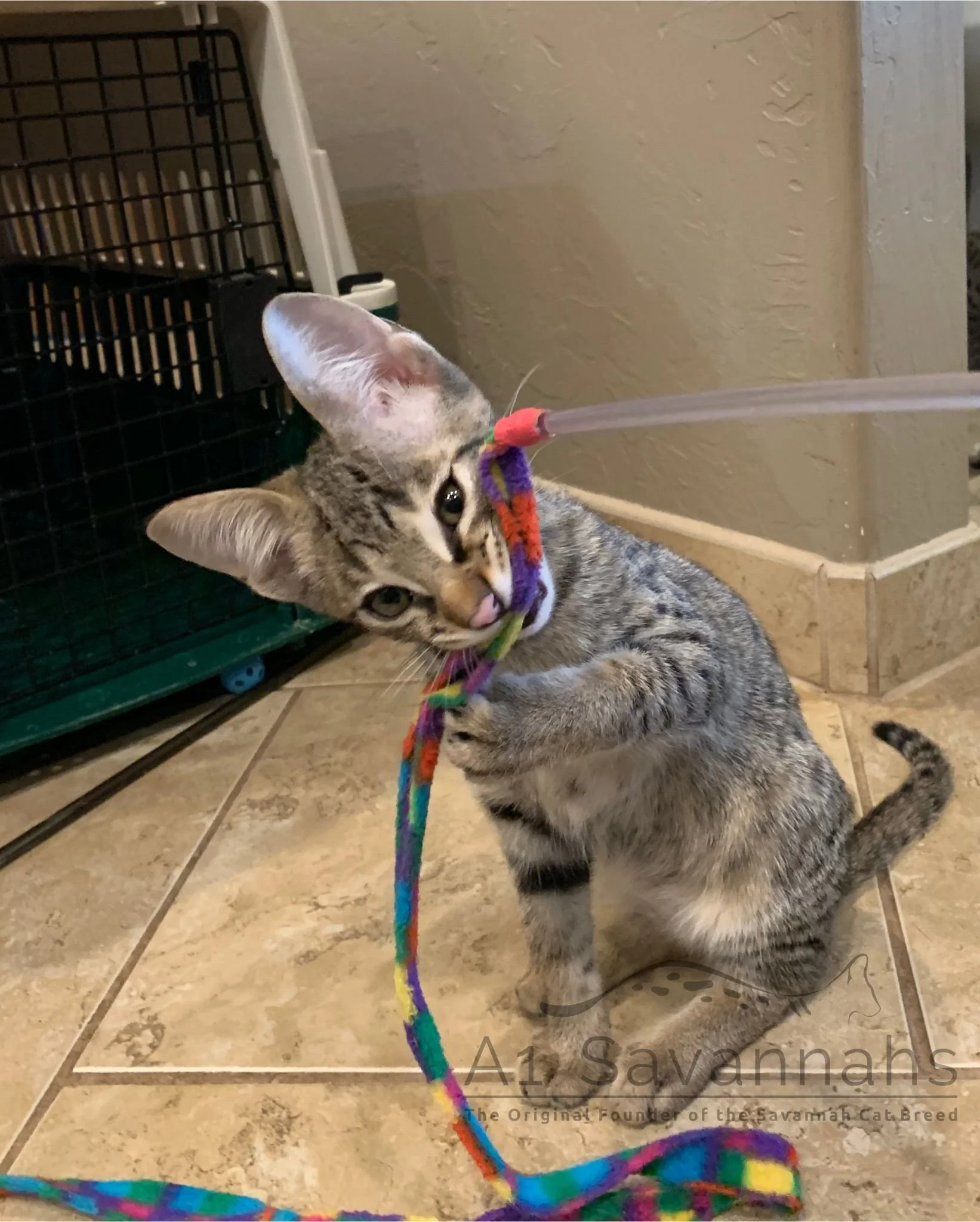
Are you tired of your cat ignoring expensive toys that don’t hold their attention? What if you could make bird toys that drive your feline wild, right at home?
You’re about to discover simple, fun ways to create homemade “Cat from Hell” bird toys that will keep your furry friend entertained for hours. These toys aren’t just cheap—they’re designed to spark your cat’s natural hunting instincts and keep boredom at bay.
Keep reading, and you’ll learn how to turn everyday items into irresistible playthings your cat will love.

Credit: www.reddit.com
Materials Needed
Creating homemade Cat from Hell Bird toys requires careful selection of materials. The right supplies ensure safety and durability. Choosing simple, quality items makes the project fun and effective.
Gather all materials before starting. This saves time and keeps the process smooth. Focus on items that cats find interesting and safe to play with.
Choosing Safe Supplies
Pick non-toxic materials. Avoid small parts that cats can swallow. Use soft fabrics, natural feathers, and sturdy strings. Natural fibers are gentle on paws and teeth. Bright colors attract cats but avoid harmful dyes. Reuse household items like felt scraps or old yarn.
Essential Tools
- Scissors for cutting fabric and string
- Needle and thread for sewing parts together
- Glue safe for pets, if sewing is difficult
- Ruler or measuring tape for accurate sizes
- Marker or chalk for marking fabric
Keep tools clean and sharp. This helps create neat and safe toys. Organize tools in one spot for easy access during crafting.
Preparing The Base
Preparing the base for your Homemade Cat from Hell Bird Toys is a crucial step that sets the foundation for the entire project. This phase ensures that the toy will be safe, durable, and enjoyable for your cat to play with. Taking the time to carefully shape and smooth the base will make a big difference in the final product’s quality.
Cutting The Shape
Start by selecting a sturdy material like wood or thick cardboard for the base. Use a pencil to draw the desired shape—something simple like a circle or a bird silhouette works well. Sharp scissors or a craft knife will help you cut along the lines cleanly.
Take your time cutting to avoid jagged edges that might hurt your cat. If the shape feels too complex, simplify it to avoid frustration. Have you noticed how your cat responds to different shapes? This could be a fun chance to tailor the toy to their preferences.
Smoothing Edges
Once the shape is cut, the edges need to be smoothed out to prevent any harm. Sandpaper is perfect for this—use a fine grit to gently rub down all the rough spots. If you’re working with cardboard, folding the edges slightly inward can also soften the surface.
Run your fingers along the edges after sanding to check for any sharp points. Don’t rush this step; a smooth edge means your cat can play freely without risk. Have you ever seen your cat shy away from a toy because it felt uncomfortable? Properly smoothing the base avoids that problem completely.
Adding Interactive Elements
Adding interactive elements to your homemade cat toys can transform a simple plaything into an irresistible adventure for your feline friend. Cats love toys that mimic the unpredictable movements of prey, and adding interactive features can amplify this experience. By incorporating elements like feathers, bells, and strings, you can create a dynamic toy that keeps your cat engaged and entertained for hours.
Attaching Feathers
Feathers can turn a basic toy into a captivating chase. Secure them tightly to ensure they don’t come loose during play. Use a strong adhesive or tightly wrap them with a string to keep them in place. Cats are naturally drawn to the fluttering motion of feathers, making them an essential addition to your DIY cat toy.
Consider using feathers of different colors and sizes to catch your cat’s attention. You might be surprised at how a simple feather can spark a lively play session. Just remember, your cat’s safety comes first—avoid using feathers that are too small or fragile.
Incorporating Bells And Strings
Bells can add a delightful auditory element to your cat’s toy. The jingling sound can mimic the noises of small prey, enticing your cat to pounce and play. Attach bells securely to the toy using a durable string or thread.
Strings add another layer of interaction. They can be used to dangle the toy, giving you the chance to engage directly with your cat. Choose a non-toxic string and ensure it’s not too long to prevent any tangling hazards.
Have you ever noticed how a simple string can keep a cat entertained for hours? It’s all about the chase. With bells and strings, your DIY toy becomes a multi-sensory experience that can satisfy your cat’s natural hunting instincts.

Credit: www.youtube.com
Decorating The Toy
Decorating your homemade Cat from Hell bird toy is where creativity truly shines. This step lets you add personality and charm, making the toy more appealing to your feline friend. Plus, it gives you a chance to experiment with colors and designs that suit your style and your cat’s preferences.
Painting Tips
Choose water-based acrylic paints for the best results. They dry quickly and are safe once fully dried, ensuring your cat won’t be exposed to harmful chemicals. Avoid thick layers; thin coats prevent paint from cracking and keep the texture smooth for your cat’s paws and beak.
Try using a small brush for detailed patterns or simple shapes like stripes and dots. This way, you can add character without overwhelming the toy’s natural look. Let each layer dry completely before adding another to avoid smudging.
Using Non-toxic Markers
Non-toxic markers are a great alternative if you prefer drawing over painting. They give you precision and control, letting you create intricate designs with ease. Look for markers labeled as safe for kids or crafts, which usually meet non-toxic standards.
Test the markers on a scrap piece of fabric or paper before applying them to the toy. This ensures the colors won’t bleed or fade quickly. Also, consider sealing your design with a pet-safe sealant to protect your artwork from your cat’s claws and chewing.
Safety Checks
Safety checks are crucial when crafting homemade Cat from Hell Bird Toys to ensure your feline friend enjoys playtime without risks. Every material and design choice impacts your cat’s health and happiness. Taking a few extra moments to inspect your creation can prevent accidents and keep your pet safe.
Ensuring Durability
Think about how strong your toy needs to be. Cats can be surprisingly rough, especially with toys that challenge their hunting instincts. Use sturdy materials like thick felt, tightly wound yarn, or reinforced feathers to withstand vigorous play.
Test the toy by gently pulling on parts like tails or wings before giving it to your cat. If it tears or loosens easily, it’s time to reinforce those spots. Durable toys last longer and keep your cat engaged without constant repairs.
Avoiding Choking Hazards
Small parts can become choking hazards quickly. Avoid using beads, buttons, or tiny bells that can come loose and get swallowed. Instead, choose large, securely attached components like sewn-on fabric shapes or glued feathers with additional stitching.
Check for loose threads or sharp edges that could harm your cat’s mouth or paws. Remember, a safe toy lets your cat play freely without you constantly worrying about their safety. Have you ever seen a cat choke on a toy? It’s a scary experience that’s easily prevented with careful inspection.
Testing And Playtime
Testing your homemade Cat from Hell Bird Toys is a crucial part of making sure your feline friend truly enjoys the new plaything. This phase helps you see how your cat interacts with the toy and if any adjustments are necessary. It also strengthens the bond between you and your cat through shared playtime experiences.
Introducing To Your Cat
Start by placing the toy in an area where your cat usually plays or rests. Let your cat approach it on their own terms—forcing interaction can cause hesitation or fear.
Watch for signs of curiosity, such as sniffing or pawing at the toy. If your cat ignores it, try moving the toy gently to catch their attention. You might also add a bit of catnip or a familiar scent to make the toy more appealing.
Have you noticed how your cat’s mood changes with different toys? This simple introduction can reveal a lot about their preferences and play style.
Monitoring Play Behavior
Observe how your cat uses the toy during play. Are they biting, batting, or carrying it around? This information helps you understand if the toy meets their needs and holds their interest.
Look out for any signs of frustration, like aggressive scratching or avoidance. These behaviors might mean the toy is too difficult or not engaging enough.
- Check for wear and tear to ensure the toy remains safe.
- Note how long your cat plays before losing interest.
- Try varying play sessions to keep things exciting.
Have you ever noticed your cat’s favorite toy suddenly loses charm? Adjusting the toy based on their reactions keeps playtime fresh and fun.
Maintenance And Storage
Keeping your homemade Cat from Hell Bird Toys in top shape is key to making sure your feline friend stays entertained and safe. Maintenance and storage play a huge role in prolonging the life of these toys and keeping them hygienic for your cat’s playtime.
Cleaning Tips
Regular cleaning prevents dirt and bacteria buildup on your bird toys. Use a damp cloth with mild soap to gently wipe down the surfaces. Avoid harsh chemicals that could harm your cat if ingested.
If the toy has fabric or feathers, spot clean carefully and let it air dry completely before giving it back to your cat. Have you noticed your cat losing interest in a toy? Sometimes a quick clean can make it feel like new again!
Proper Toy Storage
Storing your homemade toys properly helps keep them from getting damaged or dirty. Use a dedicated box or basket to keep all the toys in one place. This prevents them from getting lost or stepped on.
Keep the storage area dry and away from direct sunlight to avoid fading or weakening materials. Do you have a favorite spot where your cat usually plays? Storing toys nearby can encourage more playtime and bonding moments.

Credit: www.reddit.com
Frequently Asked Questions
What Materials Are Needed For Homemade Cat From Hell Bird Toys?
You need feathers, bells, string, glue, and small sticks. Natural materials work best for safe and engaging toys. These items are easy to find at craft stores or around the home.
How Do I Safely Assemble Cat From Hell Bird Toys?
Use non-toxic glue and secure all parts tightly. Avoid sharp edges and small pieces that cats can swallow. Always supervise your cat during play to ensure safety.
How Can Cat From Hell Bird Toys Benefit My Cat?
These toys stimulate your cat’s hunting instincts and keep them active. They help reduce boredom and destructive behavior. Homemade toys also strengthen your bond with your pet.
How Often Should I Replace Homemade Cat From Hell Bird Toys?
Replace toys when they show signs of wear or damage. Regularly check for loose parts to prevent choking hazards. Frequent replacement keeps playtime safe and exciting for your cat.
Conclusion
Creating homemade Cat from Hell bird toys is fun and simple. You save money and make toys your cat will love. Using safe materials keeps your pet happy and healthy. Try different designs to see what your cat enjoys most.
Crafting these toys also gives you quality time with your furry friend. Start with small steps and enjoy the process. Your cat will thank you with playful moments every day. Keep creativity alive and watch your pet’s joy grow. Homemade toys bring both fun and comfort to your home.




Leave a Reply