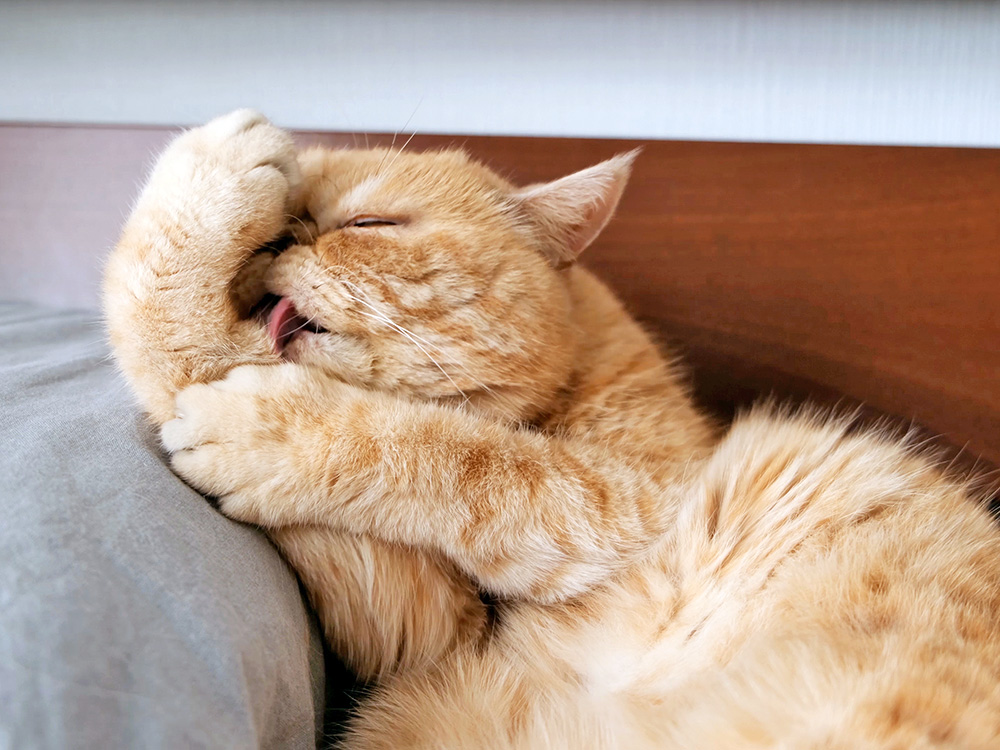
Cats are natural groomers, but sometimes they need a little help to stay clean and comfortable. If you want to make sure your furry friend looks and feels their best, knowing how to assist your cat with grooming is key.
You might be surprised how simple actions can make a big difference in your cat’s health and happiness. Keep reading to discover easy and effective ways you can support your cat’s grooming routine today.
Credit: www.petscare.com
Cat Grooming Basics
Understanding the basics of cat grooming is essential if you want to support your feline friend’s health and happiness. Cats are naturally clean creatures, but they sometimes need a little help from you to keep their coats in top shape. Knowing why cats groom themselves, recognizing good grooming habits, and spotting common challenges can make a big difference in how you care for your pet.
Why Cats Groom Themselves
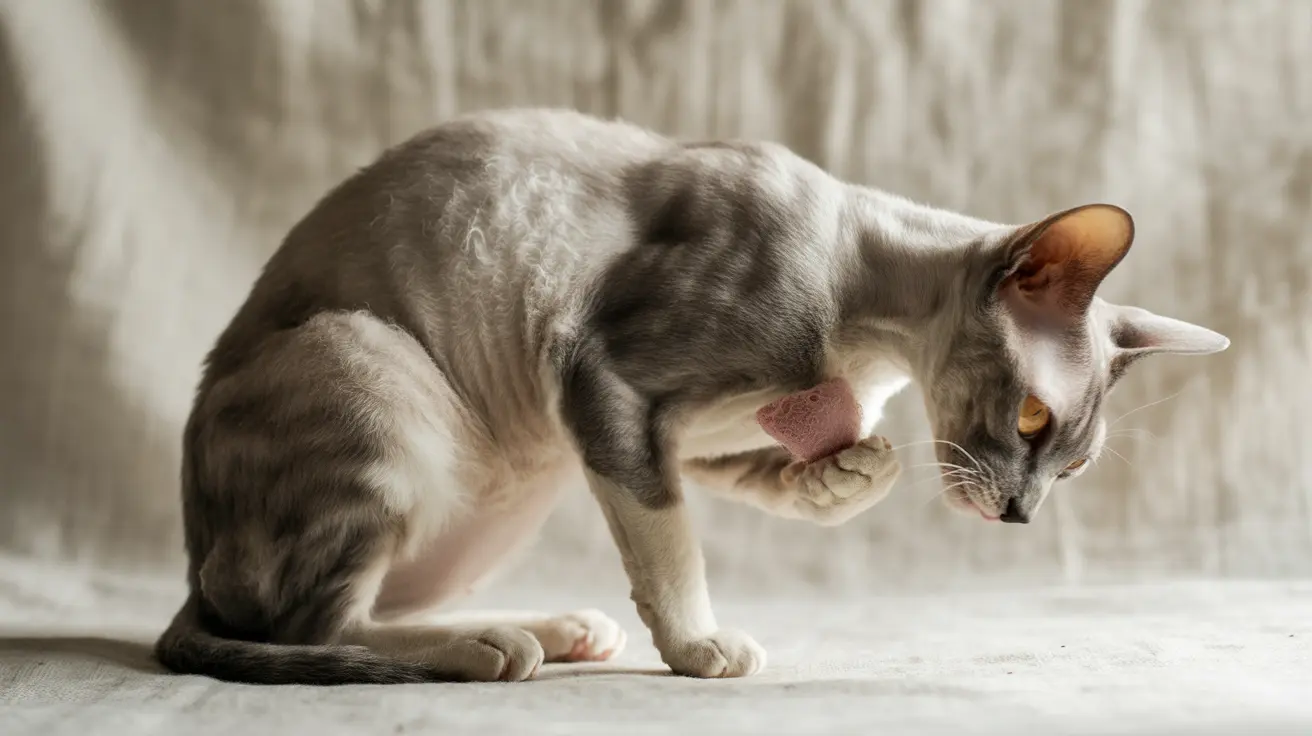
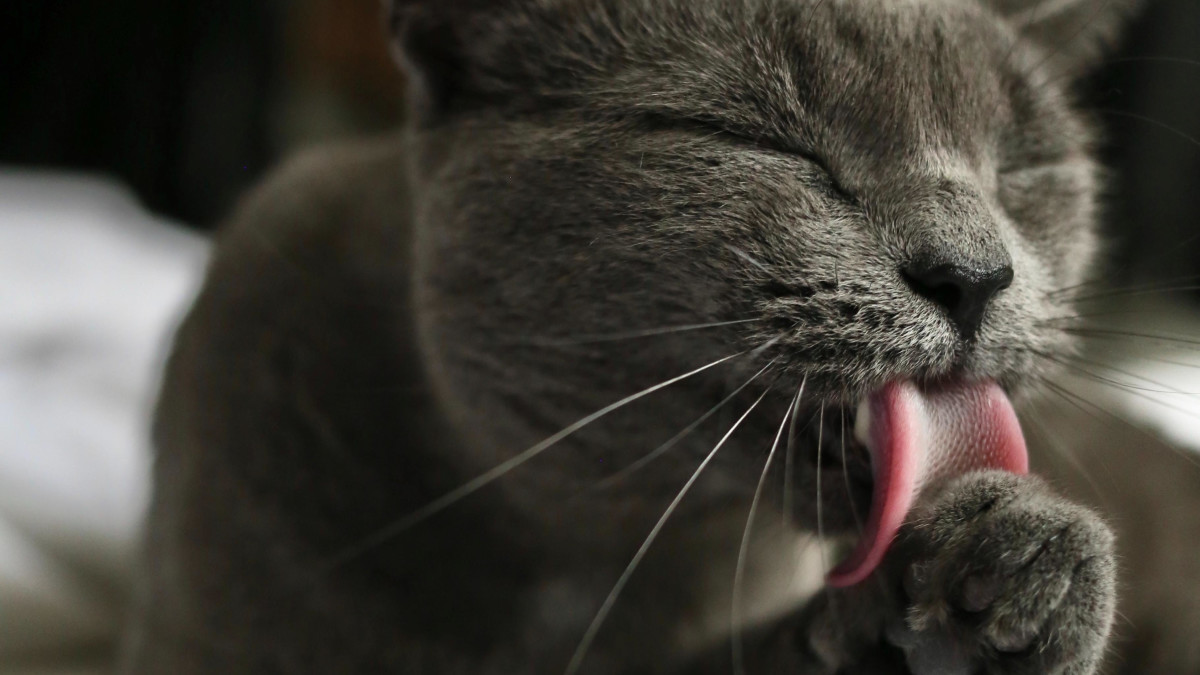
Cats groom themselves to stay clean, regulate their body temperature, and reduce stress. Their rough tongues remove dirt and loose fur, which helps prevent matting and skin problems.
Grooming also releases natural oils that keep their coat shiny and healthy. Have you noticed your cat licking more when they’re anxious or after a stressful event? It’s their way of calming down.
Signs Of Good Grooming Habits
A cat with good grooming habits usually has a smooth, shiny coat without bald patches or mats. Their fur feels soft, and their skin should look healthy without redness or flakes.
Watch for your cat regularly licking their fur and paws, especially after meals or naps. Bright eyes, clean ears, and trimmed nails also show they’re taking good care of themselves.
Common Grooming Challenges
Sometimes cats struggle with grooming, especially if they’re overweight, elderly, or have health issues. You might notice excessive shedding, bald spots, or a greasy coat.
Hairballs and mats can also be signs your cat needs help. If your cat avoids grooming or you see dirt and debris stuck in their fur, it’s time to step in with gentle brushing and care.

Credit: www.newsweek.com
Creating A Grooming Routine
Helping a cat groom itself is easier with a good routine. Cats love cleanliness, but some need a little help. Creating a grooming routine keeps your cat healthy and happy. It also builds trust between you and your pet. A steady routine helps your cat feel safe and relaxed during grooming sessions.
Choosing The Right Tools
Pick tools that fit your cat’s coat type. Use soft brushes for short hair and wide-tooth combs for long fur. Slicker brushes remove loose hair and dirt. Nail clippers designed for cats keep paws neat. Avoid tools that pull or hurt your cat’s skin.
- Soft bristle brush
- Slicker brush
- Wide-tooth comb
- Cat nail clippers
- Grooming wipes
Setting A Grooming Schedule
Choose a regular time for grooming sessions. Try once or twice a week to start. Short sessions work best for shy cats. Increase frequency if your cat has long hair or sheds a lot. Keep sessions consistent so your cat knows what to expect.
Making Grooming Comfortable
Find a quiet, warm place for grooming. Use gentle strokes and calm tones. Stop if your cat shows signs of stress. Offer treats to create a positive experience. Let your cat take breaks and move freely. Patience makes grooming a happy time for both.
Assisting With Difficult Areas
Helping your cat groom those tricky spots can make a big difference in their comfort and health. Some areas are hard for cats to reach or handle on their own, so stepping in gently is key. You’ll build trust and prevent potential health issues by assisting carefully with these difficult areas.
Handling Matted Fur
Matted fur is uncomfortable and can cause skin problems if left untreated. Start by using a wide-toothed comb to gently loosen the mats from the edges.
Hold your cat firmly but gently to keep them calm. If the mats are tight, try applying a little cat-safe detangling spray before combing.
Remember, never pull hard on the fur—it hurts your cat and can make them fearful of grooming. If mats are severe, consider consulting a professional groomer to avoid hurting your pet.
Cleaning Ears And Eyes
Dirty ears and eyes can cause infections and discomfort. Use a soft, damp cloth or a cotton ball moistened with a vet-approved cleaner to wipe away debris.
Check your cat’s ears for redness, foul odor, or excessive wax, which may require a vet visit. Gently wipe around the eyes, especially if you notice crusting or discharge.
Stay calm and speak softly to your cat during cleaning to keep them relaxed. Have treats ready to reward their patience and cooperation.
Trimming Nails Safely
Trimming nails is essential but can be stressful for both you and your cat. Use a pair of sharp, cat-specific nail clippers and only trim the sharp tips.
Look for the quick—the pink area inside the nail—and avoid cutting into it to prevent pain and bleeding. If your cat resists, try trimming just one or two nails at a time over several days.
Holding your cat gently and securely helps prevent sudden movements. After trimming, praise your cat and offer a favorite treat to make the experience positive.
Diet And Hydration Effects
Diet and hydration play a big role in a cat’s grooming habits. A healthy diet gives cats the nutrients needed for shiny fur and soft skin. Hydration helps keep their skin moist and prevents dryness. Both are key to supporting a cat’s natural grooming process.
Nutrition For Healthy Skin And Coat
Good nutrition provides essential fats, vitamins, and proteins. These nutrients build strong hair and healthy skin. Look for cat food that includes:
- Omega-3 and omega-6 fatty acids for shine and softness
- Protein for hair growth and repair
- Vitamins A and E to protect skin cells
Balanced meals reduce shedding and skin irritation. Cats with poor diets may have dull coats and flaky skin.
Importance Of Hydration
Water keeps a cat’s skin hydrated and elastic. Dehydration causes dry, itchy skin and dull fur. Always provide fresh water daily. Wet cat food can also increase water intake. Proper hydration supports smoother grooming and less fur matting.
Supplements That Support Grooming
Supplements can help if diet lacks certain nutrients. Common supplements for grooming include:
- Fish oil for omega-3 fatty acids
- Biotin to strengthen hair and skin
- Zinc to help heal skin irritations
Always consult a vet before adding supplements. They ensure the right dosage and avoid side effects.
When To Seek Veterinary Help
Signs like constant licking, bald patches, or a bad smell suggest a vet visit. Sudden changes in grooming habits or visible pain also need professional care. Early help prevents serious health problems for your cat.
When to Seek Veterinary Help Cats usually groom themselves efficiently. Sometimes, they face challenges that require veterinary help. Watch for signs that indicate your cat might need extra care. Understanding these signs helps maintain your cat’s health.Signs Of Grooming-related Health Issues
Look for bald spots or red, irritated skin. These might indicate allergies or parasites. Cats with dental problems may stop grooming altogether. If your cat is drooling excessively, it may need dental care. Also, a cat that suddenly stops grooming might be in pain. Monitor their behavior closely.Dealing With Overgrooming
Overgrooming can lead to bald patches or skin infections. Stress, anxiety, or allergies often cause overgrooming. Ensure your cat’s environment is stress-free. If overgrooming persists, seek veterinary advice. They may recommend treatments or behavioral interventions.Managing Age-related Grooming Problems
Older cats may struggle with grooming due to arthritis or obesity. They might need assistance with hard-to-reach areas. Regular brushing helps remove excess fur and prevents matting. Consult your vet for advice on pain management or weight loss. This can improve their grooming abilities and overall comfort.)
Credit: www.northroadvet.com.au
Encouraging Positive Grooming Behavior
Encouraging your cat to groom itself positively is key to keeping it healthy and happy. Grooming is not just about cleanliness; it’s a way for your cat to feel comfortable and relaxed. Helping your cat develop good grooming habits takes patience and understanding, but the results are worth it.
Using Treats And Rewards
Using treats is a powerful way to encourage your cat to groom regularly. Whenever you notice your cat grooming itself, offer a small, tasty treat to reinforce that behavior. This makes grooming feel like a positive experience rather than a chore.
Try timing the treats right after grooming sessions to strengthen the connection. You can also use rewards during brushing or cleaning to help your cat associate grooming with something enjoyable. Have you noticed how some cats become more motivated when they expect a reward?
Creating A Calm Environment
Stress can stop your cat from grooming properly. Make sure the space where your cat spends most of its time is quiet and free from sudden noises or disturbances. A calm environment helps your cat relax and focus on grooming itself.
Consider soft lighting and comfortable resting spots to keep your cat at ease. You might also try playing gentle music or using pheromone diffusers to create a soothing atmosphere. Do you know where your cat feels safest in your home?
Building Trust During Grooming
Building trust is the foundation for encouraging grooming behavior. Spend time gently petting and talking to your cat, so it feels secure around you. Trust makes your cat more willing to groom itself and accept your help when needed.
Be patient and watch your cat’s body language to avoid pushing it too far too fast. Trust grows through consistent, positive interactions. Have you noticed how your cat’s grooming changes when it feels safe and loved?
Frequently Asked Questions
How Can I Encourage My Cat To Groom Itself?
Provide a calm environment and regular brushing sessions. Cats groom more when they feel safe and relaxed. Offer praise or gentle petting after grooming to reinforce positive behavior.
What Tools Help Cats Groom Better At Home?
Use a soft-bristle brush or grooming glove. These tools remove loose fur and dirt gently. They also help stimulate your cat’s skin and reduce hairballs.
When Should I Help My Cat Groom?
Assist grooming if your cat is elderly, overweight, or sick. These cats may struggle to reach certain areas. Regular help prevents mats, dirt buildup, and skin problems.
How Do I Prevent Grooming-related Skin Issues?
Regularly check for redness, bumps, or bald spots. Keep your cat’s coat clean and dry. Consult a vet if skin problems persist after grooming.
Conclusion
Helping a cat groom itself keeps it clean and healthy. Regular brushing removes loose fur and prevents mats. Offering fresh water supports good skin and coat. Watching your cat’s grooming habits can reveal health issues early. Gentle care strengthens your bond with your pet.
Simple steps create a happy, well-groomed cat. Keep these tips in mind for your cat’s comfort. Small efforts bring big benefits to your feline friend.

Leave a Reply