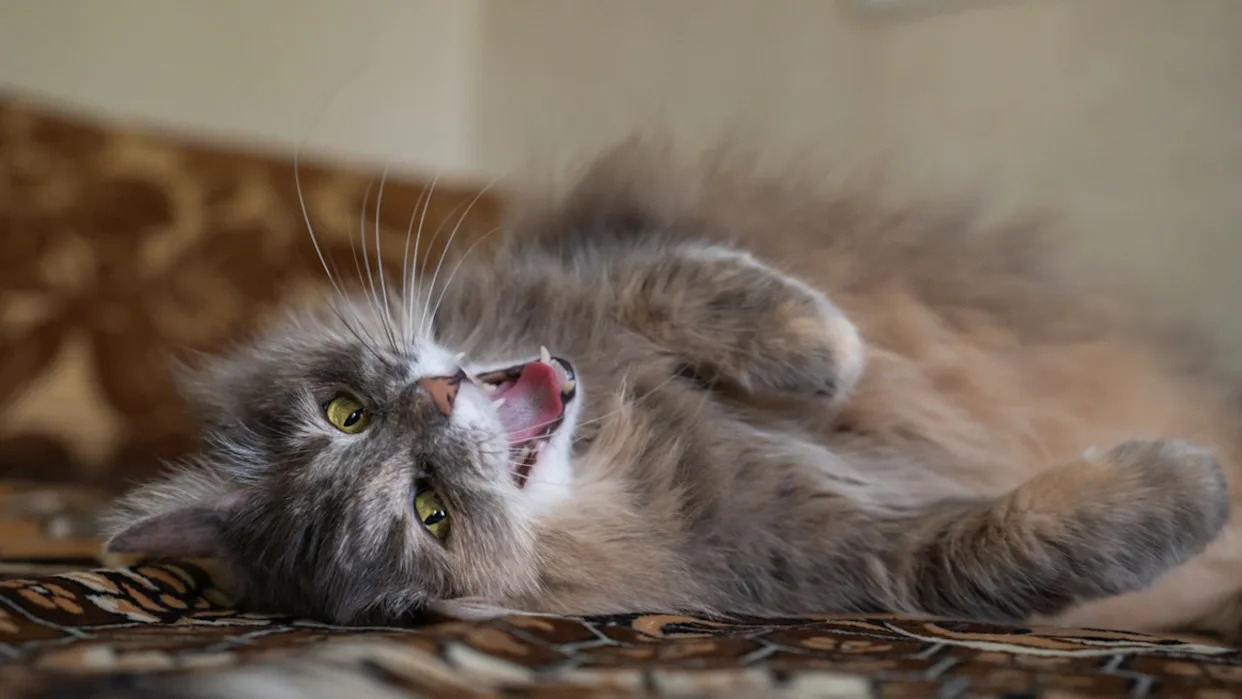
Have you ever heard your cat make a sound that’s more like a chirp than a meow? It’s a curious noise that can catch you off guard and make you wonder what it means.
If you’re curious about which cat breeds chirp and why they do it, you’re in the right place. Understanding this unique behavior can help you connect with your feline friend on a deeper level. Keep reading, and you’ll discover the secrets behind those charming chirps and what they reveal about your cat’s personality.
Credit: catcuddlezone.com
Chirping In Cats
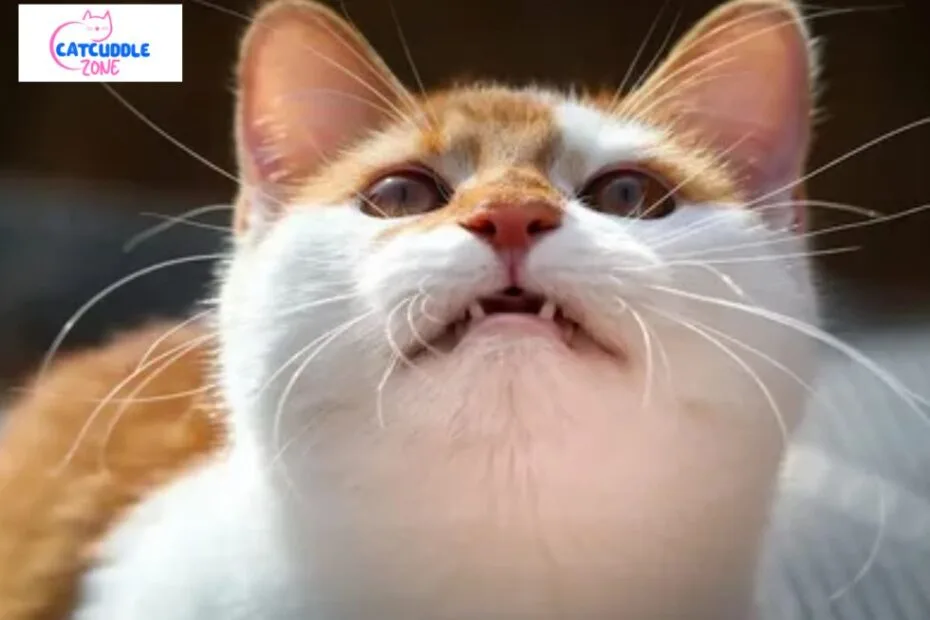
Chirping is a unique sound some cats make. It is different from the usual meow or purr. Many cat owners notice this sound when their pets see birds or squirrels outside. Chirping shows a cat’s excitement or curiosity. It is a soft, high-pitched noise that can be quite charming.
What Causes Chirping
Chirping often happens when cats spot prey animals. Their instincts kick in, creating this sound. It may also show frustration or excitement. Cats might chirp to communicate their interest or alertness. This noise can help cats focus on hunting or watching closely. It is a natural behavior linked to their wild ancestors.
Differences Between Chirping And Meowing
Meowing is a common way cats talk to humans. It is louder and clearer than chirping. Cats meow to ask for food, attention, or help. Chirping, however, is usually quieter and shorter. It happens mostly during hunting or play. While meowing is a call for interaction, chirping expresses excitement or curiosity.
Most Vocal Cat Breeds
Cats communicate in many ways, but some breeds are known for their vocal nature. These cats use chirps, meows, and trills to express themselves. Their voices can be soft and sweet or loud and persistent. Understanding these breeds helps cat lovers enjoy their unique sounds and interactions.
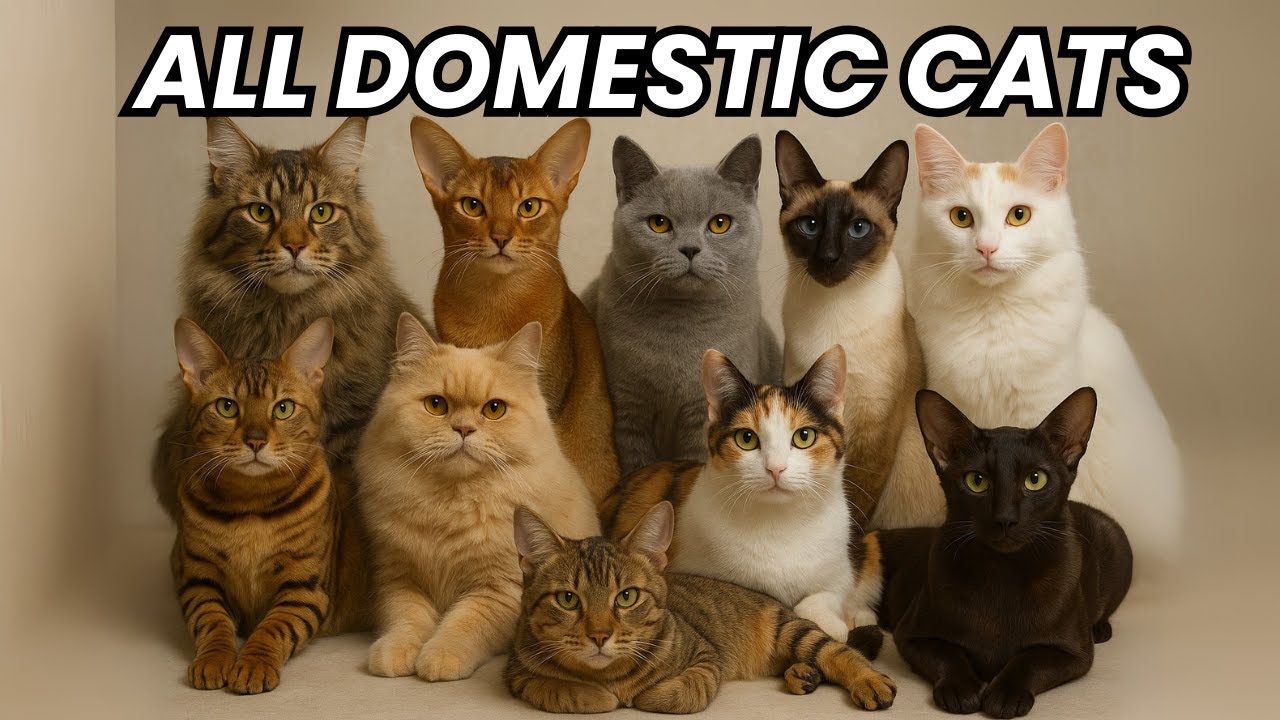
Siamese Cats
Siamese cats are famous for their loud, clear voices. They chirp and meow often to get attention. These cats are social and want to talk to their owners. Their vocal nature makes them easy to understand and connect with.
Bengal Cats
Bengals have a wide range of sounds, including chirps and trills. They are playful and use their voices to express excitement. Bengals often chirp when watching birds or toys. Their vocal skills show their lively personality.
Oriental Shorthairs
Oriental Shorthairs are talkative cats with a strong chirping habit. They enjoy chatting and often start conversations with their owners. Their voices can be sharp and clear, making them very expressive.
Maine Coons
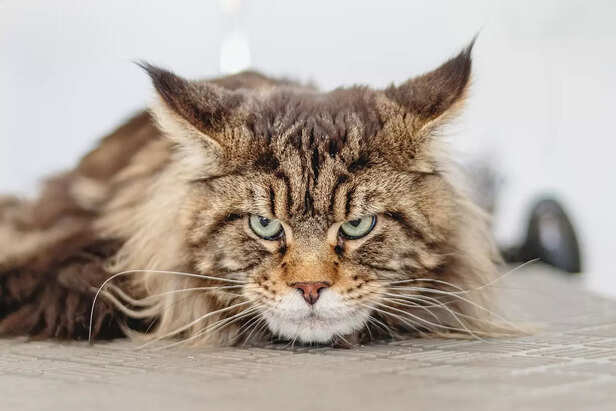
Maine Coons use chirps and trills instead of loud meows. They have a soft, friendly voice that suits their gentle nature. These cats often chirp to greet family members or ask for attention.
Abyssinians
Abyssinians are curious and vocal cats. They chirp to communicate their needs or excitement. Their sounds are usually soft but frequent. Abyssinians use chirps to stay connected with people around them.
Why Some Cats Chirp More
Have you ever noticed your cat making soft chirping sounds and wondered why some cats seem to do this more often than others? Chirping is a unique form of communication that can tell you a lot about your feline friend’s breed, personality, and surroundings. Understanding why some cats chirp more can deepen your connection and help you respond better to their needs.
Breed Traits
Certain cat breeds are naturally more vocal and expressive, which often includes chirping. For example, Siamese cats and Abyssinians are known for their wide range of sounds, including chirps and trills. These breeds have been selectively bred for communication, making them more likely to chirp when they see birds or want your attention.
On the other hand, some breeds like the Persian tend to be quieter and less prone to making chirping noises. If your cat is a mix, you might notice chirping traits influenced by the vocal tendencies of its breed ancestors.
Personality And Temperament
Personality plays a big role in how often your cat chirps. Some cats are naturally curious and excitable, which leads to more chirping as they react to stimuli like birds outside the window or new toys. Others might be more reserved, preferring silence over vocalizing their thoughts.
Think about your cat’s temperament: Does your cat chirp when they’re happy or excited? Or maybe they only chirp when trying to get your attention. Knowing these patterns helps you understand your cat’s unique way of communicating.
Environmental Factors
The environment your cat lives in can influence how much they chirp. Cats with access to windows where they can watch birds or squirrels often chirp more as a form of hunting excitement. If your cat is indoors most of the time without much stimulation, they might chirp less.
Changes in your cat’s environment, like new pets, moving homes, or even changes in your daily routine, can also affect their vocal behavior. Have you noticed your cat chirping more after you got a bird feeder outside? This simple change can spark a lot of chirping and interaction.
Credit: timespets.com
How To Respond To Chirping
Understanding how to respond to your cat’s chirping can deepen your bond and improve communication. Chirping is often a sign that your cat is trying to tell you something important. Paying attention and reacting thoughtfully can make your feline friend feel heard and safe.
Recognizing Needs
Chirping often signals curiosity or excitement, but it can also indicate a need for attention or food. Watch your cat’s body language alongside the chirp—are they focused on a bird outside or looking at you expectantly? This helps you figure out if they want playtime, a treat, or just some company.
I noticed my cat chirping intensely whenever a bird landed near the window. Instead of ignoring it, I opened the blinds and sat with her. This simple action made her feel connected and less anxious.
Encouraging Communication
Respond to chirps with gentle words or soft noises to show you’re paying attention. You can mimic the chirp or talk back in a soothing tone to encourage your cat to keep communicating. Offering interactive toys or engaging in play right after can reinforce positive interaction.
Try rewarding chirping with a treat or petting to help your cat associate the sound with positive outcomes. This can make your cat more likely to express themselves openly and reduce frustration.
When To Seek Veterinary Advice
If your cat’s chirping becomes excessive or changes suddenly, it might signal discomfort or stress. Pay attention if the chirping is accompanied by other symptoms like lethargy, loss of appetite, or hiding. In these cases, a vet visit is important to rule out health issues.
Have you ever noticed a change in your cat’s vocal patterns that worried you? Trust your instincts and consult a professional if something feels off. Early action can prevent bigger problems and keep your cat happy and healthy.
Other Vocalizations In Cats
Certain cat breeds, like Siamese and Bengal, often chirp to communicate excitement or curiosity. This unique sound adds charm to their vocal expressions.
Cats communicate in various ways, each sound carrying different meanings. While chirping is popular, cats have other unique vocalizations. These sounds express their emotions and needs.Trilling And Purring
Trilling is a sweet, musical sound. Cats use it to greet humans and other cats. It shows happiness and affection. This sound is common in breeds like Maine Coons and Siamese. Purring is another soothing sound. Cats purr when relaxed or content. Some cats purr when anxious or in pain. It’s their way of self-soothing.Chattering And Yowling
Chattering often occurs when cats watch birds or squirrels. It’s a mix of clicks and chirps. It shows excitement or frustration. Some experts think it mimics prey sounds. Yowling is louder and more intense. Cats yowl when in distress or seeking attention. It’s frequent in unspayed or unneutered cats during mating season. Understanding these sounds helps in better pet care.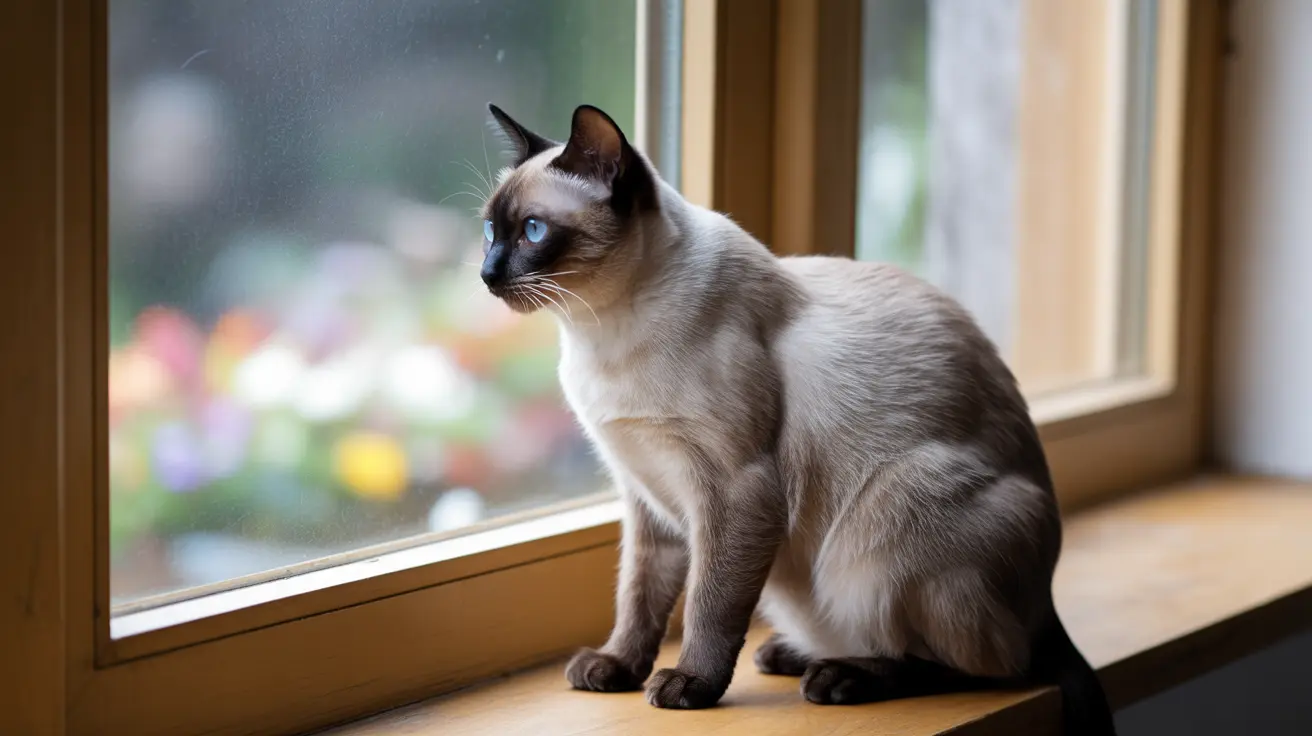
Credit: www.petscare.com
Frequently Asked Questions
Which Cat Breeds Are Known To Chirp Often?
Breeds like Siamese, Bengal, and Abyssinian are famous for chirping. They use chirps to communicate excitement or alertness. These vocalizations are part of their unique personality traits and social behavior.
Why Do Some Cats Chirp Instead Of Meow?
Cats chirp to express curiosity or when spotting prey. This sound shows interest or excitement rather than a typical meow. Chirping is a natural, instinctive behavior, especially in active or hunting breeds.
Is Chirping Common In Domestic Cats?
Yes, many domestic cats chirp, especially when watching birds. It’s a form of communication and instinctual hunting behavior. Owners often notice chirping during play or outdoor observation sessions.
How Can I Encourage My Cat To Chirp More?
Engage your cat with toys that mimic prey movements. Watching birds or small animals often triggers chirping. Positive interaction and stimulation encourage your cat’s natural vocal expressions.
Conclusion
Cats chirp to show excitement or curiosity. Some breeds chirp more often than others. This unique sound helps them communicate with humans and other animals. Understanding why cats chirp can bring you closer to your pet. Enjoy these special moments when your cat shares its voice.
Every chirp tells a story worth listening to. Keep paying attention to your cat’s sounds. It’s a simple way to know how they feel. Caring for your cat means hearing all their little talks.


Leave a Reply