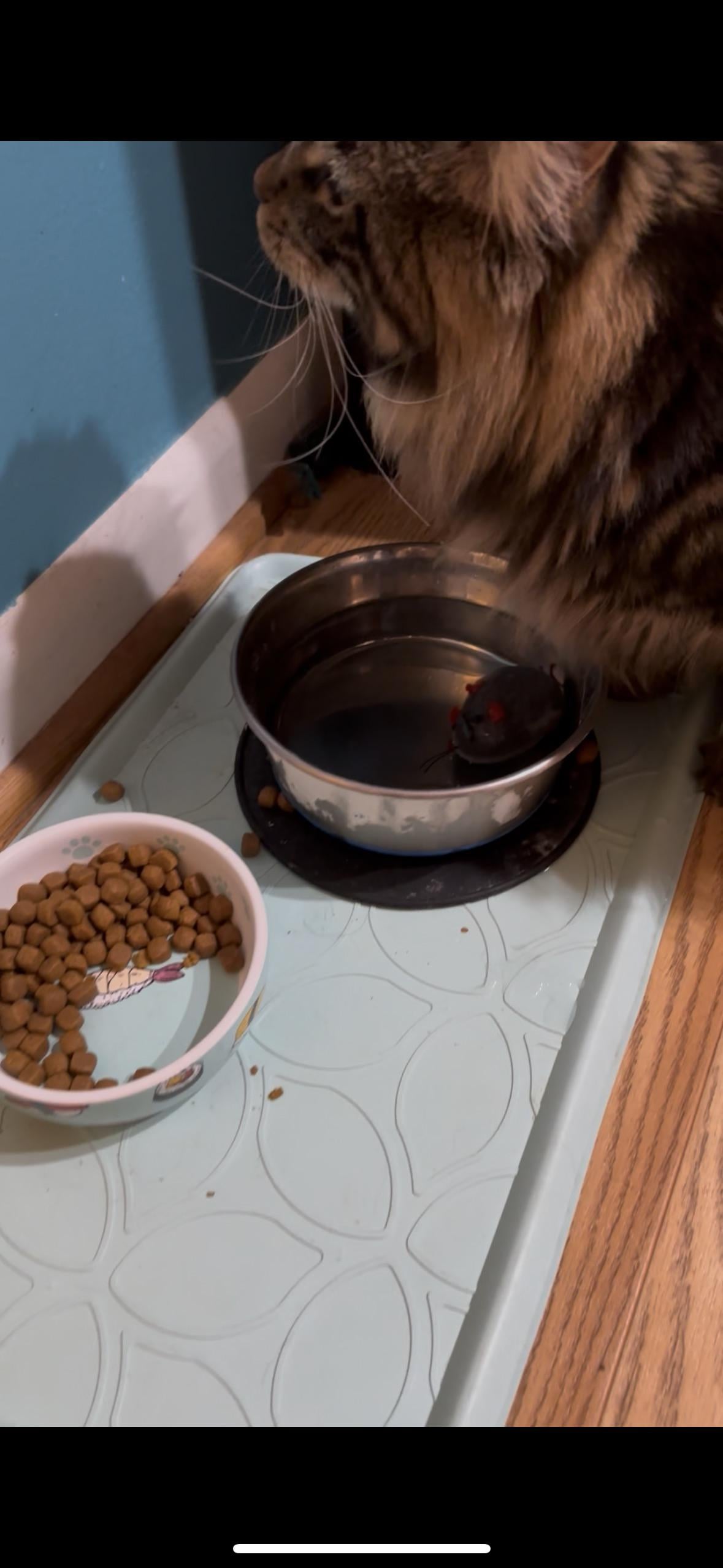
Have you ever caught your cat dipping his toys into water and wondered why he does it? It might seem strange or even a little messy, but there’s actually a fascinating reason behind this quirky behavior.
Understanding why your cat soaks his toys in water can help you connect with him better and keep him happy. Keep reading to discover the surprising truths about this habit and what it means for your furry friend.

Credit: www.reddit.com
Cat Toy Soaking Behavior
Cats often show strange behaviors that puzzle their owners. One such behavior is soaking their toys in water. This odd habit has many reasons rooted in a cat’s natural instincts and play habits. Understanding this behavior can help owners connect better with their pets.
Common Actions Cats Take With Toys
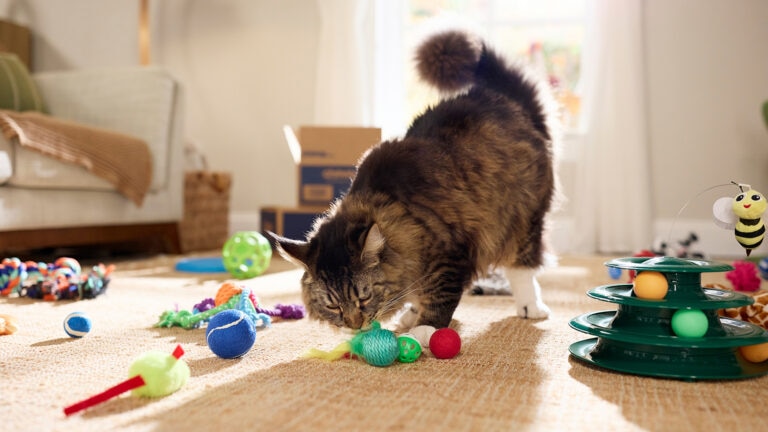
Cats use toys to mimic hunting actions. They bite, bat, and carry toys in their mouths. Some cats toss toys in the air or hide them. Others drag toys around the house. Soaking toys in water is another way cats interact with their playthings.
- Biting and shaking toys to simulate prey
- Hiding toys in secret spots
- Carrying toys to a safe place
- Batting toys with paws for fun
- Soaking toys to change their texture
How Cats Interact With Water
Cats are curious about water despite many disliking baths. They may play with dripping taps or puddles. Water changes the feel and scent of objects. Soaking toys may make them more interesting or lifelike to cats. This behavior can also satisfy a cat’s need to explore.
- Swatting water drops with paws
- Drinking from running taps
- Dipping paws into water bowls
- Soaking toys to explore new sensations
- Using water to mimic hunting wet prey
Instinctive Hunting Traits
Cats carry ancient hunting instincts that influence many of their behaviors, even during play. Soaking toys in water might seem strange at first, but it’s deeply tied to how your cat views and interacts with their “prey.” Understanding these instincts can help you connect better with your feline friend and appreciate their unique way of playing.
Simulating Prey Capture
Your cat’s behavior of dipping toys in water mimics how wild cats handle prey. In nature, cats often submerge their catch to drown it or make it easier to eat. This action helps your pet recreate the feeling of hunting and controlling prey, making playtime more satisfying and natural.
Have you noticed how your cat paws at water or carries wet toys around? This is part of their instinct to “finish the hunt.” It’s not just random; it’s a way for them to engage their brain and body in a familiar, survival-based activity.
Storing Food Behavior In Cats
Some cats soak their toys as if they’re preparing to “store” their food. In the wild, cats sometimes hide or protect their catch by placing it in water to keep it fresh or safe from other predators. This behavior can translate into your cat’s play, especially if they treat their toys like prized possessions.
Think about your cat’s favorite toy. Does it often disappear or get moved near water bowls or sinks? This could be their way of “stashing” it in a place they consider secure. By recognizing this, you can better understand why your cat might favor watery spots for play and toy storage.
Attention-seeking Moves
Sometimes, your cat’s odd behavior, like soaking toys in water, is more than just a quirky habit. It can be a clever way to grab your attention. Cats quickly learn what gets a reaction from you and use those actions to communicate their needs or simply to be noticed.
How Cats Get Your Focus
Cats are masters at using different behaviors to catch your eye. They might meow loudly, paw at you, or bring you unusual “gifts.” Soaking their toys in water is another way to interrupt your routine and make sure you look their way.
Have you noticed your cat doing this right when you’re busy? This timing is no accident. Your cat understands that this odd behavior will make you stop and engage, even if just for a moment.
Water As A Tool For Attention
Water is interesting and unusual for cats to use with their toys. By wetting their playthings, they add a new sensory element that often surprises their owners. This can prompt you to react with curiosity or concern, giving your cat the attention it craves.
This behavior might also be your cat’s way of asking for playtime or interaction. If your cat feels ignored, soaking a favorite toy can be a loud, non-verbal signal saying, “Hey, look at me!”
Next time you catch your cat dunking a toy in water, ask yourself: What reaction am I giving? Could this be your cat’s clever call for more of your time and affection?
Credit: www.chewy.com
Sensory Exploration
Cats experience the world through their senses in ways that often surprise us. When your cat soaks his toys in water, it’s not just a quirky habit—it’s part of how he explores and understands his environment. Sensory exploration helps cats gather information, satisfy their curiosity, and stay mentally stimulated.
Why Cats Like Wet Textures
Cats are naturally curious about different textures, and water adds a new dimension to their play. Wet toys feel different from dry ones, providing a unique tactile experience that can excite your cat’s senses.
Some cats enjoy the cool, slippery sensation of water on their paws and fur. This interaction can mimic natural behaviors like hunting near water or playing with moving prey.
Have you noticed your cat pawing at water bowls or dripping faucets? This shows their fascination with wet surfaces and how they use touch to explore.
Playing With Different Sensory Inputs
Introducing water to your cat’s toys adds variety to their playtime. It engages multiple senses at once—touch, sight, and sometimes even smell—which keeps your cat mentally sharp.
Offering toys with varying textures and moisture levels can prevent boredom and encourage active play. You might see your cat pawing, biting, or even carrying soaked toys around the house.
Try experimenting by gently dipping toys in water during play sessions. Watch how your cat reacts and adapts—this can reveal preferences you never knew existed.
Environmental Influences
Cats have intriguing behaviors that often puzzle their owners. One such behavior is soaking toys in water. Environmental influences play a significant role in shaping this habit. Understanding these influences can help in addressing and managing this behavior effectively.
Role Of Home Setup And Water Availability
Cats are curious creatures that explore their surroundings constantly. The layout of your home might affect where your cat plays. If water bowls are easily accessible, your cat might drop toys in them out of curiosity. Some cats enjoy the sound and texture of water. This makes water bowls an attractive play spot.
Ensure that your home has varied play areas. This keeps your cat entertained and less focused on water bowls.
Impact Of Stress Or Boredom
Boredom can lead cats to develop unusual habits. A lack of stimulation might push your cat to find novel ways to play. Toys in water could be a way to alleviate boredom. Stress can also cause behavioral changes. A new pet or routine change might stress your cat.
Provide engaging toys and interactive playtime. This can reduce stress and boredom. Rotate toys regularly to maintain interest. A stimulating environment keeps your cat happy and less likely to soak toys.
Health-related Causes
If you notice your cat soaking his toys in water, it might not just be a quirky habit. Sometimes, this behavior hints at underlying health issues that deserve your attention. Understanding these health-related causes can help you take timely action and ensure your furry friend stays happy and healthy.
Possible Medical Reasons
Cats often use water to soften or clean their toys, but excessive soaking can signal discomfort or pain. Dental problems, like tooth decay or gum disease, may make chewing painful, prompting your cat to dip toys in water to ease the sensation.
Another medical cause could be nausea or stomach discomfort. Cats sometimes use water as a soothing tool when feeling queasy. Additionally, neurological issues or cognitive dysfunction might lead to repetitive behaviors such as soaking toys.
Have you noticed other changes in your cat’s behavior, like decreased appetite or lethargy? These signs combined with toy-soaking might point toward an underlying illness that needs veterinary assessment.
When To Consult A Veterinarian
If your cat’s toy-soaking is new, frequent, or paired with other symptoms, it’s time to seek professional advice. A vet can perform a thorough exam, including dental checks and neurological assessments, to identify potential problems.
Don’t wait if your cat shows signs of pain, drooling, or difficulty eating. Early diagnosis can prevent complications and improve your cat’s quality of life.
Keeping a journal of your cat’s behavior changes can help your vet understand the situation better. Have you observed any patterns around when your cat soaks his toys or any triggers? Share these details during your visit to get the best care possible.
Tips To Manage Toy Soaking
Managing your cat’s habit of soaking toys in water helps keep your home dry and your cat happy. This behavior often stems from natural instincts or simple curiosity. Understanding how to guide your cat’s actions can reduce mess and stress.
Redirecting Behavior
Gently guide your cat away from the water source when you see toy soaking. Offer a dry toy or a different object to play with instead. Use positive reinforcement like soft praise or treats when your cat chooses the dry toy. Avoid harsh scolding, which may confuse or scare your cat.
Providing Alternative Activities
Keep your cat busy with engaging toys that do not involve water. Puzzle feeders and interactive toys stimulate your cat’s mind and reduce boredom. Create playtime routines to channel your cat’s energy positively. Rotate toys regularly to maintain interest and prevent repetitive behavior.

Credit: www.reddit.com
Frequently Asked Questions
Why Does My Cat Dunk Toys In Water?
Cats may dunk toys in water to mimic hunting behavior. It simulates catching prey and soaking it before eating. This instinct helps cats feel entertained and mentally stimulated.
Is Soaking Toys A Sign Of Cat Stress?
Soaking toys is usually not a stress sign. It often shows playfulness or curiosity. However, if combined with other unusual behaviors, consult a vet.
Can Wet Toys Damage My Cat’s Health?
Wet toys generally don’t harm cats if cleaned regularly. Moisture can breed bacteria, so wash toys often to keep them safe and hygienic.
Do All Cats Soak Their Toys In Water?
Not all cats soak toys, but many do. It depends on personality, instincts, and environmental factors. Each cat has unique play habits.
Conclusion
Cats soaking their toys in water shows their natural curiosity and play style. This behavior helps them explore textures and smells in new ways. It also reminds them of hunting and catching prey. Watching your cat do this can be quite amusing and tells you about their instincts.
Understanding this habit helps you connect better with your furry friend. Keep providing fresh water and safe toys for your cat’s fun and health. Every cat is unique, and their actions make them special. Enjoy these little quirks—they make your cat who they are.

Leave a Reply