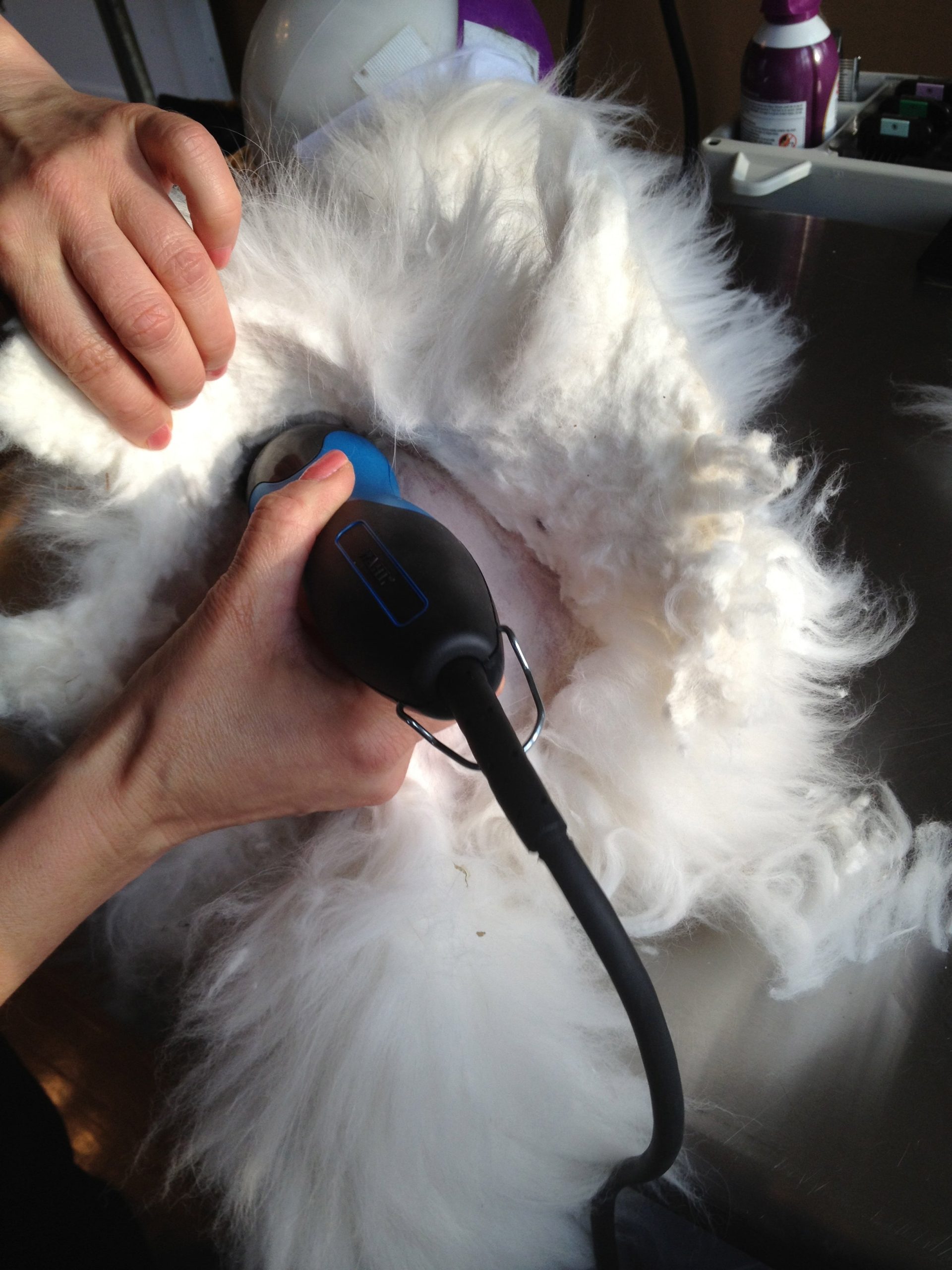
Are you struggling with your cat’s thick, heavy fur and wondering if there’s a way to make it thinner and more manageable? You’re not alone.
Many cat owners ask if grooming can actually help reduce the volume of their pet’s hair. Imagine a smoother coat that’s easier to care for and keeps your home cleaner. But can grooming really make your cat’s hair thinner, or is it just a myth?
Keep reading to find out the truth and learn practical tips that could transform your cat’s grooming routine for the better.
Cat Hair Growth Basics
Understanding how cat hair grows is key to managing your pet’s coat and answering whether grooming can actually thin their hair. Hair growth in cats isn’t just about length; it involves different types of hair, cycles of shedding, and various factors that influence thickness. Knowing these basics will help you make informed decisions about grooming and coat care.
Hair Types In Cats
Cats have several types of hair that make up their coat, each serving a unique purpose. The primary types include:
- Guard hairs:These are the longer, coarser hairs that protect the cat from dirt and moisture.
- Undercoat:This soft, dense layer provides insulation and keeps your cat warm.
- Whiskers and tactile hairs:Specialized hairs that help cats sense their environment.
The balance of these hair types varies by breed and season, affecting how thick your cat’s coat appears. Have you noticed some cats with fluffier coats than others? That’s because their undercoat is denser.
Factors Affecting Hair Thickness
Several things influence how thick your cat’s hair grows. Genetics play a big role, but so do health, diet, and environment. Stress or illness can cause sudden thinning or patchy fur.
Seasonal changes also impact hair density. Cats tend to grow a thicker coat in winter and shed it in spring. If your cat’s hair seems thinner than usual, it might be worth checking their overall health or consulting a vet.
Shedding Cycles Explained
Shedding is a natural process where old hairs fall out to make room for new growth. Cats go through cycles of growth, rest, and shedding, which vary by breed and season.
During shedding periods, you might see loose fur everywhere—on furniture, clothes, and your cat’s bedding. Regular grooming can help manage this loose hair but won’t permanently thin the coat. Instead, it keeps your cat comfortable and reduces hairballs.
Have you experienced a sudden increase in shedding after grooming? It’s normal because grooming removes dead hair, revealing fresh growth underneath.
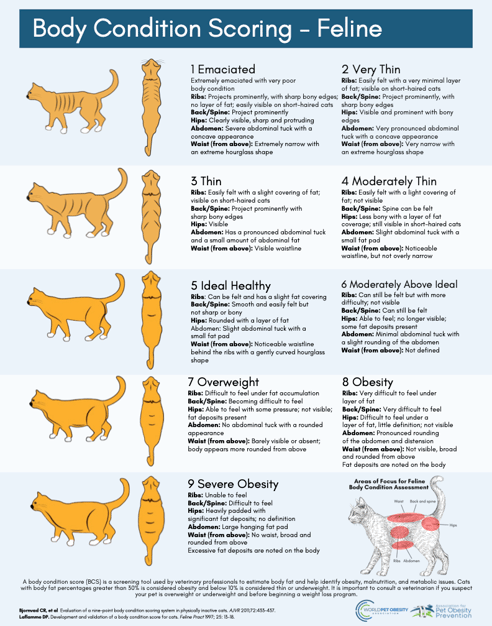
Credit: www.preventivevet.com
Grooming Techniques To Manage Hair
Managing your cat’s hair through grooming can make a big difference in how much shedding you deal with and how healthy your cat’s coat looks. Proper grooming doesn’t just keep your home cleaner—it helps your cat feel comfortable and can even reduce hair thickness over time. Let’s look at effective grooming techniques that you can try at home to keep your cat’s fur in check.
Brushing Methods For Thinning Fur
Regular brushing removes loose hair before it falls around your house. Use gentle strokes to avoid irritating your cat’s skin, especially if the fur is thick or dense.
Try brushing in the direction of hair growth to minimize discomfort. For cats with particularly thick coats, shorter and more frequent sessions work better than long, intense ones.
Have you noticed certain areas where your cat sheds more? Focus on those spots to help reduce overall hair bulk efficiently.
Tools That Help Reduce Hair Bulk
Choosing the right tools is key to managing your cat’s hair volume. A slicker brush helps detangle and remove loose hair without pulling too hard.
De-shedding tools, like the Furminator, are designed to reach the undercoat and remove dead hair effectively. However, use them sparingly to avoid over-thinning your cat’s coat.
- Wide-toothed combs work well for cats with long fur to prevent matting.
- Rubber grooming gloves can gently collect loose hair while stroking your cat.
Think about your cat’s coat type before picking tools—what works for a short-haired breed might not suit a long-haired one.
Bathing Tips To Maintain Coat Health
Bathing your cat occasionally helps keep the fur clean and reduces excess oils that can make hair look thick and matted. Use a cat-specific shampoo that supports skin and coat health.
Make sure the water is warm and the environment calm to prevent stress. After the bath, dry your cat thoroughly but gently to avoid skin irritation.
Have you tried combining bathing with brushing? This combo can improve coat texture and make hair more manageable over time.
Diet And Supplements For Coat Health
What your cat eats plays a big role in the health and appearance of their coat. A well-balanced diet can help manage shedding and keep fur soft and shiny. Along with the right foods, certain supplements can provide extra support for your cat’s skin and hair quality.
Nutrients That Influence Hair Quality
Proteins are the building blocks of your cat’s fur. Without enough protein, their coat can become dull and thin.
Omega-3 and omega-6 fatty acids help reduce inflammation and promote a glossy coat. Vitamins like A, E, and B-complex support skin health and hair growth.
Don’t forget minerals such as zinc and biotin, which are essential for maintaining strong hair follicles.
Best Foods For Healthy Fur
High-quality wet or dry cat food rich in animal protein is a great foundation.
- Salmon and other fatty fish provide natural omega-3 fatty acids.
- Eggs offer excellent protein and biotin.
- Chicken and turkey deliver essential amino acids.
Have you noticed how your cat’s coat changes with different diets? Sometimes even small tweaks can make a big difference.
Supplements That Support Shedding Control
Supplements can target specific needs that food alone might not cover.
- Fish oil capsules are a common choice for boosting omega fatty acids.
- Biotin supplements help strengthen hair and reduce breakage.
- Probiotics improve digestion, which can indirectly affect coat health.
Before adding any supplement, check with your vet. What works for one cat might not be right for another.

Credit: www.fancypantscatgrooming.com
Professional Grooming Insights
Professional groomers bring a wealth of knowledge and experience when it comes to managing your cat’s coat, especially if you’re considering thinning their hair. Their expertise goes beyond simple brushing; they understand the nuances of different breeds, coat types, and the health implications of grooming. Partnering with a professional can ensure your cat’s grooming is safe, effective, and comfortable.
When To Seek Expert Groomers
Not all cats need professional grooming, but certain situations clearly call for it. If your cat’s fur is extremely thick, matted, or shedding excessively, an expert can safely thin the coat without causing stress or injury.
Also, if your cat has skin sensitivities or health issues, professional groomers can identify problem areas that you might miss. Have you noticed your cat scratching more than usual? It could be a sign to get expert advice before attempting any grooming at home.
Advanced Grooming Techniques
Professional groomers use specialized tools like thinning shears and de-shedding blades that are not typically found in home grooming kits. These tools allow for controlled thinning that reduces bulk while maintaining coat health.
They also apply techniques such as sectioning the fur and working in layers, which helps prevent uneven cuts. Experienced groomers know how to adjust their approach based on the cat’s behavior and coat type, ensuring a stress-free experience.
Avoiding Common Grooming Mistakes
Many cat owners unintentionally cause damage by over-brushing or using the wrong tools. Professional groomers warn against shaving too close to the skin, as it can lead to irritation or sunburn.
Another frequent mistake is trying to thin the fur when the coat is dirty or tangled; this can cause pain and worsen matting. Have you ever felt unsure whether your grooming efforts are helping or harming your cat? Consulting a pro can give you clarity and confidence.
Health Considerations In Hair Thinning
When considering thinning your cat’s hair, it’s crucial to understand the health implications. Cats, with their luxurious coats, often require more than a simple brush or trim. Health concerns can arise if grooming isn’t done with proper care, making it vital to know when thinning might be beneficial or harmful.
Medical Conditions Affecting Fur Density
Certain medical conditions can impact a cat’s fur density. Hormonal imbalances, such as hypothyroidism or hyperthyroidism, can lead to thinning fur or excessive shedding. Allergies and parasites like fleas or mites can also cause hair loss, making it important to identify any underlying health issues.
Have you ever noticed bald patches on your feline friend? This might be a sign of a medical condition. Addressing these concerns early can prevent long-term damage to their coat and overall health.
Signs Of Skin Or Coat Problems
Understanding the signs of skin or coat problems is essential for any cat owner. Look for symptoms like redness, bumps, excessive dandruff, or sores. If your cat is scratching more than usual, it might indicate an irritation or allergic reaction.
Frequent grooming and observation can help you catch these signs early. It’s not just about aesthetics—your cat’s comfort and health are at stake.
Consulting A Veterinarian
Before making any decisions about thinning your cat’s hair, consulting a veterinarian is crucial. A vet can provide insights into whether hair thinning is necessary and safe for your cat. They can also recommend specific grooming techniques or products that are gentle on your pet’s skin.
Regular vet visits can prevent potential issues from escalating. Have you considered discussing your grooming routine with your vet during the next check-up?
By being attentive to your cat’s health and consulting professionals, you can ensure that grooming enhances your pet’s well-being rather than causing harm.

Credit: www.doppelherz.com
Frequently Asked Questions
Can Grooming Reduce A Cat’s Hair Thickness?
Grooming helps remove loose hair but does not thin a cat’s hair. It improves coat health and reduces shedding. Regular brushing prevents mats and keeps the fur shiny. However, grooming cannot change natural hair thickness or texture.
How Often Should Cats Be Groomed To Manage Shedding?
Cats should be groomed at least once a week to manage shedding. Long-haired breeds may need daily brushing. Regular grooming removes loose fur and reduces hairballs. It also promotes healthy skin and a clean coat.
Does Shaving A Cat Thin Its Hair Permanently?
Shaving a cat does not permanently thin its hair. Hair will regrow with the same thickness and texture. Shaving can protect cats in extreme heat but is not a solution for hair thinning. Always consult a vet before shaving.
Can Diet Affect A Cat’s Hair Thickness?
Yes, a balanced diet rich in omega fatty acids improves hair health. Proper nutrition helps maintain a strong, shiny coat. Poor diet can cause hair thinning or dullness. Consult a vet for dietary advice to support healthy fur.
Conclusion
Cats can benefit from regular grooming to keep their fur healthy. Grooming helps remove loose hair and reduces shedding naturally. It does not make the hair thinner but keeps the coat clean and smooth. Using the right tools and gentle techniques is important.
Always be patient and calm during grooming sessions. This care supports your cat’s comfort and well-being every day. Regular grooming also helps spot skin problems early. Remember, a happy cat has a healthy, well-maintained coat.




Leave a Reply