Have you ever wondered if your cat really needs grooming? You might think cats take care of themselves, but the truth is, your furry friend could benefit more than you realize.
Proper grooming isn’t just about keeping your cat looking good—it plays a big role in their health and happiness. If you want to make sure your cat stays comfortable, clean, and free from common problems, keep reading. This guide will help you understand why grooming matters and how you can easily fit it into your routine.
Why Grooming Matters
Grooming is more than just keeping your cat clean. It plays a key role in their health and happiness. Regular grooming helps maintain a shiny coat and healthy skin. It also reduces risks of common health problems. Grooming time can create a strong bond between you and your cat.
Benefits For Coat And Skin
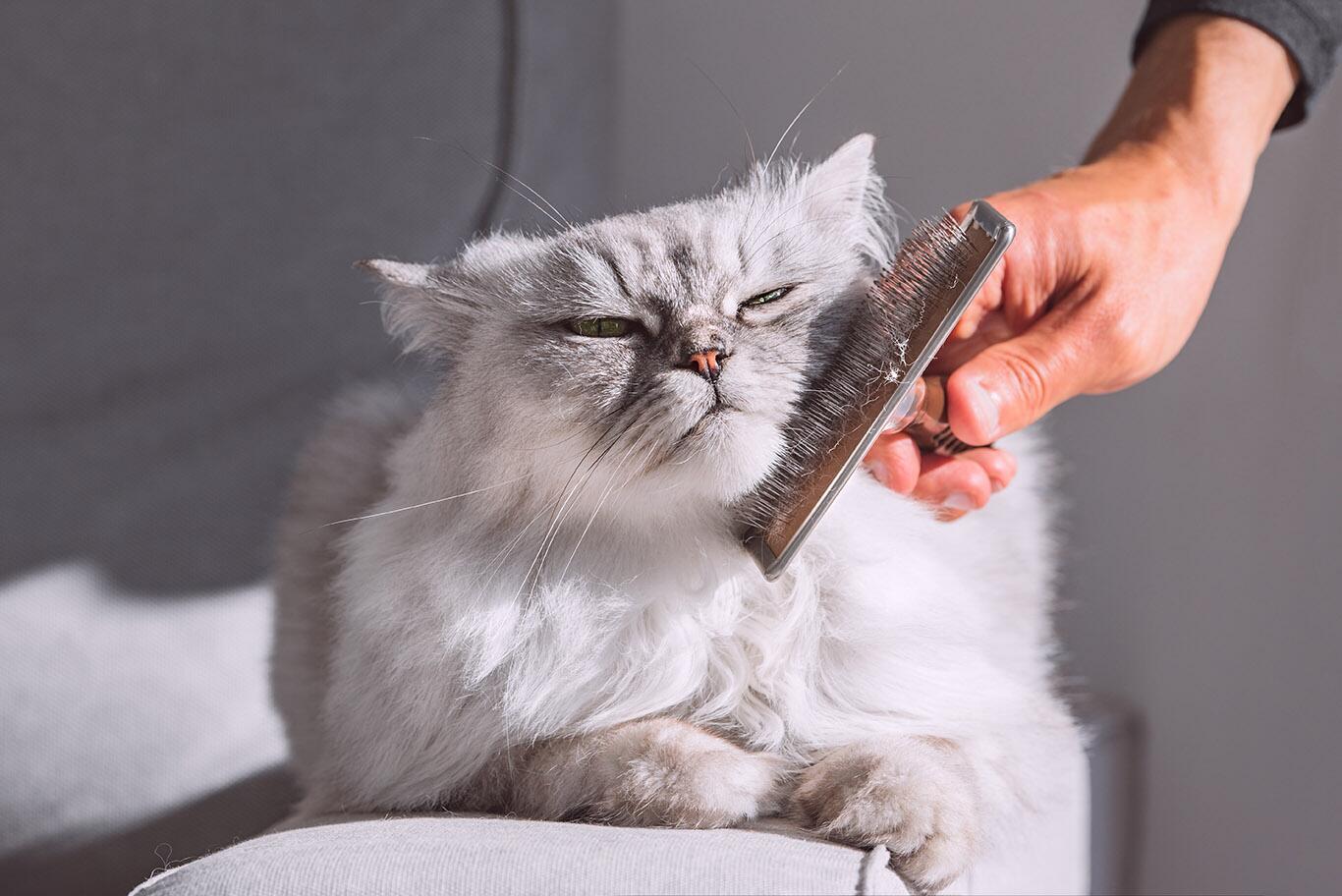
Grooming removes dirt, dead hair, and loose fur. This helps prevent mats and tangles that can hurt your cat’s skin. Brushing spreads natural oils, making the coat soft and shiny. It also helps control shedding and reduces hairballs.
Preventing Health Issues
Regular grooming helps spot health problems early. Look for signs of fleas, ticks, or skin infections. Nail trimming prevents overgrowth and injuries. Cleaning ears reduces the chance of infections. Grooming keeps your cat comfortable and less prone to illness.
Bonding With Your Cat
Grooming is a quiet, calm time together. It builds trust and comfort between you and your cat. Many cats enjoy being brushed and stroked. This shared time strengthens your relationship and keeps your cat happy.

Credit: www.latimes.com
Grooming Needs By Breed
Grooming needs vary significantly depending on your cat’s breed. Understanding these differences helps you keep your feline friend comfortable and healthy. Whether your cat has a sleek coat or no fur at all, knowing what to expect can save you from unnecessary stress and trips to the vet.
Short-haired Cats
Short-haired cats usually require less grooming than other breeds. Their coats shed naturally, and regular brushing once a week helps remove loose fur and reduce hairballs.
Even though their grooming needs seem minimal, short-haired cats still appreciate gentle brushing. It strengthens your bond and gives you a chance to check for skin issues or parasites.
Long-haired Cats
Long-haired cats demand more attention to grooming. Their fur can easily tangle and form mats, which cause discomfort and skin problems if left untreated.
Daily brushing is often necessary to keep their coat smooth and clean. You might find tools like wide-toothed combs and slicker brushes very helpful in this task.
Have you noticed how some long-haired cats actually enjoy grooming sessions? Turning grooming into playtime can make this chore easier for both of you.
Hairless Breeds
Hairless cats, such as the Sphynx, have unique grooming needs. Without fur to absorb oils, their skin gets oily and dirty faster.
Regular baths, about once a week, are essential to keep their skin healthy and free from buildup. Be gentle and use cat-friendly shampoo to avoid irritation.
Do you remember how your hairless cat reacts to bath time? Patience and warm water can turn it into a soothing ritual instead of a stressful event.
Basic Grooming Tools
Having the right grooming tools makes caring for your cat easier and more effective. Basic grooming tools help you maintain your cat’s health and comfort. They also build trust between you and your feline friend, turning grooming into a bonding time instead of a struggle.
Brushes And Combs
Brushes and combs are essential for keeping your cat’s coat clean and free of tangles. Choose a slicker brush for removing loose fur, especially if your cat has long hair. A fine-toothed comb can catch smaller debris and help with delicate areas like the face.
Different cats have different fur types. A short-haired cat might only need a rubber brush, while a long-haired one benefits from a metal comb. Have you noticed how your cat reacts when you brush them? Adjust your tool choice to keep grooming pleasant for both of you.
Nail Clippers
Trimming your cat’s nails prevents damage to furniture and reduces the risk of scratches. Use nail clippers designed specifically for cats; they are small and precise, minimizing the chance of injury. You don’t need to cut the nails too short—just trim the sharp tips to avoid hurting your cat.
If your cat resists nail trimming, try clipping one or two nails at a time. Does your cat prefer a quiet spot or gentle praise during nail care? Finding the right approach can turn this task into a simple routine.
Ear And Eye Care Supplies
Keeping your cat’s ears and eyes clean helps prevent infections and discomfort. Use vet-approved ear wipes or a damp cotton ball to gently clean the outer ear. Avoid inserting anything deep into the ear canal to protect your cat’s sensitive inner ear.
For eye care, soft cloths or special eye wipes can clear away discharge. Do you see any redness or excessive tearing? Regular checks allow you to spot issues early and ask your vet for advice if needed.
Credit: hellopetsinc.com
Daily And Weekly Grooming Routines
Keeping your cat well-groomed isn’t just about looks. It helps maintain their health and comfort daily and weekly. Establishing a grooming routine can prevent many common issues like mats, skin problems, and overgrown nails.
Brushing Frequency
How often you brush your cat depends on their coat type. Short-haired cats usually need brushing once or twice a week, while long-haired breeds benefit from daily brushing.
Brushing removes loose fur and reduces hairballs. It also gives you a chance to check for skin irritations or parasites. Have you noticed how your cat reacts when you brush them regularly? Many enjoy the attention and calm down during the process.
Bathing Guidelines
Cats generally groom themselves well, so baths aren’t often needed. However, occasional baths can help if your cat gets very dirty or has a skin condition.
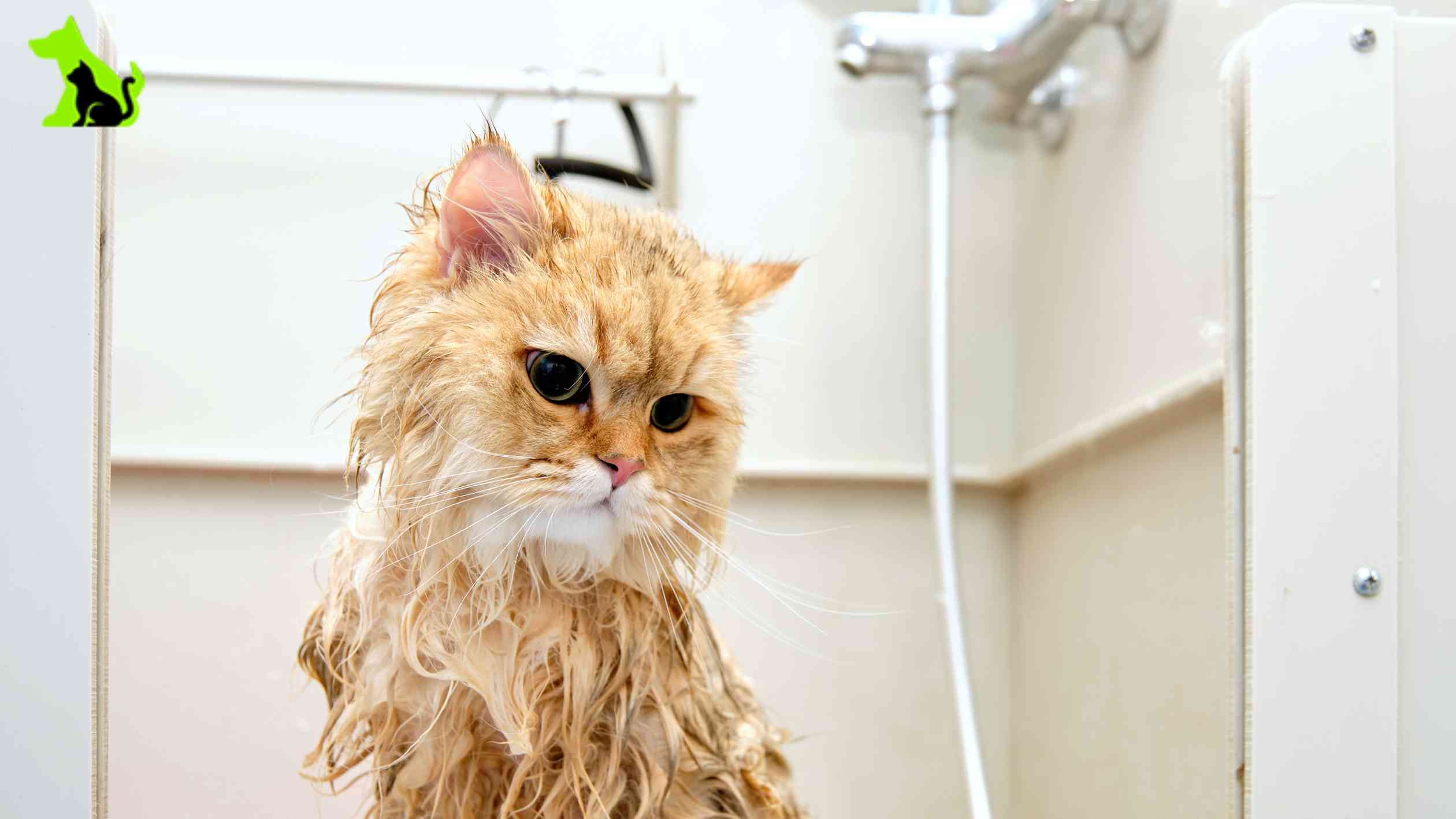
Use lukewarm water and a cat-specific shampoo to avoid irritation. Make sure to rinse thoroughly and dry your cat completely to prevent chills. Bathing too frequently can strip natural oils, so limit baths to once every few months unless your vet advises otherwise.
Nail Trimming Tips
Regular nail trimming keeps your cat comfortable and protects your furniture. Check your cat’s nails every one to two weeks to see if trimming is needed.
Use a sharp nail clipper designed for cats and avoid cutting too close to the quick—the pink part inside the nail. If your cat resists, try trimming after a play session when they’re more relaxed. Could trimming nails become a bonding moment between you and your cat?
Handling Grooming Challenges
Cats groom themselves often, but they may still need help with brushing to prevent mats and hairballs. Some cats with long fur require more frequent grooming to stay clean and healthy.
Handling the grooming challenges of a cat can seem daunting. Cats, despite their independent nature, occasionally need a helping hand with their grooming. Addressing issues like shedding, hairballs, and anxiety can significantly improve your cat’s health and happiness. Let’s tackle these challenges one by one, ensuring your feline friend stays at its best.Dealing With Shedding
Shedding is a natural process, but it can be overwhelming when it blankets your furniture. Regular brushing can drastically reduce loose hair. Consider using a deshedding tool, especially during seasonal changes when shedding increases. Choose a time when your cat is relaxed to make the experience pleasant. Rewarding them with treats post-grooming can create positive associations.Managing Hairballs
Hairballs are an unpleasant byproduct of your cat’s self-grooming. They can lead to digestive issues if not managed properly. Ensure your cat’s diet includes fiber-rich food to help pass hair naturally. Regular brushing helps minimize the amount of hair your cat ingests. Is your cat still struggling? You might want to consult your vet about hairball remedies.Calming Anxious Cats
Some cats become anxious during grooming sessions, making the process stressful for both of you. Create a soothing environment by minimizing noise and distractions. Speak softly and maintain a calm demeanor. Utilizing calming sprays or diffusers can help ease their anxiety. Have you tried a gentle massage? It might just turn grooming into a bonding experience.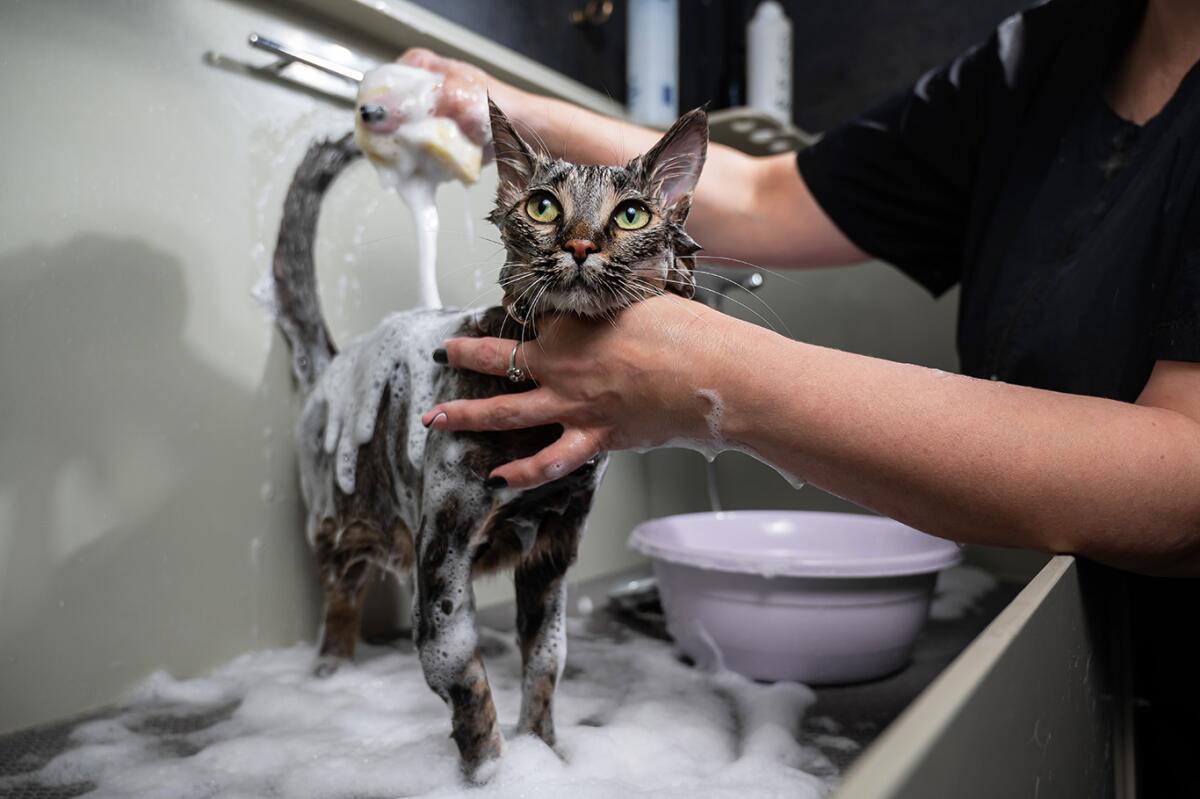
Credit: www.latimes.com
When To Seek Professional Help
Knowing when to seek professional grooming help is key for your cat’s health. Some problems need expert care beyond home grooming. Early action can prevent discomfort and serious issues. Watch your cat closely for signs that require a professional touch.
Signs Of Skin Problems
Look for redness, swelling, or sores on the skin. Excessive scratching or licking shows irritation. Bald patches or scabs signal possible infections. Unpleasant odors from the coat can mean skin issues. These signs need prompt attention to avoid worsening.
Professional Grooming Services
Professional groomers handle tough mats and tangles safely. They use tools designed for delicate cat fur. Groomers also trim nails and clean ears carefully. Special baths can treat skin conditions or fleas. Regular visits help maintain your cat’s comfort and coat health.
Veterinary Advice
Veterinarians diagnose and treat skin infections or allergies. They recommend the right shampoos and medications. Your vet can check for parasites like fleas or mites. Always consult your vet if your cat has wounds or unusual symptoms. Timely veterinary care ensures your cat stays healthy and happy.
Frequently Asked Questions
Do All Cats Need Regular Grooming?
Yes, most cats need regular grooming to remove loose fur and prevent mats. Grooming also helps reduce hairballs and keeps the coat healthy. Long-haired cats require more frequent grooming than short-haired ones.
How Often Should I Groom My Cat?
Groom your cat at least once a week. Long-haired breeds may need daily grooming. Regular sessions help prevent tangles, reduce shedding, and promote skin health.
Can Grooming Prevent Cat Hairballs?
Yes, grooming reduces shedding and removes loose fur. This lowers the amount of fur your cat swallows, which helps prevent hairballs and digestive issues.
Is Grooming Necessary For Indoor Cats?
Indoor cats still benefit from grooming. It helps manage shedding, prevents mats, and keeps their coat clean. Grooming also strengthens your bond with your cat.
Conclusion
Cats need grooming to stay healthy and clean. Regular brushing helps remove loose fur and dirt. It also prevents hairballs and skin problems. Short-haired cats need less grooming than long-haired cats. Grooming creates a bond between you and your cat.
It keeps their coat shiny and skin healthy. Ignoring grooming can lead to mats and discomfort. Simple grooming routines keep your cat happy and comfortable. Small effort, big benefits. Take time to care for your cat’s coat regularly. Your feline friend will thank you.




Leave a Reply